Matthew 2
KAMEETHARI ÑAANTSI: Iñaaventaitzirira Avinkatharite Jesucristo · Tap a verse to see its cross-references.
Ipokake iyotaneri iriñeeri Jesús
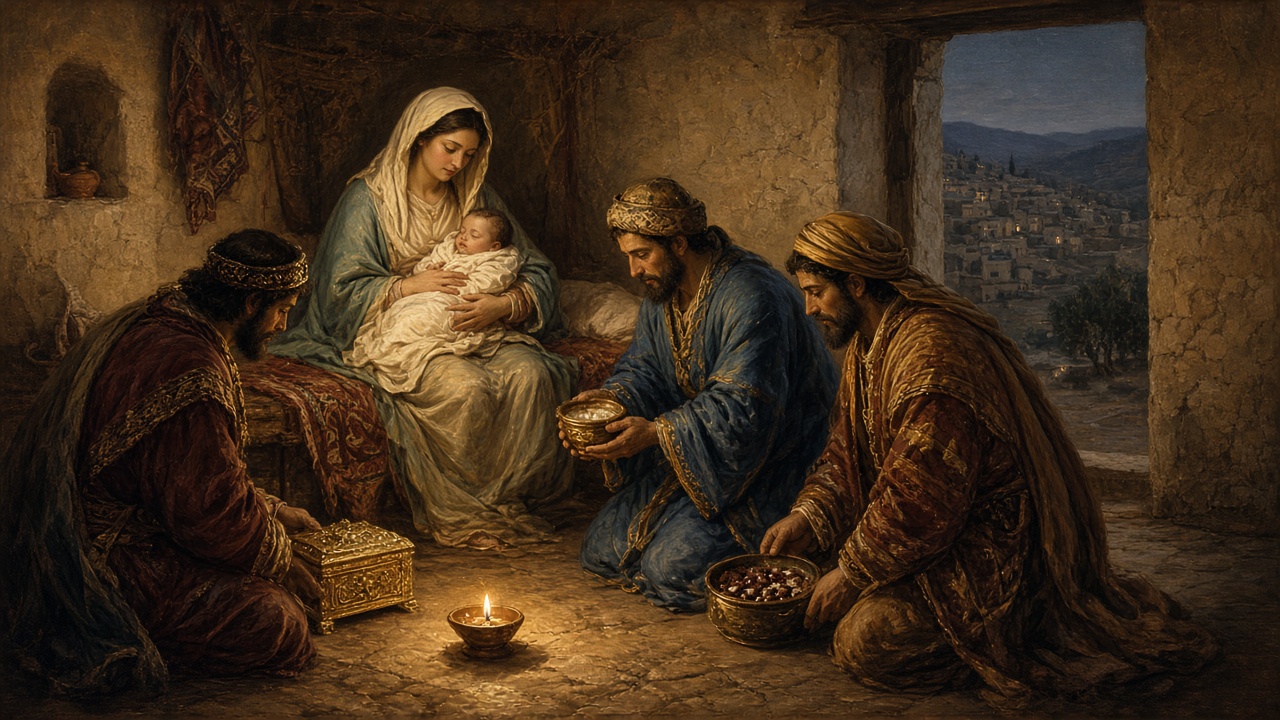
1Itzimake Jesús nampitsiki Belén saikatsiri janta Judea-ki. Tema itzimantakarira Jesús, iri pinkathariventantatsiri Herodes. Ari jareetakari nampitsiki Jerusalén iyotaneripayeeni ikenapaakero ishitovapiintzi ooryaatsiri. 2Josampitapaakeri: “¿Tsikama isaikika ivinkatharite Judío-payeeni ovakera tzimaintsiri? Janta nonampiki nopoñaaka, noñaakeri impokiro niyotantakari tzimake. Iro nopokantaiyarini noñaapinkathateri.” 3Ikanta ikemavakera pinkathari Herodes, antaro ikinkishiretanaka, ari ikempitaakari eejatzi maaroni Jerusalén-satzi. 4Opoña ikaimakaantakeri Herodes maaroni ijevare omperatasorentsitaari, eejatzi maaroni iyotzinkari, josampitakeri: “¿Tsika janta intzimeka Cristo?” 5Ikantaiyanakeni irirori: “Intzime janta nampitsiki Belén saikatsiri Judea, tema ari okantzi irosankinare kamantantaneri, ikantake:
6Ari osaikiri nampitsi Belén janta Judea-ki, tekatsi thainkerone.
Ari impoñeeyaari pinkatharijanori janta. Iriitake jevatairine Israel-mirinkaite ikaratzi nashitaari naaka.”
7Ipoña Herodes, ikaimakaantakeri pokayetaintsiri iriñeeri ovakera tzimaintsiri, josampitakeri: “¿Tsikapaite piñaakerika impokiro piyotantakari tzimake pinkathari?.” 8Ikamantakeri maaroni. Opoña ikantanakeri irirori: “Kameetha, pimatero piyaate Belén-ki, pamene tsika isaikajaantzi eentsika. Aririka piñaakeri, eejatzira pinkenapai jaka, pinkamantanaina. Niyaateeta eejatzi naaka, noñaapinkathatakiteri.” 9Irojatzi jiyaatantanakari. Eejatzi iñaanairi impokiro iñaakeri chapinki ipoñaakanta. Iñaashitakari jaatzinkapaake, iro jiyotantapaakarori pankotsi isaikira eentsi. 10Ikanta iñaakerira, kimoshire ikantaiyapaakani. 11Areetaiyapaakani pankotsiki, iñaapaakeri eentsi eejatzi iriniro María. Jotyeerovashitapaakari, iñaapinkathatapaakeri. Jashitaryaakotapaakeri jamakeneriri, ipapaakeri oro, ipakeri kasankaayetatsiri, ipakeri eejatzi paitachari mirra. Osheki ovinaro irokapayeeni. 12Ikanta jimagaiyapaakeni, jomishimpyaakeri Pava, ikantziri: “Eero pipiyashitari Herodes. Pinkenanai pashineki avotsi piyaatantaiyaari pinampiki.”
Jovamaitake eentsi
13Aritake piyeeyaani iyotaneripayeeni. Japiitairo imaninkarite Pava jiñaanatziri José imishireki, ikantziri: “José, pishiyakayeri eentsi eejatzi iriniro, piyaate nampitsiki Egipto. Ari pisaikeri janta irojatzi nonkantantaiyaamiri: ‘Pimpiyee.’ Aatsikitake Herodes iroveri eentsika.” 14Ikanta ikakitanake José, ikamantakero María, tsiteni ishiyaka Egipto-ki, jaanakeri eentsi. 15Ari isaikakeri janta, irojatzi ikamantaari Herodes. Ari okanta omonkaratantakari josankinatakeri pairani kamantantaneri, ikantake:
Isaikavetaka notomi nampitsiki Egipto, ari nokaimairi impiyeeta eejatzi.
16Ikanta Herodes, iyotake jamatavitakeri iyotaneripayeeni, te impiyashitairi. Otyaanakari imashirenka. Jomityaantake irovayiritepayeeni, ikantakeri: “Piyaate janta Belén-ki, paperoteri povamairi eentsipayeeni, pinthonkanakeri maaroni ovakera tzimaintsiri, eejatzi maaroni ikaratzi tzimakotaintsiri apite irosarentsite.” Tema ari ikamantakeri chapinki jiñaantakaririranki iyotaneriite ovakeraini impokiro. 17Irootake iñaanetakari pairani kamantantaneri paitachari Jeremías, ikantake:
18Okaimaperotatzi Ramá-sato iragaiyaani.
Osheninkathorini Raquel onatzi iraakotakariri eentsitepayeeni.
Iro ovashireneentantakari jovamaitzitaitakero maaroni eenchaanite.
19Okanta osamanitake, kamai Herodes, eekero isaikake José nampitsiki Egipto. Ari iñaanatairiri imaninkarite Pava imishirekiini, 20ikantairi: “José, kantaira piyaatai pinampiki, paanairi peentsite pintsipataanairi iriniro. Tema kamai kovavetachari iroverimi.” 21Ari ikantaka José, piyaa inampiki Israel. 22Iro jareevetaa José inampiki, ikantaitavairi: “Iri pinkatharitaatsi Arquelao Judea-ki. Jimpoyaataari iririni Herodes.” Ari ikinkishiretanaa José, eero ikenanai janta. Ari japiiyeetairi ikantaitziri imishireki: “Paamaiyaarira Arquelao.” Irootakera ikenantanaari José Galilea-ki. 23Ikanta jiyaatake, isaikapai nampitsiki Nazaret. Tema ari okanta omonkaratantakari josankinatakeri pairani kamantantaneri, ikantake:
Nazaret-satzi impaitaiteri.
Did you know?
Magi, Herod, and Nazareth
- The King Herod of this chapter is Herod the Great. His son Archelaus, by Malthace, a Samaritan woman, inherited a third of the kingdom: Idumea, Judea, and Samaria. Until a few days before Herod's death another son, Antipas, had been named successor, but in his last moments Herod named Archelaus; for fear of him, Joseph turned aside from Judea and withdrew to Galilee.Sources: Archelaus · the Bible text itself
- Matthew links the deaths of the boys in Bethlehem to words spoken through the prophet Jeremiah: a voice in Ramah, Rachel weeping for her children. Rachel, one of Jacob's wives, died giving birth to Benjamin and was buried by the wayside on the road to Ephrath, that is Bethlehem, directly north of the town. Her sepulchre is regarded with great veneration by the Jews.Sources: the Bible text itself · Rachel · Bethlehem
- Bethlehem, in the hill country of Judah, was earlier called Ephrath and was also known as the city of David; under the Romans it lay in Judea, the southernmost of the three divisions of Palestine. Joseph and Mary went instead to Nazareth in Galilee, their home, a town not mentioned in the Old Testament. The name Nazareth is generally supposed to come from the Hebrew netser, a shoot or sprout, though some connect it with a word for guarding or watching.Sources: Bethlehem · Judea · Nazareth · the Bible text itself
Notes written with AI assistance from open sources (Theographic Bible Metadata, CC BY-SA 4.0; Easton’s Bible Dictionary, public domain) and reviewed before publishing.
Places in this chapter
- Bethlehem · 31.704, 35.208 · verses 1, 5, 6, 8, 9, 16
- East · Today: region around Amman · 31.955, 35.934 · verses 1, 2, 9
- Jerusalem · 31.777, 35.234 · verses 1, 3
- Judea · Today: Judea 1 · 31.777, 35.234 · verses 1, 5, 22
- Egypt · 30.129, 31.308 · verses 13, 14, 15, 19
- Galilee · 32.760, 35.527 · verse 22
- Nazareth · 32.702, 35.298 · verse 23
Only places identified with high confidence are shown (90% or more according to the scholarly sources compiled by OpenBible). Period map: DARE (Digital Atlas of the Roman Empire), CC BY 4.0; modern map: © OpenStreetMap contributors; places: OpenBible.info (CC BY 4.0).
Credits and license for this translation
KAMEETHARI ÑAANTSI: Iñaaventaitzirira Avinkatharite Jesucristo
The New Testament in the Pichis Ashéninka language of Peru
El Nuevo Testamento in la Pichis Ashéninka lingua de Peru
copyright © 2008 Wycliffe Bible Translators, Inc.
Language: Ashéninka, Pichis
Translation by: Wycliffe Bible Translators
Copyright Information
© 2008, Wycliffe Bible Translators, Inc.
This translation text is made available to you under the
terms of the Creative Commons License: Attribution-Noncommercial-No Derivative Works.
( http://creativecommons.org/licenses/by-nc-nd/3.0/ )
In addition, you have permission to port the text to different file formats, as long as you
do not change any of the text or punctuation of the Bible.
You may share, copy, distribute, transmit, and extract portions
or quotations from this work, provided that you include the above copyright
information:
You must give Attribution to the work.
You do not sell this work for a profit.
You do not make any derivative works that change any of the actual words or punctuation of the Scriptures.
Permissions beyond the scope of this license may be
available if you contact
us with your request.
© 2008, Wycliffe Bible Translators, Inc. All rights rese
This translation is made available to you under the terms of the
Creative Commons Attribution-Noncommercial-No Derivatives license 4.0.
You may share and redistribute this Bible translation or extracts from it in any format, provided that:
You include the above copyright and source information.
You do not sell this work for a profit.
You do not change any of the words or punctuation of the Scriptures.
Pictures included with Scriptures and other documents on this site are licensed just for use with those Scriptures and documents.
For other uses, please contact the respective copyright owners.
2014-12-03
Source: http://ebible.org/cpuNT/ · eBible.org