Luke 11
KAMEETHARI ÑAANTSI: Iñaaventaitzirira Avinkatharite Jesucristo · Tap a verse to see its cross-references.
Iñaaventziro Jesús ñaañaataantsi
1Ipoña Jesús jiyaatake iriñaañaate. Ikanta aparoni iriyotaane, ikantakeri: “Pinkatharí, piyotainaro iñaañaataitzi, ikempitairo Juan-ni jiyotaantziro ñaañaataantsi.” 2Ari ikantzi Jesús: “Jiroka pinkante piñaañaatapiinte eeroka:
Ashitanarí, inkitesatzi,
Tasorentsi pinatzi eeroka.
Pimpinkathariventaina naaka.
Pantakanairo jaka kipatsiki okaratzi pinintakaanari eeroka.
Pinkempitakainari saikatsiri inkiteki, jantayetziro okaratzi pinintakairiri.
3Pimpapiintenaro kovityiimotanari noyaari.
4Pimpeyakotainaro nokaariperoshirevaitake,
Tema nomatakero naaka eejatzi, nopeyakotairi ikaratzi ovaariperoshiretakenari.
Eero pishinetaana iriñaantaityaana, inkovaite irantakaitenaro kaariperori.”
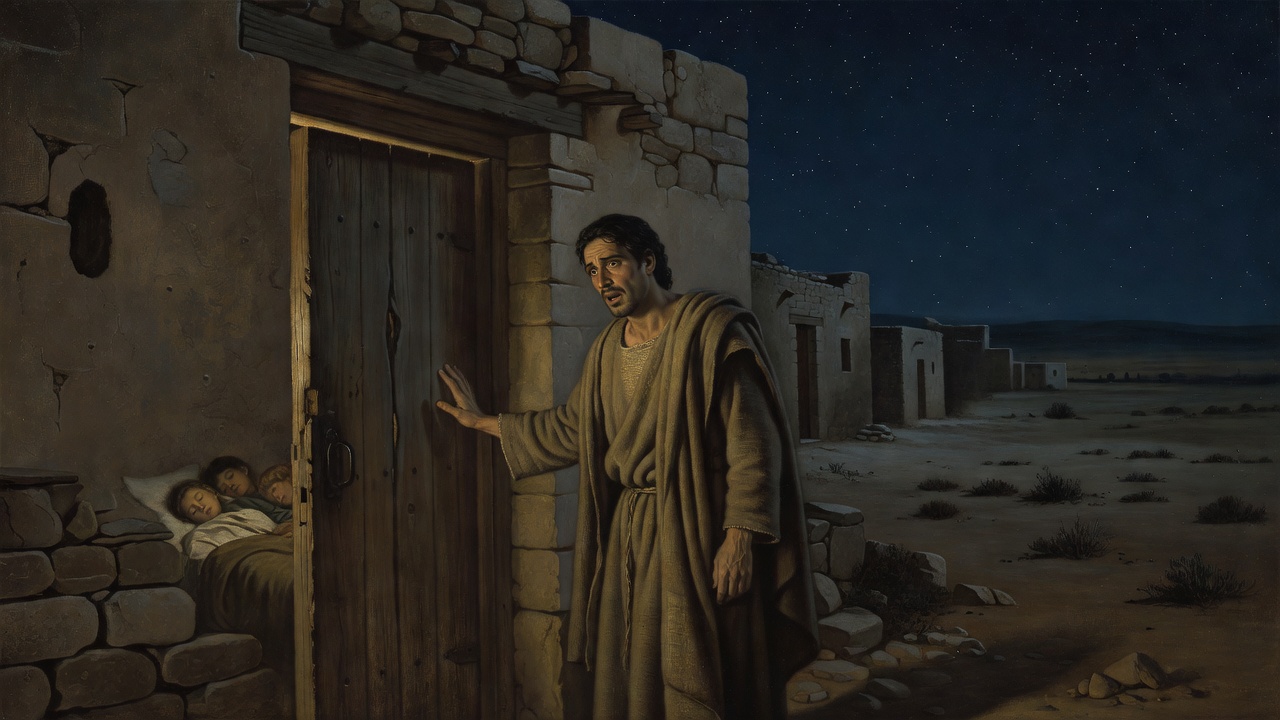
5Ipoña ikantanakeri eejatzi: “Aririka intzime aparoni pitsipaminthare, impokake niyankiite, inkantemi: ‘Pimpavakena mava tanta, 6tema tzimatsi areetachari nopankoki, tekatsi tzimatsine nompavakeriri.’ 7Impoña pinkantavetyaari: ‘Eero poñaashirenkana nomaakaatziiri neentsitepayeeni, aritake nashitanairo nopanko eejatzi, irootake eero okantanta nompemi.’ 8Kempivaitaka eero pikovaveta pimperi onkantavetya iriimi pitsipaminthare. Iro kantacha eekerora ishintsitatzi ikampitzimi, ari peshiventanakero pintzinaye, pimpavakeri okaratzi ikoviri.” 9Ikantziya Jesús: “Pinkampitante, pinkokovate eejatzi, aritake piñaakero impayeetemiro pikoviri. Pinkempitakaantero pareetya aparoni pankotsi, pishintsiventapaakeri, pinkanteri: ‘Pashitaryeenaro. Aritake irashitaryeetakemiro.’ 10Arira impayeetairi kampitantayetatsiri. Inkarate amemenaterone ari iroñaakaitairi. Aritake irashitaryeetaineri inkarate shintsishintsitatsiri inkaime. 11Tema aririka inkampitemi pitomi, inkantemi: ‘Apá, pimpena tanta.’ ¿Arima pimpakeri mapi? Aririka inkantemi: ‘Pimpena shima noya.’ ¿Arima pimpakeri maranke iroyaari? 12Aririka inkantemi: ‘Pimpena kithokintsi.’ ¿Arima pimpakeri kitoniro? 13Tema piyotzi petakotari pitomipayeeni eeroka, kaariperori pinaveta. Iriira maperotzirori Ashitairi saikatsiri inkiteki, jetakotari irirori ikaratzi amanayetapiintziriri, inampishiretakaayetari Tasorentsinkantsi.”
Maimanetavakaachari pankotsiki
14Ipoña Jesús jovavisaakotakeri aparoni kisovaanteri jaakiri peyari. Ikanta jovashinchagairira, ñaavaitanai kisovaantevetachari. Iniroite ipampoyaaminthaitanakeri Jesús. 15Tzimatsi kantayetanaintsiri: “Ipasavyaatyaari irika ashitariri peyari, ipaitaitziri ‘Beelzebú,’ irootake jimatantarori jovavisaakotziri ikaratzi jaakayetziri peyari.” 16Tzimatsiya pashine kovatsiri iñeero intasonkaventante Jesús, iro iriyotantaityaari omaperotatya opoña itasorenka inkiteki, tema iñaantaitatyaari. 17Ikanta Jesús jiyotake okaratzi ipampithashiretari atziriite, ikantanake: “Aririka irantaminthatavakaiya atziri ipinkathariventaitziri nampitsi, jiñiiro jovapintaavaka. Aririka irantaminthatavakaiya eejatzi atziri isaikavankotavakaiyani, ari iriñaakero irovapintaavakaiya. 18Ari ikantari eejatzi peyari aririka irantaminthatavakaiyaami, ari irovapintaavakaakya eero iñiiro ishintsite, ari inthonkyaari. ¿Opaitama pikantantari iri ovashinchaanari Beelzebú? 19Iriirikami kamaari Beelzebú ovashincheenane, ¿irijatzima kamaari ovashinchiiriri piyotaaneyetari eeroka jovavisaakotantariri jaakayetziri? Aririka okanta, pikamantakotziiri piyotaane, ari inkishimentakemiro okaratzi pikantakeri. 20Tema iriitake Pava kantakaarori novashinchaayetantariri jaakiri peyari, tema jomapokakemi Pava eeroka ipinkathariventantzi. 21Aparoni atziri ñaaperori kameetha, tekatsira materine inkyaashiteri ipankoki irayiteri okaratzi jashitari. 22Irooma impokashitakeri pashine atziri anayiriri ishintsitzi, iraapithatakeri javentaavetari, iraapithatakeri jashitari, irantetaakyaaro. 23Tema ikaratzi kaari aapatziyanari naaka, iriitake kisaneentanari. Inkarate kaari ampitakotenari iriyoyaakotena, japaatakotatyaana.”
Ipiyashitanta peyari
24“Okempivaitaka irinampishiretantyaarimi peyari aparoni atziri, ipankotsitetakaro irañaantare. Aririka irookaveetakyaari, avisakoveta atziri isaikantari peyari. Jatake inkenavaite tsika te inampitaitaro, eero jiñi tsika isaike. Impoña inkante peyari: ‘Nompiye nopankoki tsika nopoñaaka.’ 25Piyaa peyari, iriñaapairi atziri kameetha opishitaka irañaantare, ovaneenka okantaka. 26Impoña peyari iriyaatashitakeri maperotzirori ipeyaritzi, inkantapaakeri: ‘Thame aate nopankoki, pintsipatyaana ampinkatharite.’ Iramake inkarate 7. Arira irashinonkaaperotyaari atziri, eero ikempitaa jashinonkaavetara pairani kapicheeni ikanta.”
Maperoterone inkimoshiretai
27Tekera inkaratero iñaavaitzi Jesús, okaimanake aparoni tsinane osatekainchari ipiyotaka atziri, okantzi: “Tharomenta onatye tsinane ovaiyantakemiri, antarintakaakemi othotaimi.” 28Ipoña jakanakero Jesús, ikantzi: “Iriira tharomentaperotaachane inkarate matairone inkempisantairo iñaane Pava.”
Ikovaiyini kaariperoshireri intasonkaventante Jesús
29Ikanta ipiyotapaaka osheki atziri, ikantanake Jesús: “¿Opaitama ikovantari iriñeena kaariperoshireri nontasonkaventante? Eero noñaakimaitari, intaani iriñeero kempitarori iñaakeri pairani Jonás. 30Tema ikantara pairani Jonás jiñeeyakeri Nínive-satzi, ari inkemitaiyaari eejatzi Itomi Atziri iriñeeri irikaite. 31Apaata aririka iramenakoyeetairo okaratzi jantayeetziri, ari iyakoventaimi tsinane pinkatharitatsiri pairani nampitsiki Sabá, tema opokashitakeri iroori iyotaneri paitachari Salomón, okempisantairi. Irika saikimotakemiri iroñaaka eeroka, janayiri Salomón. 32Eejatzi okempitari ari iriyakoventaimi apaata Nínive-satzi, tema ikempisantaiyakerini irirori pairani Jonás, jovashaantanakero jametayevetari. Irika saikimotakemiri iroñaaka eeroka jaka, janayirira Jonás.”
Iñaaventziri Jesús ootamentotsi
33“Tema ankoverika ootyaari ootamento, ¿arima ovakotakeri otapinaki? Aña avakotziri jenoki inkene onkoñeenkate maaroni. 34Kameetharika poki, piñaantaro kameethaini, okempitaro pinkoñeetyaakotatyeemi. Terika apantaro poki, eero piñaantaro kameethaini, kempitaka pintsirenikitakotatyeemi. 35Paamaventaperotya poitsivakirikari ootamentotsi saikantakamiri. 36Omaperotarika isaikantakami ootamentotsi, terika pantanairo kaariperori, aritake pooñaakantairo irooperori kameethari, pinkempitanaiyaari aparoni ootamentotsi joorentantzi.”
Iñaaventakota iyotaantzirori Ikantakaantaitane
37Ikanta ikaratapaakero ikinkithatake Jesús, ipokashitapaakeri aparoni Fariseo iriyaatakairi ipankoki iroya. Ikanta jareetaka Jesús pankotsiki, saikapaake jovapiintaita. 38Osheki okompitzimotakari Fariseo jiñaakeri Jesús te irimonkaratero jametapiintari, inkivaakotapaakya irovantyaari. 39Iro kantamaitacha Jesús, ikantanake: “Pikempitakotakaro piraamento eejatzi povamento okiteveta kameetha jakakiroki, irooma inthomointa, kipatsi okantaka. Ari pikempiyetakari eeroka kantatsi iriñeetemi kameethashire pinatzi, aña koshintzi kaariperoshireri pinatzi. 40Masontzí. Tema tzimatsi ovetsikakemiri pivathaki koñaayetatsiri, ¿kaarima ovetsikashiretakemiri eejatzi inthomointa pañaantareki? 41Okovaperotatya pimpashitantaiyaaro tzimimoshiretzimiri inthomointa pañaantareki, ari onkantya pinkiteperoshiretantaiyaari.
42¡Ikantamacheetzimi Fariseo! Pashitakaapiintari Pava inchashimpoki. Iro kantacha te panteneri ikoviri: Ontzimatye pinkameethashiretai, petakoshiretaiyaari eejatzi. Tema iro kovaperovetachari pantayeteromi iroka, eero povashaantamaitaro pashinera. 43¡Ikantamacheetzimi Fariseo! Osheki pikovapiintziro posatekya niyankineki japatotapiintaita, ari pikempitaitaro eejatzi pikovi ñaapinkatha irovethatapiintaityaami aririka iriñeetemi. 44¡Ikantamacheetzimi iyotzinkariite ipoña Fariseo, kamataviriri pinatzi! Pikempitashitakaro kaari jiyoitzi ari ikitayeetziri kaminkari, te iriyoyete atziri jaatzikakotatziiri kaminkari.”
45Ari jakanake aparoni iyotaantzirori Ikantakaantaitane, ikantanakeri Jesús: “Iyotaantanerí, pikemakaakenaro eejatzi naakaite okaratzi pikantakeri.” 46Jakanake Jesús, ikantzi: “¡Ikantamacheetzimi eejatzi eeroka iyotaantzirori Ikantakaantane! ¿Opaitama piñaatenatakaantariri atziriite? Te piñaantamaityaaro eeroka pinkematenatyaaro. 47¡Ikantamacheetzimi eeroka, opaitama povetsikapiriniyetantarori ovaneenkatachari tsika ikitayeetakeri etayetakarori kamantantaneri!. Iriitajaantake jovamaayetakeri pairani pivaisatziite. 48Tema eerokatake ovetsikashiyetakeri tsika inkitayeeteri, ari okoñaatziri pakakotatziiri okaratzi jantayetakeri pivaisatziite. 49Tema iyotane jinake Pava, ikantake: ‘Ari notyaantake kamantantaneri intsipayetakyaari otyaantaari. Aparopayeeni irimaimaneete, irovayeetake pashine.’ 50Ari onkantya irovasankitaantaityaarimi eeroka, okantakaantziro povamaayetakeri kamantantaneri etajaantanakarori pairani. 51Eeroka pinataityaarone iroñaaka okantakaantziro jovamaakaantaitakeri pairani, jetanakaro Abel-ni irojatzi Zacarías-ki tsika itzimi jovamaitakeri ipiyavetanaaro tasorentsipankoki ipometziniri Pava. 52¡Ikantamacheetzimi iyotaantzirori Ikantakaantaitane! Te pimataajatero eeroka piyotanetya, arira pikenakaakerori eeroka kaari ikemathatantaro pashinepayeeni.”
53Ikanta Jesús ithonkakero ikantayetakeri. Ari jetanakaro Fariseo itsipayetapaakari iyotzinkariite, japatoventaari Jesús ikovake inkompitakaiyaari onkantya inkemantyaariri ompaitya inkanteri. 54Ishintsithavaitakeri, ikovi iñaavaitakairi ñaantsi kaariperori onkantya inkamantakotantyaariri.
Did you know?
Prayer, Signs, and Woes
- Jesus speaks of the blood of all the prophets, from the blood of Abel to the blood of Zechariah, who was killed between the altar and the sanctuary. Abel was the second son of Adam and Eve and was killed by his brother Cain. Easton's Bible Dictionary (1897) identifies this Zechariah as the son or grandson of the high priest Jehoiada, stoned at the king's command in the court of the house of the Lord after he condemned the king and the people, and notes that Jesus alludes to that murder in this chapter.Sources: the Bible text itself · Abel · Zacharias
- Jesus says this generation will be given no sign except the sign of Jonah: as Jonah was a sign to the Ninevites, so the Son of Man will be a sign to this generation, and the men of Nineveh, who repented at his preaching, will condemn it at the judgment, because someone greater than Jonah is here. Easton's Bible Dictionary (1897) describes Jonah, son of Amittai of Gath-hepher, as a prophet of Israel and a missionary to Nineveh, and calls him a type of the Son of Man. It describes Nineveh as a great and populous city, the flourishing capital of the Assyrian empire.Sources: the Bible text itself · Jonah · Nineveh
- After Jesus drives out a demon that was mute, some say he does it by Beelzebul, the prince of the demons. Easton's Bible Dictionary (1897) explains the name Satan as adversary or accuser, says the New Testament uses it interchangeably with the devil, and lists Beelzebub among his titles. Jesus answers that every kingdom divided against itself will be laid waste, and asks how Satan's kingdom can stand if Satan is divided against himself.Sources: the Bible text itself · Satan
Notes written with AI assistance from open sources (Theographic Bible Metadata, CC BY-SA 4.0; Easton’s Bible Dictionary, public domain) and reviewed before publishing.
Places in this chapter
Only places identified with high confidence are shown (90% or more according to the scholarly sources compiled by OpenBible). Period map: DARE (Digital Atlas of the Roman Empire), CC BY 4.0; modern map: © OpenStreetMap contributors; places: OpenBible.info (CC BY 4.0).
Credits and license for this translation
KAMEETHARI ÑAANTSI: Iñaaventaitzirira Avinkatharite Jesucristo
The New Testament in the Pichis Ashéninka language of Peru
El Nuevo Testamento in la Pichis Ashéninka lingua de Peru
copyright © 2008 Wycliffe Bible Translators, Inc.
Language: Ashéninka, Pichis
Translation by: Wycliffe Bible Translators
Copyright Information
© 2008, Wycliffe Bible Translators, Inc.
This translation text is made available to you under the
terms of the Creative Commons License: Attribution-Noncommercial-No Derivative Works.
( http://creativecommons.org/licenses/by-nc-nd/3.0/ )
In addition, you have permission to port the text to different file formats, as long as you
do not change any of the text or punctuation of the Bible.
You may share, copy, distribute, transmit, and extract portions
or quotations from this work, provided that you include the above copyright
information:
You must give Attribution to the work.
You do not sell this work for a profit.
You do not make any derivative works that change any of the actual words or punctuation of the Scriptures.
Permissions beyond the scope of this license may be
available if you contact
us with your request.
© 2008, Wycliffe Bible Translators, Inc. All rights rese
This translation is made available to you under the terms of the
Creative Commons Attribution-Noncommercial-No Derivatives license 4.0.
You may share and redistribute this Bible translation or extracts from it in any format, provided that:
You include the above copyright and source information.
You do not sell this work for a profit.
You do not change any of the words or punctuation of the Scriptures.
Pictures included with Scriptures and other documents on this site are licensed just for use with those Scriptures and documents.
For other uses, please contact the respective copyright owners.
2014-12-03
Source: http://ebible.org/cpuNT/ · eBible.org