1 Corinthians 10
KAMEETHARI ÑAANTSI: Iñaaventaitzirira Avinkatharite Jesucristo · Tap a verse to see its cross-references.
Ikaminaaventaitziro okaratzi iñaapinkathatashiyeetari
1Iyekiite, eero apeyakotaro tsika okanta iñaayetakeri avaisatziite. Iro ipampithatake aparoni menkori janta tsika te inampiitaro. Jimontyaayetakaro inkaare, joviryaataitapaintakeneri. 2Arira joñaakantakero javentaashiretakari Moisés-ni, ipampithatakero menkori, jimontyaakaro inkaare. 3Jovaiyakaroni eejatzi avaisatziite okaratzi itasonkaventayeetakeri. 4Jimiretaiyakaroni jiñaa itasonkaventayeetakeri oshitovaatzimotakeri shirantaaki. Tema iriitajaantakera Cristo tsipashireyetakariri, iri oñaakakeriri jiñaa shirantaaki. Aña iri Cristo kempivaitakarori iroka shirantaa. 5Iro kantacha, tzimatsi osheki iriroriite kaari irinimote Pava, irootakera ikamakaantantayetakariri tsika te inampiitaro.
6Okaratzi avisaintsiri, tzimatsira oshiyakaaventakairi, ari onkantya eero akempitantari iriroriite, aneveyetyaaro antero kaariperori. 7Iroora eero aritanta aakaite ankempiyaari pashineete itharomentavaita iñaapinkathatashivaitari oshiyakaarontsi. Tema irootake jimayetakeri avaisatziite pairani, jiroka ikinkithatakoyeetakeriri:
Ithointaiyakani atziri, jovavaitaiyani, jiravaitaiyini.
Ari ikatziyeeyanakani itharomentashivaitaiyanakani.
8Ari okempitari eejatzi, te arite antayetero kamaarotatsiri. Irojatzi jantayetakeri avaisatziite, irootakera iñaantayetakarori ikamakaantake aparoni kitaite 23,000 atziri. 9Ari okempitzitakari eejatzi te aritzi ovatsimayeri Pava. Irojatzi jimayetakeri pairani iriroriite, irootakera jatsikayetantakariri maranke. 10Ari okempitzitari eejatzi te aritzi ankiñaanevaite. Irojatzira jimayetzitakari. Iroora iñaantayetakarori japerotakeri ipaiyeetziri “Aperotantaneri.” 11Maaroni irokapayeeni avisayetaintsiri, irootakera joshiyakaaventayeetakairi, josankinatakoyeetakero onkantya iriyotaayetantairori iroñaaka aakaite, tema asaikapaitetantatyaaro othonkimataara kipatsi. 12Paamaventayetaiya eerokaite. Eero pikantayetzi, “Eerora nomatataitziro naaka iroka,” omapokashitakari pimatanakero eejatzi eeroka. 13Iro kantacha piñaakerorika pinevetashirevaityaaro, pinkinkishiretero tera apaniro pikantaka eeroka, aña jimatataikero ikitsirinkayetakero pashine atziriite. Kinataneri jinatzi Pava, eero ishinetzimi irirori irineveshireperotakaityaamiro kaari pinkitsirinke. Aririka piñaakero pinevetashirevaitya, iriitajaantakera Pava oñaakemirone tsika pinkantya pinkitsirinkantyaarori, onkempivaitanakyaaro pishiyapithatatyeeromi.
14Netakotaneete, irootakera pinkempitakaantantyaarori pishiyapithatatyeeromi, piñaayeteririka pashineete iroimoshirenkero iñaapinkathavaitziri oshiyakaarontsi. 15Iroñaaka tzimatsi nonkantayetemiri, nonkempitakaantatyeemi iyotaneri pinatyeemi nonkantemirora. Pinkinkishiretakoyeterora. 16Tema apatotapiintaiyanira iravaitaiyini, akinkithashiretakotziro iñaañaaventakeriranki Cristo, imiretaiyakarini iriyotaaneete, ¿Kaarima iroka ovithaavakaantsi, apatoyetaara oimoshirenkiri Cristo ikapathainkatzimentakai? Aririka ampetoryeero tanta, ¿Kaarima iroka ovithaavakaantsi, oimoshirenkirora ivatha Cristo, akinkishiretakotziro ikamimentayetakai? 17Ari okanta, aririka ovayetakyaaro, intzimayevetakya osheki akarataiyini apatotaiyani, maaroni ovaiyaroni tanta jovetsikayeetakeri apapatharoini. Ari akantayetaari aakaite, akempitayetaaro apapathatatsiri. 18Ari ikempitayetari eejatzi nosheninkapayeeni Israel-mirinkaite, jovithaavakaayeta eejatzi iriroriite, itaayetairo jashitakaariri Pava janta pomepirinimentotsiki. 19Irootakera kempitataikarori okaratzi jantapiintayetakeri pashinesatzi atziriite ipometayetziniri ivavanevaitashitari. ¿Piñaajaantakema nokantatziira añaanetatsira ikaratzi ivavanevaitashitakari? 20¡Tera! Iro kantzimaitacha tzimataitatsira peyari amamenavaitachari, iri ikempitakaantakeri ivavane, iriitake jashitakaantapiintayetakari irovarite. Aña kaarira Pava irashitakaayetya irovarite. Irootakera kaari nokovakaayetzimiri eerokaite pinkempiyayetyaari povayetaiyaaro okaratzi jashitakaavaitashitariri peyariite, povithagaarikari iriroriite. 21Tera aritzi pimiretyaaro otzimi amiretapiintari akinkishiretakotziri Avinkatharite, pimatakerorika pimiretapiintakaro okaratzi jashitakaayeetariri peyari. Ari okempitzitari, tera aritzi poyaaro otzimi ovapiintari akinkishiretakotziri Avinkatharite, pimatakerorika povapiintakaro okaratzi jashitakaayeetariri peyari. 22¿Akovatziima ovatsimayeri Avinkatharite? ¿Anayirima otzimira irirori ishintsinka?
¿Arima notzikashirevaitantake iñaapinkathashireyeetairi Pava?
23Jiroka ikantayeetzi: “Ishineyeetanaro nantayetero tsikarika ompaiyetya.” Iro kantacha tera apantaro maaroni irantayeetero. Aritake okantavetaka, ishineyeetairo antayetero tsikarika ompaiyetya. Iro kantacha tzimayetatsira opaita antayetziri kaari minthatakaiyaarine pashinepayeeni irantayetairo kameethari. 24Tera aritzi intaani ankinkishiretakovaityaaro akovayetziri aakaite, aña iro aritatsi añaashintsiventaiyaaro kameethatzimoterine pashinepayeeni. 25Aririka pamanantzimate vathatsi, eero posampitakoventavaitziri, pinkante: “¿Ipoñaatyaama irika vathatsi janta ipomeyeetziniri oshiyakaantsi?” Aña pamananteri, poyaari. 26Tema iri Avinkatharite, ashitari ikaratzi tzimayetatsiri kipatsiki. 27Ari okempitzitari, aririka inkaimemi payooteri kaari kempisantatsine, payooteri pikovirika. Eero posampitakoventavaitziri pinkante: “¿Ipoñaatyaama irika vathatsi janta ipomeyeetziniri oshiyakaantsi?” Aña poyaari. 28Irooma tzimatsirika kamantemineri, inkantemi: “Irika vathatsi ipoñaatya janta ipomeyeetziniri oshiyakaantsi,” eerora povari. Iroora pimatantakarori iroka pikinkishiretakotanakari kantakemiri, pikinkishiretanaka eejatzi kantatsi irovaariperoshiretante. 29Tema nokantakemira “kantatsi irovaariperoshiretante,” te iro nonkantakote irovaariperoshiretemi eeroka, aña iri nokantakotzi itzimi kamantakemiri, kantatsira irovaariperoshireteri irirori. Kempitaka ari posampitanakena naaka, pinkante: “¿Opaitama nontzitantavaityaariri naaka intaanimacheeni ikinkishiretakotana pashineka atziri? 30Tema nopaasoonkeventziri Pava noñaayetziro novari, ¿opaitama nonkinkishiretakotantyaarori onkarate inkishimaitenari?”
31Jiroka nakemiro: Aririka povavaiyetya, pinkinkishiretakoterora, pinkantashirete: “Tzimatsirika ñaayetenaneri novavaitya, ¿arima notzikashirevaitakeri irika iñaapinkathashiretairi Pava?” Arira pinkempitzityaarori pimirevaitya, eejatzi pantayetairo tsikarika opaiyetarika. 32Ontzimatye paamaventaiya eero poitzipinashiretantari Judío-yetatsiri, kaari judío-yetatsine, ikaratzi pikaratapiintziri papatoventari Pava, maaroni. 33Irootakera nantziri naaka, nopankiventaro nonimotakaantayetyaari maaroni atziriite okaratzi nantayetziri. Tera intaani nantero kameethatzimotanari naaka, aña iro nantzi onkarate kameethatzimoterine pashinepayeeni, ari onkantya iravisakoshiretantaiyaari.
Did you know?
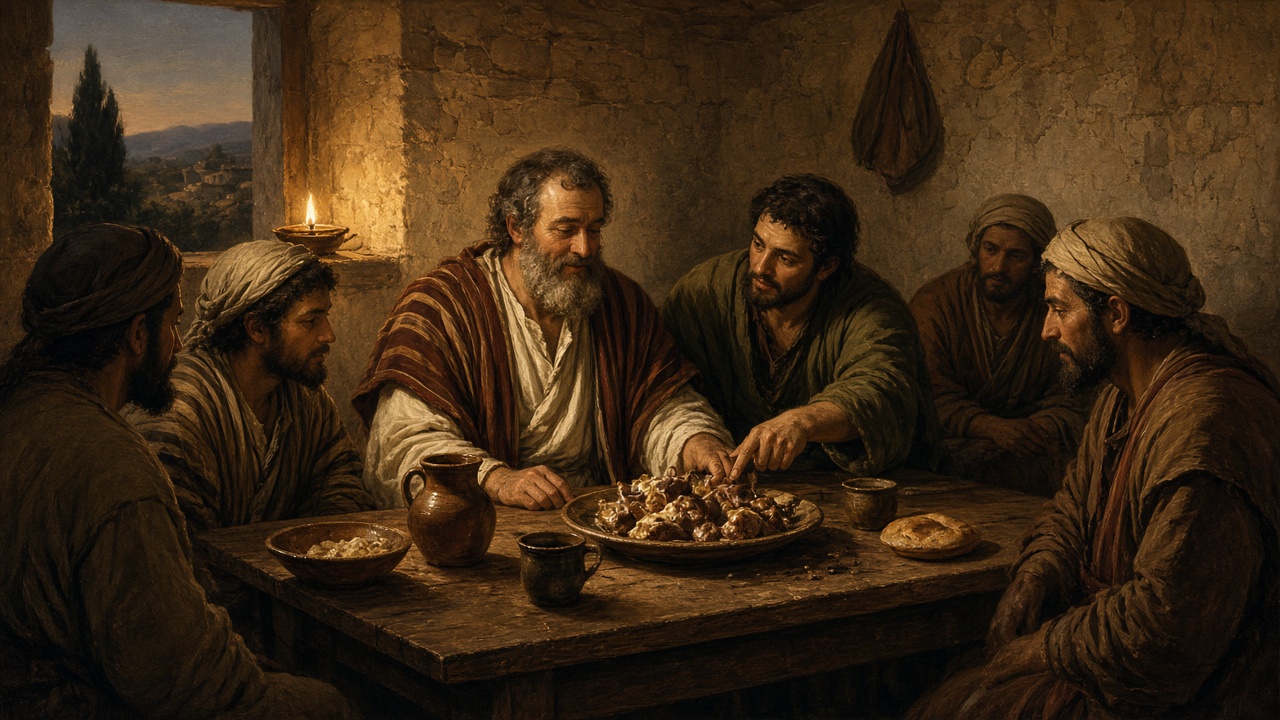
Wilderness Warnings and the Lord's Table
- Paul says he does not want the Corinthians unaware that the forefathers were all under the cloud and all passed through the sea, and that they were baptized into Moses in the cloud and in the sea. They all ate the same spiritual food and drank the same spiritual drink from the spiritual rock that accompanied them, and he says that rock was Christ.Sources: the Bible text itself
- Paul says God was not pleased with most of them, for they were struck down in the wilderness. He lists idolatry, sexual immorality in which twenty-three thousand died in one day, testing Christ, which brought death by snakes, and complaining, punished by the destroying angel, and calls these events examples written down as warnings.Sources: the Bible text itself
- He calls the cup of blessing and the bread that is broken a participation in the blood and body of Christ, and says pagan sacrifices are offered to demons, not to God, so the two tables cannot be shared. Food sold in the meat market may be eaten without raising questions of conscience, for "The earth is the Lord's, and the fullness thereof," but if someone says it was offered to idols, it should be refused for that person's conscience.Sources: the Bible text itself
Notes written with AI assistance from open sources (Theographic Bible Metadata, CC BY-SA 4.0; Easton’s Bible Dictionary, public domain) and reviewed before publishing.
Credits and license for this translation
KAMEETHARI ÑAANTSI: Iñaaventaitzirira Avinkatharite Jesucristo
The New Testament in the Pichis Ashéninka language of Peru
El Nuevo Testamento in la Pichis Ashéninka lingua de Peru
copyright © 2008 Wycliffe Bible Translators, Inc.
Language: Ashéninka, Pichis
Translation by: Wycliffe Bible Translators
Copyright Information
© 2008, Wycliffe Bible Translators, Inc.
This translation text is made available to you under the
terms of the Creative Commons License: Attribution-Noncommercial-No Derivative Works.
( http://creativecommons.org/licenses/by-nc-nd/3.0/ )
In addition, you have permission to port the text to different file formats, as long as you
do not change any of the text or punctuation of the Bible.
You may share, copy, distribute, transmit, and extract portions
or quotations from this work, provided that you include the above copyright
information:
You must give Attribution to the work.
You do not sell this work for a profit.
You do not make any derivative works that change any of the actual words or punctuation of the Scriptures.
Permissions beyond the scope of this license may be
available if you contact
us with your request.
© 2008, Wycliffe Bible Translators, Inc. All rights rese
This translation is made available to you under the terms of the
Creative Commons Attribution-Noncommercial-No Derivatives license 4.0.
You may share and redistribute this Bible translation or extracts from it in any format, provided that:
You include the above copyright and source information.
You do not sell this work for a profit.
You do not change any of the words or punctuation of the Scriptures.
Pictures included with Scriptures and other documents on this site are licensed just for use with those Scriptures and documents.
For other uses, please contact the respective copyright owners.
2014-12-03
Source: http://ebible.org/cpuNT/ · eBible.org