Luke 11
Kameethari Ñaantsi: ikenkitha-takoitziri awinkatharite Jesucristo; Owakerari aapatziya-wakagaantsi · Tap a verse to see its cross-references.
Ikenkithatakotziro Jesús amanaantsi
1Ikanta Jesús riyaatake ramaña. Ikanta riyotaanewo, ikantakeri: “Pinkatharí, piyotainawo ramanaita, ikemetairo Juan-ni riyotaantziro amanaantsi.” 2Ari ikantanake Jesús: “Jiroka pinkantero pamanapiintya eeroka:
Ashitanarí, Inkitesatzi,
Tasorentsi pini eeroka.
Pimpinkathariwentaina naaka.
Pantakainawo jaka kipatsiki okaatzi pinintakaanari eeroka.
Poshiyakagainari saikatsiri inkiteki, rantayetziro okaatzi pinintakairiri.
3Pimpapiintenawo koityiimotanari nowanawo.
4Pimpeyakotakagainawo nokaariperoshirewaitzi,
Tema nimatakero naaka, nopeyakotairi ikaatzi owaariperoshiretanari.
Eero pishinetaana iñaantaitena, inkowaite rantakaitenawo kaariperori.”
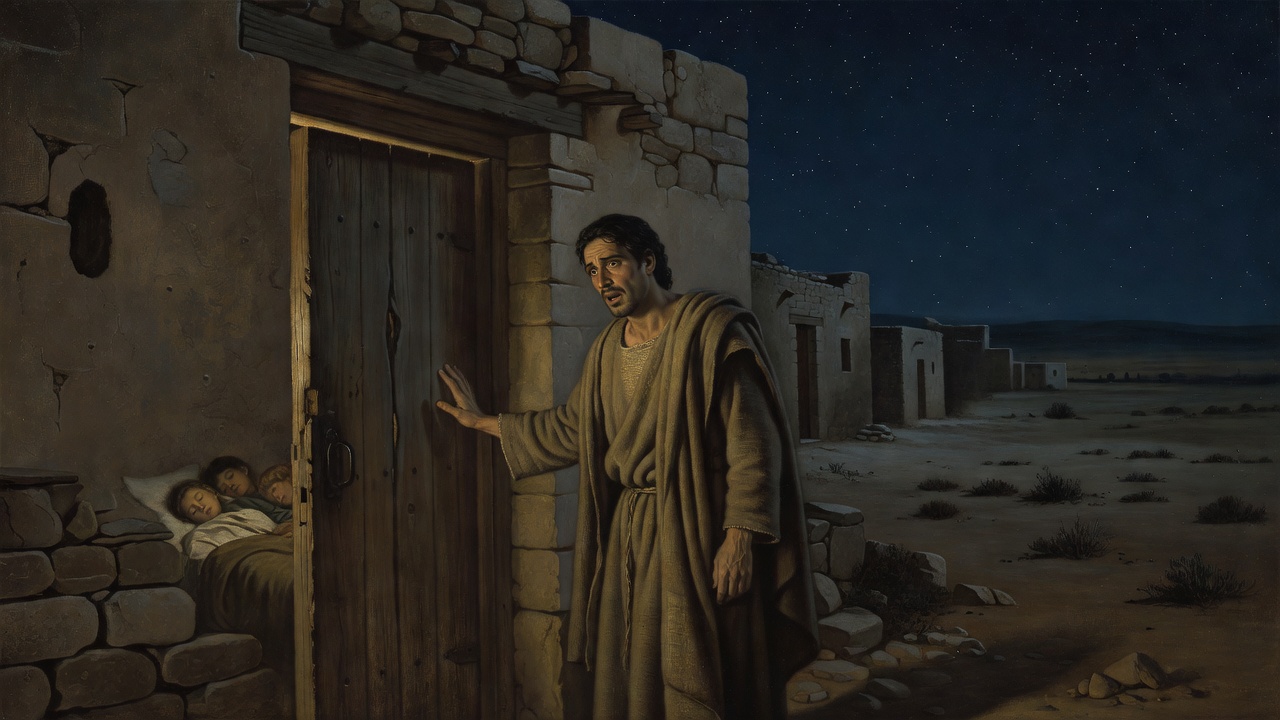
5Ikantantanake eejatzi Jesús: “Arika intzime pitsipaminthare, ripokake niyankiiteki, inkantemi: ‘Pimpawakena mawa pan, 6tzimatsi areetainchari nopankoki, tekaatsi nompawakeriri.’ 7Ari pinkantawetyaari: ‘Eero poomerenchaana noimaatziiri neentsitepaini, tema nashitanakero nopanko, irootake eero okantanta nompemi.’ 8Oshiyawaitakawo eero pikowaweta pimperi okantawetaka iriiwetaka pitsipaminthare. Iro kantacha eekero ishintsitatzi ikowakotzimi, ari potsiwakanakyaawo pinkakitanake, pimpawakeri okaatzi ikowiri.” 9Ikantzi Jesús: “Pinkowakotante, pithotyaakote eejatzi, aritake piñaakero impaitemiro pikowiri. Poshiyakairo pareetya pankotsiki, pishintsineentantapaake, pinkanteri: ‘Pashitareenawo. Aritake rashitaryagaitakemiro.’ 10Ari impayeetairi kowakowatatsiri. Inkaate aminaminatatsine roñaagaitziri. Aritake rashitaryagaitainiri inkaate shintsishintsitatsiri inkaime. 11Tema arika inkowakotemi pitomi, inkantemi: ‘Papá, pimpena pan.’ ¿Arima pimpakeri mapi? Arika inkantemi: ‘Pimpena shima noya.’ ¿Arima pimpakeri maanke royaari? 12Arika inkantemi: ‘Pimpena iithoki.’ ¿Arima pimpakeri kitoniro? 13Tema piyotziro petakotari pitomipaini eeroka, kaariperori pinaweta. Iriitake maperotzirori Ashitairi saikatsiri inkiteki, retakotari irirori ikaatzi amanapiintariri, risaikashiretakaantari Tasorenkantsi.”
Koshekawakaachari pankotsiki
14Ikanta Jesús rowawisaakotakeri kisowaanteri raayiri peyari. Ikanta retsiyatakotakagairi, kenkithawaitanai kisowaantewetachari. Antawoite riyokitziiwentaitanakeri Jesús. 15Eenitatsi kantayetanaintsiri: “Ripasawyaatziiri ashitariri peyari, iitaitziri ‘Beelzebú’, irootake rimatantawori rowawisaakotziri ikaatzi raagayetziri peyari.” 16Tzimatsi itsipa kowatsiri iñeero ritasonkawentante Jesús, iro riyotantaityaari imaperotatya opoña itasorenka inkiteki, tema iñaantaitatyaari. 17Ikanta Jesús riyotake okaatzi ikenkithashiretari atziripaini, ikantanake: “Arika rantaminthatawakaiya atziri ipinkathariwentaitziri nampitsiki, iñiiro rookanawentawakaiya. Arika rantaminthatawakaiya eejatzi atziri risaikawankotawakaiyanira, ari iñaakero rookanawentawakaiya. 18Ari ikanta eejatzi peyari arika rantaminthatawakayaame, ari rookanawentawakaakya eero iñiiro ishintsite, ari rithonkyaari. ¿Iitaka pikantantanari iri Beelzebú matakaanawori netsiyatakotakaantantari? 19Iriirikame Kamaari Beelzebú matakainawoneme netsiyatakotakaante, ¿irijatzima Kamaari matakairiri piyotaane eeroka retsiyatakotakaantariri raagayetziri? Arika okanta, pithawetakotatziiri piyotaanewo, ari inkisantakemiro okaatzi pikantakeri. 20Iriitake Pawa kantakaantzirori netsiyatakotakaantariri raayiri peyari, tema romapokakemi Pawa eeroka ipinkathariwentantai. 21Atziri ñaaperori kameethaini, tekaatsi materine inkyaashiteri ipankoki rayiteri okaatzi rashitari. 22Irooma ripokashitakeri itsipa atziri maperotzirori ishintsitzi, raapithatakeri rawentaawetari, raapithatakeri rashitari, rantetakyaawo. 23Tema ikaatzi kaari aapatziyanari naaka, iriitake kisaneentanari. Inkaate kaari amitakotenane rowiitakotena, reewanatakotakena.”
Ripiyashitanta peyari
24“Oshiyawaitakawo risaikashiretantaime peyari, ipankotetakawo rañaamento atziri. Arika rookaweetakyaari, awisakoweta atziri risaikantari peyari. Jatake inkenawaite ochempiki, eero iñi jimpe risaike. Irojatzi inkantantaiya peyari: ‘Nipiyaita nopankoki nopoñaakaga.’ 25Piyaawo peyari, iñaapairi atziri kameetha opishitaka rañaamento, owaneenka ikantaka. 26Ikanta peyari riyaatashitakeri maperotzirori ipeyaritzi, inkantapaakeri: ‘Jame aate nopankoki, pintsipatena ampinkatharite.’ Ramake inkaate 7. Ari rowashironkaaperotyaari atziri, eero oshiyaawo rashironkaawetaga pairani eepichokiini ikanta.”
Maperoterone inkimoshiretai
27Te ikaatziro ikenkithawaitzi Jesús, okaimanake tsinane osatekainchari ipiyotakaga atziri, okantzi: “Thaamenta onkantya tsinane owaiyimiri, antarintakemiri othotaimi.” 28Irojatzi rakantanakawori Jesús, ikantzi: “Iri thaamentaperotaachane inkaate kemisantairone riñaane Pawa.”
Ikowaiyini kaariperoshireri ritasonkawentante Jesús
29Ikanta ipiyotapaaka osheki atziri, ikantanake Jesús: “¿Iitaka ikowantari iñeena kaariperoshireri nitasonkawentante? Eero noñaayimaitari, apatziro iñeero oshiyawori iñaakeri pairani Jonás. 30Tema ikantakaga pairani Jonás iñagaiyakerini Nínive-satzi, ari inkantaiyaari eejatzi Itomi Atziri iñagairi jirikapaini. 31Paata arika raminakoitairo okaatzi rantayeetziri, ari iyakowentaimi tsinane pinkatharitatsiri pairani nampitsiki Sabá, tema ipokashitakeri iroori yotzinkari jitachari Salomón, okemisantairi. Jirika saikimotakemiri eeroka, ranairi Salomón. 32Eejatzi oshiyawo ari riyakowentaimi paata Nínive-satzi, tema ikemisantaiyakerini irirori pairani Jonás, ripakaanakero ramewetari. Jirika saikimotakemiri eeroka jaka, ranairi Jonás.”
Ikenkithatakotziri Jesús ootamentotsi
33“Arika ankowe ootyaari ootamento, ¿arima owakotakeri otapinaki? Tera, owakotziri jenoki onkene ankoñaatakote maawoini. 34Okameethatzirika poki, piñaantawo kameethaini, oshiyawaitakawo pinkoñeetyaakotatyeeme. Terika okameethatzi poki, eero piñaantawo kameethaini, oshiyawaitakawo pintsirenikitakotatyeeme. 35Paamaawentya poitsiwakirikari ootamentotsi saikantakemiri. 36Imaperorika risaikantakemi ootamentotsi, eerorika pantanairo kaariperori, aritake poñaagantairo irooperori kameethari, poshiyanaiyaari ootamentotsi roorentantzi.”
Ikenkithatakota yotaantzirori Inintakaantaitanewo
37Ikanta ikaatapaakero ikenkithatake Jesús, ripokashitapaakeri Fariseo riyaatakairi ipankoki roya. Ikanta rareetaka Jesús pankotsiki, saikapaake rowapiintaitaga. 38Osheki ikompitzimotakari Fariseo iñaakerira Jesús te rimonkaatziro rametapiintari, inkiwaakotapaakya rowantyaari. 39Iri kantzimaitacha Jesús, ikantanake: “Poshiyakotakawo piraamento eejatzi powamento okiteweta kameetha jakakeroki, irooma inthomoikinta, sheretake okantaka. Ari pikantakari eeroka iñaaweetzimi kameethashireri pikantaka, tema koshintzi pinatzi kaariperoshireri pikantaka. 40Masontzí. Tema eenitatsi wetsikakemiri piwathaki koñaayetatsiri, ¿kaarima wetsikitakemiri eejatzi inthomoiki pañaamentoki? 41Okowaperotatya pimpashitantaiyaawo oshekitzimotzimiri inthomoiki pañaamentoki, ompoñaantaiyaari pinkiteshireperotantaiyaari.
42¡Ikantamatsitaitzimi Fariseo! Pipapiintziri Pawa inchashitsityeyaki. Temaita pantziniri ikowiri. Ontzimatye pinkameethashiretai, pinintashiretairi eejatzi. Tema iro kowaperowetacha pantayeterome jiroka, eero pipakayimaitawo otsipa. 43¡Ikantamatsitaitzimi Fariseo! Osheki pikowapiintziro posatekya niyankineki rapatotapiintaitaga, ari pikantzitawo eejatzi pikowi pinkatha riwethatapiintaitemi arika iñagaitemi. 44¡Ikantamatsitaitzimi Yotzinkariite eejatzi Fariseo, owapeyimotantaneri pinatzi! Poshiyashitakawo te riyoitzi ari ikitaitziri kaminkari, te riyotzimaita atziri raatzikakotatziirira kaminkari.”
45Ari rakanake Yotaantzirori Inintakaantaitanewo, ikantanakeri Jesús: “Yotaantanerí, pikemakaakenawo naakapaini okaatzi pikantakeri.” 46Rakanake Jesús, ikantzi: “¡Ikantamatsitaitzimi eejatzi eeroka Yotaantzirori Inintakaantaitanewo! ¿Iitaka pikematenatakaantariri atziripaini? Te pimatzimaitawo eeroka pinkematenatyaawo. 47¡Ikantamatsitaitzimi eeroka, oitaka powaneenkachonchoinatakotantariri ikitaitakerira etayetakawori Kamantantaneri! Iriitake rowamaakeri pairani picharinepaini. 48Pimatakero eeroka piwetsikashitakeri tsika ikitaitakeri, ari okoñaatziri pakakotatziiri rantakeri picharinepaini. 49Tema yotane rinake Pawa, ikantake: ‘Ari notyaantake Kamantantaneri intsipatakyaari otyaantaarewo. Apaanipaini ikoshekaitaka, ritsitokaitake itsipa.’ 50Ari onkantya rowasanketantaitemiri eeroka, okantakaantziro powamaayetakeri Kamantantaneri etanakawori pairani. 51Eeroka atsipetaiyaawone okantakaantziro rowamaakaantaitakeri pairani, retanakawo Abel-ni irojatzi Zacarías-ki iriitajaantake rowamagaitakeri ripiyawetaawo tasorentsipankoki ritayiniri Pawa. 52¡Ikantamatsitaitzimi Yotaantzirori Inintakaantaitanewo! Te pimataatsikaitziro eeroka piyotanete, ari pikantakero eeroka kaari ikemathatantawo itsipapaini.”
53Ikanta Jesús rithonkakero ikantayetakeri. Ari retanakawo Fariseo itsipayetapaakari Yotzinkariite, ipiyowentari Jesús ikowi rikompitakayaarime, inkemantyaariri oitarika inkanteri. 54Ishintsithawaitakeri, ikowi riñaawaitakairi ñaantsi kaariperori ompoñaantyaari inkamantakoteri.
Did you know?
Prayer, Signs, and Woes
- Jesus speaks of the blood of all the prophets, from the blood of Abel to the blood of Zechariah, who was killed between the altar and the sanctuary. Abel was the second son of Adam and Eve and was killed by his brother Cain. Easton's Bible Dictionary (1897) identifies this Zechariah as the son or grandson of the high priest Jehoiada, stoned at the king's command in the court of the house of the Lord after he condemned the king and the people, and notes that Jesus alludes to that murder in this chapter.Sources: the Bible text itself · Abel · Zacharias
- Jesus says this generation will be given no sign except the sign of Jonah: as Jonah was a sign to the Ninevites, so the Son of Man will be a sign to this generation, and the men of Nineveh, who repented at his preaching, will condemn it at the judgment, because someone greater than Jonah is here. Easton's Bible Dictionary (1897) describes Jonah, son of Amittai of Gath-hepher, as a prophet of Israel and a missionary to Nineveh, and calls him a type of the Son of Man. It describes Nineveh as a great and populous city, the flourishing capital of the Assyrian empire.Sources: the Bible text itself · Jonah · Nineveh
- After Jesus drives out a demon that was mute, some say he does it by Beelzebul, the prince of the demons. Easton's Bible Dictionary (1897) explains the name Satan as adversary or accuser, says the New Testament uses it interchangeably with the devil, and lists Beelzebub among his titles. Jesus answers that every kingdom divided against itself will be laid waste, and asks how Satan's kingdom can stand if Satan is divided against himself.Sources: the Bible text itself · Satan
Notes written with AI assistance from open sources (Theographic Bible Metadata, CC BY-SA 4.0; Easton’s Bible Dictionary, public domain) and reviewed before publishing.
Places in this chapter
Only places identified with high confidence are shown (90% or more according to the scholarly sources compiled by OpenBible). Period map: DARE (Digital Atlas of the Roman Empire), CC BY 4.0; modern map: © OpenStreetMap contributors; places: OpenBible.info (CC BY 4.0).
Credits and license for this translation
Kameethari Ñaantsi: ikenkitha-takoitziri awinkatharite Jesucristo; Owakerari aapatziya-wakagaantsi
New Testament in Ashéninka, Ucayali-yurúa (PE:cpb:Ashéninka, Ucayali-yurúa)
copyright © 2000 Wycliffe Bible Translators, Inc.
Language: Ashéninka, Ucayali-yurúa
Translation by: Wycliffe Bible Translators, Inc.
Ashéninka, Ucayali-yurúa [cpb], Peru
Copyright Information
© 2000, Wycliffe Bible Translators, Inc. All rights reserved.
This translation text is made available to you under the
terms of the Creative Commons License: Attribution-Noncommercial-No Derivative Works.
( http://creativecommons.org/licenses/by-nc-nd/3.0/ )
In addition, you have permission to port the text to different file formats, as long as you
do not change any of the text or punctuation of the Bible.
You may share, copy, distribute, transmit, and extract portions
or quotations from this work, provided that you include the above copyright
information:
You must give Attribution to the work.
You do not sell this work for a profit.
You do not make any derivative works that change any of the actual words or punctuation of the Scriptures.
Permissions beyond the scope of this license may be
available if you contact
us with your request.
The New Testament
in Ashéninka, Ucayali-yurúa
© 2000, Wycliffe Bible Translators, Inc. All rights reserved.
This translation is made available to you under the terms of the
Creative Commons Attribution-Noncommercial-No Derivatives license 4.0.
You may share and redistribute this Bible translation or extracts from it in any format, provided that:
You include the above copyright and source information.
You do not sell this work for a profit.
You do not change any of the words or punctuation of the Scriptures.
Pictures included with Scriptures and other documents on this site are licensed just for use with those Scriptures and documents.
For other uses, please contact the respective copyright owners.
2014-04-21
Source: http://ebible.org/cpbNT/ · eBible.org