John 3
Kameethari Ñaantsi: ikenkitha-takoitziri awinkatharite Jesucristo; Owakerari aapatziya-wakagaantsi · Tap a verse to see its cross-references.
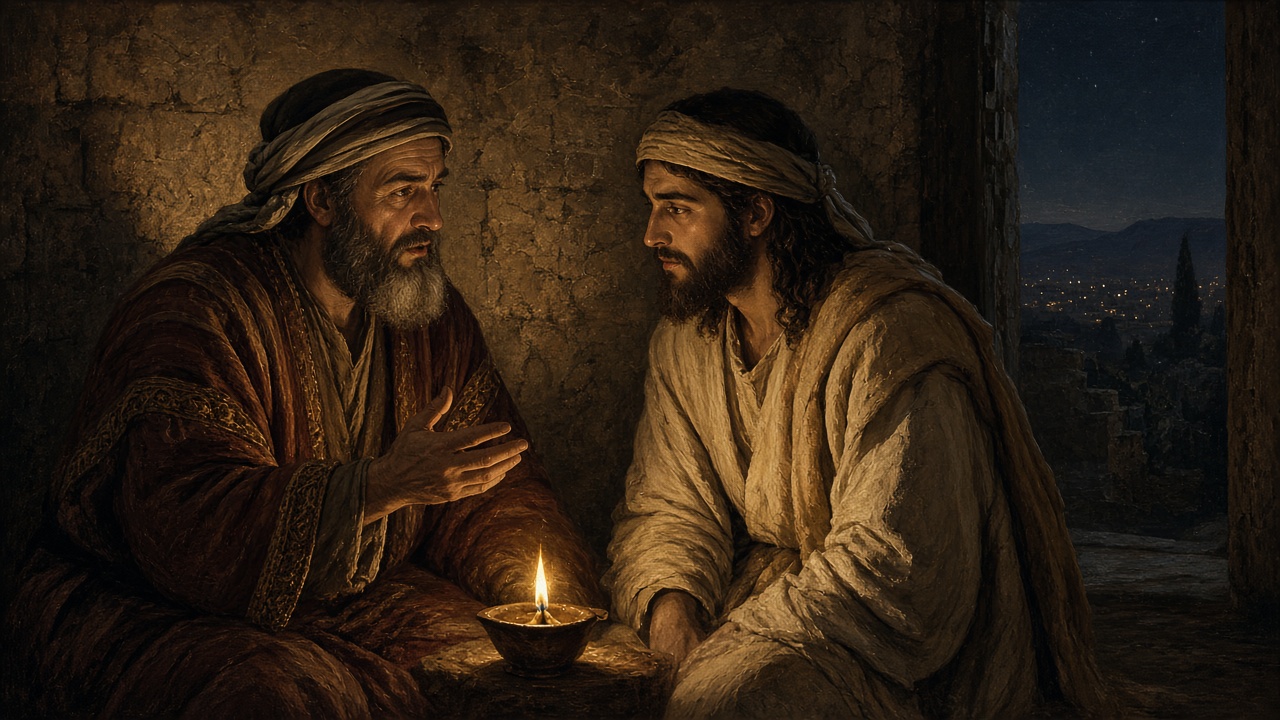
Jesús eejatzi Nicodemo
1Eenitatsi apaani Fariseo jitachari Nicodemo, iriiperori Judá-ite rini. 2Ikanta jirika jatake tsireniriki iñeeri Jesús. Ikantapaakeri: “Rabí, niyotaiyini iriitake Pawa otyaantakemiri piyotaayetena, tekaatsi kanterone rantero okaatzi poñaagantakeri eeroka, eerorika itsipashiretari Pawa.” 3Ari rakanakeri Jesús, ikantziri: “Kaari apiitairone intzimai, eero iñagairo ipinkathariwentantaira Pawa. Imaperotatya.” 4Ikantzi Nicodemo: “¿Kantachama rapiitairo intzimai apaani atziri antarikitaintsiri? ¿Arima onkantakya inkyagai omotziki inaanate, onkene rapiitairo intzimai?” 5Ari rakanake Jesús, ikantziri: “Kaari tzimantaiyaawone ñaa, kaari itzimashiretakai Tasorenkantsi, eero iñagairo tsika ipinkathariwentantai Pawa. 6Ikaatzi rowaiyantziri atziripaini, atziri rini. Iriima ikaatzi tzimantaariri Tasorenkantsi, tasorentsishireri ikantanaa. 7Eero ikompitzimotzimi nokantakemiri: ‘Papiitairo pintzimayetai.’ 8Okanta tampyainka itasonkantapiintzi tsika okowakaawo. Pikemawetawo oyameninka, temaita piyote tsika okenapaake, tsikarika iyaatziro. Ari ikantari eejatzi ikaatzi itzimashiretakaayetairi Tasorenkantsi.” 9Rapiitanakero Nicodemo rosampitziri: “¿Tsikama okantakotaka jiroka?” 10Ikantzi Jesús: “¿Eeroka, yotaapiintziriri Israel-iite, tema piyote tsika okantakota jiroka? 11Nokenkithatakotaiyimironi okaatzi niyotakotziri. Nokenkithatakotaiyimironi okaatzi nokitari. Iro kantzimaitacha te pikemisantziro eerokapaini nokantayetzimiri. Imaperotatya. 12Te pikemisantana nokenkithatakotzimiro isaawikisato, iro owatsipero eero pikemisantana arika nonkenkithatakotemiro inkitesato. 13Tekaatsi apaani jatatsine inkiteki, apatziro apaani poñainchari inkiteki. Iriira akenkithatakotzi, Itomi Atziri. 14Tema pairani Moisés-ni rowatzikakotake maanke ochempiki, ari inkantaiteri eejatzi Itomi Atziri, ontzimatye rowatzikakoiteri irirori, 15ompoñaantyaari inkañaaneyetai inkaate kemisantairine.”
Retakotaari Pawa maawoini isaawikisatzi
16“Tema retakokiperotari Pawa isaawikisatzi, rishinetakeri rapintzite Itomi inkamawenteri, eero ikaamanetantaa inkaate kemisantanairine, tema ontzimatye inkañaaneyetai. 17Tema Pawa te iro rotyaantantyaariri Itomi kipatsiki riyakowentairi isaawikisatzi, rotyaantakeri rowawisaakoshiretairi. 18Ikaatzi kemisantairine Itomi Pawa, eero riyakowentaitziri. Iriima kaari kemisantaatsine, riyakowentaiteri, okantakaantziro te ikemisantairi rapintzite Itomi Pawa. 19Maawoini kaari kemisantatsine, aritake riyakowentaitakeri, tema rantapiintatziiro kaariperori. Tema ripokawetapainta pairani kipatsiki iitaitziri ‘Kiteesheenkari’, iro ikowaperotake tsirenikiri, imanintawakeri ‘Kiteesheenkari.’ 20Maawoini antayetzirori kaariperori ikisaneentatziiri iitaitziri ‘Kiteesheenkari.’ Ramawenawaita eero riyotantaitari rantayetziro kaariperori. 21Iriima antanairori irooperori, rawentaanaari ‘Kiteesheenkari’, iroowa iñagaitantyaariri rantawaitainirira Pawa.”
Raapatziyaminthare iimentaitari
22Okanta okaatapaake jiroka, jatanai Jesús Judea-ki itsipatanaari riyotaanewo, ari itsipatakari romitsitsiyaatantzi. 23Romitsitsiyaatzitanta irirori Juan janta Enón-ki, okaakitapai Salim, ari otzimaperotziri ñaa janta. Ikaatzi jatashitziriri janta, romitsitsiyaayetziri. 24Tekera raakaantaiteriita Juan romonkyagaiteri.
25Ikanta riyotaanewo Juan riñaanaminthatake apaani Judá-ite tsika onkantya inkitewathatantaiyaari. 26Irojatzi riyaatantanakari risaikira Juan, ikantapaakeri: “Rabí, jirintaganki tsipatakemiri intatsikero ñaa Jordán, pikenkithatakotakenari, romitsitsiyaatantzi irirori, osheki atziripaini pokashitziriri.” 27Ari rakanake Juan, ikantzi: “Tsika ikanta piñaakeri jirika, iriira Pawa iriiperotakaakeri. 28Eeroka kemajaantakena nokantake pairani: ‘Te naaka Cristo apatziro rotyaantaitakena neewatapaakeri irirori nonkenkithatakoteri.’ 29Thame noshiyakaawentemiro: apaani aawakagaantsi, iriitake iimentaitari iriiperori, aapiintzirori tsinane. Iriima itsipaminthare, eero iñaaperowaita irirori, apatziro inkimoshiretanake inkemakeririka inkenkithawaitanake jimetsi. Ari nokantakari naaka, te niriiperowaite, iro kantzimaitacha, antawo nokimoshiretake. 30Eekero riyaatatye ririiperote jirika, irooma naaka ari nompairaniityaakotai.”
Poñagainchari jenoki
31“Tema poñagainchari jenoki ranairi maawoini. Iriima nampitawori kipatsiki, isaawikisatzi rinatzi, ikenkithatakotashitapiintawo isaawikisato. Iriima poñagainchari inkiteki ranairi maawoini, 32ikenkithatakotziro okaatzi iñiiri, okaatzi ikemiri. Iro kantzimaitacha eero ikemisantaitziro okaatzi ikenkithatakotziri. 33Iri kantacha inkaate kemisantanairine, ari inkantanakya irirori ikenkithatakotanakeri Pawa iriiperori rinatzi. 34Itzimi rotyaantakeri Pawa, riñaane Pawa ikenkithatakotzi. Tema rithotyiiro Pawa inampishiretakaantawo Itasorenka. 35Jirika Ashitairi retakotari Itomi, ipinkathariwentakaakeri maawoini tzimayetatsiri.
36Ikaatzi kemisantanairine Itomi, ari inkañaanetai. Iriima kaari kemisantairine Itomi, eero iñagairo inkañaanetai irirori, apatziro ratsipetaiyaawo rowasanketairi Pawa.”
Did you know?
New birth and John's witness
- Nicodemus, whose name means "the people is victor," was a Pharisee and a member of the Sanhedrin. He came to Jesus at night to learn more of his teaching, and the Gospel calls him a leader of the Jews; Jesus addresses him as Israel's teacher.Sources: Nicodemus · the Bible text itself
- After this conversation, Jesus and his disciples went into the Judean countryside, under the Romans the southernmost of the three divisions of Palestine. John was also baptizing at Aenon near Salim, because water was plentiful there; Salim, whose name means "peaceful," lay west of the Jordan. Aenon means "springs," and Easton's Bible Dictionary (1897) places it probably near the upper source of the Wady Far'ah, an open valley full of springs running from Mount Ebal to the Jordan.Sources: the Bible text itself · Judea · Aenon · Salim
- In this chapter John tells his disciples that he is not the Christ but was sent ahead of him, and the narrative notes that he had not yet been thrown into prison. Easton's Bible Dictionary (1897) describes him as the forerunner of Jesus, of priestly descent, and says that his mission was the subject of prophecy.Sources: the Bible text itself · John the Baptist
Notes written with AI assistance from open sources (Theographic Bible Metadata, CC BY-SA 4.0; Easton’s Bible Dictionary, public domain) and reviewed before publishing.
Places in this chapter
- Jerusalem · 31.777, 35.234 · verse 22
- Judea · Today: Judea 1 · 31.777, 35.234 · verse 22
- Jordan · Today: Jordan River · 31.761, 35.558 · verse 26
Only places identified with high confidence are shown (90% or more according to the scholarly sources compiled by OpenBible). Period map: DARE (Digital Atlas of the Roman Empire), CC BY 4.0; modern map: © OpenStreetMap contributors; places: OpenBible.info (CC BY 4.0).
Credits and license for this translation
Kameethari Ñaantsi: ikenkitha-takoitziri awinkatharite Jesucristo; Owakerari aapatziya-wakagaantsi
New Testament in Ashéninka, Ucayali-yurúa (PE:cpb:Ashéninka, Ucayali-yurúa)
copyright © 2000 Wycliffe Bible Translators, Inc.
Language: Ashéninka, Ucayali-yurúa
Translation by: Wycliffe Bible Translators, Inc.
Ashéninka, Ucayali-yurúa [cpb], Peru
Copyright Information
© 2000, Wycliffe Bible Translators, Inc. All rights reserved.
This translation text is made available to you under the
terms of the Creative Commons License: Attribution-Noncommercial-No Derivative Works.
( http://creativecommons.org/licenses/by-nc-nd/3.0/ )
In addition, you have permission to port the text to different file formats, as long as you
do not change any of the text or punctuation of the Bible.
You may share, copy, distribute, transmit, and extract portions
or quotations from this work, provided that you include the above copyright
information:
You must give Attribution to the work.
You do not sell this work for a profit.
You do not make any derivative works that change any of the actual words or punctuation of the Scriptures.
Permissions beyond the scope of this license may be
available if you contact
us with your request.
The New Testament
in Ashéninka, Ucayali-yurúa
© 2000, Wycliffe Bible Translators, Inc. All rights reserved.
This translation is made available to you under the terms of the
Creative Commons Attribution-Noncommercial-No Derivatives license 4.0.
You may share and redistribute this Bible translation or extracts from it in any format, provided that:
You include the above copyright and source information.
You do not sell this work for a profit.
You do not change any of the words or punctuation of the Scriptures.
Pictures included with Scriptures and other documents on this site are licensed just for use with those Scriptures and documents.
For other uses, please contact the respective copyright owners.
2014-04-21
Source: http://ebible.org/cpbNT/ · eBible.org