Hebrews 5
Kameethari Ñaantsi: ikenkitha-takoitziri awinkatharite Jesucristo; Owakerari aapatziya-wakagaantsi · Tap a verse to see its cross-references.
1Tema pairani Pawa owakeri atziri iitaitakeri Imperatasorentsiperori. Iriitake kantakowentairine atziripaini kaariperoshiretatsiri. Iri tagairone rashitakagaitariri Pawa. 2Tema atziri rinatzi jirika Imperatasorentsitaarewo, oshekitzimotziri irirori ñaantsipooki. Irootake riyotantawori ramatsinkawentari tzipinashirewaitatsiri atziripaini ikaatzi pokashitziriri, masontzishireyetatsiri eejatzi. 3Rimatzitawo irirori ritaawenta okaatzi rashitakaariri Pawa ompoñaantyaari impeyakoteniri ikaariperoshirewaitzira, rimatzitawo rantapiintziniriri atziripaini. 4Tekaatsira Imperatasorentsitaarewo jitashitachane apaniroini, Pawaga jitayetakeriri roshiyakaakerira pairani Aarón-ni iitantakariri Imperatasorentsitaarewo.
5Ari ikantakari eejatzi Cristo, te iri jitashitachane apaniroini, roshiyakotari Imperatasorentsitaarewo ompoñaantyaari inthaamentaityaari. Ashitariri matakerori, ikantziri:
Notomi nowimi eeroka,
Naakatake pipaapatetanaa iroñaaka.
6Ikantakeri eejatzi:
Eeroka kantaitachane pimperatasorentsitaarewote,
Ari poshiyaiyaari ikantaga pairani Melquisedec.
7Tema pairani ratziritapaintzi Cristo, riraaneentaka ramanamanaatari Pawa, ikaimakaimatake shintsiini ramanari Pawa, oshekitzimotziri ishintsinka, ari imatakyaame rowawisaakoterime eero rowamaantaitari. Tema Cristo pinkathatasorentsitane rinake, ikemisantakeri Pawa ikowakotakeriri. 8Ikantawetaka Cristo iriiwetaka Itomi Pawa, ikemaatsitapainta, tema iñaakero jimpe okanta ikemisantaitzi. 9Okanta rimonkaatakagaitakeri ranteri, ari imatakari rowawisaakoshiretairi maawoni kemisantairine, ari inkantaitaatyeero rawisakotai. 10Ari okantakari, Pawaga Imperatasorentsitakaari, ari oshiyawo jimpe ikanta rimperatasorentsitakaari pairani Melquisedec.
Ikamantantaitziro arika pipakayero awentaashiretari
11Tzimatsi osheki nokowawetari niyotaimi tsika ikantakota jirika. Iro kantacha owanaa opomeentsita nimatemiro, tema kisoshire pikantayetaka, osamani onkantya pinkemathatantyaawori. 12Tema osamanitake, noshiyakaaminthaitzi eerokatake yotaantayetanaatsineme. Iro kantacha eeniro okowa iita yotaayetemine eerokapaini, irojatzi rapiiyetaime etayetawori riyotaantaitziro riñaane Pawa. Poshiyawaitakari tsika ikanta ithotagaitziri, te ipaitziri kisori owanawontsi. 13Ari pikantakari eerokapaini, ariityaakemi eenchaaniki ithotagaitziri, tekera piñaantapiintawoota kameethashiretakaantatsiri. 14Iriima ikaatzi owayetawori kisori owanawontsi, ariityaake ikaatzi ñaantapiintawori, te opomeentsitzimotari riyotero oita kameethatatsiri, eejatzi kaariperotatsiri.
Did you know?
A High Priest Called by God
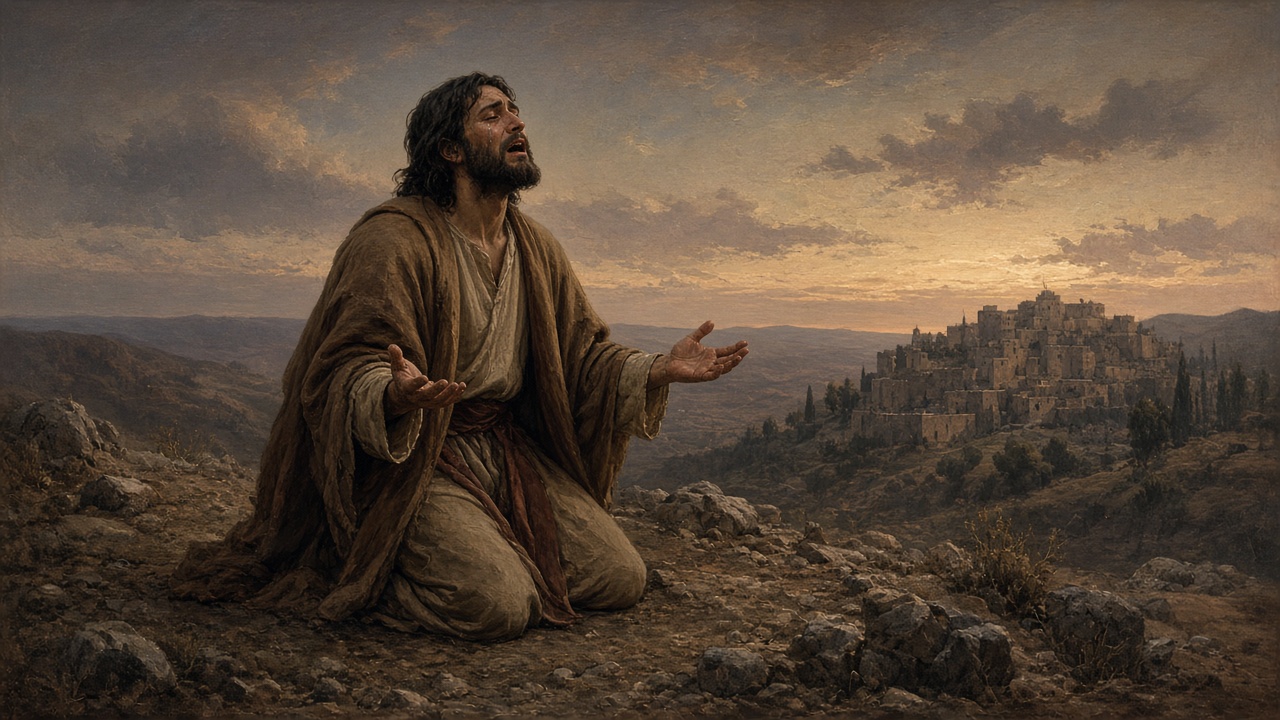
- Hebrews 5 presents Aaron as the pattern of a high priest who does not take the honor upon himself but is called by God. Aaron, eldest son of Amram and Jochebed, was born in Egypt three years before his brother Moses. When the time drew near for Israel’s deliverance from Egypt, God sent him to meet his long-absent brother so that they might work together toward the Exodus.Sources: the Bible text itself · Aaron
- Melchizedek, whose name Easton's Bible Dictionary (1897) explains as “king of righteousness,” was king of Salem. All that the Old Testament records of him is in Genesis 14:18–20, and he is mentioned only once more, in Psalm 110:4. Hebrews 5 applies to Christ the words “You are a priest forever in the order of Melchizedek,” and the same dictionary says that Hebrews 7 sets out the significance of his story in detail and presents his priesthood as superior to Aaron’s, noting that Abraham paid him tithes and that Melchizedek blessed Abraham.Sources: the Bible text itself · Melchisedec
Notes written with AI assistance from open sources (Theographic Bible Metadata, CC BY-SA 4.0; Easton’s Bible Dictionary, public domain) and reviewed before publishing.
Credits and license for this translation
Kameethari Ñaantsi: ikenkitha-takoitziri awinkatharite Jesucristo; Owakerari aapatziya-wakagaantsi
New Testament in Ashéninka, Ucayali-yurúa (PE:cpb:Ashéninka, Ucayali-yurúa)
copyright © 2000 Wycliffe Bible Translators, Inc.
Language: Ashéninka, Ucayali-yurúa
Translation by: Wycliffe Bible Translators, Inc.
Ashéninka, Ucayali-yurúa [cpb], Peru
Copyright Information
© 2000, Wycliffe Bible Translators, Inc. All rights reserved.
This translation text is made available to you under the
terms of the Creative Commons License: Attribution-Noncommercial-No Derivative Works.
( http://creativecommons.org/licenses/by-nc-nd/3.0/ )
In addition, you have permission to port the text to different file formats, as long as you
do not change any of the text or punctuation of the Bible.
You may share, copy, distribute, transmit, and extract portions
or quotations from this work, provided that you include the above copyright
information:
You must give Attribution to the work.
You do not sell this work for a profit.
You do not make any derivative works that change any of the actual words or punctuation of the Scriptures.
Permissions beyond the scope of this license may be
available if you contact
us with your request.
The New Testament
in Ashéninka, Ucayali-yurúa
© 2000, Wycliffe Bible Translators, Inc. All rights reserved.
This translation is made available to you under the terms of the
Creative Commons Attribution-Noncommercial-No Derivatives license 4.0.
You may share and redistribute this Bible translation or extracts from it in any format, provided that:
You include the above copyright and source information.
You do not sell this work for a profit.
You do not change any of the words or punctuation of the Scriptures.
Pictures included with Scriptures and other documents on this site are licensed just for use with those Scriptures and documents.
For other uses, please contact the respective copyright owners.
2014-04-21
Source: http://ebible.org/cpbNT/ · eBible.org