1 Corinthians 10
Kameethari Ñaantsi: ikenkitha-takoitziri awinkatharite Jesucristo; Owakerari aapatziya-wakagaantsi · Tap a verse to see its cross-references.
Ikaminaawentaitantziro okaatzi ipinkathatashiyeetari
1Iyekiite, eero apeyakotziro iñaayetakeri acharineete. Iroowa ipampithatakeri menkori janta ochempiki. Rimontyaakawo inkaare rowiryaataitapaintziri. 2Ari roñaagantakero rawentaashiretari Moisés-ni, ipampithatakero menkori, rimontyaakawo inkaare. 3Rowaiyakawoni eejatzi acharineete okaatzi ritasonkawentakeri. 4Riraiyakeroni ñaa ritasonkawentaitakeri shitowaatzimotakeriri shirantaaki. Tema iriitake Cristo tsipashiretakariri, iri oñaagakeriri ñaa shirantaaki. Iri Cristo oshiyakawori shirantaa eejatzi. 5Iro kantacha, osheki ikaataiyini kaari inimoterine Pawa, irootake ikamagaantantakari ochempiki.
6Okaatzi awisaintsiri, eenitatsi oshiyakaawentakairi, eero oshiyantari iriroripaini, añaamayetyaawo antero kaariperori. 7Te okameethatzi antsipatyaari itsipapaini thaamentariri oshiyakaawontsi. Tema iro rantayetakeri acharineeteni pairani, jiroka ikenkithatakoitakeriri:
Saikaiyakeni atziri, rowawaitaiyani, rirawaitaiyini.
Ari ikatziyaiyanakani ithaamentawaitaiyani.
8Te onkameethate eejatzi antayetero koweenkatatsiri. Iro rantayetakeri acharineete, iroowa iñaantakawori ikamagaantake apaani kiteesheri ikaatzi 23,000 atziri. 9Te okameethatzi eejatzi owatsimairi Pawa. Iro rantakeri pairani acharineete, iroowa iñaantakawori ratsikayetakeri maanke. 10Te okameethatzi eejatzi añaawaipookite. Iro rantayetakeri pairani acharineete, iroowa iñaantakawori raperaatakeri iitaitziri “Thonkaatantaneri”. 11Maawoini jirokapaini awisaintsiri, irootake roshiyakaawentaitakairi, rosankenatakoitakero ayotantaawori iroñaaka aakapaini, tema asaikantatyaawo ithonkimataawowa kipatsi. 12Paamaawentaiya eerokapaini. Eero pikantawaitzi, “Eero nimatziro naaka jiroka,” omapokimikari pantanakero eeroka. 13Iro kantacha piñaakerorika piñaamashirewaityaawo, pinkenkithashiretya tera apaniroini pikanta eeroka rimatakero itsipapaini atziri roitsinampaakero. Kempoyaa rowakai Pawa, eero rishinetzimi iñaamashireperotakaitemiro kaari poitsinampairi. Arika piñaamashirewaitya, iriitake Pawa oñaayemirone tsika pinkantya poitsinampaantyaawori, oshiyawaitanakyaawo pishiyapithatatyeerome.
14Netakotane, piñeeririka itsipapaini ipinkathawaitziro oshiyakaawontsi, poshiyakayero pishiyapithatatyeerome. 15Tzimatsi iroñaaka nonkantayetemiri, noshiyakaatyeemi yotaneri pinatyeeme nonkamantemiro. Pinkenkithashiretakotero. 16Tema apatotapiintaiyani irawaitaiyini, akenkithashiretakotziro ramanamanaatakotari pairani Cristo, riraiyakeroni riyotaanewo, ¿Kaarima jiroka withaawakagaantsi, apiyoyetaga oimoshirenkiri Cristo ikapathainkawentakaira? Arika apatotaiyaani akiyootawakaya, ¿Kaarima jiroka withaawakagaantsi, oimoshirenkiro iwatha Cristo, akenkithashiretakotziro ikamawentayetakaira? 17Arika owayetakyaawo, intzimawetya osheki atsipatari apiyotaiyani, maawoini owaiyakawoni riwetsikaitakeri apapathawoini. Ari akantayetaari aakapaini, oshiyakawo apapathatatsiri. 18Ari ikantayetari eejatzi nosheninkapaini Israel-iite, riwithaawakaayeta eejatzi iriroripaini, ritaayetainiri rashitakaariri Pawa janta taapokimentotsiki. 19Irootake oshiyawori rantapiintziri itsipasatzi atziripaini ritaayetziniri iwawanewaitashitari. ¿Poshiyakaatzi nokantatzi añaatsi iwawanewaitashitakari? 20¡Te! Iro kantzimaitacha eenitatsi peyari amawenawaitachari, iri roshiyakairi iwawane, iriitake rashitakaapiintakari rowanawo. Kaari Pawa rashitakaiya rowanawo. Iro kaari nokowakaayetzimi eerokapaini pintsipatyaari powayetaiyaawo rashitakaitariri peyariite, piwithagaarikari iriroripaini. 21Pirakerorika rashitakaitariri peyari, te okameethatzi pirawaitashityaawo arapiintziri oshiretakotari Awinkatharite. Powakaworika rashitakagaitariri peyari, te okameethatzi eejatzi powashiwaityaawo owapiintari oshiretakotari Awinkatharite 22¿Akowatziima owatsimairi Awinkatharite? ¿Anairima irirori otzimi ishintsinka?
¿Notzikashiretairima pinkathatairiri Pawa?
23Jiroka ikantaitzi: “Ishinetaantsitzi nantayetero oitarika.” Iro kantacha te opantawo maawoini rantaitero. Imaperowetatya ishinetaantsiweta antayetero oitarika. Iro kantacha eenitatsi oita antayetziri kaari ominthashiretakayaarine itsipapaini rantayetairo kameethatatsiri. 24Te okameethatzi ankenkithashiretakowaityaawo akowayetziri aakapaini, iro kameethatatsiri añaashintsiwentaiyaawo kameethatzimotziriri itsipapaini. 25Arika pinkowimate pamanante wathatsi, eero posampikowentziri, pinkante: “¿Ipoñaatyaawoma jirika wathatsi ritagaitzirira oshiyakaawontsi?” te ari onkene, pamanantatyeeri, poyaari. 26Tema iri Awinkatharite, ashitari ikaatzi tzimayetatsiri kipatsiki. 27Ari okantzitari, arika inkaimemi pakiyooteri kaari kemisantatsine, pakiyooteri pikowirika. Eero posampitantzi pinkante: “¿Ipoñaatyaawoma jirika wathatsi ritagaitzinirira oshiyakaawontsi?” Poyaari. 28Irooma eenitatsirika kamantemine, inkantemi: “Jirika wathatsi ipoñaawo tsika ritagaitziniri oshiyakaawontsi,” eero powari. Iroowa pantantakawori jiroka pikenkithashiretakotanakari kamantakemiri, pikenkithashiretanaka eejatzi kantacha rowaariperoshiretante. 29Tema nokantakemira: “kantacha rowaariperoshiretante,” te iro nonkantakote rowaariperoshiretemi eeroka, iri nokantakotzi kamantakemiri, kantacha rowaariperoshireteri irirori. Aamaaka arika posampitakena naaka, pinkantena: “¿Oitaka nitzitantawaityaariri ikenkithashiretakomatsitana itsipa atziri? 30Tema niwetharyaawentari Pawa noñaayetziro nowanawo, ¿oitaka nonkenkithashiretakotantyaawori onkaate inkiñaanewentakoitenari?”
31Jirokaga nonkantemiri: Arika powawaitya, pinkantashirete: “Eenitatsirika ñeenane nowawaitya, ¿notzikashirewaitzirima eero ipinkathatantaari Pawa?” Ari pinkantzityaawo pirawaiterika, eejatzi pantayetairorika oitarika. 32Ontzimatye paamaawentaiya eero poitzipinaashiretantari Judá-itetatsiri, kaari Judá-itetatsine, pitsipatapiintari pipiyowentari Pawa, maawoini. 33Iroowa nantairi naaka, nopankenatawo ninimotakaantyaariri atziripaini okaatzira nantziri. Te apatziro nantero kameethatzimotanari naaka, nantzitawo kameethatzimotziriri itsipapaini, ompoñaantaiyaari rawisakoshiretai.
Did you know?
Wilderness Warnings and the Lord's Table
- Paul says he does not want the Corinthians unaware that the forefathers were all under the cloud and all passed through the sea, and that they were baptized into Moses in the cloud and in the sea. They all ate the same spiritual food and drank the same spiritual drink from the spiritual rock that accompanied them, and he says that rock was Christ.Sources: the Bible text itself
- Paul says God was not pleased with most of them, for they were struck down in the wilderness. He lists idolatry, sexual immorality in which twenty-three thousand died in one day, testing Christ, which brought death by snakes, and complaining, punished by the destroying angel, and calls these events examples written down as warnings.Sources: the Bible text itself
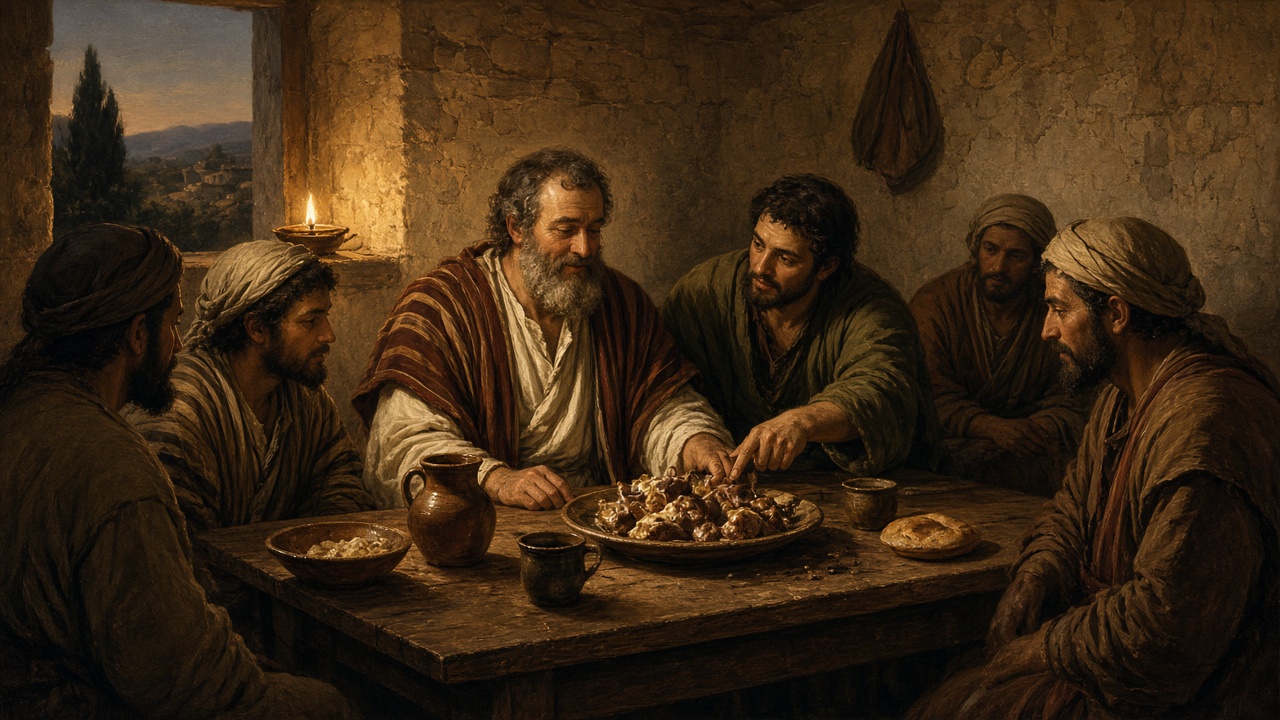
- He calls the cup of blessing and the bread that is broken a participation in the blood and body of Christ, and says pagan sacrifices are offered to demons, not to God, so the two tables cannot be shared. Food sold in the meat market may be eaten without raising questions of conscience, for "The earth is the Lord's, and the fullness thereof," but if someone says it was offered to idols, it should be refused for that person's conscience.Sources: the Bible text itself
Notes written with AI assistance from open sources (Theographic Bible Metadata, CC BY-SA 4.0; Easton’s Bible Dictionary, public domain) and reviewed before publishing.
Credits and license for this translation
Kameethari Ñaantsi: ikenkitha-takoitziri awinkatharite Jesucristo; Owakerari aapatziya-wakagaantsi
New Testament in Ashéninka, Ucayali-yurúa (PE:cpb:Ashéninka, Ucayali-yurúa)
copyright © 2000 Wycliffe Bible Translators, Inc.
Language: Ashéninka, Ucayali-yurúa
Translation by: Wycliffe Bible Translators, Inc.
Ashéninka, Ucayali-yurúa [cpb], Peru
Copyright Information
© 2000, Wycliffe Bible Translators, Inc. All rights reserved.
This translation text is made available to you under the
terms of the Creative Commons License: Attribution-Noncommercial-No Derivative Works.
( http://creativecommons.org/licenses/by-nc-nd/3.0/ )
In addition, you have permission to port the text to different file formats, as long as you
do not change any of the text or punctuation of the Bible.
You may share, copy, distribute, transmit, and extract portions
or quotations from this work, provided that you include the above copyright
information:
You must give Attribution to the work.
You do not sell this work for a profit.
You do not make any derivative works that change any of the actual words or punctuation of the Scriptures.
Permissions beyond the scope of this license may be
available if you contact
us with your request.
The New Testament
in Ashéninka, Ucayali-yurúa
© 2000, Wycliffe Bible Translators, Inc. All rights reserved.
This translation is made available to you under the terms of the
Creative Commons Attribution-Noncommercial-No Derivatives license 4.0.
You may share and redistribute this Bible translation or extracts from it in any format, provided that:
You include the above copyright and source information.
You do not sell this work for a profit.
You do not change any of the words or punctuation of the Scriptures.
Pictures included with Scriptures and other documents on this site are licensed just for use with those Scriptures and documents.
For other uses, please contact the respective copyright owners.
2014-04-21
Source: http://ebible.org/cpbNT/ · eBible.org