Revelation 6
Sahidica - طبعة جديدة من العهد الجديد باللغة القبطية الصعيدية · Tap a verse to see its cross-references.
1ⲀⲨⲰ ⲀⲚⲀⲨ ⲚⲦⲈⲢⲈϤⲞⲨⲰⲚ ⲚϬⲒ ⲠⲈϨⲒ ⲈⲒⲂ ⲚⲞⲨⲈⲒⲈ ⲚⲚⲈⲤⲪⲢⲀⲄⲒⲤ ⲀⲒⲤⲰⲦⲘ ⲈⲞⲨⲀ ⲘⲠⲈϤⲦⲞⲞⲨ ⲚⲌⲰⲞⲚ ⲚⲐⲈ ⲚⲞⲨⲤⲘⲎ ⲚϨⲢⲞⲨⲘⲠⲈ ⲈϤϪⲰ ⲘⲘⲞⲤ ϪⲈ ⲀⲘⲞⲨ. 2ⲀⲚⲀⲨ ⲀⲨⲰ ⲈⲒⲤ ⲞⲨϨⲦⲞ ⲈϤⲞⲨⲞⲂϢ ⲈⲢⲈ ⲞⲨⲠⲒⲦⲈ ⲚⲦⲞⲞⲦϤ ⲘⲠⲈⲦⲦⲀⲖⲎⲨ ⲈⲢⲞϤ ⲀⲨⲰ ⲀⲨϮ ⲚⲀϤ ⲚⲞⲨⲔⲖⲞⲘ ⲀϤⲈⲒ ⲈⲂⲞⲖ ⲈϤϪⲢⲀⲈⲒⲦ ⲀⲨⲰ ⲀϤϪⲢⲞ. 3ⲚⲦⲈⲢϤⲞⲨⲰⲚ ⲆⲈ ⲚⲦⲘⲈϨⲤⲚⲦⲈ ⲚⲤⲪⲢⲀⲄⲒⲤ ⲀⲒⲤⲰⲦⲘ ⲈⲠⲘⲈϨⲤⲚⲀⲨ ⲚⲌⲰⲞⲚ ⲈϤϪⲰ ⲘⲘⲞⲤ ϪⲈ ⲀⲘⲞⲨ. 4ⲀⲨⲰ ⲀϤⲈⲒ ⲈⲂⲞⲖ ⲚϬⲒ ⲞⲨϨⲦⲞ ⲈϤⲦⲢⲈϢⲢⲰϢ ⲀⲨⲰ ⲠⲈⲦⲦⲀⲖⲎⲨ ⲈⲢⲞϤ ⲀⲨϮ ⲚⲀϤ ⲈⲦⲢⲈϤϤⲒ ⲚϮⲢⲎⲚⲎ ⲈⲂⲞⲖ ϨⲒ ϪⲘⲠⲔⲀϨ ϪⲈⲔⲀⲀⲤ ⲈⲨⲈϨⲰⲦⲂ ⲚⲚⲈⲨⲈⲢⲎⲨ ⲀⲨⲰ ⲀⲨϮ ⲚⲀϤ ⲚⲞⲨⲚⲞϬ ⲚⲤⲎϤⲈ. 5ⲚⲦⲈⲢⲈϤⲞⲨⲰⲚ ⲆⲈ ⲚⲦⲘⲈϨϢⲞⲘⲦⲈ ⲚⲤⲪⲢⲀⲄⲒⲤ ⲀⲒⲤⲰⲦⲘ ⲈⲠⲘⲈϨϢⲞⲘⲚⲦ ⲚⲌⲰⲞⲚ ⲈϤϪⲰ ⲘⲘⲞⲤ ϪⲈ ⲀⲘⲞⲨ. ⲀⲨⲰ ⲈⲒⲤ ⲞⲨϨⲦⲞ ⲚⲔⲀⲘⲎ ⲀⲨⲰ ⲠⲈⲦⲦⲀⲖⲎⲨ ⲈⲢⲞϤ ⲈⲞⲨⲚⲞⲨⲘⲀϢⲈ ϨⲚ ⲦⲈϤϬⲒϪ. 6ⲀⲒⲤⲰⲦⲘ ⲈⲨⲤⲘⲎ ⲚⲦⲘⲎⲎⲦⲈ ⲘⲠⲈϤⲦⲞⲞⲨ ⲚⲌⲰⲞⲚ ϪⲈ ⲞⲨϬⲀⲠⲒϪⲈ ⲚⲤⲞⲨⲞ ϨⲀ ⲞⲨⲤⲀⲦⲈⲈⲢⲈ ⲀⲨⲰ ϢⲞⲘⲦⲈ ⲚϬⲀⲠⲒϪⲈ ⲚⲈⲒⲰⲦ ϨⲀ ⲞⲨⲤⲀⲦⲈⲈⲢⲈ ⲠⲚⲈϨ ⲆⲈ ⲚⲦⲞϤ ⲘⲚ ⲠⲎⲢⲠ ⲘⲠⲢⲦⲀⲔⲞⲞⲨ. 7ⲚⲦⲈⲢⲈϤⲞⲨⲰⲚ ⲆⲈ ⲚⲦⲘⲈϨϤⲦⲞⲈ ⲚⲤⲪⲢⲀⲄⲒⲤ ⲀⲒⲤⲰⲦⲘ ⲈⲦⲈⲤⲘⲎ ⲘⲠⲘⲈϨ ϤⲦⲞⲞⲨ ⲚⲌⲰⲞⲚ ⲈⲤϪⲰ ⲘⲘⲞⲤ ϪⲈ ⲀⲘⲞⲨ. 8ⲀⲨⲰ ⲈⲒⲤ ⲞⲨϨⲦⲞ ⲈϤⲞⲨⲈⲦⲰⲦ ⲀⲨⲰ ⲠⲈⲦⲦⲀⲖⲈ ⲈⲢⲞϤ ⲈⲠⲈϤⲢⲀⲚ ⲠⲈ ⲠⲘⲞⲨ ⲈⲢⲈ ⲀⲘⲚⲦⲈ ⲞⲨⲎϨ ⲚⲤⲰϤ ⲀⲨϮ ⲚⲀϤ ⲚⲞⲨⲈⲜⲞⲨⲤⲒⲀ ⲈϪⲘ ⲠⲞⲨ ⲚϤⲦⲞⲞⲨ ⲘⲠⲔⲀϨ ⲈⲘⲞⲞⲨⲦⲞⲨ ϨⲚ ⲦⲤⲎϤⲈ ⲘⲚ ⲠϨⲈⲂⲰⲰⲚ ⲘⲚ ⲠⲘⲞⲨ ⲘⲚ ⲚⲈⲐⲨⲢⲒⲞⲚ ⲘⲠⲔⲀϨ. 9ⲚⲦⲈⲢⲈϤⲞⲨⲰⲚ ⲆⲈ ⲚⲦⲘⲈϨ ϮⲈⲚⲤⲪⲢⲀⲄⲒⲤ ⲀⲚⲀⲨ ϨⲀ ⲠⲈⲤⲎⲦ ⲘⲠⲈⲐⲨⲤⲒⲀⲤⲦⲎⲢⲒⲞⲚ ⲈⲚⲈⲮⲨⲬⲞⲞⲨⲈ ⲚⲈⲚⲢⲰⲘⲈ ⲚⲦⲀⲨϨⲞⲦⲂⲞⲨ ⲈⲦⲂⲈ ⲠϢⲀϪⲈ ⲘⲠⲚⲞⲨⲦⲈ ⲘⲚ ⲦⲘⲚⲦⲘⲚⲦⲢⲈ ⲈⲦⲈⲞⲨⲚⲦⲀⲨⲤ. 10ⲀⲨⲰ ⲀⲨⲀϢⲔⲀⲔ ⲈⲂⲞⲖ ϨⲚ ⲞⲨⲚⲞϬ ⲚⲤⲘⲎ ⲈⲨϪⲰ ⲘⲘⲞⲤ ϪⲈ ϢⲀⲚⲦⲈⲞⲨ ϢⲰⲠⲈ ⲠϪⲞⲈⲒⲤ ⲠⲈⲦⲞⲨⲀⲀⲂ ⲘⲘⲈ ⲈⲚⲄⲔⲢⲒⲚⲈ ⲀⲚ ⲀⲨⲰ ⲚⲄϪⲒ ⲀⲚ ⲘⲠⲈⲔⲂⲀ ⲘⲠⲈⲚⲤⲚⲞϤ ⲈⲂⲞⲖ ϨⲚ ⲚⲈⲦⲞⲨⲎⲎϨ ϨⲒϪⲘ ⲠⲔⲀϨ. 11ⲀⲨⲰ ⲀⲨϮ ⲚⲀⲨ ⲠⲞⲨⲀ ⲠⲞⲨⲀ ⲚⲞⲨⲤⲦⲞⲖⲎ ⲚⲞⲨⲰⲂϢ ⲀⲨⲰ ⲀⲨϪⲞⲞⲤ ⲚⲀⲨ ϪⲈⲔⲀⲀⲤ ⲈⲨⲈⲘⲦⲞⲚ ⲘⲘⲞⲞⲨ ⲚⲔⲈⲔⲞⲨⲒ ⲚⲞⲨⲞⲈⲒϢ ϢⲀⲚⲦⲞⲨϪⲰⲔ ⲈⲂⲞⲖ ⲚϬⲒ ⲚⲈⲨⲔⲈⲤⲚⲎⲨ ⲚⲈⲨϢⲂⲎⲢϨⲘϨⲀⲖ ⲚⲀⲒ ⲈⲦⲞⲨⲚⲀⲘⲞⲞⲨⲦⲞⲨ ϨⲰⲞⲨ ⲚⲦⲈⲨϨⲈ. 12ⲀⲨⲰ ⲀⲚⲀⲨ ⲚⲦⲈⲢⲈϤⲞⲨⲰⲚ ⲚⲦⲘⲈϨⲤⲞⲈ ⲚⲤⲪⲢⲀⲄⲒⲤ ⲀⲨⲚⲞϬ ⲚⲔⲦⲞ ϢⲰⲠⲈ ⲠⲢⲎ ⲀϤϬⲘⲞⲘ ⲚⲐⲈ ⲚⲞⲨϬⲞⲞⲨⲚⲈ ⲀⲨⲰ ⲠⲞⲞϨ ⲀϤⲢⲤⲚⲞϤ 13ⲚⲤⲒⲞⲨ ⲚⲦⲠⲈ ⲀⲨϨⲈ ⲈϨⲢⲀⲒ ⲈϪⲘ ⲠⲔⲀϨ ⲚⲐⲈ ⲚⲞⲨⲂⲰ ⲚⲔⲚⲦⲈ ⲈⲤⲚⲞⲨϪⲈ ⲈⲂⲞⲖ ⲚⲚⲈⲤϬⲰⲰⲂⲈ ⲈⲢⲈⲞⲨⲚⲞϬ ⲚⲦⲎⲨ ⲔⲒⲘ ⲈⲢⲞⲤ 14ⲦⲠⲈ ⲀⲤϬⲰⲖ ⲚⲐⲈ ⲚⲞⲨϪⲰⲰⲘⲈ ⲈϤϬⲎⲖ ⲦⲞⲞⲨ ⲚⲒⲘ ϨⲒⲚⲎⲤⲞⲤ ⲚⲒⲘ ⲀⲨⲔⲒⲘ ⲈⲂⲞⲖ ϨⲚ ⲚⲈⲨⲘⲀ. 15ⲀⲨⲰ ⲚⲢⲢⲰⲞⲨ ⲘⲠⲔⲀϨ ⲘⲚ ⲚⲚⲞϬ ⲘⲚ ⲚⲬⲒⲖⲒⲀⲢⲬⲞⲤ ⲘⲚ ⲚⲢⲘⲘⲀⲞ ⲘⲚ ⲚϪⲰⲰⲢⲈ ⲀⲨⲰ ϨⲘϨⲀⲖ ⲚⲒⲘ ϨⲒⲢⲘϨⲈ ⲀⲨϨⲞⲠⲞⲨ ϨⲚ ⲚⲈⲤⲠⲨⲖⲀⲒⲞⲚ ⲘⲚ ⲚⲤⲒⲂⲦ ⲚⲈⲚⲦⲞⲨⲈⲒⲎ ⲈⲨϪⲰ ⲘⲘⲞⲤ 16ⲚⲈⲚⲦⲞⲞⲨ ⲘⲚ ⲚⲤⲒⲂⲦ ϪⲈ ϨⲈ ⲈϨⲢⲀⲒ ⲈϪⲰⲚ ⲚⲦⲈⲦⲚ ϨⲞⲠⲚ ⲘⲠⲘⲦⲞ ⲈⲂⲞⲖ ⲘⲠⲈⲦϨⲘⲞⲞⲤ ϨⲒ ⲠⲈⲐⲢⲞⲚⲞⲤ ⲀⲨⲰ ⲈⲂⲞⲖ ϨⲚ ⲦⲞⲢⲄⲎ ⲘⲠⲈϨⲒⲈⲒⲂ 17ϪⲈ ⲀϤⲈⲒ ⲚϬⲒ ⲠⲚⲞϬ ⲚϨⲞⲞⲨ ⲚⲦⲈϤⲞⲢⲄⲎ ⲚⲒⲘ ⲠⲈⲦⲚⲀϢⲀϨⲈⲢⲀⲦϤ.
Did you know?
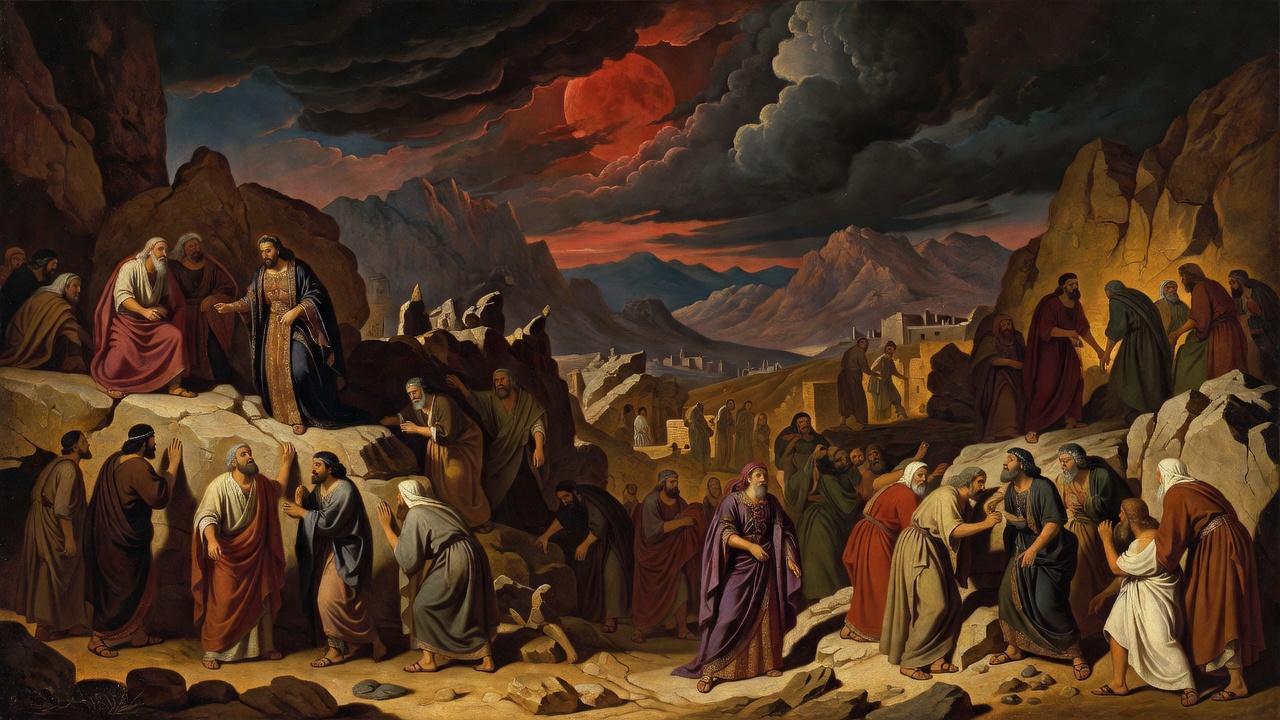
The Opening of the Six Seals
- The first four seals reveal four riders on white, bright red, black, and pale green horses, summoned one by one by the four living creatures. Each horseman brings a distinct affliction across the earth, ranging from conquest and the loss of peace to widespread famine, plague, and death.Sources: the Bible text itself
- The third horseman holds a pair of scales, accompanied by a proclamation setting the price of a quart of wheat or three quarts of barley at a denarius, reflecting severe inflation and food rationing while oil and wine are preserved.Sources: the Bible text itself
- When the fifth and sixth seals are opened, the focus shifts to the souls of slain believers waiting under the altar, followed by immense cosmic and earthly upheavals that lead people of every social station to hide in mountain caves.Sources: the Bible text itself
Notes written with AI assistance from open sources (Theographic Bible Metadata, CC BY-SA 4.0; Easton’s Bible Dictionary, public domain) and reviewed before publishing.
Credits and license for this translation
Sahidica - طبعة جديدة من العهد الجديد باللغة القبطية الصعيدية
Sahidica - A New Edition of the New Testament in Sahidic Coptic
copyright © 2000-2006 J Warren Wells
Language: ⲘⲉⲧⲢⲉⲙ̀ⲛⲭⲏⲙⲓ (Coptic)
Dialect: Sahidic
Translation by: J Warren Wells
Coptic: Sahidic NT "Sahidica - A New Edition of the New Testament in Sahidic Coptic"
Copyright (c)2000-2006 by J Warren Wells. All rights reserved.
For more information visit www.sahidica.org .
This edition is available free of charge for use in free electronic
editions of the New Testament as long as the full title and copyright
information are included and credited. For written permission to use
all or any part of this document in print editions, contact the editor
at www.sahidica.org .
This edition is primarily meant for use by teachers and students of
Sahidic Coptic, and to a lesser degree by Coptologists involved in
scholarly research, textual criticism, or New Testament translation.
PURPOSE
Please note: This text is a work in progress. As such, there
is an ongoing effort to standardize the spelling of words in
the text. Be aware that version updates periodically appear.
The primary purpose is to produce a standardized edition of
the Sahidic NT similar to standard Greek editions.
An additional purpose of this text is to allow side-by-side
comparison with the Greek New Testament. To facilitate this
effort, a new version of the Greek text has been developed,
which is meant to better represent the Greek text upon which
the Sahidic was based. This text is entitled "The New Testament
According to the Egyptian Greek Text" [NTAEG]
This text does not include representation of either accents or
supralinear strokes, since these are used inconsistently in the
original texts. There is also a higher degree of standardization
in spelling and punctuation; like today's standard Greek master
texts, but unlike both the original Sahidic texts, and the PHI
and Coptic Society texts. Moreover, as in standard Greek texts,
instances of the Nomina Sacra have been expanded to their full
forms. This is again a departure from earlier versions of the
Sahidic, including the PHI and Coptic Society texts, which are
Both inconsistent in their usage.
Special thanks to David Brakke of Indiana University Bloomington,
Brigitte Comparini of the Packard Humanities Institute, and
Michael Heiser, Academic Editor, at Logos Research Systems; for
their assistance in making this edition possible.
BASIS
Sahidica was initially based (by permission) on the Coptic New Testament,
which is an electronic publication, which was edited by David Brakke.
(PHI-CD 5.3 dated 7/2/91. Los Altos. Packard Humanities Institute. 1991).
During later development, Sahidica was electronically collated against
the Coptic CD I by the St. Shenouda The Archmandrite Coptic Society.
Los Angeles, CA dated April, 1998.
These two editions were reduced to a raw electronic form, which allowed both
to be compared electronically letter by letter with Sahidica in order to
accurately detect and report every single variation and input error in any
of the texts. Though errors are inevitable, the collators of three seperate
editions are highly unlikely to make the same errors. Therefore, this method
helps to insure the integrity of the Sahidica edition.
Throughout the project, Sahidica was also collated against printed editions
of the following coptic manuscripts, which manuscripts date from the third
century and later.
Matt: Pierpont Morgan Library M-569 collated against Bodmer XIX papyrus
Mark:* PPalau Rib. Inv.Nr.182 collated against Pierpont Morgan Library M-569
Luke: PPalau Rib. Inv.Nr.181 collated against Pierpont Morgan Library M-569
John: PPalau Rib. Inv.Nr.183 collated against Pierpont Morgan Library M-569
Acts: Chester Beatty B (Copt.Ms.814) collated against Berlin P.15926 and British Museum MS Or.7594
Paul: Chester Beatty A (Copt.Ms.813) collated against Pierpont Morgan Library M-570 and M-571
James-Jude:** Pierpont Morgan Library M-572 collated against the Pierpont Morgan Library M-573 and M-601***
Revelation: Berlin MS Or.408 ( British Museum Ms Or.3518) collated against British Museum MS Or.6803
* Note: The longer and shorter endings of Mark are based on Horner; cf Kahle (JTS.1951.p49-57)
** Note: 1st Peter was also collated against the Crosby-Schøyen Ms.193.
*** Note: Portions of James and Jude were reconstructed from M-573, M-601, and four other mss.
Note on Interpolations
The short and long endings of Mark are ommited from the PPalau ms 182, but they do appear in most mss.
To better represent the overall Sahidic tradition, both endings are included, but in double brackets.
The pericope of the adultress (John 7:53-8:11) does not appear in any Sahidic ms. Herein it is omitted.
2014-09-16
Source: http://ebible.org/copshc/ · eBible.org