Matthew 8
Sahidica - طبعة جديدة من العهد الجديد باللغة القبطية الصعيدية · Tap a verse to see its cross-references.
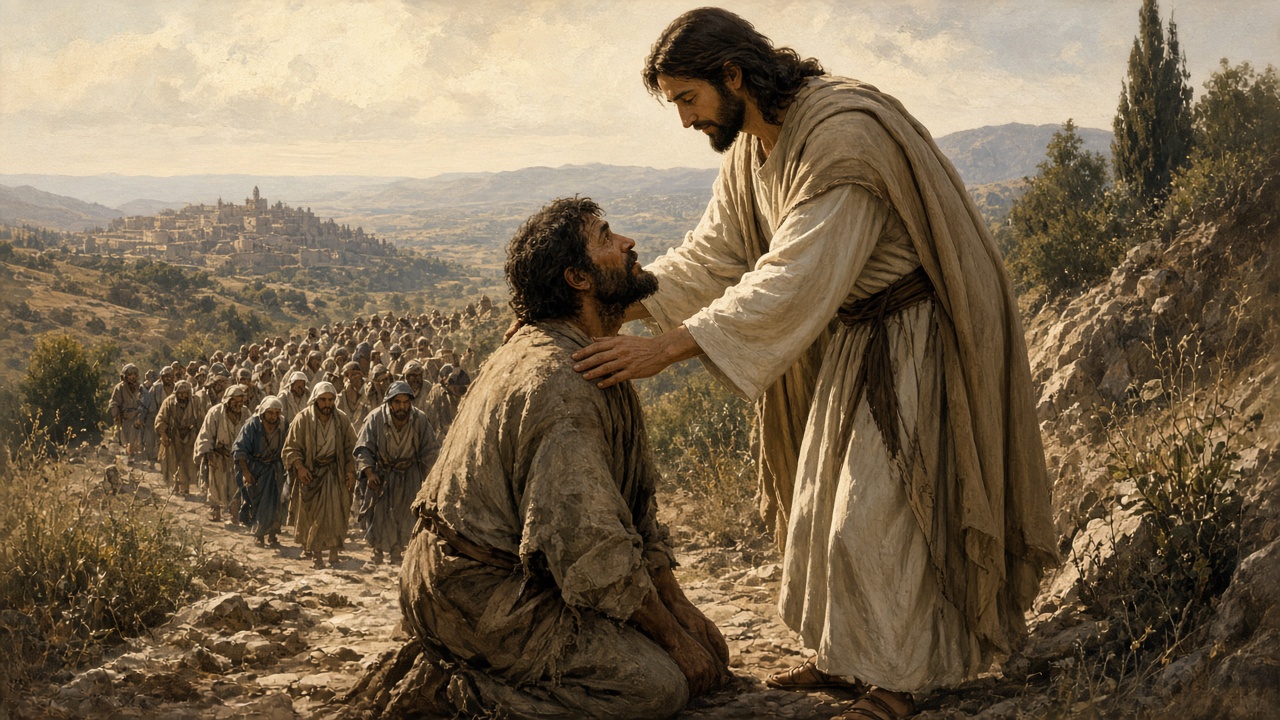
1ⲈϤⲚⲎⲨ ⲆⲈ ⲈⲠⲈⲤⲎⲦ ϨⲒⲠⲦⲞⲞⲨ ⲀⲨⲞⲨⲀϨⲞⲨ ⲚⲤⲰϤ ⲚϬⲒ ϨⲈⲚⲘⲎⲎϢⲈ ⲈⲚⲀϢⲰⲞⲨ. 2ⲀⲨⲰ ⲈⲒⲤ ϨⲎⲎⲦⲈ ⲈⲒⲤⲞⲨⲀ ⲈϤⲤⲞⲂϨ ⲀϤϮⲠⲈϤⲞⲨⲞⲒ ⲈⲢⲞϤ ⲀϤⲞⲨⲰϢⲦ ⲚⲀϤ ⲈϤϪⲰ ⲘⲘⲞⲤ ϪⲈ ⲠϪⲞⲈⲒⲤ ⲈⲔϢⲀⲚⲞⲨⲰϢ ⲞⲨⲚϢϬⲞⲘ ⲘⲘⲞⲔ ⲈⲦⲂⲂⲞⲒ. 3ⲀϤⲤⲞⲞⲨⲦⲚ ⲆⲈ ⲚⲦⲈϤϬⲒϪ ⲈⲂⲞⲖ ⲀϤϪⲰϨ ⲈⲢⲞϤ ⲈϤϪⲰ ⲘⲘⲞⲤ ϪⲈ ϮⲞⲨⲰϢ ⲦⲂⲂⲞ. ⲀⲨⲰ ⲚⲦⲈⲨⲚⲞⲨ ⲀϤⲦⲂⲂⲞ ⲚϬⲒ ⲠⲈϤⲤⲰⲂϨ. 4ⲠⲈϪⲀϤ ⲚⲀϤ ⲚϬⲒ ⲒⲎⲤⲞⲨⲤ ϪⲈ ϬⲰϢⲦ ⲘⲠⲢϪⲞⲞⲤ ⲈⲖⲀⲀⲨ. ⲀⲖⲖⲀ ⲂⲰⲔ ⲚⲄⲦⲞⲨⲞⲔ ⲈⲠⲞⲨⲎⲎⲂ. ⲚⲄⲦⲀⲖⲞ ⲈϨⲢⲀⲒ ⲘⲠⲈⲔⲆⲰⲢⲞⲚ ⲔⲀⲦⲀⲐⲈ ⲚⲦⲀϤⲞⲨⲈϨⲤⲀϨⲚⲈ ⲘⲘⲞⲤ ⲚϬⲒ ⲘⲰⲨⲤⲎⲤ ⲈⲨⲘⲚⲦⲘⲚⲦⲢⲈ ⲚⲀⲨ. 5ⲚⲦⲈⲢⲈϤⲂⲰⲔ ⲆⲈ ⲈϨⲞⲨⲚ ⲈⲔⲀⲪⲀⲢⲚⲀⲞⲨⲘ ⲀϤϮⲠⲈϤⲞⲨⲞⲒ ⲈⲢⲞϤ ⲚϬⲒ ⲞⲨϨⲈⲔⲀⲦⲞⲚⲦⲀⲢⲬⲞⲤ ⲈϤⲠⲀⲢⲀⲔⲀⲖⲈⲒ ⲘⲘⲞϤ 6ⲈϤϪⲰ ⲘⲘⲞⲤ ϪⲈ ⲠϪⲞⲈⲒⲤ ⲠⲀϢⲎⲢⲈ ⲚⲎϪ ϨⲢⲀⲒ ϨⲘ ⲠⲀⲎⲒ ⲈϤⲤⲎϬ. ⲀⲨⲰ ⲈϤⲂⲀⲤⲀⲚⲒⲌⲈ ⲈⲘⲀⲦⲈ. 7ⲠⲈϪⲀϤ ⲚⲀϤ ⲚϬⲒ ⲒⲎⲤⲞⲨⲤ ϪⲈ ⲀⲚⲞⲔ ϮⲚⲎⲨ ⲦⲀⲢⲠⲀϨⲢⲈ ⲈⲢⲞϤ. 8ⲀϤⲞⲨⲰϢⲂ ⲆⲈ ⲚϬⲒ ⲠϨⲈⲔⲀⲦⲞⲚⲦⲀⲢⲬⲞⲤ ⲈϤϪⲰ ⲘⲘⲞⲤ ϪⲈ ⲠϪⲞⲈⲒⲤ ⲚϮⲘⲠϢⲀ ⲀⲚ ϪⲈⲔⲀⲀⲤ ⲈⲔⲈⲈⲒ ⲈϨⲞⲨⲚ ϨⲀⲦⲀⲞⲨⲈϨⲤⲞⲒ. ⲀⲖⲖⲀ ⲀϪⲒⲤ ⲘⲘⲀⲦⲈ ϨⲘ ⲠϢⲀϪⲈ ⲀⲨⲰ ϤⲚⲀⲖⲞ. 9ⲔⲀⲒ ⲄⲀⲢ ⲀⲚⲞⲔ ⲀⲚⲄⲞⲨⲢⲰⲘⲈ ⲈⲒϢⲞⲞⲠ ϨⲀⲞⲨⲈⲜⲞⲨⲤⲒⲀ ⲈⲢⲈϨⲈⲚⲘⲀⲦⲞⲒ ϢⲞⲞⲠ ϨⲀⲢⲀⲦ ϢⲀⲒϪⲞⲞⲤ ⲘⲠⲀⲒ ϪⲈ ⲂⲰⲔ ⲀⲨⲰ ϢⲀϤⲂⲰⲔ ⲀⲨⲰ ⲔⲈⲞⲨⲀ ϪⲈ ⲀⲘⲞⲨ ⲀⲨⲰ ⲚϤⲈⲒ ⲀⲨⲰ ⲠⲀϨⲘϨⲀⲖ ϪⲈ ⲀⲢⲒⲠⲀⲒ ⲚϤⲀⲀϤ. 10ⲀϤⲤⲰⲦⲘ ⲆⲈ ⲚϬⲒ ⲒⲎⲤⲞⲨⲤ ⲀϤⲢϢⲠⲎⲢⲈ. ⲀⲨⲰ ⲠⲈϪⲀϤ ⲚⲚⲈⲦⲞⲨⲎϨ ⲚⲤⲰϤ. ϪⲈ ϨⲀⲘⲎⲚ ϮϪⲰ ⲘⲘⲞⲤ ⲚⲎⲦⲚ ϪⲈ ⲘⲠⲈⲒϨⲈ ⲈⲠⲒⲤⲦⲒⲤ ⲚⲦⲈⲒϬⲞⲦ ⲚⲦⲚⲖⲀⲀⲨ ϨⲘ ⲠⲒⲤⲢⲀⲎⲖ. 11ϮϪⲰ ⲆⲈ ⲘⲘⲞⲤ ⲚⲎⲦⲚ ϪⲈ ⲞⲨⲚϨⲀϨ ⲚⲎⲨ ⲈⲂⲞⲖ ϨⲚ ⲚⲈⲘⲀ ⲚϢⲀ ⲘⲚ ⲘⲘⲀⲚϨⲰⲦⲚ ⲚⲤⲈⲚⲞϪⲞⲨ ⲘⲚ ⲀⲂⲢⲀϨⲀⲘ ⲘⲚ ⲒⲤⲀⲀⲔ ⲘⲚ ⲒⲀⲔⲰⲂ ϨⲢⲀⲒ ϨⲚ ⲦⲘⲚⲦⲢⲢⲞ ⲚⲘⲠⲎⲨⲈ. 12ⲚϢⲎⲢⲈ ⲆⲈ ⲚⲦⲘⲚⲦⲢⲢⲞ ⲤⲈⲚⲀⲚⲞϪⲞⲨ ⲈⲂⲞⲖ ⲈⲠⲔⲀⲔⲈ ⲈⲦϨⲒⲂⲞⲖ. ⲈϤⲚⲀϢⲰⲠⲈ ⲘⲘⲀⲨ ⲚϬⲒ ⲠⲢⲒⲘⲈ ⲘⲚ ⲠϬⲀϨϬϨ ⲚⲚⲞⲂϨⲈ. 13ⲠⲈϪⲀϤ ⲚϬⲒ ⲒⲎⲤⲞⲨⲤ ⲘⲠϨⲈⲔⲀⲦⲞⲚⲦⲀⲢⲬⲞⲤ ϪⲈ ⲂⲰⲔ ⲚⲐⲈ ⲚⲦⲀⲔⲠⲒⲤⲦⲈⲨⲈ ⲘⲀⲢⲈⲤϢⲰⲠⲈ ⲚⲀⲔ. ⲀⲨⲰ ⲀϤⲖⲞ ⲚϬⲒ ⲠⲈϤϢⲎⲢⲈ ϪⲒⲚⲦⲈⲨⲚⲞⲨ ⲈⲦⲘⲘⲀⲨ. 14ⲀϤⲈⲒ ⲆⲈ ⲚϬⲒ ⲒⲎⲤⲞⲨⲤ ⲈϨⲢⲀⲒ ⲈⲠⲎⲒ ⲘⲠⲈⲦⲢⲞⲤ. ⲀϤⲚⲀⲨ ⲈⲦⲈϤϢⲰⲘⲈ ⲈⲤⲚⲎϪ ⲀⲨⲰ ⲈⲤϨⲎⲘ. 15ⲀϤϪⲰϨ ⲆⲈ ⲈⲦⲈⲤϬⲒϪ ⲀϤⲔⲀⲀⲤ ⲚϬⲒ ⲠⲈϨⲘⲞⲘ. ⲀⲤⲦⲰⲞⲨⲚ ⲀⲤⲆⲒⲀⲔⲞⲚⲈⲒ ⲚⲀϤ. 16ⲢⲞⲨϨⲈ ⲆⲈ ⲚⲦⲈⲢⲈϤϢⲰⲠⲈ ⲀⲨⲈⲒⲚⲈ ⲚⲀϤ ⲚϨⲀϨ ⲈⲨⲞ ⲚⲆⲀⲒⲘⲰⲚⲒⲞⲚ. ⲀϤⲚⲞⲨϪⲈ ⲈⲂⲞⲖ ⲚⲚⲈⲠⲚⲈⲨⲘⲀ ⲚⲀⲔⲀⲐⲀⲢⲦⲞⲚ ϨⲘ ⲠϢⲀϪⲈ. ⲀⲨⲰ ⲀϤⲢⲠⲀϨⲢⲈ ⲈⲞⲨⲞⲚ ⲚⲒⲘ ⲈⲦⲘⲞⲔϨ. 17ϪⲈⲔⲀⲀⲤ ⲈϤⲈϪⲰⲔ ⲈⲂⲞⲖ ⲚϬⲒ ⲠⲈⲚⲦⲀⲨϪⲞⲞϤ ϨⲒⲦⲚ ⲎⲤⲀⲒⲀⲤ ⲠⲈⲠⲢⲞⲪⲎⲦⲎⲤ ⲈϤϪⲰ ⲘⲘⲞⲤ ϪⲈ ⲚⲦⲞϤ ⲠⲈⲚⲦⲀϤϪⲒ ⲚⲚϢⲰⲚⲈ ⲀⲨⲰ ⲀϤⲦⲰⲞⲨⲚ ϨⲀⲚⲈⲚⲖⲞϪⲖⲈϪ. 18ⲚⲦⲈⲢⲈϤⲚⲀⲨ ⲆⲈ ⲚϬⲒ ⲒⲎⲤⲞⲨⲤ ⲈⲨⲘⲎⲎϢⲈ ⲘⲠⲈϤⲔⲰⲦⲈ ⲀϤⲞⲨⲈϨⲤⲀϨⲚⲈ ⲈⲂⲰⲔ ⲈⲠⲈⲒⲔⲢⲞ. 19ⲀϤϮⲠⲈϤⲞⲨⲞⲒ ⲈⲢⲞϤ ⲚϬⲒ ⲞⲨⲄⲢⲀⲘⲘⲀⲦⲈⲨⲤ ⲠⲈϪⲀϤ ⲚⲀϤ. ϪⲈ ⲠⲤⲀϨ ⲦⲀⲞⲨⲀϨⲦ ⲚⲤⲰⲔ ⲈⲠⲘⲀ ⲈⲦⲈⲔⲚⲀⲂⲰⲔ ⲈⲢⲞϤ. 20ⲠⲈϪⲀϤ ⲚⲀϤ ⲚϬⲒ ⲒⲎⲤⲞⲨⲤ ϪⲈ ⲚⲂⲀϢⲞⲢ ⲞⲨⲚⲦⲀⲨ ⲚⲈⲨⲂⲎⲂ. ⲀⲨⲰ ⲚϨⲀⲖⲀⲀⲦⲈ ⲚⲦⲠⲈ ⲞⲨⲚⲦⲀⲨ ⲚⲈⲨⲘⲀϨ. ⲠϢⲎⲢⲈ ⲆⲈ ⲘⲠⲢⲰⲘⲈ ⲘⲚⲦϤⲘⲀ ⲚⲢⲈⲔⲦⲦⲈϤⲀⲠⲈ. 21ⲔⲈⲞⲨⲀ ⲆⲈ ⲚⲘⲘⲀⲐⲎⲦⲎⲤ ⲠⲈϪⲀϤ ⲚⲀϤ. ϪⲈ ⲠϪⲞⲈⲒⲤ ⲞⲨⲈϨⲤⲀϨⲚⲈ ⲚⲀⲒ ⲚϢⲞⲢⲠ ⲦⲀⲂⲰⲔ ⲦⲀⲦⲰⲘⲤ ⲘⲠⲀⲈⲒⲰⲦ. 22ⲠⲈϪⲀϤ ⲆⲈ ⲚⲀϤ ⲚϬⲒ ⲒⲎⲤⲞⲨⲤ ϪⲈ ⲞⲨⲀϨⲔ ⲚⲤⲰⲒ ⲚⲄⲔⲰ ⲚⲚⲈⲦⲘⲞⲞⲨⲦ ⲈⲦⲰⲘⲤ ⲚⲚⲈⲨⲢⲈϤⲘⲞⲞⲨⲦ. 23ⲚⲦⲈⲢⲈϤⲀⲖⲈ ⲆⲈ ⲈⲠϪⲞⲒ ⲀⲨⲞⲨⲀϨⲞⲨ ⲚⲤⲰϤ ⲚϬⲒ ⲚⲈϤⲘⲀⲐⲎⲦⲎⲤ. 24ⲀⲨⲰ ⲈⲒⲤ ϨⲎⲎⲦⲈ ⲈⲒⲤⲞⲨⲚⲞϬ ⲚⲔⲘⲦⲞ ⲀϤϢⲰⲠⲈ ϨⲚ ⲐⲀⲖⲀⲤⲤⲀ ϨⲰⲤⲦⲈ ⲈⲦⲢⲈⲠϪⲞⲒ ϨⲰⲂⲤ ⲈⲂⲞⲖ ϨⲒⲦⲚ ⲚϨⲒⲘⲎ. ⲚⲦⲞϤ ⲆⲈ ⲚⲈϤⲚⲔⲞⲦⲔ ⲠⲈ. 25ⲀⲨϮⲠⲈⲨⲞⲨⲞⲒ ⲈⲢⲞϤ ⲀⲨⲦⲞⲨⲚⲞⲤϤ ⲈⲨϪⲰ ⲘⲘⲞⲤ ϪⲈ ⲠϪⲞⲈⲒⲤ ⲘⲀⲦⲀⲚϨⲞⲚ ϪⲈ ⲦⲚⲚⲀⲂⲰⲔ. 26ⲠⲈϪⲀϤ ⲚⲀⲨ ϪⲈ ⲀϨⲢⲰⲦⲚ ⲦⲈⲦⲚⲢϨⲞⲦⲈ ⲚⲀⲦⲔⲞⲨⲒ ⲘⲠⲒⲤⲦⲒⲤ. ⲦⲞⲦⲈ ⲀϤⲦⲰⲞⲨⲚ ⲀϤⲈⲠⲒⲦⲒⲘⲀ ⲚⲚⲦⲎⲨ ⲘⲚ ⲐⲀⲖⲀⲤⲤⲀ. ⲀⲨⲰ ⲀⲤϢⲰⲠⲈ ⲚϬⲒ ⲞⲨⲚⲞϬ ⲚϪⲀⲘⲎ. 27ⲚⲢⲰⲘⲈ ⲆⲈ ⲀⲨⲢϢⲠⲎⲢⲈ ⲈⲨϪⲰ ⲘⲘⲞⲤ ϪⲈ ⲞⲨⲀϢ ⲘⲘⲒⲚⲈ ⲠⲈ ⲠⲀⲒ ϪⲈ ⲚⲦⲎⲨ ⲘⲚ ⲐⲀⲖⲀⲤⲤⲀ ⲤⲰⲦⲘ ⲚⲤⲰϤ. 28ⲚⲦⲈⲢⲈϤⲈⲒ ⲆⲈ ⲈⲠⲈⲔⲢⲞ ⲈⲦⲈⲬⲰⲢⲀ ⲚⲚⲄⲈⲢⲀⲌⲎⲚⲞⲤ. ⲀⲨⲦⲰⲘⲚⲦ ⲈⲢⲞϤ ⲚϬⲒ ⲢⲰⲘⲈ ⲤⲚⲀⲨ ⲈⲢⲈϨⲈⲚⲢⲈϤϢⲞⲞⲢ ϨⲒⲰⲞⲨ ⲈⲨⲚⲎⲨ ⲈⲂⲞⲖ ϨⲚ ⲚⲈⲘϨⲀⲀⲨ ⲈⲨⲚⲀϢⲦ ⲈⲘⲀⲦⲈ. ϨⲰⲤⲦⲈ ⲈⲦⲘⲦⲢⲈⲖⲀⲀⲨ ⲈϢⲈⲒ ⲈⲂⲞⲖ ϨⲚ ⲦⲈϨⲒⲎ ⲈⲦⲘⲘⲀⲨ. 29ⲀⲨⲰ ⲈⲒⲤ ϨⲎⲎⲦⲈ ⲀⲨϪⲒϢⲔⲀⲔ ⲈⲂⲞⲖ ⲈⲨϪⲰ ⲘⲘⲞⲤ ϪⲈ ⲈⲔⲞⲨⲈϢⲞⲨ ⲚⲘⲘⲀⲚ ⲒⲎⲤⲞⲨⲤ ⲠϢⲎⲢⲈ ⲘⲠⲚⲞⲨⲦⲈ. ⲚⲦⲀⲔⲈⲒ ⲈⲠⲈⲒⲘⲀ ⲈⲂⲀⲤⲀⲚⲒⲌⲈ ⲘⲘⲞⲚ ϨⲀⲐⲎ ⲘⲠⲈⲨⲞⲈⲒϢ. 30ⲚⲈⲨⲚⲞⲨⲀⲄⲈⲖⲎ ⲆⲈ ⲚⲢⲒⲢ ⲈⲚⲀϢⲰⲞⲨ ⲞⲨⲎⲨ ⲘⲘⲞⲞⲨ ⲈⲨⲘⲞⲞⲚⲈ ⲘⲘⲞⲤ. 31ⲚⲢⲈϤϢⲞⲞⲢ ⲆⲈ ⲀⲨⲤⲠⲤⲰⲠϤ ⲈⲨϪⲰ ⲘⲘⲞⲤ ϪⲈ ⲈϢϪⲈ ⲔⲚⲀⲚⲞϪⲚ ⲈⲂⲞⲖ ⲘⲀϪⲞⲞⲨⲚ ⲈϨⲞⲨⲚ ⲈⲦⲀⲄⲈⲖⲎ ⲚⲈϢⲀⲨ. 32ⲠⲈϪⲀϤ ⲚⲀⲨ ϪⲈ ⲂⲰⲔ ⲚⲦⲞⲞⲨ ⲆⲈ ⲀⲨⲈⲒ ⲈⲂⲞⲖ ⲀⲨⲂⲰⲔ ⲈϨⲞⲨⲚ ⲈⲚⲈϢⲀⲨ ⲀⲨⲰ ⲈⲒⲤ ϨⲎⲎⲦⲈ ⲀⲤϮⲠⲈⲤⲞⲨⲞⲒ ⲚϬⲒ ⲦⲀⲄⲈⲖⲎ ⲦⲎⲢⲤ ⲈϨⲢⲀⲒ ⲈϪⲚ ⲦϢⲰⲘⲈ ⲈⲠⲈⲤⲎⲦ ⲈⲐⲀⲖⲀⲤⲤⲀ ⲀⲨⲰ ⲀⲨⲘⲞⲨ ϨⲢⲀⲒ ϨⲚ ⲘⲘⲞⲞⲨ. 33ⲚⲈⲦⲘⲞⲞⲚⲈ ⲆⲈ ⲘⲘⲞⲞⲨ ⲀⲨⲠⲰⲦ ⲀⲨⲂⲰⲔ ⲈϨⲢⲀⲒ ⲈⲦⲠⲞⲖⲒⲤ. ⲀⲨϪⲰ ⲚϨⲰⲂ ⲚⲒⲘ ⲘⲚ ⲚⲀⲚⲈⲦⲞ ⲚⲆⲀⲒⲘⲰⲚⲒⲞⲚ. 34ⲀⲨⲰ ⲈⲒⲤ ϨⲎⲎⲦⲈ ⲈⲒⲤⲦⲠⲞⲖⲒⲤ ⲦⲎⲢⲤ ⲀⲤⲈⲒ ⲈⲂⲞⲖ ⲈⲦⲰⲘⲚⲦ ⲈⲒⲎⲤⲞⲨⲤ. ⲚⲦⲈⲢⲞⲨⲚⲀⲨ ⲆⲈ ⲈⲢⲞϤ ⲀⲨⲤⲠⲤⲰⲠϤ ϪⲈⲔⲀⲀⲤ ⲈϤⲈⲠⲰⲰⲚⲈ ⲈⲂⲞⲖ ϨⲚ ⲚⲈⲨⲦⲞϢ.
Did you know?
Healings, faith, and the sea
- Capernaum, which Jesus enters in this chapter, was a Galilean city not named in the Old Testament. Easton's Bible Dictionary (1897) says it became his “own city” after he left Nazareth, and it lists the centurion’s appeal and the healing at Peter’s house among the events set there.Sources: Capernaum · the Bible text itself
- Jesus says that many will come from east and west to share the banquet with Abraham, Isaac, and Jacob in the kingdom of heaven. Easton's Bible Dictionary (1897) calls Abraham the son of Terah and heir of the promises, Isaac Abraham’s only son by Sarah, and Jacob—also known as Israel—the younger twin son of Isaac and Rebekah.Sources: the Bible text itself · Abraham · Isaac · Jacob (Israel)
- Matthew presents that evening’s healings as fulfilling words spoken through the prophet Isaiah: “He took on our infirmities and carried our diseases.” Easton's Bible Dictionary (1897) identifies Isaiah as the son of Amoz, who prophesied in the reigns of Uzziah, Jotham, Ahaz, and Hezekiah.Sources: the Bible text itself · Isaiah
Notes written with AI assistance from open sources (Theographic Bible Metadata, CC BY-SA 4.0; Easton’s Bible Dictionary, public domain) and reviewed before publishing.
Places in this chapter
- Gadara · Today: Umm Qais · 32.656, 35.679 · verse 28
Only places identified with high confidence are shown (90% or more according to the scholarly sources compiled by OpenBible). Period map: DARE (Digital Atlas of the Roman Empire), CC BY 4.0; modern map: © OpenStreetMap contributors; places: OpenBible.info (CC BY 4.0).
Credits and license for this translation
Sahidica - طبعة جديدة من العهد الجديد باللغة القبطية الصعيدية
Sahidica - A New Edition of the New Testament in Sahidic Coptic
copyright © 2000-2006 J Warren Wells
Language: ⲘⲉⲧⲢⲉⲙ̀ⲛⲭⲏⲙⲓ (Coptic)
Dialect: Sahidic
Translation by: J Warren Wells
Coptic: Sahidic NT "Sahidica - A New Edition of the New Testament in Sahidic Coptic"
Copyright (c)2000-2006 by J Warren Wells. All rights reserved.
For more information visit www.sahidica.org .
This edition is available free of charge for use in free electronic
editions of the New Testament as long as the full title and copyright
information are included and credited. For written permission to use
all or any part of this document in print editions, contact the editor
at www.sahidica.org .
This edition is primarily meant for use by teachers and students of
Sahidic Coptic, and to a lesser degree by Coptologists involved in
scholarly research, textual criticism, or New Testament translation.
PURPOSE
Please note: This text is a work in progress. As such, there
is an ongoing effort to standardize the spelling of words in
the text. Be aware that version updates periodically appear.
The primary purpose is to produce a standardized edition of
the Sahidic NT similar to standard Greek editions.
An additional purpose of this text is to allow side-by-side
comparison with the Greek New Testament. To facilitate this
effort, a new version of the Greek text has been developed,
which is meant to better represent the Greek text upon which
the Sahidic was based. This text is entitled "The New Testament
According to the Egyptian Greek Text" [NTAEG]
This text does not include representation of either accents or
supralinear strokes, since these are used inconsistently in the
original texts. There is also a higher degree of standardization
in spelling and punctuation; like today's standard Greek master
texts, but unlike both the original Sahidic texts, and the PHI
and Coptic Society texts. Moreover, as in standard Greek texts,
instances of the Nomina Sacra have been expanded to their full
forms. This is again a departure from earlier versions of the
Sahidic, including the PHI and Coptic Society texts, which are
Both inconsistent in their usage.
Special thanks to David Brakke of Indiana University Bloomington,
Brigitte Comparini of the Packard Humanities Institute, and
Michael Heiser, Academic Editor, at Logos Research Systems; for
their assistance in making this edition possible.
BASIS
Sahidica was initially based (by permission) on the Coptic New Testament,
which is an electronic publication, which was edited by David Brakke.
(PHI-CD 5.3 dated 7/2/91. Los Altos. Packard Humanities Institute. 1991).
During later development, Sahidica was electronically collated against
the Coptic CD I by the St. Shenouda The Archmandrite Coptic Society.
Los Angeles, CA dated April, 1998.
These two editions were reduced to a raw electronic form, which allowed both
to be compared electronically letter by letter with Sahidica in order to
accurately detect and report every single variation and input error in any
of the texts. Though errors are inevitable, the collators of three seperate
editions are highly unlikely to make the same errors. Therefore, this method
helps to insure the integrity of the Sahidica edition.
Throughout the project, Sahidica was also collated against printed editions
of the following coptic manuscripts, which manuscripts date from the third
century and later.
Matt: Pierpont Morgan Library M-569 collated against Bodmer XIX papyrus
Mark:* PPalau Rib. Inv.Nr.182 collated against Pierpont Morgan Library M-569
Luke: PPalau Rib. Inv.Nr.181 collated against Pierpont Morgan Library M-569
John: PPalau Rib. Inv.Nr.183 collated against Pierpont Morgan Library M-569
Acts: Chester Beatty B (Copt.Ms.814) collated against Berlin P.15926 and British Museum MS Or.7594
Paul: Chester Beatty A (Copt.Ms.813) collated against Pierpont Morgan Library M-570 and M-571
James-Jude:** Pierpont Morgan Library M-572 collated against the Pierpont Morgan Library M-573 and M-601***
Revelation: Berlin MS Or.408 ( British Museum Ms Or.3518) collated against British Museum MS Or.6803
* Note: The longer and shorter endings of Mark are based on Horner; cf Kahle (JTS.1951.p49-57)
** Note: 1st Peter was also collated against the Crosby-Schøyen Ms.193.
*** Note: Portions of James and Jude were reconstructed from M-573, M-601, and four other mss.
Note on Interpolations
The short and long endings of Mark are ommited from the PPalau ms 182, but they do appear in most mss.
To better represent the overall Sahidic tradition, both endings are included, but in double brackets.
The pericope of the adultress (John 7:53-8:11) does not appear in any Sahidic ms. Herein it is omitted.
2014-09-16
Source: http://ebible.org/copshc/ · eBible.org