Matthew 26
Sahidica - طبعة جديدة من العهد الجديد باللغة القبطية الصعيدية · Tap a verse to see its cross-references.
1ⲀⲤϢⲰⲠⲈ ⲆⲈ ⲚⲦⲈⲢⲈ ⲒⲎⲤⲞⲨⲤ ⲞⲨⲰ ⲚⲚⲈⲒϢⲀϪⲈ ⲦⲎⲢⲞⲨ. ⲠⲈϪⲀϤ ⲚⲚⲈϤⲘⲀⲐⲎⲦⲎⲤ. 2ϪⲈ ⲦⲈⲦⲚⲤⲞⲞⲨⲚ ϪⲈ ⲘⲚ ⲚⲤⲀϨⲞⲞⲨ ⲤⲚⲀⲨ ⲠⲠⲀⲤⲬⲀ ⲚⲀϢⲰⲠⲈ. ⲚⲤⲈⲠⲀⲢⲀⲆⲒⲆⲞⲨ ⲘⲠϢⲎⲢⲈ ⲘⲠⲢⲰⲘⲈ ⲈⲦⲢⲈⲨⲤⲦⲀⲨⲢⲞⲨ ⲘⲘⲞϤ. 3ⲦⲞⲦⲈ ⲀⲨⲤⲰⲞⲨϨ ⲈϨⲞⲨⲚ ⲚϬⲒ ⲚⲈⲠⲢⲈⲤⲂⲨⲦⲈⲢⲞⲤ ⲘⲚ ⲚⲀⲢⲬⲒⲈⲢⲈⲨⲤ ⲘⲠⲖⲀⲞⲤ ⲈϨⲞⲨⲚ ⲈⲦⲀⲨⲖⲎ ⲘⲠⲀⲢⲬⲒⲈⲢⲈⲨⲤ ⲠⲈϢⲀⲨⲘⲞⲨⲦⲈ ⲈⲢⲞϤ ϪⲈ ⲔⲀⲒⲪⲀⲤ. 4ⲀⲨϪⲒϢⲞϪⲚⲈ ϪⲈⲔⲀⲀⲤ ⲈⲨⲈⲀⲘⲀϨⲦⲈ ⲚⲒⲎⲤⲞⲨⲤ ϨⲚ ⲞⲨⲔⲢⲞϤ ⲚⲤⲈⲘⲞⲨⲞⲨⲦ ⲘⲘⲞϤ. 5ⲚⲈⲨϪⲰ ⲆⲈ ⲘⲘⲞⲤ ϪⲈ ϨⲢⲀⲒ ϨⲘ ⲠϢⲀ ⲀⲚ. ϪⲈⲔⲀⲀⲤ ⲚⲚⲈⲞⲨϢⲦⲞⲢⲦⲢ ϢⲰⲠⲈ ϨⲘ ⲠⲖⲀⲞⲤ. 6ⲒⲎⲤⲞⲨⲤ ⲆⲈ ⲚⲦⲈⲢⲈϤⲈⲒ ⲈϨⲢⲀⲒ ⲈⲂⲎⲐⲀⲚⲒⲀ ϨⲘ ⲠⲎⲒ ⲚⲤⲒⲘⲰⲚ ⲠⲈⲦⲤⲞⲂϨ. 7ⲀⲤϮⲠⲈⲤⲞⲨⲞⲒ ⲈⲢⲞϤ ⲚϬⲒ ⲞⲨⲤϨⲒⲘⲈ ⲈⲢⲈⲞⲨϨⲚⲀⲀⲨ ⲚⲤⲞϬⲚ ⲚⲦⲞⲞⲦⲤ ⲈⲚⲀϢⲈⲤⲞⲨⲚⲦϤ. ⲀⲤⲠⲰϨⲦ ⲘⲘⲞϤ ⲈϨⲢⲀⲒ ⲈϪⲚ ⲦⲈϤⲀⲠⲈ ⲈϤⲚⲎϪ. 8ⲚⲦⲈⲢⲞⲨⲚⲀⲨ ⲆⲈ ⲚϬⲒ ⲘⲘⲀⲐⲎⲦⲎⲤ ⲀⲨⲀⲄⲀⲚⲀⲔⲦⲈⲒ ⲈⲨϪⲰ ⲘⲘⲞⲤ ϪⲈ ⲈⲦⲂⲈ ⲞⲨ ⲀⲨⲦⲀⲔⲈⲠⲀⲒ. 9ⲚⲈⲨⲚϬⲞⲘ ⲄⲀⲢ ⲈⲦⲢⲈⲨϮⲠⲀⲒ ⲈⲂⲞⲖ ϨⲀϨⲀϨ ⲚⲤⲈⲦⲀⲀⲨ ⲚⲚϨⲎⲔⲈ. 10ⲒⲎⲤⲞⲨⲤ ⲆⲈ ⲚⲦⲈⲢⲈϤⲈⲒⲘⲈ ⲠⲈϪⲀϤ ⲚⲀⲨ. ϪⲈ ⲀϨⲢⲰⲦⲚ ⲦⲈⲦⲚϮϨⲒⲤⲈ ⲚⲦⲈⲒⲤϨⲒⲘⲈ. ⲞⲨϨⲰⲂ ⲄⲀⲢ ⲈⲚⲀⲚⲞⲨϤ ⲠⲈⲚⲦⲀⲤⲀⲀϤ ⲚⲀⲒ. 11ⲚⲞⲨⲞⲈⲒϢ ⲄⲀⲢ ⲚⲒⲘ ⲚϨⲎⲔⲈ ⲤⲈϢⲞⲞⲠ ⲚⲘⲘⲎⲦⲚ. ⲀⲚⲞⲔ ⲆⲈ ⲚϮϢⲞⲞⲠ ⲚⲘⲘⲎⲦⲚ ⲀⲚ ⲚⲞⲨⲞⲈⲒϢ ⲚⲒⲘ. 12ⲦⲀⲒ ⲄⲀⲢ ⲚⲦⲀⲤⲚⲞⲨϪⲈ ⲘⲠⲈⲒⲤⲞϬⲚ ⲈϪⲘ ⲠⲀⲤⲰⲘⲀ ⲚⲦⲀⲤⲀⲀⲤ ⲈⲠⲔⲞⲞⲤⲦ. 13ϨⲀⲘⲎⲚ ϮϪⲰ ⲘⲘⲞⲤ ⲚⲎⲦⲚ ϪⲈ ⲠⲘⲀ ⲈⲦⲞⲨⲚⲀⲦⲀϢⲈⲞⲈⲒϢ ⲘⲠⲈⲒⲈⲨⲀⲄⲄⲈⲖⲒⲞⲚ ⲚϨⲎⲦϤ ϨⲘ ⲠⲔⲞⲤⲘⲞⲤ ⲦⲎⲢϤ ⲤⲈⲚⲀϪⲰ ϨⲰⲰϤ ⲘⲠⲈⲚⲦⲀⲦⲀⲒ ⲀⲀϤ ⲈⲨⲢⲠⲘⲈⲈⲨⲈ ⲚⲀⲤ. 14ⲦⲞⲦⲈ ⲀϤⲂⲰⲔ ⲚϬⲒ ⲞⲨⲀ ⲘⲠⲘⲚⲦⲤⲚⲞⲞⲨⲤ ⲠⲈⲦⲈϢⲀⲨⲘⲞⲨⲦⲈ ⲈⲢⲞϤ ϪⲈ ⲒⲞⲨⲆⲀⲤ ⲠⲒⲤⲔⲀⲢⲒⲰⲦⲎⲤ ϢⲀⲚⲀⲢⲬⲒⲈⲢⲈⲨⲤ. 15ⲈϤϪⲰ ⲘⲘⲞⲤ ϪⲈ ⲞⲨ ⲠⲈⲦⲈⲦⲚⲞⲨⲈϢⲦⲀⲀϤ ⲚⲀⲒ ⲀⲨⲰ ⲀⲚⲞⲔ ϮⲚⲀⲠⲀⲢⲀⲆⲒⲆⲞⲨ ⲘⲘⲞϤ ⲚⲎⲦⲚ. ⲚⲦⲞⲞⲨ ⲆⲈ ⲀⲨⲤⲘⲚⲦⲤ ⲚⲘⲘⲀϤ ⲈⲘⲀⲀⲂ ⲚϨⲀⲦ. 16ϪⲒⲚⲠⲈⲨⲞⲈⲒϢ ⲈⲦⲘⲘⲀⲨ ⲚⲈϤϢⲒⲚⲈ ⲚⲤⲀⲞⲨⲞⲈⲒϢ ϪⲈⲔⲀⲀⲤ ⲈϤⲈⲠⲀⲢⲀⲆⲒⲆⲞⲨ ⲘⲘⲞϤ. 17ϨⲘⲠϢⲞⲢⲠ ⲆⲈ ⲚϨⲞⲞⲨ ⲘⲠⲠⲀⲤⲬⲀ. ⲀⲨϮⲠⲈⲨⲞⲨⲞⲒ ⲚϬⲒ ⲘⲘⲀⲐⲎⲦⲎⲤ ⲈⲒⲎⲤⲞⲨⲤ ⲈⲨϪⲰ ⲘⲘⲞⲤ ϪⲈ ⲈⲔⲞⲨⲰϢ ⲈⲦⲢⲈⲚⲤⲂⲦⲈⲠⲠⲀⲤⲬⲀ ⲚⲀⲔ ⲦⲰⲚ ⲈⲞⲨⲞⲘϤ. 18ⲚⲦⲞϤ ⲆⲈ ⲠⲈϪⲀϤ ⲚⲀⲨ ϪⲈ ⲂⲰⲔ ⲈϨⲞⲨⲚ ⲈⲦⲠⲞⲖⲒⲤ ⲚⲚⲀϨⲢⲚ ⲚⲒⲘ ⲚⲢⲰⲘⲈ ⲚⲦⲈⲦⲚϪⲞⲞⲤ ⲚⲀϤ ϪⲈ ⲠⲈϪⲈⲠⲤⲀϨ. ϪⲈ ⲀⲠⲀⲞⲨⲞⲈⲒϢ ϨⲰⲚ ⲈϨⲞⲨⲚ ⲈⲒⲚⲀⲢⲠⲠⲀⲤⲬⲀ ϨⲀⲦⲎⲔ ⲘⲚ ⲚⲀⲘⲀⲐⲎⲦⲎⲤ. 19ⲀⲨⲰ ⲀⲨⲈⲒⲢⲈ ⲚϬⲒ ⲘⲘⲀⲐⲎⲦⲎⲤ ⲔⲀⲦⲀⲐⲈ ⲚⲦⲀϤϨⲰⲚ ⲈⲦⲞⲞⲦⲞⲨ ⲚϬⲒ ⲒⲎⲤⲞⲨⲤ ⲀⲨⲤⲞϤⲦⲈ ⲘⲠⲠⲀⲤⲬⲀ. 20ⲢⲞⲨϨⲈ ⲆⲈ ⲚⲦⲈⲢⲈϤϢⲰⲠⲈ ⲚⲈϤⲚⲎϪ ⲘⲚ ⲠⲘⲚⲦⲤⲚⲞⲞⲨⲤ ⲘⲘⲀⲐⲎⲦⲎⲤ. 21ⲈⲨⲞⲨⲰⲘ ⲆⲈ ⲠⲈϪⲀϤ ⲚⲀⲨ ϪⲈ ϨⲀⲘⲎⲚ ϮϪⲰ ⲘⲘⲞⲤ ⲚⲎⲦⲚ ϪⲈ ⲞⲨⲚⲞⲨⲀ ⲈⲂⲞⲖ ⲚϨⲎⲦⲦⲎⲨⲦⲚ ⲚⲀⲠⲀⲢⲀⲆⲒⲆⲞⲨ ⲘⲘⲞⲒ. 22ⲀⲨⲰ ⲀⲨⲖⲨⲠⲈⲒ ⲈⲘⲀⲦⲈ. ⲀⲨⲀⲢⲬⲈⲒ ⲚϪⲞⲞⲤ ⲚⲀϤ ⲞⲨⲀ ⲞⲨⲀ ϪⲈ ⲈⲒ ⲘⲎⲦⲒ ⲀⲚⲞⲔ ⲠⲈ ⲠϪⲞⲈⲒⲤ. 23ⲒⲎⲤⲞⲨⲤ ⲆⲈ ⲀϤⲞⲨⲰϢⲂ ⲈϤϪⲰ ⲘⲘⲞⲤ ϪⲈ ⲠⲈⲚⲦⲀϤⲤⲰⲠ ⲚⲦⲈϤϬⲒϪ ⲚⲘⲘⲀⲒ ϨⲚ ⲦϪⲎ ⲠⲀⲒ ⲠⲈⲦⲚⲀⲠⲀⲢⲀⲆⲒⲆⲞⲨ ⲘⲘⲞⲒ. 24ⲠϢⲎⲢⲈ ⲘⲈⲚ ⲘⲠⲢⲰⲘⲈ ⲚⲀⲂⲰⲔ ⲔⲀⲦⲀ ⲐⲈ ⲈⲦⲤⲎϨ ⲈⲦⲂⲎⲎⲦϤ. ⲞⲨⲞⲒ ⲆⲈ ⲘⲠⲢⲰⲘⲈ ⲈⲦⲘⲘⲀⲨ ⲠⲀⲒ ⲈⲦⲞⲨⲚⲀϮ ⲘⲠϢⲎⲢⲈ ⲘⲠⲢⲰⲘⲈ ⲈⲂⲞⲖ ϨⲒⲦⲞⲞⲦϤ. ⲚⲀⲚⲞⲨⲤ ⲘⲠⲢⲰⲘⲈ ⲈⲦⲘⲘⲀⲨ ⲈⲚⲈⲘⲠⲞⲨϪⲠⲞϤ. 25ⲀϤⲞⲨⲰϢⲂ ⲆⲈ ⲚϬⲒ ⲒⲞⲨⲆⲀⲤ ⲠⲈⲦⲚⲀⲠⲀⲢⲀⲆⲒⲆⲞⲨ ⲘⲘⲞϤ ⲈϤϪⲰ ⲘⲘⲞⲤ ϪⲈ ⲈⲒⲘⲎⲦⲒ ⲀⲚⲞⲔ ⲠⲈ ϨⲢⲀⲂⲂⲈⲒ. ⲠⲈϪⲀϤ ⲚⲀϤ ϪⲈ ⲚⲦⲞⲔ ⲠⲈⲚⲦⲀⲔϪⲞⲞⲤ. 26ⲈⲨⲞⲨⲰⲘ ⲆⲈ ⲀϤϪⲒ ⲚϬⲒ ⲒⲎⲤⲞⲨⲤ ⲚⲞⲨⲞⲈⲒⲔ ⲀϤⲤⲘⲞⲨ ⲈⲢⲞϤ ⲀϤⲠⲞϢϤ ⲀϤϮ ⲘⲘⲞϤ ⲚⲚⲈϤⲘⲀⲐⲎⲦⲎⲤ ⲈϤϪⲰ ⲘⲘⲞⲤ ϪⲈ ϪⲒ ⲚⲦⲈⲦⲚⲞⲨⲰⲘ ⲠⲀⲒ ⲠⲈ ⲠⲀⲤⲰⲘⲀ. 27ⲀϤϪⲒ ⲞⲚ ⲚⲞⲨⲀⲠⲞⲦ ⲀϤϢⲠϨⲘⲞⲦ ⲈϨⲢⲀⲒ ⲈϪⲰϤ ⲀϤϮ ⲘⲘⲞϤ ⲚⲀⲨ ⲈϤϪⲰ ⲘⲘⲞⲤ ϪⲈ ⲤⲰ ⲈⲂⲞⲖ ⲚϨⲎⲦϤ ⲦⲎⲢⲦⲚ. 28ⲠⲀⲒ ⲄⲀⲢ ⲠⲈ ⲠⲀⲤⲚⲞϤ ⲚⲦⲆⲒⲀⲐⲎⲔⲎ ⲚⲂⲢⲢⲈ. ⲠⲀⲒ ⲈⲦⲞⲨⲚⲀⲠⲀϨⲦϤ ⲈⲂⲞⲖ ϨⲀϨⲀϨ ⲈⲠⲔⲰ ⲈⲂⲞⲖ ⲚⲚⲈⲨⲚⲞⲂⲈ. 29ϮϪⲰ ⲆⲈ ⲘⲘⲞⲤ ⲚⲎⲦⲚ ϪⲈ ⲚⲚⲀⲤⲰ ϪⲒⲚⲈⲦⲈⲚⲞⲨ ⲈⲂⲞⲖ ϨⲘ ⲠⲄⲈⲚⲎⲘⲀ ⲚⲦⲈⲒⲂⲰ ⲚⲈⲖⲞⲞⲖⲈ ϢⲀⲠⲈϨⲞⲞⲨ ⲈⲦⲘⲘⲀⲨ ⲈϮⲚⲀⲤⲞⲞϤ ⲚⲘⲘⲎⲦⲚ ⲚⲂⲢⲢⲈ ϨⲚ ⲦⲘⲚⲦⲢⲢⲞ ⲘⲠⲀⲈⲒⲰⲦ. 30ⲀⲨⲤⲘⲞⲨ ⲆⲈ ⲀⲨⲈⲒ ⲈⲂⲞⲖ ⲈⲠⲦⲞⲞⲨ ⲚⲚϪⲞⲈⲒⲦ. 31ⲦⲞⲦⲈ ⲠⲈϪⲀϤ ⲚⲀⲨ ⲚϬⲒ ⲒⲎⲤⲞⲨⲤ ϪⲈ ⲚⲦⲰⲦⲚ ⲦⲎⲢⲦⲚ ⲦⲈⲦⲚⲀⲤⲔⲀⲚⲆⲀⲖⲒⲌⲈ ⲚϨⲎⲦ ϨⲚ ⲦⲈⲒⲞⲨϢⲎ. ϤⲤⲎϨ ⲄⲀⲢ ϪⲈ ϮⲚⲀⲢⲰϨⲦ ⲘⲠϢⲰⲤ ⲚⲤⲈϪⲰⲰⲢⲈ ⲈⲂⲞⲖ ⲚϬⲒ ⲚⲈⲤⲞⲞⲨ ⲘⲠⲞϨⲈ. 32ⲘⲚⲚⲤⲀ ⲦⲢⲀⲦⲰⲞⲨⲚ ⲆⲈ ϮⲚⲀⲢϢⲞⲢⲠⲈⲢⲰⲦⲚ ⲈⲦⲄⲀⲖⲒⲖⲀⲒⲀ. 33ⲀϤⲞⲨⲰϢⲂ ⲆⲈ ⲚϬⲒ ⲠⲈⲦⲢⲞⲤ ⲈϤϪⲰ ⲘⲘⲞⲤ ⲚⲀϤ. ϪⲈ ⲈϢϪⲈ ⲤⲈⲚⲀⲤⲔⲀⲚⲆⲀⲖⲒⲌⲈ ⲚϨⲎⲦⲔ ⲦⲎⲢⲞⲨ ⲀⲚⲞⲔ ⲆⲈ ⲚⲦⲚⲀⲤⲔⲀⲚⲆⲀⲖⲒⲌⲈ ⲀⲚ ⲈⲚⲈϨ. 34ⲠⲈϪⲀϤ ⲚⲀϤ ⲚϬⲒ ⲒⲎⲤⲞⲨⲤ ϪⲈ ϨⲀⲘⲎⲚ ϮϪⲰ ⲘⲘⲞⲤ ⲚⲀⲔ ϪⲈ ϨⲢⲀⲒ ϨⲚ ⲦⲈⲒⲞⲨϢⲎ ⲘⲠⲀⲦⲈⲞⲨⲀⲖⲈⲔⲦⲰⲢ ⲘⲞⲨⲦⲈ ⲔⲚⲀⲀⲠⲀⲢⲚⲀ ⲘⲘⲞⲒ ⲚϢⲞⲘⲚⲦ ⲚⲤⲞⲠ. 35ⲠⲈϪⲀϤ ⲚⲀϤ ⲚϬⲒ ⲠⲈⲦⲢⲞⲤ. ϪⲈ ⲔⲀⲚ ⲈⲤϢⲀⲚϢⲰⲠⲈ ⲈⲦⲢⲀⲘⲞⲨ ⲚⲘⲘⲀⲔ ⲚϮⲚⲀⲀⲠⲀⲢⲚⲀ ⲘⲘⲞⲔ ⲀⲚ. ϨⲞⲘⲞⲒⲰⲤ ⲆⲈ ⲘⲘⲀⲐⲎⲦⲎⲤ ⲦⲎⲢⲞⲨ ⲚⲈⲨϪⲰ ⲘⲠⲀⲒ. 36ⲦⲞⲦⲈ ⲀϤⲈⲒ ⲚⲘⲘⲀⲨ ⲚϬⲒ ⲒⲎⲤⲞⲨⲤ ⲈϨⲢⲀⲒ ⲈⲨϬⲰⲘ ⲚϢⲀⲨⲘⲞⲨⲦⲈ ⲈⲢⲞϤ ϪⲈ ⲄⲈⲐⲤⲎⲘⲀⲚⲈⲒ. ⲠⲈϪⲀϤ ⲚⲘⲘⲀⲐⲎⲦⲎⲤ ϪⲈ ϨⲘⲞⲞⲤ ⲘⲠⲈⲒⲘⲀ ϢⲀⲚϮⲂⲰⲔ ⲈⲠⲈⲒⲘⲀ ⲚⲦⲀϢⲖⲎⲖ. 37ⲀϤϪⲒ ⲚⲘⲘⲀϤ ⲘⲠⲈⲦⲢⲞⲤ ⲀⲨⲰ ⲠϢⲎⲢⲈ ⲤⲚⲀⲨ ⲚⲌⲈⲂⲈⲆⲀⲒⲞⲤ. ⲀϤⲀⲢⲬⲈⲒ ⲚⲖⲨⲠⲈⲒ ⲀⲨⲰ ⲚⲦⲰⲔⲘ ⲚϨⲎⲦ. 38ⲦⲞⲦⲈ ⲠⲈϪⲀϤ ⲚⲀⲨ ϪⲈ ⲦⲀⲮⲨⲬⲎ ⲖⲨⲠⲈⲒ ϢⲀⲈϨⲢⲀⲒ ⲈⲠⲘⲞⲨ ϬⲰ ⲘⲠⲈⲒⲘⲀ ⲚⲦⲈⲦⲚⲢⲞⲈⲒⲤ ⲚⲘⲘⲀⲒ. 39ⲀϤⲘⲞⲞϢⲈ ⲈⲐⲎ ⲚⲞⲨⲔⲞⲨⲒ ⲀϤⲠⲀϨⲦϤ ⲈϨⲢⲀⲒ ⲈϪⲘ ⲠⲈϤϨⲞ ⲀϤϢⲖⲎⲖ ⲈϤϪⲰ ⲘⲘⲞⲤ ϪⲈ ⲠⲀⲈⲒⲰⲦ ⲈϢϪⲈ ⲞⲨⲚϢϬⲞⲘ ⲘⲀⲢⲈⲠⲈⲒⲀⲠⲞⲦ ⲤⲀⲀⲦ ⲠⲖⲎⲚ ⲚⲐⲈ ⲀⲚ ⲀⲚⲞⲔ ⲈϮⲞⲨⲀϢⲤ ⲀⲖⲖⲀ ⲚⲦⲞⲔ ⲈⲦⲔⲞⲨⲀϢⲤ. 40ⲀϤⲈⲒ ⲆⲈ ϢⲀⲘⲘⲀⲐⲎⲦⲎⲤ ⲀϤϨⲈ ⲈⲢⲞⲞⲨ ⲈⲨⲚⲔⲞⲦⲔ. ⲀⲨⲰ ⲠⲈϪⲀϤ ⲘⲠⲈⲦⲢⲞⲤ. ϪⲈ ⲦⲀⲒ ⲦⲈ ⲐⲈ ⲘⲠⲈⲦⲚⲈϢϬⲘϬⲞⲘ ⲈⲢⲞⲈⲒⲤ ⲚⲘⲘⲀⲒ ⲚⲞⲨⲞⲨⲚⲞⲨ ⲚⲞⲨⲰⲦ. 41ⲢⲞⲈⲒⲤ ⲚⲦⲈⲦⲚϢⲖϨⲖ ϪⲈⲔⲀⲀⲤ ⲚⲚⲈⲦⲚⲂⲰⲔ ⲈϨⲞⲨⲚ ⲈⲠⲈⲒⲢⲀⲤⲘⲞⲤ. ⲠⲈⲠⲚⲈⲨⲘⲀ ⲘⲈⲚ ⲢⲞⲞⲨⲦ ⲦⲤⲀⲢⲜ ⲆⲈ ⲞⲨⲀⲤⲐⲈⲚⲎⲤ ⲦⲈ. 42ⲠⲀⲖⲒⲚ ⲞⲚ ⲀϤⲂⲰⲔ ⲘⲠⲘⲈϨⲤⲠⲤⲚⲀⲨ ⲀϤϢⲖⲎⲖ ⲈϤϪⲰ ⲘⲘⲞⲤ ϪⲈ ⲠⲀⲈⲒⲰⲦ ⲈϢϪⲈ ⲘⲚϬⲞⲘ ⲈⲦⲢⲈⲠⲀⲒ ⲤⲀⲀⲦ ⲈⲒⲘⲎⲦⲒ Ⲛ ⲦⲀⲤⲞⲞϤ ⲈⲒⲈ ⲘⲀⲢⲈⲠⲈⲔⲞⲨⲰϢ ϢⲰⲠⲈ. 43ⲠⲀⲖⲒⲚ ⲞⲚ ⲀϤⲈⲒ ⲀϤϨⲈ ⲈⲢⲞⲞⲨ ⲈⲨⲚⲔⲞⲦⲔ. ⲚⲈⲨⲂⲀⲖ ⲄⲀⲢ ⲈⲚⲈⲨϨⲞⲢϢ. 44ⲀϤⲔⲰ ⲆⲈ ⲞⲚ ⲘⲘⲞⲞⲨ ⲀϤⲂⲰⲔ ⲀϤϢⲖⲎⲖ ⲘⲠⲘⲈϨϢⲞⲘⲚⲦ ⲚⲤⲞⲠ ⲈϤϪⲰ ⲘⲠⲈⲒϢⲀϪⲈ ⲚⲞⲨⲰⲦ. 45ⲦⲞⲦⲈ ⲀϤⲈⲒ ϢⲀⲘⲘⲀⲐⲎⲦⲎⲤ ⲠⲈϪⲀϤ ⲚⲀⲨ ϪⲈ ⲚⲔⲞⲦⲔ ϬⲈ ⲚⲎⲦⲚ ⲚⲦⲈⲦⲚⲘⲦⲞⲚ ⲘⲘⲰⲦⲚ ⲈⲒⲤ ϨⲎⲎⲦⲈ ⲄⲀⲢ ⲀⲤϨⲰⲚ ⲈϨⲞⲨⲚ ⲚϬⲒ ⲦⲞⲨⲚⲞⲨ ⲀⲨⲰ ⲠϢⲎⲢⲈ ⲘⲠⲢⲰⲘⲈ ⲤⲈⲚⲀⲠⲀⲢⲀⲆⲒⲆⲞⲨ ⲘⲘⲞϤ ⲈⲚϬⲒϪ ⲚⲚⲈⲢⲈϤⲢⲚⲞⲂⲈ. 46ⲦⲞⲨⲚⲦⲎⲨⲦⲚ ⲘⲀⲢⲞⲚ. ⲈⲒⲤ ϨⲎⲎⲦⲈ ⲀϤϨⲰⲚ ⲈϨⲞⲨⲚ ⲚϬⲒ ⲠⲈⲦⲚⲀⲠⲀⲢⲀⲆⲒⲆⲞⲨ ⲘⲘⲞⲒ. 47ⲀⲒⲦⲈⲒ ⲆⲈ ⲈϤϢⲀϪⲈ ⲈⲒⲤⲒⲞⲨⲆⲀⲤ. ⲞⲨⲀ ⲈⲂⲞⲖ ϨⲘ ⲠⲘⲚⲦⲤⲚⲞⲞⲨⲤ ⲀϤⲈⲒ ⲀⲨⲰ ⲞⲨⲘⲎⲎϢⲈ ⲚⲘⲘⲀϤ ⲘⲚ ⲚⲈⲨⲤⲎϤⲈ ⲘⲚ ⲚⲈⲨϬⲈⲢⲞⲞⲂ ⲈⲂⲞⲖ ϨⲒⲦⲞⲞⲦⲞⲨ ⲚⲚⲀⲢⲬⲒⲈⲢⲈⲨⲤ ⲘⲚ ⲚⲈⲠⲢⲈⲤⲂⲨⲦⲈⲢⲞⲤ ⲘⲠⲖⲀⲞⲤ. 48ⲠⲈⲚⲦⲀϤⲠⲀⲢⲀⲆⲒⲆⲞⲨ ⲆⲈ ⲘⲘⲞϤ ⲀϤϮ ⲚⲀⲨ ⲚⲞⲨⲘⲀⲈⲒⲚ ⲈϤϪⲰ ⲘⲘⲞⲤ ϪⲈ ⲠⲈϮⲚⲀϮⲠⲈⲒ ⲈⲢⲰϤ ⲚⲦⲞϤ ⲠⲈ ⲀⲘⲀϨⲦⲈ ⲘⲘⲞϤ. 49ⲀϤϮⲠⲈϤⲞⲨⲞⲒ ⲈⲒⲎⲤⲞⲨⲤ ⲈϤϪⲰ ⲘⲘⲞⲤ ϪⲈ ⲬⲀⲒⲢⲈ ϨⲢⲀⲂⲂⲈⲒ ⲀⲨⲰ ⲀϤϮⲠⲈⲒ ⲈⲢⲰϤ. 50ⲒⲎⲤⲞⲨⲤ ⲆⲈ ⲠⲈϪⲀϤ ⲚⲀϤ ϪⲈ ⲠⲈϢⲂⲎⲢ ⲠⲈⲚⲦⲀⲔⲈⲒ ⲈⲦⲂⲎⲎⲦϤ. ⲦⲞⲦⲈ ⲀⲨϮ ⲘⲠⲈⲨⲞⲨⲞⲒ ⲀⲨⲈⲒⲚⲈ ⲚⲚⲈⲨϬⲒϪ ⲈϨⲢⲀⲒ ⲈϪⲚ ⲒⲎⲤⲞⲨⲤ. ⲀⲨⲀⲘⲀϨⲦⲈ ⲘⲘⲞϤ. 51ⲈⲒⲤⲞⲨⲀ ⲆⲈ ⲚⲚⲈⲦϢⲞⲞⲠ ⲘⲚ ⲒⲎⲤⲞⲨⲤ. ⲀϤⲤⲞⲞⲨⲦⲚ ⲚⲦⲈϤϬⲒϪ ⲈⲂⲞⲖ ⲀϤⲦⲰⲔⲘ ⲚⲦⲈϤⲤⲎϤⲈ ⲀϤⲢⲰϨⲦ ⲘⲠϨⲘϨⲀⲖ ⲘⲠⲀⲢⲬⲒⲈⲢⲈⲨⲤ. ⲀϤϤⲒ ⲈⲂⲞⲖ ⲘⲠⲈϤⲘⲀⲀϪⲈ. 52ⲦⲞⲦⲈ ⲠⲈϪⲀϤ ⲚⲀϤ ⲚϬⲒ ⲒⲎⲤⲞⲨⲤ ϪⲈ ⲚⲞⲨϪⲈ ⲚⲦⲈⲔⲤⲎϤⲈ ⲈⲠⲈⲤⲔⲞⲈⲒϨ. ⲞⲨⲞⲚ ⲄⲀⲢ ⲚⲒⲘ ⲚⲦⲀⲨϪⲒⲤⲎϤⲈ ⲈⲨⲚⲀϨⲈ ⲈⲂⲞⲖ ϨⲚ ⲦⲤⲎϤⲈ. 53ⲎⲚⲄϪⲰ ⲘⲘⲞⲤ ⲀⲚ ϪⲈ ⲞⲨⲚϬⲞⲘ ⲘⲘⲞⲒ ⲈⲤⲈⲠⲤⲠⲀⲈⲒⲰⲦ ⲚϤⲦⲀϨⲞ ⲚⲀⲒ ⲈⲢⲀⲦⲞⲨ ⲦⲈⲚⲞⲨ ⲚϨⲞⲨⲞ ⲈⲘⲚⲦⲤⲚⲞⲞⲨⲤ ⲚⲖⲈⲄⲈⲰⲚ ⲚⲀⲄⲄⲈⲖⲞⲤ. 54ⲚⲀϢ ϬⲈ ⲚϨⲈ ⲈⲨⲚⲀϪⲰⲔ ⲈⲂⲞⲖ ⲚϬⲒ ⲚⲈⲄⲢⲀⲪⲎ ⲚⲚⲈⲠⲢⲞⲪⲎⲦⲎⲤ. ϪⲈ ϨⲀⲠⲤ ⲈⲦⲢⲈⲤϢⲰⲠⲈ ϨⲒⲚⲀⲒ. 55ϨⲚ ⲦⲈⲨⲚⲞⲨ ⲈⲦⲘⲘⲀⲨ ⲠⲈϪⲀϤ ⲚϬⲒ ⲒⲎⲤⲞⲨⲤ ⲚⲘⲘⲎⲎϢⲈ. ϪⲈ ⲚⲦⲀⲦⲈⲦⲚⲈⲒ ⲈⲂⲞⲖ ⲈϬⲞⲠⲦ ⲚⲐⲈ ⲚⲞⲨⲰϪ ⲘⲚ ⲚⲈⲦⲚⲤⲎϤⲈ ⲘⲚ ⲚⲈⲦⲚϬⲈⲢⲞⲞⲂ. ⲚⲈⲒϨⲘⲞⲞⲤ ⲘⲘⲎⲚⲈ ⲠⲈ ϨⲘ ⲠⲢⲠⲈ ⲈⲒϮⲤⲂⲰ ⲀⲨⲰ ⲘⲠⲈⲦⲚⲀⲘⲀϨⲦⲈ ⲘⲘⲞⲒ. 56ⲠⲀⲒ ⲆⲈ ⲦⲎⲢϤ ⲚⲦⲀϤϢⲰⲠⲈ ϪⲈⲔⲀⲀⲤ ⲈⲨⲈϪⲰⲔ ⲈⲂⲞⲖ ⲚϬⲒ ⲚⲈⲄⲢⲀⲪⲎ ⲚⲚⲈⲠⲢⲞⲪⲎⲦⲎⲤ. ⲦⲞⲦⲈ ⲚⲈϤⲘⲀⲐⲎⲦⲎⲤ ⲦⲎⲢⲞⲨ ⲀⲨⲔⲰ ⲘⲘⲞϤ ⲚⲤⲰⲞⲨ ⲀⲨⲠⲰⲦ. 57ⲚⲦⲞⲞⲨ ⲆⲈ ⲀⲨⲀⲘⲀϨⲦⲈ ⲚⲒⲎⲤⲞⲨⲤ. ⲀⲨϪⲒ ⲘⲘⲞϤ ϢⲀⲔⲀⲒⲪⲀⲤ ⲠⲀⲢⲬⲒⲈⲢⲈⲨⲤ ⲠⲘⲀ ⲚⲦⲀⲚⲈⲄⲢⲀⲘⲘⲀⲦⲈⲨⲤ ⲘⲚ ⲚⲈⲠⲢⲈⲤⲂⲨⲦⲈⲢⲞⲤ ⲤⲰⲞⲨϨ ⲈⲢⲞϤ. 58ⲠⲈⲦⲢⲞⲤ ⲆⲈ ⲚⲈϤⲞⲨⲎϨ ⲚⲤⲰⲞⲨ ⲘⲠⲞⲨⲈ ϢⲀⲈϨⲞⲨⲚ ⲈⲦⲀⲨⲖⲎ ⲘⲠⲀⲢⲬⲒⲈⲢⲈⲨⲤ. ⲚⲦⲈⲢⲈϤⲂⲰⲔ ⲆⲈ ⲈϨⲞⲨⲚ ⲚⲈϤϨⲘⲞⲞⲤ ⲘⲚ ⲚϨⲨⲠⲎⲢⲈⲦⲎⲤ ⲈⲚⲀⲨ ⲈⲐⲀⲎ. 59ⲚⲀⲢⲬⲒⲈⲢⲈⲨⲤ ⲆⲈ ⲘⲚ ⲠⲤⲨⲚϨⲈⲆⲢⲒⲞⲚ ⲦⲎⲢϤ ⲚⲚⲈⲨϢⲒⲚⲈ ⲚⲤⲀⲞⲨⲘⲚⲦⲘⲚⲦⲢⲈ ⲚⲚⲞⲨϪ ⲈϨⲞⲨⲚ ⲈⲒⲎⲤⲞⲨⲤ. ϪⲈⲔⲀⲀⲤ ⲈⲨⲈⲘⲞⲨⲞⲨⲦ ⲘⲘⲞϤ. 60ⲀⲨⲰ ⲘⲠⲞⲨϨⲈ ⲈⲞⲨⲞⲚ. ⲀϨⲀϨ ⲆⲈ ⲘⲘⲚⲦⲢⲈ ⲚⲚⲞⲨϪ ⲈⲒ ⲈϨⲞⲨⲚ. ⲘⲚ ⲚⲤⲰⲤ ⲆⲈ ⲀⲨϮⲠⲈⲨⲞⲨⲞⲒ ⲚϬⲒ ⲤⲚⲀⲨ. 61ⲈⲨϪⲰ ⲘⲘⲞⲤ ϪⲈ ⲀⲠⲀⲒ ϪⲞⲞⲤ ϪⲈ ⲞⲨⲚϢϬⲞⲘ ⲘⲘⲞⲒ ⲈⲂⲰⲖ ⲈⲂⲞⲖ ⲘⲠⲈⲒⲢⲠⲈ ⲈⲔⲞⲦϤ ⲚϢⲞⲘⲚⲦ ⲚϨⲞⲞⲨ. 62ⲀϤⲦⲰⲞⲨⲚ ⲚϬⲒ ⲠⲀⲢⲬⲒⲈⲢⲈⲨⲤ ⲠⲈϪⲀϤ ⲚⲀϤ. ϪⲈ ⲚⲄⲚⲀϢⲀϪⲈ ⲀⲚ. ⲀϨⲢⲞⲞⲨ ⲚⲀⲒ ⲢⲘⲚⲦⲢⲈ ⲈⲢⲞⲔ. 63ⲒⲎⲤⲞⲨⲤ ⲆⲈ ⲚⲈϤⲔⲰ ⲚⲢⲰϤ ⲠⲈϪⲀϤ ⲆⲈ ⲚⲀϤ ⲚϬⲒ ⲠⲀⲢⲬⲒⲈⲢⲈⲨⲤ ϪⲈ ϮⲦⲀⲢⲔⲞ ⲘⲘⲞⲔ ⲘⲠⲚⲞⲨⲦⲈ ⲈⲦⲞⲚϨ ϪⲈⲔⲀⲀⲤ ⲈⲔⲈϪⲞⲞⲤ ⲚⲀⲚ ϪⲈ ⲚⲦⲞⲔ ⲠⲈ ⲠⲈⲬⲢⲒⲤⲦⲞⲤ ⲠϢⲎⲢⲈ ⲘⲠⲚⲞⲨⲦⲈ. 64ⲠⲈϪⲀϤ ⲚⲀϤ ⲚϬⲒ ⲒⲎⲤⲞⲨⲤ ϪⲈ ⲚⲦⲞⲔ ⲠⲈⲚⲦⲀⲔϪⲞⲞⲤ. ⲠⲖⲎⲚ ϮϪⲰ ⲘⲘⲞⲤ ⲚⲎⲦⲚ ϪⲒⲚⲦⲈⲚⲞⲨ ϪⲈ ⲦⲈⲦⲚⲀⲚⲀⲨ ⲈⲠϢⲎⲢⲈ ⲘⲠⲢⲰⲘⲈ ⲈϤϨⲘⲞⲞⲤ ϨⲒⲞⲨⲚⲀⲘ ⲚⲦϬⲞⲘ. ⲀⲨⲰ ⲈϤⲚⲎⲨ ⲈϨⲢⲀⲒ ϨⲒϪⲚ ⲚⲈⲔⲖⲞⲞⲖⲈ ⲚⲦⲠⲈ. 65ⲦⲞⲦⲈ ⲠⲀⲢⲬⲒⲈⲢⲈⲨⲤ ⲀϤⲠⲰϨ ⲚⲚⲈϤϨⲞⲒⲦⲈ ⲈϤϪⲰ ⲘⲘⲞⲤ ϪⲈ ⲀϤϪⲒⲞⲨⲀ ⲚⲦⲚⲢⲬⲢⲒⲀ ⲀⲚ ⲘⲘⲚⲦⲢⲈ ϪⲒⲚⲈⲦⲈⲚⲞⲨ. ⲈⲒⲤ ϨⲎⲎⲦⲈ ⲦⲈⲚⲞⲨ ⲀⲦⲈⲦⲚⲤⲰⲦⲘ ⲈⲠⲞⲨⲀ. 66ⲞⲨ ⲠⲈⲦⲤⲆⲞⲔⲈⲒ ⲚⲎⲦⲚ. ⲚⲦⲞⲞⲨ ⲆⲈ ⲀⲨⲞⲨⲰϢⲂ ⲈⲨϪⲰ ⲘⲘⲞⲤ ϪⲈ ϤⲞ ⲚⲈⲚⲞⲬⲞⲤ ⲈⲠⲘⲞⲨ. 67ⲦⲞⲦⲈ ⲀⲨⲚⲈϪⲠⲀϬⲤⲈ ⲈϨⲞⲨⲚ ϨⲘ ⲠⲈϤϨⲞ ⲀⲨⲰ ⲀⲨϮⲔⲖⲮ ⲈϪⲰϤ. ϨⲈⲚⲔⲞⲞⲨⲈ ⲆⲈ ⲀⲨϮⲀⲀⲤ ⲈϨⲞⲨⲚ ⲈϨⲢⲀϤ 68ⲈⲨϪⲰ ⲘⲘⲞⲤ ϪⲈ ⲠⲢⲞⲪⲎⲦⲈⲨⲈ ⲚⲀⲚ ⲦⲈⲚⲞⲨ ⲠⲈⲬⲢⲒⲤⲦⲞⲤ ϪⲈ ⲚⲒⲘ ⲠⲈⲚⲦⲀϤⲢⲀϨⲦⲔ. 69ⲠⲈⲦⲢⲞⲤ ⲆⲈ ⲚⲈϤϨⲘⲞⲞⲤ ⲠⲈ ϨⲒⲠⲤⲀⲘⲂⲞⲖ ϨⲢⲀⲒ ϨⲚ ⲦⲀⲨⲖⲎ. ⲀⲤϮⲠⲈⲤⲞⲨⲞⲒ ⲈⲢⲞϤ ⲚϬⲒ ⲞⲨϨⲘϨⲀⲖ ⲈⲤϪⲰ ⲘⲘⲞⲤ ϪⲈ ⲚⲦⲞⲔ ϨⲰⲰⲔ ⲞⲚ ⲚⲈⲔ ⲘⲚ ⲒⲎⲤⲞⲨⲤ ⲠⲄⲀⲖⲒⲖⲀⲒⲞⲤ. 70ⲚⲦⲞϤ ⲆⲈ ⲀϤⲀⲢⲚⲀ ⲘⲠⲈⲘⲦⲞ ⲈⲂⲞⲖ ⲚⲞⲨⲞⲚ ⲚⲒⲘ ⲈϤϪⲰ ⲘⲘⲞⲤ ϪⲈ ⲚϮⲤⲞⲞⲨⲚ ⲀⲚ ϪⲈ ⲈⲢϪⲰ ⲘⲘⲞⲤ ϪⲈ ⲞⲨ. 71ⲚⲦⲈⲢⲈϤⲈⲒ ⲆⲈ ⲈⲂⲞⲖ ⲈⲐⲀⲈⲒⲦ ⲀⲤⲚⲀⲨ ⲈⲢⲞϤ ⲚϬⲒ ⲔⲈⲞⲨⲈⲒ ⲠⲈϪⲀⲤ ⲚⲚⲈⲦϨⲘ ⲠⲘⲀ ⲈⲦⲘⲘⲀⲨ ϪⲈ ⲠⲀⲒ ⲈⲚⲈϤϢⲞⲞⲠ ⲘⲚ ⲒⲎⲤⲞⲨⲤ ⲠⲚⲀⲌⲰⲢⲀⲒⲞⲤ. 72ⲠⲀⲖⲒⲚ ⲀϤⲀⲢⲚⲀ ⲈϤⲢⲀⲚⲀϢ ϪⲈ ⲚϮⲤⲞⲞⲨⲚ ⲀⲚ ⲘⲠⲢⲰⲘⲈ. 73ⲘⲚⲚⲤⲀ ⲞⲨⲔⲞⲨⲒ ⲆⲈ ⲀⲨϮⲠⲈⲨⲞⲨⲞⲒ ⲈⲠⲈⲦⲢⲞⲤ ⲚϬⲒ ⲚⲈⲦⲀϨⲈⲢⲀⲦⲞⲨ ⲠⲈϪⲀⲨ ⲚⲀϤ. ϪⲈ ⲚⲀⲘⲈ ⲚⲦⲔⲞⲨⲈⲂⲞⲖ ϨⲰⲰⲔ ⲚϨⲎⲦⲞⲨ. ⲔⲀⲒ ⲄⲀⲢ ⲦⲈⲔⲀⲤⲠⲈ ⲞⲨⲰⲚϨ ⲘⲘⲞⲔ ⲈⲂⲞⲖ. 74ⲦⲞⲦⲈ ⲀϤⲀⲢⲬⲈⲒ ⲚⲰⲢⲔ ⲀⲨⲰ ⲈⲔⲀⲈⲨⲰ ⲈϨⲢⲀⲒ ϪⲈ ⲚϮⲤⲞⲞⲨⲚ ⲀⲚ ⲘⲠⲢⲰⲘⲈ. ⲀⲨⲰ ⲚⲦⲈⲨⲚⲞⲨ ⲀⲠⲀⲖⲈⲔⲦⲰⲢ ⲘⲞⲨⲦⲈ. 75ⲀϤⲢⲠⲘⲈⲈⲨⲈ ⲚϬⲒ ⲠⲈⲦⲢⲞⲤ ⲘⲠϢⲀϪⲈ ⲚⲦⲀⲒⲎⲤⲞⲨⲤ ϪⲞⲞϤ. ϪⲈ ⲘⲠⲀⲦⲈⲞⲨⲀⲖⲈⲔⲦⲰⲢ ⲘⲞⲨⲦⲈ ⲔⲚⲀⲀⲠⲀⲢⲚⲀ ⲘⲘⲞⲒ ⲚϢⲞⲘⲚⲦ ⲚⲤⲞⲠ. ⲀⲨⲰ ⲀϤⲈⲒ ⲈⲂⲞⲖ ⲀϤⲢⲒⲘⲈ ⲈⲘⲀⲦⲈ.
Did you know?
From the plot to the arrest
- The chief priests and elders assembled in the courtyard of Caiaphas to plan a secret arrest. Easton's Bible Dictionary (1897) identifies him as high priest from A.D. 27 to 36, throughout Pilate's administration, and as a Sadducee whose wife was the daughter of Annas, a former high priest. They agreed not to act during the feast, for fear of a riot among the people.Sources: Caiaphas · the Bible text itself
- The anointing took place in Bethany, a village on the southeastern slope of the Mount of Olives, about two miles east of Jerusalem on the road to Jericho; its name is linked to the palm trees that grew there. Jesus was in the home of Simon, a leper of Bethany, when a woman poured expensive perfume on his head as he reclined at the table.Sources: Bethany · Simon · the Bible text itself
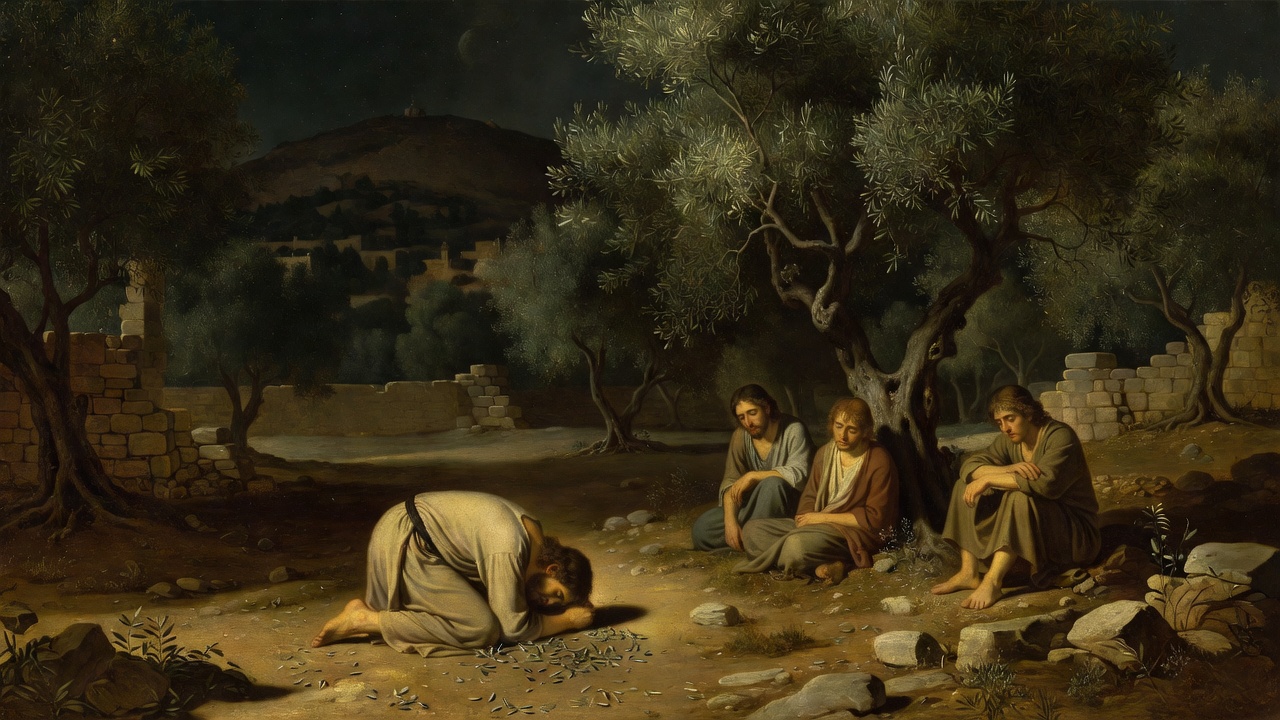
- After they had sung a hymn, Jesus and the disciples went out to the Mount of Olives, a ridge east of Jerusalem, named for the olive trees on its slopes and separated from the city by the Kidron valley. Gethsemane, an olive-yard at the foot of that ridge, means “oil-press”; it was a place to which Jesus was accustomed to withdraw with his disciples.Sources: Gethsemane · Mount of Olives · the Bible text itself
Notes written with AI assistance from open sources (Theographic Bible Metadata, CC BY-SA 4.0; Easton’s Bible Dictionary, public domain) and reviewed before publishing.
Places in this chapter
- Mount of Olives · 31.778, 35.246 · verse 30
- Galilee · 32.760, 35.527 · verses 32, 69
- Gethsemane · 31.779, 35.239 · verse 36
- Nazareth · 32.702, 35.298 · verse 71
Only places identified with high confidence are shown (90% or more according to the scholarly sources compiled by OpenBible). Period map: DARE (Digital Atlas of the Roman Empire), CC BY 4.0; modern map: © OpenStreetMap contributors; places: OpenBible.info (CC BY 4.0).
Credits and license for this translation
Sahidica - طبعة جديدة من العهد الجديد باللغة القبطية الصعيدية
Sahidica - A New Edition of the New Testament in Sahidic Coptic
copyright © 2000-2006 J Warren Wells
Language: ⲘⲉⲧⲢⲉⲙ̀ⲛⲭⲏⲙⲓ (Coptic)
Dialect: Sahidic
Translation by: J Warren Wells
Coptic: Sahidic NT "Sahidica - A New Edition of the New Testament in Sahidic Coptic"
Copyright (c)2000-2006 by J Warren Wells. All rights reserved.
For more information visit www.sahidica.org .
This edition is available free of charge for use in free electronic
editions of the New Testament as long as the full title and copyright
information are included and credited. For written permission to use
all or any part of this document in print editions, contact the editor
at www.sahidica.org .
This edition is primarily meant for use by teachers and students of
Sahidic Coptic, and to a lesser degree by Coptologists involved in
scholarly research, textual criticism, or New Testament translation.
PURPOSE
Please note: This text is a work in progress. As such, there
is an ongoing effort to standardize the spelling of words in
the text. Be aware that version updates periodically appear.
The primary purpose is to produce a standardized edition of
the Sahidic NT similar to standard Greek editions.
An additional purpose of this text is to allow side-by-side
comparison with the Greek New Testament. To facilitate this
effort, a new version of the Greek text has been developed,
which is meant to better represent the Greek text upon which
the Sahidic was based. This text is entitled "The New Testament
According to the Egyptian Greek Text" [NTAEG]
This text does not include representation of either accents or
supralinear strokes, since these are used inconsistently in the
original texts. There is also a higher degree of standardization
in spelling and punctuation; like today's standard Greek master
texts, but unlike both the original Sahidic texts, and the PHI
and Coptic Society texts. Moreover, as in standard Greek texts,
instances of the Nomina Sacra have been expanded to their full
forms. This is again a departure from earlier versions of the
Sahidic, including the PHI and Coptic Society texts, which are
Both inconsistent in their usage.
Special thanks to David Brakke of Indiana University Bloomington,
Brigitte Comparini of the Packard Humanities Institute, and
Michael Heiser, Academic Editor, at Logos Research Systems; for
their assistance in making this edition possible.
BASIS
Sahidica was initially based (by permission) on the Coptic New Testament,
which is an electronic publication, which was edited by David Brakke.
(PHI-CD 5.3 dated 7/2/91. Los Altos. Packard Humanities Institute. 1991).
During later development, Sahidica was electronically collated against
the Coptic CD I by the St. Shenouda The Archmandrite Coptic Society.
Los Angeles, CA dated April, 1998.
These two editions were reduced to a raw electronic form, which allowed both
to be compared electronically letter by letter with Sahidica in order to
accurately detect and report every single variation and input error in any
of the texts. Though errors are inevitable, the collators of three seperate
editions are highly unlikely to make the same errors. Therefore, this method
helps to insure the integrity of the Sahidica edition.
Throughout the project, Sahidica was also collated against printed editions
of the following coptic manuscripts, which manuscripts date from the third
century and later.
Matt: Pierpont Morgan Library M-569 collated against Bodmer XIX papyrus
Mark:* PPalau Rib. Inv.Nr.182 collated against Pierpont Morgan Library M-569
Luke: PPalau Rib. Inv.Nr.181 collated against Pierpont Morgan Library M-569
John: PPalau Rib. Inv.Nr.183 collated against Pierpont Morgan Library M-569
Acts: Chester Beatty B (Copt.Ms.814) collated against Berlin P.15926 and British Museum MS Or.7594
Paul: Chester Beatty A (Copt.Ms.813) collated against Pierpont Morgan Library M-570 and M-571
James-Jude:** Pierpont Morgan Library M-572 collated against the Pierpont Morgan Library M-573 and M-601***
Revelation: Berlin MS Or.408 ( British Museum Ms Or.3518) collated against British Museum MS Or.6803
* Note: The longer and shorter endings of Mark are based on Horner; cf Kahle (JTS.1951.p49-57)
** Note: 1st Peter was also collated against the Crosby-Schøyen Ms.193.
*** Note: Portions of James and Jude were reconstructed from M-573, M-601, and four other mss.
Note on Interpolations
The short and long endings of Mark are ommited from the PPalau ms 182, but they do appear in most mss.
To better represent the overall Sahidic tradition, both endings are included, but in double brackets.
The pericope of the adultress (John 7:53-8:11) does not appear in any Sahidic ms. Herein it is omitted.
2014-09-16
Source: http://ebible.org/copshc/ · eBible.org