Matthew 2
Sahidica - طبعة جديدة من العهد الجديد باللغة القبطية الصعيدية · Tap a verse to see its cross-references.
1ⲒⲎⲤⲞⲨⲤ ⲆⲈ ⲚⲦⲈⲢⲞⲨϪⲠⲞϤ ϨⲢⲀⲒ ϨⲚ ⲂⲎⲐⲖⲈⲈⲘ ⲚⲦⲈ ϮⲞⲨⲆⲀⲒⲀ ϨⲚ ⲚⲈϨⲞⲞⲨ ⲚϨⲎⲢⲰⲆⲎⲤ ⲠⲢⲢⲞ. ⲈⲒⲤ ϨⲈⲚⲘⲀⲄⲞⲤ ⲀⲨⲈⲒ ⲈⲂⲞⲖ ϨⲚ ⲚⲈⲘⲀⲚϢⲀ ⲈϨⲢⲀⲒ ⲈⲐⲒⲈⲢⲞⲤⲞⲖⲨⲘⲀ. ⲈⲨϪⲰ ⲘⲘⲞⲤ. 2ϪⲈ ⲈϤⲦⲰⲚ ⲠⲢⲢⲞ ⲚⲚⲒⲞⲨⲆⲀⲒ ⲚⲦⲀⲨϪⲠⲞϤ. ⲀⲚⲚⲀⲨ ⲄⲀⲢ ⲈⲠⲈϤⲤⲒⲞⲨ ϨⲚ ⲚⲈⲘⲀⲚϢⲀ ⲀⲚⲈⲒ ⲈⲞⲨⲰϢⲦ ⲚⲀϤ. 3ⲀϤⲤⲰⲦⲘ ⲆⲈ ⲚϬⲒ ϨⲎⲢⲰⲆⲎⲤ ⲠⲢⲢⲞ. ⲀϤϢⲦⲞⲢⲦⲢ ⲈⲘⲀⲦⲈ ⲘⲚ ⲐⲒⲈⲢⲞⲤⲞⲖⲨⲘⲀ ⲦⲎⲢⲤ ⲚⲘⲘⲀϤ. 4ⲀϤⲤⲰⲞⲨϨ ⲈϨⲞⲨⲚ ⲚⲚⲀⲢⲬⲒⲈⲢⲈⲨⲤ ⲦⲎⲢⲞⲨ ⲘⲚ ⲚⲈⲄⲢⲀⲘⲘⲀⲦⲈⲨⲤ ⲘⲠⲖⲀⲞⲤ. ⲀϤϢⲒⲚⲈ ⲈⲂⲞⲖ ϨⲒⲦⲞⲞⲦⲞⲨ ϪⲈ ⲈⲨⲚⲀϪⲠⲞ ⲘⲠⲈⲬⲢⲒⲤⲦⲞⲤ ⲦⲰⲚ. 5ⲚⲦⲞⲞⲨ ⲆⲈ ⲠⲈϪⲀⲨ ⲚⲀϤ ϪⲈ ϨⲢⲀⲒ ϨⲚ ⲂⲎⲐⲖⲈⲈⲘ ⲚⲦⲈϮⲞⲨⲆⲀⲒⲀ. ⲈϤⲤⲎϨ ⲄⲀⲢ ⲚⲦⲈⲒϨⲈ ϨⲒⲦⲘ ⲠⲈⲠⲢⲞⲪⲎⲦⲎⲤ. 6ϪⲈ ⲚⲦⲞ ϨⲰⲰⲦⲈ ⲂⲎⲐⲖⲈⲈⲘ ⲠⲔⲀϨ ⲚⲒⲞⲨⲆⲀ ⲚⲦⲈϪⲞⲖϨ ⲀⲚ ϨⲚ ⲚϨⲎⲄⲈⲘⲰⲚ ⲚⲒⲞⲨⲆⲀ. ϤⲚⲎⲨ ⲄⲀⲢ ⲈⲂⲞⲖ ⲚϨⲎⲦⲈ ⲚϬⲒ ⲞⲨϨⲎⲄⲞⲨⲘⲈⲚⲞⲤ. ⲠⲀⲒ ⲈⲦⲚⲀⲘⲞⲞⲚⲈ ⲘⲠⲀⲖⲀⲞⲤ ⲠⲒⲤⲢⲀⲎⲖ. 7ⲦⲞⲦⲈ ϨⲎⲢⲰⲆⲎⲤ ⲀϤⲘⲞⲨⲦⲈ ⲈⲘⲘⲀⲄⲞⲤ ⲚϪⲒⲞⲨⲈ ⲀϤϢⲒⲚⲈ ⲈⲂⲞⲖ ϨⲒⲦⲞⲞⲦⲞⲨ ⲚⲤⲀⲠⲈⲨⲞⲈⲒϢ ⲘⲠⲤⲒⲞⲨ ⲚⲦⲀϤⲞⲨⲰⲚϨ ⲈⲂⲞⲖ. 8ⲀϤϪⲞⲞⲤⲈ ⲈϨⲢⲀⲒ ⲈⲂⲎⲐⲖⲈⲈⲘ ⲈϤϪⲰ ⲘⲘⲞⲤ ϪⲈ ⲂⲰⲔ ⲚⲦⲈⲦⲚ ϢⲒⲚⲈ ϨⲚ ⲞⲨⲰⲢϪ ⲈⲦⲂⲈ ⲠϢⲎⲢⲈ ϢⲎⲘ. ⲈϢⲰⲠⲈ ⲆⲈ ⲈⲦⲈⲦⲚϢⲀⲚϨⲈ ⲈⲢⲞϤ ⲘⲀⲦⲀⲘⲘⲞⲒ ϨⲰ ϪⲈⲔⲀⲀⲤ ⲈⲒⲈⲈⲒ ⲚⲦⲀⲞⲨⲰϢⲦ ⲚⲀϤ. 9ⲚⲦⲞⲞⲨ ⲆⲈ ⲚⲦⲈⲢⲞⲨⲤⲰⲦⲘ ⲈⲂⲞⲖ ϨⲒⲦⲘ ⲠⲢⲢⲞ ⲀⲨⲂⲰⲔ ⲀⲨⲰ ⲈⲒⲤⲠⲤⲒⲞⲨ ⲚⲦⲀⲨⲚⲀⲨ ⲈⲢⲞϤ ϨⲚ ⲚⲈⲘⲀⲚϢⲀ ⲀϤⲘⲞⲞϢⲈ ϨⲎⲦⲞⲨ ϢⲀⲚⲦⲈϤⲈⲒ ⲚϤⲀϨⲈⲢⲀⲦϤ ⲈϪⲘ ⲠⲘⲀ ⲈⲚⲈⲢⲈⲠϢⲎⲢⲈ ϢⲎⲘ ⲚϨⲎⲦϤ. 10ⲚⲦⲈⲢⲞⲨⲚⲀⲨ ⲈⲠⲤⲒⲞⲨ ⲀⲨⲢⲀϢⲈ ϨⲚ ⲞⲨⲚⲞϬ ⲚⲢⲀϢⲈ ⲈⲘⲀⲦⲈ. 11ⲀⲨⲰ ⲚⲦⲈⲢⲞⲨⲈⲒ ⲈϨⲢⲀⲒ ⲈⲠⲎⲒ ⲀⲨⲚⲀⲨ ⲈⲠϢⲎⲢⲈ ϢⲎⲘ ⲘⲚ ⲘⲀⲢⲒⲀ ⲦⲈϤⲘⲀⲀⲨ ⲀⲨⲠⲀϨⲦⲞⲨ ⲀⲨⲞⲨⲰϢⲦ ⲚⲀϤ ⲀⲨⲞⲨⲰⲚ ⲚⲚⲈⲨⲀϨⲰⲰⲢ ⲀⲨⲈⲒⲚⲈ ⲚⲀϤ ⲚϨⲈⲚⲆⲰⲢⲞⲚ ⲞⲨⲚⲞⲨⲂ ⲘⲚ ⲞⲨⲖⲒⲂⲀⲚⲞⲤ ⲘⲚ ⲞⲨϢⲀⲖ. 12ⲀⲨⲦⲞⲨⲚⲈⲒⲀⲦⲞⲨ ⲆⲈ ⲈⲂⲞⲖ ϨⲚ ⲞⲨⲢⲀⲤⲞⲨ ⲈⲦⲘⲔⲞⲦⲞⲨ ϢⲀϨⲎⲢⲰⲆⲎⲤ. ⲈⲂⲞⲖ ϨⲒⲦⲚ ⲔⲈϨⲒⲎ ⲀⲨⲀⲚⲀⲬⲰⲢⲈⲒ ⲈϨⲢⲀⲒ ⲈⲦⲈⲨⲬⲞⲢⲀ. 13ⲚⲦⲈⲢⲞⲨⲂⲰⲔ ⲆⲈ ⲈⲒⲤⲠⲀⲄⲄⲈⲖⲞⲤ ⲘⲠϪⲞⲈⲒⲤ ⲀϤⲞⲨⲰⲚϨ ⲈⲂⲞⲖ ϨⲚ ⲞⲨⲢⲀⲤⲞⲨ ⲈⲒⲰⲤⲎⲪ ⲈϤϪⲰ ⲘⲘⲞⲤ ϪⲈ ⲦⲰⲞⲨⲚ ⲚⲄϪⲒ ⲘⲠϢⲎⲢⲈ ϢⲎⲘ ⲘⲚ ⲦⲈϤⲘⲀⲀⲨ ⲚⲄⲂⲰⲔ ⲈϨⲢⲀⲒ ⲈⲔⲎⲘⲈ ⲚⲄϢⲰⲠⲈ ϨⲘ ⲠⲘⲀ ⲈⲦⲘⲘⲀⲨ ϢⲀⲚϮϪⲞⲞⲤ ⲚⲀⲔ. ϨⲎⲢⲰⲆⲎⲤ ⲄⲀⲢ ⲚⲀϢⲒⲚⲈ ⲚⲤⲀⲠϢⲎⲢⲈ ϢⲎⲘ ⲈⲦⲀⲔⲞϤ. 14ⲚⲦⲞϤ ⲆⲈ ⲀϤⲦⲰⲞⲨⲚ ⲀϤϪⲒ ⲘⲠϢⲎⲢⲈ ϢⲎⲘ ⲘⲚ ⲦⲈϤⲘⲀⲀⲨ ⲚⲦⲈⲨϢⲎ ⲀϤⲂⲰⲔ ⲈϨⲢⲀⲒ ⲈⲔⲎⲘⲈ. 15ⲚⲈϤϢⲞⲞⲠ ⲆⲈ ϨⲘ ⲠⲘⲀ ⲈⲦⲘⲘⲀⲨ ϢⲀⲚⲦⲈϨⲎⲢⲰⲆⲎⲤ ⲘⲞⲨ. ϪⲈⲔⲀⲀⲤ ⲈϤⲈϪⲰⲔ ⲈⲂⲞⲖ ⲚϬⲒ ⲠⲈⲚⲦⲀⲠϪⲞⲈⲒⲤ ϪⲞⲞϤ ϨⲒⲦⲘ ⲠⲈⲠⲢⲞⲪⲎⲦⲎⲤ ⲈϤϪⲰ ⲘⲘⲞⲤ ϪⲈ ⲀⲒⲘⲞⲨⲦⲈ ⲈⲠⲀϢⲎⲢⲈ ⲈⲂⲞⲖ ϨⲚ ⲔⲎⲘⲈ. 16ⲦⲞⲦⲈ ϨⲎⲢⲰⲆⲎⲤ ⲚⲦⲈⲢⲈϤⲚⲀⲨ ϪⲈ ⲀⲨⲤⲰⲂⲈ ⲘⲘⲞϤ ⲈⲂⲞⲖ ϨⲒⲦⲚ ⲘⲘⲀⲄⲞⲤ ⲀϤϬⲰⲚⲦ ⲈⲘⲀⲦⲈ ⲀϤϪⲞⲞⲨ ⲀϤⲘⲞⲨⲞⲨⲦ ⲚϢⲎⲢⲈ ϢⲎⲘ ⲚⲒⲘ ⲈⲦϨⲚ ⲂⲎⲐⲖⲈⲈⲘ ⲘⲚ ⲚⲈⲦϢⲞⲞⲠ ϨⲚ ⲚⲈⲤⲦⲞϢ ⲦⲎⲢⲞⲨ ϪⲒⲚⲢⲘⲠⲈ ⲤⲚⲦⲈ ⲈⲠⲈⲤⲎⲦ. ⲔⲀⲦⲀⲠⲈⲨⲞⲈⲒϢ ⲚⲦⲀⲨϨⲈⲦϨⲰⲦϤ ⲈⲂⲞⲖ ϨⲒⲦⲞⲞⲦⲞⲨ ⲚⲘⲘⲀⲄⲞⲤ. 17ⲦⲞⲦⲈ ⲀϤϪⲰⲔ ⲈⲂⲞⲖ ⲚϬⲒ ⲠⲈⲚⲦⲀⲨϪⲞⲞϤ ϨⲒⲦⲚ ⲒⲈⲢⲎⲘⲒⲀⲤ ⲠⲈⲠⲢⲞⲪⲎⲦⲎⲤ ⲈϤϪⲰ ⲘⲘⲞⲤ. 18ϪⲈ ⲞⲨⲤⲘⲎ ⲀⲨⲤⲰⲦⲘ ⲈⲢⲞⲤ ϨⲚ ϨⲢⲀⲘⲘⲀ. ⲞⲨⲢⲒⲘⲈ ⲘⲚⲞⲨⲦⲞⲈⲒⲦ ⲈⲚⲀϢⲰϤ. ϨⲢⲀⲬⲎⲖ ⲈⲤⲢⲒⲘⲈ ⲈⲚⲈⲤϢⲎⲢⲈ ⲀⲨⲰ ⲘⲠⲈⲤⲞⲨⲰϢ ⲈⲤⲖⲤⲰⲖⲤ ϪⲈ ⲚⲚⲞⲨⲤ ⲀⲚ ⲚⲈ. 19ⲚⲦⲈⲢⲈϤⲘⲞⲨ ⲆⲈ ⲚϬⲒ ϨⲎⲢⲰⲆⲎⲤ. ⲈⲒⲤⲠⲀⲄⲄⲈⲖⲞⲤ ⲘⲠϪⲞⲈⲒⲤ ⲀϤⲞⲨⲰⲚϨ ⲈⲂⲞⲖ ϨⲚ ⲞⲨⲢⲀⲤⲞⲨ ⲈⲒⲰⲤⲎⲪ ϨⲚ ⲔⲎⲘⲈ. 20ⲈϤϪⲰ ⲘⲘⲞⲤ ϪⲈ ⲦⲰⲞⲨⲚ ⲚⲄϪⲒ ⲘⲠϢⲎⲢⲈ ϢⲎⲘ ⲘⲚ ⲦⲈϤⲘⲀⲀⲨ ⲚⲄⲂⲰⲔ ⲈϨⲢⲀⲒ ⲈⲠⲔⲀϨ ⲘⲠⲒⲤⲢⲀⲎⲖ. ⲀⲨⲘⲞⲨ ⲄⲀⲢ ⲚϬⲒ ⲚⲈⲦϢⲒⲚⲈ ⲚⲤⲀⲦⲈⲮⲨⲬⲎ ⲘⲠϢⲎⲢⲈ ϢⲎⲘ. 21ⲚⲦⲞϤ ⲆⲈ ⲀϤⲦⲰⲞⲨⲚ ⲀϤϪⲒ ⲘⲠϢⲎⲢⲈ ϢⲎⲘ ⲘⲚ ⲦⲈϤⲘⲀⲀⲨ ⲀϤⲂⲰⲔ ⲈϨⲢⲀⲒ ⲈⲠⲔⲀϨ ⲘⲠⲒⲤⲢⲀⲎⲖ. 22ⲀϤⲤⲰⲦⲘ ⲆⲈ ϪⲈ ⲀⲢⲬⲎⲖⲀⲞⲤ ⲠⲈⲦⲞ ⲚⲢⲢⲞ ⲈϪⲚ ϮⲞⲨⲆⲀⲒⲀ ⲈⲠⲘⲀ ⲚϨⲎⲢⲰⲆⲎⲤ ⲠⲈϤⲈⲒⲰⲦ ⲀϤⲢϨⲞⲦⲈ ⲈⲂⲰⲔ ⲈⲠⲘⲀ ⲈⲦⲘⲘⲀⲨ. ⲀⲨⲦⲞⲨⲚⲈⲒⲀⲦϤ ⲆⲈ ⲈⲂⲞⲖ ϨⲚ ⲞⲨⲢⲀⲤⲞⲨ ⲀϤⲀⲚⲀⲬⲰⲢⲈⲒ ⲈϨⲢⲀⲒ ⲈⲘⲘⲞⲞϢⲦⲈ ⲚⲦⲄⲀⲖⲒⲖⲀⲒⲀ. 23ⲀϤⲈⲒ ⲀϤⲞⲨⲰϨ ϨⲚ ⲞⲨⲠⲞⲖⲒⲤ ⲚϢⲀⲨⲘⲞⲨⲦⲈ ⲈⲢⲞⲤ ϪⲈ ⲚⲀⲌⲀⲢⲈⲐ. ϪⲈⲔⲀⲀⲤ ⲈϤⲈϪⲰⲔ ⲈⲂⲞⲖ ⲚϬⲒ ⲠⲈⲚⲦⲀⲨϪⲞⲞϤ ϨⲒⲦⲘ ⲠⲈⲠⲢⲞⲪⲎⲦⲎⲤ ϪⲈ ⲤⲈⲚⲀⲘⲞⲨⲦⲈ ⲈⲢⲞϤ ϪⲈ ⲠⲚⲀⲌⲰⲢⲀⲒⲞⲤ.
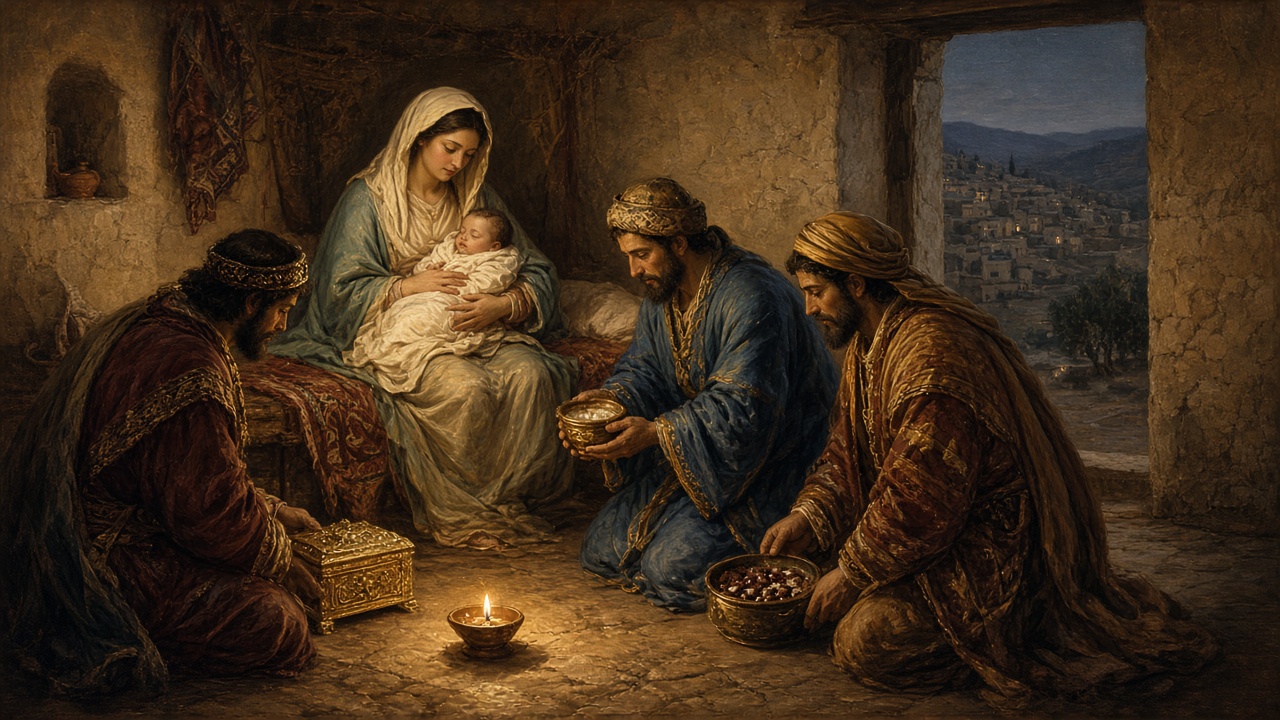
Did you know?
Magi, Herod, and Nazareth
- The King Herod of this chapter is Herod the Great. His son Archelaus, by Malthace, a Samaritan woman, inherited a third of the kingdom: Idumea, Judea, and Samaria. Until a few days before Herod's death another son, Antipas, had been named successor, but in his last moments Herod named Archelaus; for fear of him, Joseph turned aside from Judea and withdrew to Galilee.Sources: Archelaus · the Bible text itself
- Matthew links the deaths of the boys in Bethlehem to words spoken through the prophet Jeremiah: a voice in Ramah, Rachel weeping for her children. Rachel, one of Jacob's wives, died giving birth to Benjamin and was buried by the wayside on the road to Ephrath, that is Bethlehem, directly north of the town. Her sepulchre is regarded with great veneration by the Jews.Sources: the Bible text itself · Rachel · Bethlehem
- Bethlehem, in the hill country of Judah, was earlier called Ephrath and was also known as the city of David; under the Romans it lay in Judea, the southernmost of the three divisions of Palestine. Joseph and Mary went instead to Nazareth in Galilee, their home, a town not mentioned in the Old Testament. The name Nazareth is generally supposed to come from the Hebrew netser, a shoot or sprout, though some connect it with a word for guarding or watching.Sources: Bethlehem · Judea · Nazareth · the Bible text itself
Notes written with AI assistance from open sources (Theographic Bible Metadata, CC BY-SA 4.0; Easton’s Bible Dictionary, public domain) and reviewed before publishing.
Places in this chapter
- Bethlehem · 31.704, 35.208 · verses 1, 5, 6, 8, 9, 16
- East · Today: region around Amman · 31.955, 35.934 · verses 1, 2, 9
- Jerusalem · 31.777, 35.234 · verses 1, 3
- Judea · Today: Judea 1 · 31.777, 35.234 · verses 1, 5, 22
- Egypt · 30.129, 31.308 · verses 13, 14, 15, 19
- Galilee · 32.760, 35.527 · verse 22
- Nazareth · 32.702, 35.298 · verse 23
Only places identified with high confidence are shown (90% or more according to the scholarly sources compiled by OpenBible). Period map: DARE (Digital Atlas of the Roman Empire), CC BY 4.0; modern map: © OpenStreetMap contributors; places: OpenBible.info (CC BY 4.0).
Credits and license for this translation
Sahidica - طبعة جديدة من العهد الجديد باللغة القبطية الصعيدية
Sahidica - A New Edition of the New Testament in Sahidic Coptic
copyright © 2000-2006 J Warren Wells
Language: ⲘⲉⲧⲢⲉⲙ̀ⲛⲭⲏⲙⲓ (Coptic)
Dialect: Sahidic
Translation by: J Warren Wells
Coptic: Sahidic NT "Sahidica - A New Edition of the New Testament in Sahidic Coptic"
Copyright (c)2000-2006 by J Warren Wells. All rights reserved.
For more information visit www.sahidica.org .
This edition is available free of charge for use in free electronic
editions of the New Testament as long as the full title and copyright
information are included and credited. For written permission to use
all or any part of this document in print editions, contact the editor
at www.sahidica.org .
This edition is primarily meant for use by teachers and students of
Sahidic Coptic, and to a lesser degree by Coptologists involved in
scholarly research, textual criticism, or New Testament translation.
PURPOSE
Please note: This text is a work in progress. As such, there
is an ongoing effort to standardize the spelling of words in
the text. Be aware that version updates periodically appear.
The primary purpose is to produce a standardized edition of
the Sahidic NT similar to standard Greek editions.
An additional purpose of this text is to allow side-by-side
comparison with the Greek New Testament. To facilitate this
effort, a new version of the Greek text has been developed,
which is meant to better represent the Greek text upon which
the Sahidic was based. This text is entitled "The New Testament
According to the Egyptian Greek Text" [NTAEG]
This text does not include representation of either accents or
supralinear strokes, since these are used inconsistently in the
original texts. There is also a higher degree of standardization
in spelling and punctuation; like today's standard Greek master
texts, but unlike both the original Sahidic texts, and the PHI
and Coptic Society texts. Moreover, as in standard Greek texts,
instances of the Nomina Sacra have been expanded to their full
forms. This is again a departure from earlier versions of the
Sahidic, including the PHI and Coptic Society texts, which are
Both inconsistent in their usage.
Special thanks to David Brakke of Indiana University Bloomington,
Brigitte Comparini of the Packard Humanities Institute, and
Michael Heiser, Academic Editor, at Logos Research Systems; for
their assistance in making this edition possible.
BASIS
Sahidica was initially based (by permission) on the Coptic New Testament,
which is an electronic publication, which was edited by David Brakke.
(PHI-CD 5.3 dated 7/2/91. Los Altos. Packard Humanities Institute. 1991).
During later development, Sahidica was electronically collated against
the Coptic CD I by the St. Shenouda The Archmandrite Coptic Society.
Los Angeles, CA dated April, 1998.
These two editions were reduced to a raw electronic form, which allowed both
to be compared electronically letter by letter with Sahidica in order to
accurately detect and report every single variation and input error in any
of the texts. Though errors are inevitable, the collators of three seperate
editions are highly unlikely to make the same errors. Therefore, this method
helps to insure the integrity of the Sahidica edition.
Throughout the project, Sahidica was also collated against printed editions
of the following coptic manuscripts, which manuscripts date from the third
century and later.
Matt: Pierpont Morgan Library M-569 collated against Bodmer XIX papyrus
Mark:* PPalau Rib. Inv.Nr.182 collated against Pierpont Morgan Library M-569
Luke: PPalau Rib. Inv.Nr.181 collated against Pierpont Morgan Library M-569
John: PPalau Rib. Inv.Nr.183 collated against Pierpont Morgan Library M-569
Acts: Chester Beatty B (Copt.Ms.814) collated against Berlin P.15926 and British Museum MS Or.7594
Paul: Chester Beatty A (Copt.Ms.813) collated against Pierpont Morgan Library M-570 and M-571
James-Jude:** Pierpont Morgan Library M-572 collated against the Pierpont Morgan Library M-573 and M-601***
Revelation: Berlin MS Or.408 ( British Museum Ms Or.3518) collated against British Museum MS Or.6803
* Note: The longer and shorter endings of Mark are based on Horner; cf Kahle (JTS.1951.p49-57)
** Note: 1st Peter was also collated against the Crosby-Schøyen Ms.193.
*** Note: Portions of James and Jude were reconstructed from M-573, M-601, and four other mss.
Note on Interpolations
The short and long endings of Mark are ommited from the PPalau ms 182, but they do appear in most mss.
To better represent the overall Sahidic tradition, both endings are included, but in double brackets.
The pericope of the adultress (John 7:53-8:11) does not appear in any Sahidic ms. Herein it is omitted.
2014-09-16
Source: http://ebible.org/copshc/ · eBible.org