Luke 9
Sahidica - طبعة جديدة من العهد الجديد باللغة القبطية الصعيدية · Tap a verse to see its cross-references.
1ⲀϤⲘⲞⲨⲦⲈ ⲆⲈ ⲈⲠⲘⲚⲦⲤⲚⲞⲞⲨⲤ ⲀϤϮ ⲚⲀⲨ ⲚⲞⲨϬⲞⲘ ⲚⲘⲞⲨⲈⲜⲞⲨⲤⲒⲀ ⲈϪⲚ ⲚⲆⲀⲒⲘⲰⲚⲒⲞⲚ ⲦⲎⲢⲞⲨ ⲀⲨⲰ ⲈⲦⲢⲈⲨⲢⲠⲀϨⲢⲈ ⲈⲚϢⲰⲚⲈ 2ⲀϤϪⲞⲞⲨⲤⲈ ⲈⲦⲀϢⲈⲞⲈⲒϢ ⲚⲦⲘⲚⲦⲢⲢⲞ ⲘⲠⲚⲞⲨⲦⲈ ⲀⲨⲰ ⲈⲦⲀⲖϬⲈ ⲚⲈⲦϢⲰⲚⲈ. 3ⲠⲈϪⲀϤ ⲆⲈ ⲚⲀⲨ ϪⲈ ⲘⲠⲢϤⲒⲖⲀⲀⲨ ⲈⲦⲈϨⲒⲎ ⲞⲨⲆⲈ ϬⲈⲢⲰⲂ ⲞⲨⲆⲈ ⲠⲎⲢⲀ ⲞⲨⲆⲈ ⲞⲈⲒⲔ ⲞⲨⲆⲈ ϨⲞⲘⲚⲦ ⲞⲨⲆⲈ ⲈⲢⲈϢⲦⲎⲚ ⲤⲚⲦⲈ ϨⲒⲰⲦⲦⲎⲨⲦⲚ. 4ⲠⲎⲒ ⲆⲈ ⲈⲦⲈⲦⲚⲀⲂⲰⲔ ⲈϨⲞⲨⲚ ⲈⲢⲞϤ. ϬⲰ ⲚϨⲎⲦϤ ⲀⲨⲰ ⲀⲘⲎⲒⲦⲚ ⲈⲂⲞⲖ ⲚϨⲎⲦϤ. 5ⲚⲈⲦⲈⲚⲤⲈⲚⲀϢⲈⲠ ⲦⲎⲞⲨⲦⲚ ⲈⲢⲞⲞⲨ ⲀⲚ ⲈⲦⲈⲦⲚⲚⲎⲞⲨ ⲈⲂⲞⲖ ϨⲚ ⲦⲠⲞⲖⲒⲤ ⲈⲦⲘⲘⲀⲨ ⲚⲈϨⲠϢⲞⲒϢ ⲚⲚⲈⲦⲚⲞⲨⲈⲢⲎⲦⲈ ⲈϪⲰⲞⲨ ⲈⲨⲘⲚⲦⲘⲚⲦⲢⲈ ⲚⲀⲨ. 6ⲈⲨⲚⲎⲨ ⲆⲈ ⲈⲂⲞⲖ ⲚⲈⲨⲘⲞⲞϢⲈ ⲠⲈ ⲔⲀⲦⲀϮⲘⲈ ⲈⲨⲈⲨⲀⲄⲄⲈⲖⲒⲌⲈ ⲀⲨⲰ ⲈⲨⲢⲠⲀϨⲢⲈ ϨⲘ ⲘⲀ ⲚⲒⲘ. 7ⲀϨⲎⲢⲰⲆⲎⲤ ⲆⲈ ⲠⲦⲈⲦⲢⲀⲢⲬⲎⲤ ⲤⲰⲦⲘ ⲈⲚⲈⲦϢⲰⲠⲈ ⲦⲎⲢⲞⲨ ⲀϤⲀⲠⲞⲢⲒ ⲈⲂⲞⲖ ϪⲈ ⲚⲈⲨⲚϨⲞⲒⲚⲈ ϪⲰ ⲘⲘⲞⲤ ϪⲈ ⲒⲰϨⲀⲚⲚⲎⲤ ⲠⲈⲚⲦⲀϤⲦⲰⲞⲨⲚ ⲈⲂⲞⲖ ϨⲚ ⲚⲈⲦⲘⲞⲞⲨⲦ. 8ⲈⲂⲞⲖ ⲆⲈ ϨⲒⲦⲚ ϨⲈⲚⲔⲞⲞⲨⲈ ϪⲈ ϨⲎⲖⲈⲒⲀⲤ ⲠⲈⲚⲦⲀϤⲞⲨⲰⲚϨ ⲈⲂⲞⲖ. ϨⲒⲦⲚ ϨⲈⲚⲔⲞⲞⲨⲈ ⲆⲈ ϪⲈ ⲞⲨⲀ ⲚⲚⲈⲠⲢⲞⲪⲎⲦⲎⲤ ⲚⲚⲀⲢⲬⲀⲒⲞⲚ ⲠⲈⲚⲦⲀϤⲦⲰⲞⲨⲚ. 9ⲠⲈϪⲀϤ ⲆⲈ ⲚϬⲒ ϨⲎⲢⲰⲆⲎⲤ ϪⲈ ⲀⲚⲞⲔ ⲠⲈ ⲚⲦⲀⲒϤⲒ ⲚⲦⲀⲠⲈ ⲚⲒⲰϨⲀⲚⲚⲎⲤ ⲚⲒⲘ ⲆⲈ ⲠⲈ ⲠⲀⲒ ⲈϮⲤⲰⲦⲘ ⲚⲚⲀⲒ ⲈⲦⲂⲎⲦϤ. ⲀⲨⲰ ⲚⲈϤϢⲒⲚⲈ ⲚⲤⲀⲚⲀⲨ ⲈⲢⲞϤ ⲠⲈ. 10ⲀⲚⲀⲠⲞⲤⲦⲞⲖⲞⲤ ⲆⲈ ⲔⲞⲦⲞⲨ ⲀⲨϪⲰ ⲚⲀϤ ⲚⲚⲈⲚⲦⲀⲨⲀⲀⲨ. ⲀϤϪⲒⲦⲞⲨ ⲆⲈ ⲀϤⲤⲈϨⲦϤ ⲚⲤⲀⲞⲨⲤⲀ ⲈⲨⲠⲞⲖⲈⲒⲤ ⲈϢⲀⲨⲘⲞⲨⲦⲈ ⲈⲢⲞⲤ ϪⲈ ⲂⲎⲆⲤⲀⲒⲆⲀ. 11ⲘⲘⲎⲎϢⲈ ⲆⲈ ⲀⲨⲒⲘⲈ ⲀⲨⲞⲨⲀϨⲞⲨ ⲚⲤⲰϤ ⲀϤϢⲞⲠⲞⲨ ⲆⲈ ⲈⲢⲞϤ ⲀϤϢⲀϪⲈ ⲚⲘⲘⲀⲨ ⲈⲦⲂⲈ ⲦⲘⲚⲦⲢⲢⲞ ⲘⲠⲚⲞⲨⲦⲈ. ⲀⲨⲰ ⲚⲈⲦⲢⲬⲢⲒⲀ ⲚϪⲒⲠⲀϨⲢⲈ ⲀϤⲦⲀⲖϬⲞⲞⲨ. 12ⲚⲈⲀⲠⲈϨⲞⲞⲨ ⲆⲈ ⲀⲢⲬⲒ ⲚⲞⲨⲈⲒⲚⲈ. ⲀⲨϮⲠⲈⲨⲞⲨⲞⲒ ⲈⲢⲞϤ ⲚϬⲒ ⲠⲘⲚⲦⲤⲚⲞⲞⲨⲤ ⲠⲈϪⲀⲨ ⲚⲀϤ ϪⲈ. ⲔⲀⲘⲘⲎⲎϢⲈ ⲈⲂⲞⲖ ϪⲈ ⲈⲨⲈⲂⲰⲔ ⲈⲚϮⲘⲈ ⲈⲦⲘⲠⲈⲨⲔⲰⲦⲈ ⲚⲘⲚⲤⲰϢⲈ ⲚⲤⲈⲘⲦⲞⲚ ⲘⲘⲞⲞⲨ ⲀⲨⲰ ⲚⲤⲈϨⲈ ⲈϨⲢⲈ ϪⲈ ⲤⲈϨⲚⲞⲨⲘⲀ ⲚϪⲀⲒⲈ. 13ⲚⲦⲞϤ ⲆⲈ ⲠⲈϪⲀϤ ⲚⲀⲨ ϪⲈ ⲘⲀ ⲚⲀⲨ ⲚⲦⲰⲦⲚ ⲚⲤⲈⲞⲨⲰⲘ. ⲚⲦⲞⲞⲨ ⲆⲈ ⲠⲈϪⲀⲨ ⲚⲀϤ ϪⲈ ⲘⲘⲚⲦⲚϨⲞⲨⲞ ⲈϮⲞⲨ ⲚⲚⲞⲒⲔ ⲘⲠⲈⲒⲘⲀ ⲚⲘⲦⲂⲦ ⲤⲚⲀⲨ. ⲒⲘⲎⲦⲒ ⲚⲦⲚⲂⲰⲔ ⲀⲚⲞⲚ ⲚⲦⲚϢⲰⲠ ⲘⲠⲒⲖⲀⲦⲞⲤ ⲦⲎⲢϤ ⲘⲠⲈⲦⲞⲨⲚⲀⲞⲨⲞⲘϤ. 14ⲚⲈⲨⲚⲀⲢⲀϮⲞⲨ ⲄⲀⲢ ⲚϢⲞ ⲢⲢⲰⲘⲈ ⲠⲈ. ⲠⲈϪⲀϤ ⲆⲈ ⲚⲚⲈϤⲘⲀⲐⲎⲦⲎⲤ ϪⲈ ⲘⲀⲢⲞⲨⲚⲞϪⲞⲨ ⲤⲎⲚⲈ ⲤⲎⲚⲈ ⲚⲀⲚⲦⲀⲒⲞⲨ. 15ⲀⲨⲀⲀⲤ ⲆⲈ ϨⲒⲚⲀⲈⲒ ⲀⲨⲦⲢⲈⲨⲚⲞϪⲞⲨ ⲦⲎⲢⲞⲨ. 16ⲀϤϪⲒ ⲘⲠϮⲞⲨ ⲆⲈ ⲚⲚⲞⲒⲔ ⲚⲘⲠⲦⲂⲦ ⲤⲚⲀⲨ ⲀϤϤⲒⲀⲦϤ ⲈϨⲢⲀⲒ ⲈⲦⲠⲈ ⲀϤⲤⲘⲞⲨ ⲈⲢⲞⲞⲨ ⲀϤⲠⲞϢⲞⲨ ⲀϤⲦⲀⲀⲨ ⲚⲘⲘⲀⲐⲎⲦⲎⲤ ⲀⲨⲔⲰ ϨⲀⲢⲰⲞⲨ ⲘⲠⲘⲎⲎϢⲈ. 17ⲀⲨⲞⲨⲰⲘ ⲀⲨⲤⲒ ⲦⲎⲢⲞⲨ ⲀⲨⲰ ⲀⲨϤⲒ ⲘⲠⲘⲚⲦⲤⲚⲞⲞⲨⲤ ⲚⲞⲞⲨⲤ ⲚⲔⲞⲦ ⲖⲖⲀⲔⲘ ⲈⲀⲨⲢϨⲞⲨⲞ ⲈⲢⲞⲞⲨ. 18ⲀⲤϢⲰⲠⲈ ⲆⲈ ⲈϤϨⲚⲞⲨⲘⲀ ⲘⲀⲨⲀⲀϤ ⲈϤϢⲖⲎⲖ ⲈⲢⲈⲚⲈϤⲘⲀⲐⲎⲦⲎⲤ ⲚⲘⲘⲀϤ. ⲀϤϪⲚⲞⲨ ⲈϤϪⲰ ⲘⲘⲞⲤ ϪⲈ. ⲈⲢⲈⲘⲘⲎⲎϢⲈ ϪⲰ ⲘⲘⲞⲤ ϪⲈ ⲀⲚⲄⲚⲒⲘ. 19ⲚⲦⲞⲞⲨ ⲆⲈ ⲀⲨⲞⲨⲰϢⲂ ⲈⲨϪⲰ ⲘⲘⲞⲤ ϪⲈ ⲈⲢⲈϨⲞⲒⲚⲈ ⲘⲈⲚ ϪⲰ ⲘⲘⲞⲤ ϪⲈ ⲒⲰϨⲀⲚⲚⲎⲤ ⲠⲂⲀⲠⲦⲒⲤⲦⲎⲤ ⲠⲈ ϨⲈⲚⲔⲞⲞⲨⲈ ⲆⲈ ϪⲈ ϨⲎⲖⲈⲒⲀⲤ ⲠⲈ ϨⲈⲚⲔⲞⲞⲨⲈ ⲆⲈ ϪⲈ ⲒⲈⲢⲎⲘⲒⲀⲤ ⲠⲈ ϨⲈⲚⲔⲞⲞⲨⲈ ⲆⲈ ϪⲈ ⲞⲨⲀ ⲚⲚⲈⲠⲢⲞⲪⲎⲦⲎⲤ ⲚⲚⲀⲢⲬⲀⲒⲞⲤ ⲠⲈⲚⲦⲀϤⲦⲰⲞⲨⲚ. 20ⲠⲈϪⲀϤ ⲆⲈ ⲚⲀⲨ ϪⲈ ⲚⲦⲰⲦⲚ ⲈⲦⲈⲦⲚϪⲰ ⲘⲘⲞⲤ ϪⲈ ⲀⲚⲄⲚⲒⲘ. ⲀⲠⲈⲦⲢⲞⲤ ⲞⲨⲰϢⲂ ⲠⲈϪⲀϤ ϪⲈ. ⲚⲦⲞⲔ ⲠⲈ ⲠⲈⲬⲢⲒⲤⲦⲞⲤ ⲘⲠⲚⲞⲨⲦⲈ. 21ⲚⲦⲞϤ ⲆⲈ ⲀϤⲈⲠⲒⲦⲒⲘⲀ ⲚⲀϤ ⲀϤⲠⲀⲢⲀⲄⲄⲒⲖⲈ ϪⲈ ⲘⲠⲢϪⲈⲠⲀⲒ ⲈⲖⲀⲀⲨ 22ⲈϤϪⲰ ⲘⲘⲞⲤ ϪⲈ ϨⲀⲠⲤ ⲈⲦⲢⲈⲠϢⲎⲢⲈ ⲘⲠⲢⲰⲘⲈ ϢⲠϨⲀϨ ⲚϨⲒⲤⲈ ⲚⲤⲈⲦⲤⲦⲞϤ ⲈⲂⲞⲖ ϨⲒⲦⲚ ⲚⲈⲠⲢⲈⲤⲂⲨⲦⲈⲢⲞⲤ ⲚⲘ ⲚⲀⲢⲬⲒⲈⲢⲈⲨⲤ ⲘⲚ ⲚⲈⲄⲢⲀⲘⲘⲀⲦⲈⲨⲤ ⲚⲤⲈⲘⲞⲞⲨⲦϤ ⲚϤⲦⲰⲞⲨⲚ ϨⲘ ⲠⲘⲈϨϢⲞⲘⲚⲦ ⲚϨⲞⲞⲨ. 23ⲚⲈϤϪⲰ ⲆⲈ ⲘⲘⲞⲤ ⲞⲨⲞⲚ ⲚⲒⲘ. ϪⲈ ⲠⲈⲦⲞⲨⲰϢ ⲈⲞⲨⲀϨϤ ⲚⲤⲰⲒ ⲘⲀⲢⲈϤⲀⲢⲚⲀ ⲘⲘⲞϤ ⲚϤϤⲒ ⲘⲠⲈϤⲤⲦⲀⲨⲢⲞⲤ ⲘⲘⲎⲚⲈ ⲚϤⲞⲨⲀϨϤ ⲚⲤⲰⲒ. 24ⲠⲈⲦⲚⲀⲞⲨⲈϢ ⲦⲈϤⲮⲨⲬⲎ ⲄⲀⲢ ⲈⲦⲀⲚϨⲞⲤ ϤⲚⲀⲤⲞⲢⲘⲈⲤ ⲀⲨⲰ ⲠⲈⲦⲚⲀⲤⲰⲢⲘ ⲚⲦⲈϤⲮⲨⲬⲎ ⲈⲦⲂⲎⲦ ϤⲚⲀⲦⲀⲚϨⲞⲤ. 25ⲈⲢⲈⲠⲢⲰⲘⲈ ⲄⲀⲢ ⲚⲀϮϨⲎⲞⲨ ⲚⲞⲨ ⲈϤϢⲀⲚϮϨⲎⲞⲨ ⲘⲠⲔⲞⲤⲘⲞⲤ ⲦⲎⲢϤ. ⲚϤⲤⲞⲢⲘⲈϤ ⲆⲈ ϨⲰⲰϤ ⲎⲚϤϮⲞⲤⲈ ⲘⲘⲞϤ. 26ⲠⲈⲦⲚⲀϮϢⲒⲠⲈ ⲄⲀⲢ ⲚⲀⲒ ⲚⲘⲚⲀϢⲀϪⲈ. ⲠϢⲎⲢⲈ ⲘⲠⲢⲰⲘⲈ ⲚⲀϮϢⲒⲠⲈ ⲘⲠⲀⲒ ⲈϤϢⲀⲚⲈⲒ ϨⲘ ⲠⲈϤⲈⲞⲞⲨ ⲚⲘⲠⲀ ⲠⲈϤⲒⲰⲦ ⲚⲘⲠⲀ ⲚⲈϤⲀⲄⲄⲈⲖⲞⲤ ⲈⲦⲞⲨⲀⲀⲂ. 27ϮϪⲰ ⲆⲈ ⲘⲘⲞⲤ ⲚⲎⲦⲚ ϨⲚ ⲞⲨⲘⲈ ϪⲈ ⲞⲨⲚϨⲞⲒⲚⲈ ⲚⲚⲈⲦⲀϨⲈⲢⲀⲦⲞⲨ ⲘⲠⲈⲒⲘⲀ ⲈⲚⲚⲈⲨϪⲒϮ ⲠⲈ ⲘⲠⲘⲞⲨ ϢⲀⲚⲦⲞⲨⲚⲀⲨ ⲈⲦⲘⲚⲦⲢⲢⲞ ⲘⲠⲚⲞⲨⲦⲈ. 28ⲀⲤϢⲰⲠⲈ ⲆⲈ ⲘⲚⲚⲤⲀ ⲚⲈⲒϢⲀϪⲈ ⲚⲚⲀϢⲘⲞⲨⲚ ⲚϨⲞⲞⲨ ⲀϤϪⲒ ⲘⲠⲈⲦⲢⲞⲤ ⲚⲘⲒⲰϨⲀⲚⲚⲎⲤ ⲚⲘⲒⲀⲔⲰⲂⲞⲤ ⲀϤⲂⲰⲔ ⲈϨⲢⲀⲒ ⲈⲠⲦⲞⲞⲨ ⲈϢⲖⲎⲖ 29ⲀⲤϢⲰⲠⲈ ⲆⲈ ϨⲘ ⲠⲦⲢⲈϤϢⲖⲎⲖ ⲀⲠⲒⲚⲈ ⲘⲠⲈϤϨⲞ ⲢⲔⲈⲨⲀ. ⲀⲨⲰ ⲀⲦⲈϤϨⲂⲤⲰ ⲞⲨⲂⲀϢ ⲈⲤⲦⲞⲨⲞ. 30ⲈⲒⲤ ϨⲎⲎⲦⲈ ⲆⲈ ⲚⲈⲢⲈⲢⲰⲘⲈ ⲤⲚⲀⲨ ϢⲀϪⲈ ⲚⲘⲘⲀϤ. ⲈⲦⲈⲚⲀⲒ ⲚⲈ ⲘⲰⲨⲤⲎⲤ ⲚⲘϨⲎⲖⲈⲒⲀⲤ 31ⲚⲀⲒ ⲈⲚⲦⲀⲨⲞⲨⲰⲚϨ ⲈⲂⲞⲖ ϨⲘ ⲠⲈⲞⲞⲨ. ⲚⲀⲒ ⲈⲚⲦⲀⲨϪⲰ ⲚⲦⲈϤϨⲒⲎ ⲦⲀⲒ ⲈⲦϤⲚⲀϪⲞⲔⲤ ⲈⲂⲞⲖ ϨⲚ ⲐⲒⲈⲢⲞⲤⲞⲖⲨⲘⲀ. 32ⲠⲈⲦⲢⲞⲤ ⲆⲈ ⲘⲚ ⲚⲈⲦⲚⲘⲘⲀϤ ⲚⲈⲨϨⲞⲢϢ ⲠⲈ ϨⲀⲪⲒⲚⲎⲂ. ⲀⲨⲢⲞⲈⲒⲤ ⲆⲈ ⲀⲨⲚⲀⲨ ⲈⲠⲈϤⲈⲞⲞⲨ ⲀⲨⲰ ⲠⲢⲰⲘⲈ ⲤⲚⲀⲨ ⲈⲦⲀϨⲈⲢⲀⲦⲞⲨ ⲚⲘⲘⲀϤ. 33ⲀⲤϢⲰⲠⲈ ⲆⲈ ϨⲘ ⲠⲦⲢⲈⲨⲠⲰⲢϪ ⲈⲂⲞⲖ ⲘⲘⲞϤ ⲠⲈϪⲈⲠⲈⲦⲢⲞⲤ ⲚⲚⲀϨⲢⲚ ⲒⲎⲤⲞⲨⲤ ϪⲈ ⲠⲤⲀϨ ⲚⲀⲚⲞⲨⲤ ⲚⲀⲚ ⲈⲦⲢⲈⲚϢⲰⲠⲈ ⲘⲠⲈⲒⲘⲀ ⲦⲀⲢⲚⲦⲀⲘⲒⲞⲚϢⲞⲘⲦⲈ ⲚⲤⲔⲎⲚⲎ ⲞⲨⲈⲒ ⲚⲀⲔ ⲞⲨⲈⲒ ⲘⲘⲰⲨⲤⲎⲤ ⲞⲨⲈⲒ ⲚϨⲎⲖⲈⲒⲀⲤ ⲈⲚϤⲤⲞⲞⲨⲚ ⲀⲚ ⲘⲠⲈⲦϤϪⲰ ⲘⲘⲞϤ. 34ⲚⲀⲒ ⲆⲈ ⲈϤϪⲰ ⲘⲘⲞⲞⲨ ⲀⲨⲔⲖⲞⲞⲖⲈ ϢⲰⲠⲈ ⲀⲤⲢϨⲀⲒⲂⲈⲤ ⲈⲢⲞⲞⲨ. ⲀⲨⲢϨⲞⲦⲈ ⲆⲈ ϨⲘ ⲠⲦⲢⲈⲚ ⲈⲦⲘⲘⲀⲨ ⲂⲰⲔ ⲈϨⲞⲨⲚ ⲈⲦⲈⲔⲖⲞⲞⲖⲈ. 35ⲀⲨⲤⲘⲎ ⲆⲈ ϢⲰⲠⲈ ⲈⲂⲞⲖ ϨⲚ ⲦⲈⲔⲖⲞⲞⲖⲈ ⲈⲤϪⲰ ⲘⲘⲞⲤ ϪⲈ ⲠⲀⲒ ⲠⲈ ⲠⲀϢⲎⲢⲈ ⲈⲦⲤⲞⲦⲠ. ⲤⲰⲦⲘ ⲚⲤⲰϤ. ϨⲘ ⲠⲦⲢⲈ. 36ⲦⲈⲤⲘⲎ ⲆⲈ ϢⲰⲠⲈ ⲀⲨϨⲈ ⲈⲒⲎⲤⲞⲨⲤ ⲘⲀⲨⲀⲀϤ. ⲚⲦⲞⲞⲨ ⲆⲈ ⲀⲨⲔⲀⲢⲰⲞⲨ ⲀⲨⲰ ⲘⲠⲞⲨⲦⲀⲘⲈⲖⲀⲀⲨ ϨⲚ ⲚⲈϨⲞⲞⲨ ⲈⲦⲘⲘⲀⲨ ⲈⲖⲀⲀⲨ ⲚⲚⲈⲚⲦⲀⲨⲚⲀⲨ ⲈⲢⲞⲞⲨ. 37ⲀⲤϢⲰⲠⲈ ⲆⲈ ⲘⲠⲈϤⲢⲀⲤⲦⲈ ⲈⲨⲚⲎⲞⲨ ⲈⲠⲈⲤⲎⲦ ϨⲒⲠⲦⲞⲞⲨ. ⲀⲨⲘⲎⲎϢⲈ ⲈⲚⲀϢⲰϤ ⲦⲰⲘⲚⲦ ⲈⲢⲞϤ. 38ⲈⲒⲤ ϨⲎⲎⲦⲈ ⲆⲈ ⲀⲨⲢⲰⲘⲈ ⲈⲂⲞⲖ ϨⲘ ⲠⲘⲎⲎϢⲈ ⲀϢⲔⲀⲔ ⲈⲂⲞⲖ ⲈϤϪⲰ ⲘⲘⲞⲤ ϪⲈ. ⲠⲤⲀϨ ϮⲤⲞⲠⲤ ⲘⲘⲞⲔ ϬⲰϢⲦ ⲈϪⲚ ⲠⲀϢⲎⲢⲈ ϪⲈ ⲞⲨϢⲢⲞⲨⲰⲦ ⲚⲀⲒ ⲠⲈ 39ⲀⲨⲰ ⲈⲒⲤ ϨⲎⲎⲦⲈ ϢⲀⲢⲈⲞⲨⲠⲚⲈⲨⲘⲀ ⲦⲀϨⲞϤ ⲚϤⲀϢⲔⲀⲔ ⲈⲂⲞⲖ ϨⲚ ⲞⲨϢⲤⲚⲈ ⲈϤϨⲒⲦⲈ ⲘⲘⲞϤ ⲚϤⲦⲀⲨⲈ ⲤϨⲂⲀⲒⲦⲈ. ⲘⲞⲄⲒⲤ ⲈϤϢⲀⲚⲤⲀϨⲰϤ ⲈⲂⲞⲖ ⲘⲘⲞϤ ⲈϤϢⲀⲚⲦⲚⲚⲞϤ. 40ⲀⲒⲤⲈⲠⲤ ⲚⲈⲔⲘⲀⲐⲎⲦⲎⲤ ϪⲈ ⲈⲨⲈⲚⲞϪϤ ⲈⲈⲂⲞⲖ ⲘⲠⲞⲨⲈϢϬⲘϬⲞⲘ. 41ⲀϤⲞⲨⲰϢⲂ ⲆⲈ ⲚϬⲒ ⲒⲎⲤⲞⲨⲤ ⲠⲈϪⲀϤ ϪⲈ Ⲱ ⲦⲄⲈⲚⲈⲀ ⲚⲀⲠⲒⲤⲦⲞⲤ ⲈⲦϬⲞⲞⲘⲈ ϢⲀⲦⲚⲀⲨ ϮⲚⲀϢⲰⲠⲈ ⲚⲘⲘⲎⲦⲚ ϢⲀⲦⲚⲀⲨ ϮⲚⲀⲀⲚⲈⲬ ⲈⲘⲘⲰⲦⲚ ⲀⲨⲠⲈⲔϢⲎⲢⲈ ⲚⲀⲒ ⲈⲠⲈⲒⲘⲀ. 42ⲈⲦⲒ ⲆⲈ ⲈϤϮ ⲘⲠⲈϤⲞⲨⲞⲒ ⲈⲢⲞϤ ⲀϤⲢⲀϨⲦϤ ⲚϬⲒ ⲠⲆⲀⲒⲘⲰⲚⲒⲞⲚ ⲀϤϨⲒⲦⲈ ⲘⲘⲞϤ. ⲒⲎⲤⲞⲨⲤ ⲆⲈ ⲀϤⲈⲠⲒⲦⲒⲘⲀ ⲘⲠⲈⲠⲚⲈⲨⲘⲀ ⲚⲀⲔⲀⲐⲀⲢⲦⲞⲚ ⲀϤⲦⲀⲖϬⲈⲠϢⲎⲢⲈ ϢⲎⲘ ⲀϤⲦⲀⲀϤ ⲘⲠⲈϤⲒⲰⲦ 43ⲀⲨⲢϢⲠⲎⲢⲈ ⲆⲈ ⲦⲎⲢⲞⲨ ⲈϪⲚ ⲦⲘⲚⲦⲚⲞϬ ⲘⲠⲚⲞⲨⲦⲈ. ⲚⲦⲞⲞⲨ ⲆⲈ ⲦⲎⲢⲞⲨ ⲈⲨⲢϢⲠⲎⲢⲈ ⲈϪⲚ ⲚⲈⲦϤⲒⲢⲈ ⲘⲘⲞⲞⲨ. ⲠⲈϪⲀϤ ⲚⲚⲈϤⲘⲀⲐⲎⲦⲎⲤ 44ϪⲈ. ⲔⲀⲚⲈⲒϢⲀϪⲈ ⲦⲎⲢⲞⲨ ϨⲚ ⲚⲈⲦⲚⲘⲀⲀϪⲈ ⲤⲈⲚⲀⲠⲀⲢⲀⲆⲒⲆⲞⲨ ⲄⲀⲢ ⲘⲠϢⲎⲢⲈ ⲘⲠⲢⲰⲘⲈ ⲈⲦⲞⲞⲦⲞⲨ ⲚⲢⲢⲰⲘⲈ. 45ⲚⲦⲞⲞⲨ ⲆⲈ ⲀⲨⲢⲀⲦⲤⲞⲞⲨⲚ ⲈⲠⲈⲒϢⲀϪⲈ ⲀⲨⲰ ⲚⲈϤϨⲞⲂⲤ ⲈⲢⲞⲞⲨ ϪⲈ ⲚⲚⲈⲨⲒⲘⲈ ⲈⲢⲞϤ. ⲀⲨⲢϨⲞⲦⲈ ⲈϪⲚⲞⲨϤ ⲈⲦⲂⲈ ⲠⲈⲒϢⲀϪⲈ. 46ⲀⲨⲘⲞⲔⲘⲈⲔ ⲆⲈ ⲂⲰⲔ ⲈϨⲞⲨⲚ ⲈⲢⲞⲞⲨ ϪⲈ ⲚⲒⲘ ⲠⲈ ⲠⲚⲞϬ ⲈⲦⲚϨⲎⲦⲞⲨ. 47ⲒⲎⲤⲞⲨⲤ ⲆⲈ ⲈϤⲤⲞⲞⲨⲚ ⲘⲠⲘⲞⲔⲘⲈⲔ ⲘⲠⲈⲨϨⲎⲦ ⲀϤⲀⲘⲀϨⲦⲈ ⲚⲞⲨϢⲎⲢⲈ ϢⲎⲘ ⲀϤⲦⲀϨⲞϤ ⲈⲢⲀⲦϤ ϨⲀϨⲦⲎϤ 48ⲠⲈϪⲀϤ ⲚⲀⲨ ϪⲈ ⲠⲈⲦⲚⲀϢⲈⲠ ⲠⲈⲒϢⲎⲢⲈ ϢⲎⲘ ⲈⲢⲞϤ ⲈϪⲘ ⲠⲀⲢⲀⲚ ⲈϤϢⲰⲠ ⲘⲘⲞⲒ ⲈⲢⲞϤ ⲀⲨⲰ ⲠⲈⲦⲚⲀϢⲞⲠⲦ ⲈⲢⲞϤ ⲈϤϢⲰⲠ ⲈⲢⲞϤ ⲘⲠⲈⲚⲦⲀϤⲦⲚⲚⲞⲞⲨⲦ ⲠⲔⲞⲨⲒ ⲚϨⲎⲦⲦⲎⲨⲦⲚ ⲦⲎⲢⲦⲚ ⲠⲀⲒ ⲠⲈ ⲠⲚⲞϬ. 49ⲀⲒⲰϨⲀⲚⲚⲎⲤ ⲆⲈ ⲞⲨⲰϢⲂ ⲠⲈϪⲀϤ ϪⲈ ⲠⲤⲀϨ ⲀⲚⲚⲀⲨ ⲈⲨⲀ ⲈϤⲚⲈϪⲆⲀⲒⲘⲰⲚⲒⲞⲚ ⲈⲂⲞⲖ ϨⲘ ⲠⲈⲔⲢⲀⲚ ⲀⲚⲔⲰⲖⲨ ⲘⲘⲞϤ ϪⲈ ⲚϤⲞⲨⲎϨ ⲀⲚ ⲚⲤⲰⲔ ⲚⲘⲘⲀⲚ. 50ⲠⲈϪⲈ ⲒⲎⲤⲞⲨⲤ ⲚⲀϤ ϪⲈ ⲘⲠⲢⲔⲰⲖⲨ. ⲠⲈⲦⲈⲚϤϮ ⲄⲀⲢ ⲀⲚ ⲚⲘⲘⲎⲦⲚ ⲈϤϮ ⲈϪⲰⲦⲚ. 51ⲀⲤϢⲰⲠⲈ ⲆⲈ ϨⲘ ⲠⲦⲢⲈⲚⲈϨⲞⲞⲨ ⲚⲦⲈϤⲀⲚⲀⲖⲨⲘⲮⲒⲤ ϪⲰⲔ ⲈⲂⲞⲖ. ⲚⲦⲞϤ ⲆⲈ ⲀϤⲦⲀϪⲢⲈⲠⲈϤϨⲞ ⲈⲂⲰⲔ ⲈⲐⲒⲈⲢⲞⲤⲞⲖⲨⲘⲀ 52ⲀϤϪⲞⲞⲨ ⲆⲈ ⲚϨⲈⲚϤⲀⲒϢⲒⲚⲈ ϨⲀⲦⲈϤϨⲎ. ⲈⲨⲘⲞⲞϢⲈ ⲆⲈ ⲀⲨⲂⲰⲔ ⲈϨⲞⲨⲚ ⲈⲨϮⲘⲈ ⲚⲦⲈⲚⲤⲀⲘⲀⲢⲒⲦⲎⲤ ⲈⲤⲞⲂⲦⲈ ⲚⲀϤ 53ⲀⲨⲰ ⲘⲠⲞⲨϢⲞⲠϤ ⲈⲢⲞⲞⲨ ϪⲈ ⲚⲈⲢⲈⲦⲈϤⲢⲀⲔⲦⲤ ⲂⲎⲔ ⲈⲐⲒⲈⲢⲞⲤⲞⲖⲨⲘⲀ. 54ⲀⲘⲘⲀⲐⲎⲦⲎⲤ ⲆⲈ ⲚⲀⲨ ⲒⲀⲔⲰⲂⲞⲤ ⲚⲘⲒⲰϨⲀⲚⲚⲎⲤ ⲠⲈϪⲀⲨ ⲚⲀϤ ϪⲈ. ⲠϪⲞⲈⲒⲤ ⲔⲞⲨⲰϢ ⲈⲦⲢⲈⲚϪⲞⲞⲤ ⲚⲦⲈⲞⲨⲔⲰϨⲦ ⲈⲒ ⲈⲂⲞⲖ ϨⲚ ⲦⲠⲈ ⲚϤϤⲞⲦⲞⲨ ⲈⲂⲞⲖ. 55ⲀϤⲔⲞⲦϤ ⲆⲈ ⲀϤⲈⲠⲒⲦⲒⲘⲀ ⲚⲀⲨ 56ⲀϤⲂⲰⲔ ⲈⲔⲈϮⲘⲈ. 57ⲈⲨⲘⲞⲞϢⲈ ⲆⲈ ϨⲒⲦⲈϨⲒⲎ. ⲠⲈϪⲈⲞⲨⲀ ⲚⲀϤ ϪⲈ ϮⲚⲀⲞⲨⲀϨⲦ ⲚⲤⲰⲔ ⲈⲠⲘⲀ ⲈⲦⲔⲚⲀⲂⲰⲔ ⲈⲢⲞϤ. ⲠⲈϪⲈ ⲒⲎⲤⲞⲨⲤ ⲚⲀϤ. 58ϪⲈ ⲞⲨⲚⲦⲈ ⲂⲂⲀϢⲞⲞⲢ ⲚⲈⲨⲂⲎⲂ ⲀⲨⲰ ⲞⲨⲚⲦⲈⲚϨⲀⲖⲀⲦⲈ ⲚⲦⲠⲈ ⲚⲈⲨⲘⲀϨ. ⲠϢⲎⲢⲈ ⲆⲈ ⲘⲠⲢⲰⲘⲈ ⲘⲘⲚⲦϤⲘⲀ ⲢⲢⲈⲔⲦⲦⲈϤⲀⲠⲈ. 59ⲠⲈϪⲀϤ ⲆⲈ ⲚⲔⲈⲞⲨⲀ ϪⲈ ⲞⲨⲀϨⲔ ⲚⲤⲰⲒ ⲚⲦⲞϤ ⲆⲈ ⲠⲈϪⲀϤ ϪⲈ ⲠϪⲞⲈⲒⲤ ⲔⲀⲀⲦ ⲚϢⲞⲢⲠ ⲦⲀⲂⲰⲔ ⲦⲀⲦⲰⲘⲤ ⲘⲠⲀⲒⲰⲦ. 60ⲠⲈϪⲀϤ ⲚⲀϤ ϪⲈ ⲀⲖⲞⲔ ϨⲀⲚⲈⲦⲘⲞⲞⲨⲦ ⲈⲦⲰⲘⲤ ⲚⲚⲈⲨⲢⲈϤⲘⲞⲞⲨⲦ ⲚⲦⲞⲔ ⲆⲈ ⲂⲰⲔ ⲦⲀϢⲈⲞⲒϢ ⲚⲦⲘⲚⲦⲢⲢⲞ ⲘⲠⲚⲞⲨⲦⲈ. 61ⲠⲈϪⲈⲔⲈⲨⲀ ⲆⲈ ϪⲈ ⲦⲀⲞⲨⲀϨⲦ ⲚⲤⲰⲔ ⲠϪⲞⲈⲒⲤ ⲔⲀⲀⲦ ⲚϢⲞⲢⲠ ⲦⲀⲂⲰⲔ ⲦⲀⲀⲠⲞⲦⲀⲤⲤⲈ ⲚⲚⲀⲠⲀⲎⲈⲒ. 62ⲠⲈϪⲀϤ ⲆⲈ ⲚϬⲒ ⲒⲎⲤⲞⲨⲤ ϪⲈ. ⲘⲈⲢⲈⲖⲀⲀⲨ ⲦⲀⲖⲈⲦⲞⲞⲦϤ ⲈϪⲚ ⲞⲨϨⲂⲂⲈ ⲚϤϬⲰϢⲦ ⲈⲠⲀϨⲞⲨ ⲚϤⲤⲞⲞⲨⲦⲚ ⲈⲦⲘⲚⲦⲢⲢⲞ ⲘⲠⲚⲞⲨⲦⲈ.
Did you know?
Mission, identity, and the road to Jerusalem
- Herod the tetrarch, perplexed by reports about Jesus, is Herod Antipas, Herod's son by Malthace. He said he had beheaded John, while some claimed that John had risen from the dead, others that Elijah the Tishbite, the "Elias" of the New Testament, had appeared, and still others that a prophet of old had arisen. One chronology of these events dates John's beheading to AD 29.Sources: Herod Antipas · Elijah · John Beheaded · the Bible text itself
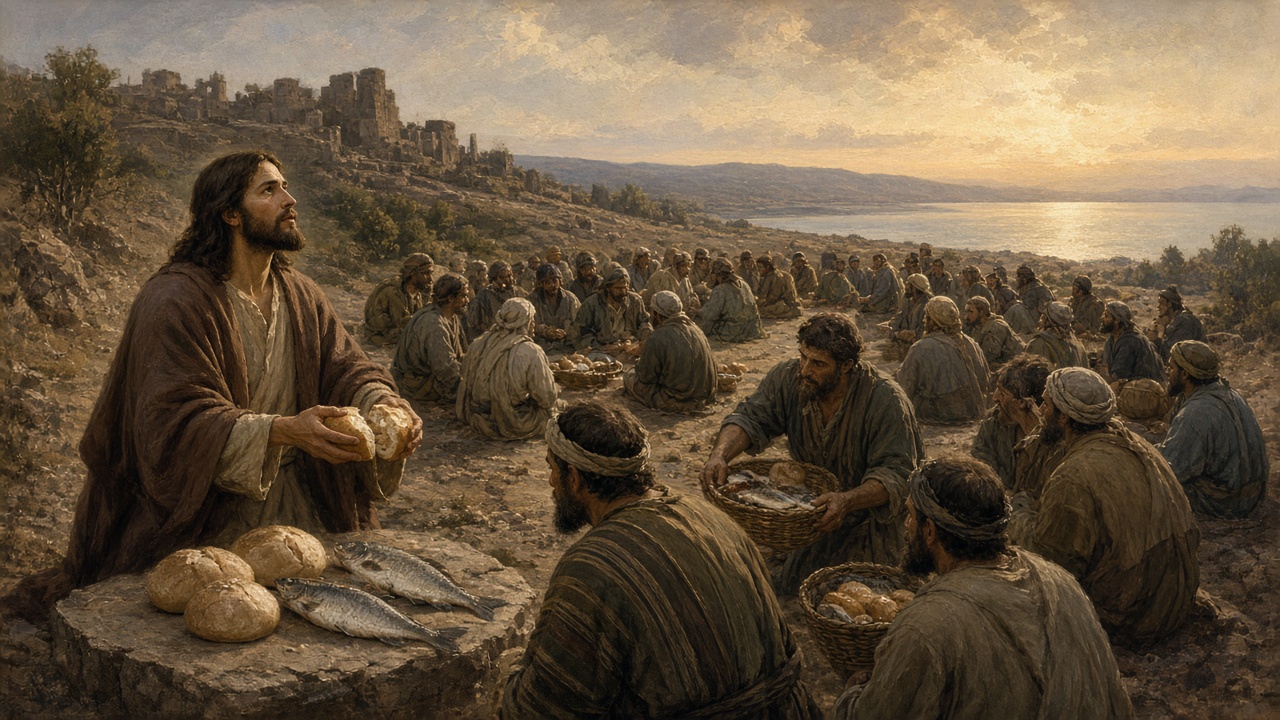
- After the apostles returned, Jesus withdrew with them to a town called Bethsaida, where he welcomed the crowds, spoke about the kingdom of God, and fed about five thousand men with five loaves and two fish. Easton's Bible Dictionary (1897) places this Bethsaida on the east side of the lake, two miles up the Jordan, in the region of Gaulonitis; Philip the tetrarch enlarged it and called it Julias, after the emperor's daughter. Some have supposed there was only one Bethsaida, built on both sides of the lake near where the Jordan enters it; the entry identifies the ruins as et-Tel.Sources: Bethsaida · the Bible text itself
- Peter, originally called Simon, answered that Jesus is "the Christ of God." About eight days later Jesus took Peter, James, and John up a mountain to pray; Moses and Elijah appeared in glory and spoke about the departure Jesus was about to accomplish at Jerusalem. James, elder brother of John and a fisherman in partnership with Peter, was with them; he and John were called Boanerges, "sons of thunder," probably because of their boldness and energy, and later they asked whether they should call down fire from heaven on a village of the Samaritans that would not welcome Jesus because he was heading for Jerusalem.Sources: Simon Peter · James (Son of Zebedee) · the Bible text itself
Notes written with AI assistance from open sources (Theographic Bible Metadata, CC BY-SA 4.0; Easton’s Bible Dictionary, public domain) and reviewed before publishing.
Places in this chapter
Only places identified with high confidence are shown (90% or more according to the scholarly sources compiled by OpenBible). Period map: DARE (Digital Atlas of the Roman Empire), CC BY 4.0; modern map: © OpenStreetMap contributors; places: OpenBible.info (CC BY 4.0).
Credits and license for this translation
Sahidica - طبعة جديدة من العهد الجديد باللغة القبطية الصعيدية
Sahidica - A New Edition of the New Testament in Sahidic Coptic
copyright © 2000-2006 J Warren Wells
Language: ⲘⲉⲧⲢⲉⲙ̀ⲛⲭⲏⲙⲓ (Coptic)
Dialect: Sahidic
Translation by: J Warren Wells
Coptic: Sahidic NT "Sahidica - A New Edition of the New Testament in Sahidic Coptic"
Copyright (c)2000-2006 by J Warren Wells. All rights reserved.
For more information visit www.sahidica.org .
This edition is available free of charge for use in free electronic
editions of the New Testament as long as the full title and copyright
information are included and credited. For written permission to use
all or any part of this document in print editions, contact the editor
at www.sahidica.org .
This edition is primarily meant for use by teachers and students of
Sahidic Coptic, and to a lesser degree by Coptologists involved in
scholarly research, textual criticism, or New Testament translation.
PURPOSE
Please note: This text is a work in progress. As such, there
is an ongoing effort to standardize the spelling of words in
the text. Be aware that version updates periodically appear.
The primary purpose is to produce a standardized edition of
the Sahidic NT similar to standard Greek editions.
An additional purpose of this text is to allow side-by-side
comparison with the Greek New Testament. To facilitate this
effort, a new version of the Greek text has been developed,
which is meant to better represent the Greek text upon which
the Sahidic was based. This text is entitled "The New Testament
According to the Egyptian Greek Text" [NTAEG]
This text does not include representation of either accents or
supralinear strokes, since these are used inconsistently in the
original texts. There is also a higher degree of standardization
in spelling and punctuation; like today's standard Greek master
texts, but unlike both the original Sahidic texts, and the PHI
and Coptic Society texts. Moreover, as in standard Greek texts,
instances of the Nomina Sacra have been expanded to their full
forms. This is again a departure from earlier versions of the
Sahidic, including the PHI and Coptic Society texts, which are
Both inconsistent in their usage.
Special thanks to David Brakke of Indiana University Bloomington,
Brigitte Comparini of the Packard Humanities Institute, and
Michael Heiser, Academic Editor, at Logos Research Systems; for
their assistance in making this edition possible.
BASIS
Sahidica was initially based (by permission) on the Coptic New Testament,
which is an electronic publication, which was edited by David Brakke.
(PHI-CD 5.3 dated 7/2/91. Los Altos. Packard Humanities Institute. 1991).
During later development, Sahidica was electronically collated against
the Coptic CD I by the St. Shenouda The Archmandrite Coptic Society.
Los Angeles, CA dated April, 1998.
These two editions were reduced to a raw electronic form, which allowed both
to be compared electronically letter by letter with Sahidica in order to
accurately detect and report every single variation and input error in any
of the texts. Though errors are inevitable, the collators of three seperate
editions are highly unlikely to make the same errors. Therefore, this method
helps to insure the integrity of the Sahidica edition.
Throughout the project, Sahidica was also collated against printed editions
of the following coptic manuscripts, which manuscripts date from the third
century and later.
Matt: Pierpont Morgan Library M-569 collated against Bodmer XIX papyrus
Mark:* PPalau Rib. Inv.Nr.182 collated against Pierpont Morgan Library M-569
Luke: PPalau Rib. Inv.Nr.181 collated against Pierpont Morgan Library M-569
John: PPalau Rib. Inv.Nr.183 collated against Pierpont Morgan Library M-569
Acts: Chester Beatty B (Copt.Ms.814) collated against Berlin P.15926 and British Museum MS Or.7594
Paul: Chester Beatty A (Copt.Ms.813) collated against Pierpont Morgan Library M-570 and M-571
James-Jude:** Pierpont Morgan Library M-572 collated against the Pierpont Morgan Library M-573 and M-601***
Revelation: Berlin MS Or.408 ( British Museum Ms Or.3518) collated against British Museum MS Or.6803
* Note: The longer and shorter endings of Mark are based on Horner; cf Kahle (JTS.1951.p49-57)
** Note: 1st Peter was also collated against the Crosby-Schøyen Ms.193.
*** Note: Portions of James and Jude were reconstructed from M-573, M-601, and four other mss.
Note on Interpolations
The short and long endings of Mark are ommited from the PPalau ms 182, but they do appear in most mss.
To better represent the overall Sahidic tradition, both endings are included, but in double brackets.
The pericope of the adultress (John 7:53-8:11) does not appear in any Sahidic ms. Herein it is omitted.
2014-09-16
Source: http://ebible.org/copshc/ · eBible.org