Luke 11
Sahidica - طبعة جديدة من العهد الجديد باللغة القبطية الصعيدية · Tap a verse to see its cross-references.
1ⲀⲤϢⲰⲠⲈ ⲆⲈ ⲈϤϨⲚⲞⲨⲘⲀ ⲈϤϢⲖⲎⲖ ⲚⲦⲈⲢⲈϤⲞⲨⲰ ⲠⲈϪⲈⲞⲨⲀ ⲚⲀϤ ⲚⲚⲈϤⲘⲀⲐⲎⲦⲎⲤ ϪⲈ ⲠϪⲞⲈⲒⲤ ⲘⲀⲦⲤⲀⲂⲞⲚ ⲈϢⲖⲎⲖ ⲔⲀⲦⲀⲐⲈ ⲈⲚⲦⲀⲒⲰϨⲀⲚⲚⲎⲤ ⲦⲤⲀⲂⲈ ⲚⲈϤⲘⲀⲐⲎⲦⲎⲤ. 2ⲠⲈϪⲀϤ ⲚⲀⲨ ϪⲈ ⲈⲦⲈⲦⲚⲀϢⲖⲎⲖ ⲀϪⲒⲤ ϪⲈ ⲠⲈⲚⲒⲰⲦ ⲈⲦϨⲚ ⲘⲠⲎⲨⲈ ⲘⲀⲢⲈⲠⲈⲔⲢⲀⲚ ⲞⲨⲞⲠ ⲘⲀⲢⲈⲦⲈⲔⲘⲚⲦⲢⲢⲞ ⲈⲒ. ⲘⲀⲢⲈⲠⲈⲔⲞⲨⲰϢ ϢⲰⲠⲈ. 3ⲠⲈⲚⲞⲒⲔ ⲈⲦⲚⲎⲞⲨ ⲦⲀⲀϤ ⲚⲀⲚ ⲘⲘⲎⲚⲈ. 4ⲔⲀⲚⲈⲚⲚⲞⲂⲈ ⲚⲀⲚ ⲔⲀⲒⲄⲀⲢ ⲀⲚⲞⲚ ⲦⲚⲔⲰ ⲈⲂⲞⲖ ⲞⲨⲞⲚ ⲚⲒⲘ ⲈⲦⲈⲞⲨⲚⲦⲀⲚ ⲈⲢⲞϤ. ⲀⲨⲰ ⲘⲠⲢϪⲒⲦⲚ ⲈϨⲞⲨⲚ ⲈⲠⲈⲒⲢⲀⲤⲘⲞⲤ. 5ⲠⲈϪⲀϤ ⲆⲈ ⲚⲀⲨ ϪⲈ ⲚⲒⲘ ⲚϨⲎⲦⲦⲎⲨⲦⲚ ⲠⲈⲦⲚⲀⲔⲀ ⲞⲨϢⲂⲎⲢ ⲚⲀϤ ⲚϤⲂⲰⲔ ϢⲀⲢⲞϤ ⲚⲦⲠⲀϢⲈ ⲚⲦⲈⲨϢⲎ ⲚϤϪⲞⲞⲤ ⲚⲀϤ ϪⲈ ⲠⲈϢⲂⲎⲢ ⲘⲀ ⲚⲀⲒ ⲚϢⲞⲘⲚⲦ ⲚⲚⲞⲒⲔ ⲈⲠⲈⲨϢⲀⲠ 6ⲈⲠⲒⲆⲎ ⲀⲨϢⲂⲎⲢ ⲈⲒ ϢⲀⲢⲞⲒ ⲈⲂⲞⲖ ϨⲚ ⲦⲈϨⲒⲎ ⲀⲨⲰ ⲘⲘⲚϮ ⲠⲈϮⲚⲀⲔⲀⲀϤ ϨⲀⲢⲰϤ. 7ⲠⲈⲦⲘⲘⲀⲨ ⲆⲈ ⲚϤⲞⲨⲰϢⲂ ⲘⲠⲤⲀ ⲚϨⲞⲨⲚ ⲚϤϪⲞⲞⲤ ϪⲈ ⲘⲠⲢⲞⲨⲈϨϨⲒⲤⲈ ⲈⲢⲞⲒ ⲀⲒⲞⲨⲰ ⲄⲀⲢ ⲈⲒϢⲦⲀⲘ ⲘⲠⲀⲢⲞ ⲀⲨⲰ ⲚⲀϢⲎⲢⲈ ϨⲒⲠⲈϬⲖⲞϬ ⲚⲘⲘⲀⲒ ⲘⲘⲚϬⲞⲘ ⲘⲘⲞⲒ ⲈⲦⲰⲞⲨⲚ ⲈϮ ⲚⲀⲔ 8ϮϪⲰ ⲘⲘⲞⲤ ⲚⲎⲦⲚ ϪⲈ ⲈϢϪⲈ ⲚϤⲚⲀⲦⲰⲞⲨⲚ ⲀⲚ ⲈϮ ⲚⲀϤ ϪⲈ ⲠⲈϤϢⲂⲎⲢ ⲠⲈ. ⲀⲖⲖⲀ ⲈⲦⲂⲈ ⲦⲈϤⲘⲚⲦⲖⲀϬ ϤⲚⲀⲦⲰⲞⲨⲚ ⲚϤϮ ⲚⲀϤ ⲘⲠⲈⲦϤⲀϨⲈ ⲚⲀϤ. 9ⲀⲚⲞⲔ ϨⲰ ϮϪⲰ ⲘⲘⲞⲤ ⲚⲎⲦⲚ ϪⲈ ⲀⲒⲦⲒ ⲦⲀⲢⲞⲨϮ ⲚⲎⲦⲚ. ϢⲒⲚⲈ ⲦⲀⲢⲈⲦⲈⲦⲚϬⲒⲚⲈ. ⲦⲰϨⲘ ⲦⲀⲢⲞⲨⲰⲚ ⲚⲎⲦⲚ. 10ⲞⲨⲞⲚ ⲄⲀⲢ ⲚⲒⲘ ⲈⲦⲀⲒⲦⲒ ϤⲚⲀϪⲒ. ⲀⲨⲰ ⲠⲈⲦϢⲒⲚⲈ ϤⲚⲀϬⲒⲚⲈ. ⲀⲨⲰ ⲠⲈⲦⲦⲰϨⲘ ⲤⲈⲚⲀⲞⲨⲰⲚ ⲚⲀϤ. 11ⲚⲒⲘ ⲆⲈ ⲚϨⲎⲦⲦⲎⲞⲨⲦⲚ ⲠⲈⲦⲈⲢⲈ ⲠⲈϤϢⲎⲢⲈ ⲚⲀⲀⲒⲦⲒ ⲘⲘⲞϤ ⲚⲞⲨⲦⲂⲦ. ⲘⲎ ⲈⲠⲘⲀ ⲚⲞⲨⲦⲂⲦ ⲈϤⲚⲀϮ ⲚⲀϤ ⲚⲞⲨϨⲞϤ. 12ⲎⲚϤⲀⲒⲦⲒ ⲘⲘⲞϤ ⲚⲞⲨⲤⲞⲞⲨϨⲈ ⲘⲎ ⲈϤⲚⲀϮ ⲚⲀϤ ⲚⲞⲨⲞⲞϨⲈ. 13ⲈϢϪⲈ ⲚⲦⲰⲦⲚ ϬⲈ ⲈⲚⲦⲈⲦⲚ ϨⲈⲚⲠⲞⲚⲎⲢⲞⲤ ⲦⲈⲦⲚⲤⲞⲞⲨⲚ ⲚϮⲠⲈⲦⲚⲀⲚⲞⲨϤ ⲚⲚⲈⲦⲚϢⲎⲢⲈ. ⲠⲞⲤⲰ ⲘⲀⲖⲖⲞⲚ ⲠⲈⲦⲚⲒⲰⲦ ϤⲚⲀϮ ⲚⲞⲨⲠⲚⲈⲨⲘⲀ ⲈϤⲞⲨⲀⲀⲂ ⲈⲂⲞⲖ ϨⲚ ⲦⲠⲈ ⲚⲈⲦⲀⲒⲦⲒ ⲘⲘⲞϤ. 14ⲚⲈϤⲚⲞⲨϪⲈ ⲆⲈ ⲈⲂⲞⲖ ⲚⲞⲨⲆⲀⲒⲘⲰⲚⲒⲞⲚ ⲈⲘⲈϤϢⲀϪⲈ. ⲀⲤϢⲰⲠⲈ ⲆⲈ ⲚⲦⲈⲢⲈ ⲠⲆⲀⲒⲘⲰⲚⲒⲞⲚ ⲈⲒ ⲈⲂⲞⲖ. ⲀϤϢⲀϪⲈ ⲚϬⲒ ⲠⲈⲘⲠⲞ ⲀⲨⲰ ⲀⲨⲢϢⲠⲎⲢⲈ ⲚϬⲒ ⲘⲘⲎⲎϢⲈ. 15ⲠⲈϪⲈϨⲞⲒⲚⲈ ⲆⲈ ⲚϨⲎⲦⲞⲨ ϪⲈ ⲈϤⲚⲈϪ ⲆⲀⲒⲘⲰⲚⲒⲞⲚ ⲈⲂⲞⲖ ϨⲚ ⲂⲈⲈⲖⲌⲈⲂⲞⲨⲖ ⲠⲀⲢⲬⲰⲚ ⲚⲚⲆⲀⲒⲘⲰⲚⲒⲞⲚ. 16ϨⲈⲚⲔⲞⲞⲨⲈ ⲆⲈ ⲈⲨⲠⲈⲒⲢⲀⲌⲈ ⲘⲘⲞϤ ⲚⲈⲨϢⲒⲚⲈ ⲚⲤⲀⲞⲨⲘⲀⲈⲒⲚ ⲚⲦⲞⲞⲦϤ ⲈⲂⲞⲖ ϨⲚ ⲦⲠⲈ. 17ⲚⲦⲞϤ ⲆⲈ ⲈϤⲤⲞⲞⲨⲚ ⲚⲚⲈⲨⲘⲈⲨⲈ ⲚϨⲎⲦ ⲠⲈϪⲀϤ ⲚⲀⲨ ϪⲈ. ⲘⲚⲦⲢⲢⲞ ⲚⲒⲘ ⲈⲤϢⲀⲚⲠⲰϢ ⲈϨⲢⲀⲒ ⲈϪⲰⲤ ϢⲀⲤⲢϪⲀⲒⲈ. ⲀⲨⲰ ⲞⲨⲎⲒ ⲈϪⲚ ⲞⲨⲎⲒ ϢⲀϤϨⲈ. 18ⲈϢϪⲈ ⲀⲠⲤⲀⲦⲀⲚⲀⲤ ϨⲰⲰϤ ⲠⲰϢ ⲈϨⲢⲀⲒ ⲈϪⲰϤ. ⲚⲀϢ ⲚϨⲈ ⲦⲈϤⲘⲚⲦⲢⲢⲞ ⲚⲀⲀϨⲈⲢⲀⲦⲤ. ϪⲈ ⲦⲈⲦⲚϪⲰ ⲘⲘⲞⲤ ϪⲈ ⲈⲒⲚⲈϪⲆⲀⲒⲘⲰⲚⲒⲞⲚ ⲈⲂⲞⲖ ϨⲚ ⲂⲈⲈⲖⲌⲈⲂⲞⲨⲖ. 19ⲈϢϪⲈ ⲀⲚⲞⲔ ⲈⲒⲚⲞⲨϪⲈ ⲈⲂⲞⲖ ⲚⲚⲆⲀⲒⲘⲰⲚⲒⲞⲚ ϨⲚ ⲂⲈⲈⲖⲌⲈⲂⲞⲨⲖ. ⲈⲒⲈⲈⲢⲈ ⲚⲈⲦⲚϢⲎⲢⲈ ⲚⲞⲨϪⲈ ⲈⲂⲞⲖ ϨⲚ ⲚⲒⲘ. ⲈⲦⲂⲈ ⲠⲀⲒ ⲤⲈⲚⲀϢⲰⲠⲈ ⲚⲎⲦⲚ ⲢⲢⲈϤϮϨⲀⲠ. 20ⲈϢϪⲈ ⲀⲚⲞⲔ ⲆⲈ ⲈⲒⲚⲈϪ ⲆⲀⲒⲘⲰⲚⲒⲞⲚ ⲈⲂⲞⲖ ϨⲚ ⲞⲨⲦⲎⲎⲂⲈ ⲚⲦⲈⲠⲚⲞⲨⲦⲈ ⲈⲒⲈ ⲀⲦⲘⲚⲦⲢⲢⲞ ⲘⲠⲚⲞⲨⲦⲈ ⲠⲰϨ ⲈϪⲰⲦⲚ. 21ⲈⲢϢⲀⲚ ⲠⲈⲦϪⲞⲞⲢ ⲆⲈ ϨⲀⲢⲈϨ ⲈⲦⲈϤⲀⲨⲖⲎ ⲈϤϨⲎⲔ. ⲚⲈϤϨⲨⲠⲀⲢⲬⲞⲚⲦⲀ ⲦⲎⲢⲞⲨ ⲚⲀϢⲰⲠⲈ ϨⲚ ⲞⲨⲈⲒⲢⲎⲚⲎ. 22ⲈⲢϢⲀⲚ ⲠⲈⲦϪⲞⲞⲢ ⲆⲈ ⲈⲢⲞϤ ⲈⲒ ⲚϤϪⲢⲞ ⲈⲢⲞϤ. ϤⲚⲀϤⲒ ⲚⲦⲈϤⲠⲀⲚϨⲞⲠⲖⲒⲀ ⲈⲦϤⲔⲰ ⲚϨⲦⲎϤ ⲈⲢⲞⲤ ⲀⲨⲰ ϤⲚⲀⲤⲰⲢ ⲚⲚⲈϤϢⲰⲖ. 23ⲠⲈⲦⲈⲚϤⲚⲘⲘⲀⲒ ⲀⲚ ⲈϤϮ ⲞⲨⲂⲎⲒ. ⲀⲨⲰ ⲠⲈⲦⲈⲚϤⲤⲨⲚⲀⲄⲈ ⲚⲘⲘⲀⲒ ⲀⲚ ⲈϤϪⲰⲰⲢⲈ ⲈⲂⲞⲖ. 24ϨⲞⲦⲀⲚ ⲆⲈ ⲠⲀⲔⲀⲐⲀⲢⲦⲞⲚ ⲘⲠⲚⲈⲨⲘⲀ ⲈϤϢⲀⲚⲈⲒ ⲈⲂⲞⲖ ϨⲘ ⲠⲢⲰⲘⲈ. ϢⲀϤⲈⲒ ⲈⲂⲞⲖ ϨⲒⲦⲚ ϨⲈⲚⲘⲀ ⲈⲘⲘⲚⲘⲞⲞⲨ ⲚϨⲎⲦⲞⲨ ⲈϤϢⲒⲚⲈ ⲚⲤⲀⲞⲨⲘⲀ ⲚⲘⲦⲞⲚ ⲀⲨⲰ ⲈϤⲦⲘϬⲒⲚⲈ ⲦⲞⲦⲈ ϢⲀϤϪⲞⲞⲤ ϪⲈ ϮⲚⲀⲔⲦⲞⲒ ⲈⲠⲀⲎⲒ ⲈⲠⲘⲀ ⲈⲚⲦⲀⲒⲈⲒ ⲈⲂⲞⲖ ⲚϨⲎⲦϤ. 25ⲈϤϢⲀⲚⲈⲒ ⲆⲈ ϢⲀϤϨⲈ ⲈⲢⲞϤ ⲈϤⲤⲀϨⲢ ⲈϤⲦⲤⲀⲘⲒⲎⲞⲨ 26ⲦⲞⲦⲈ ϢⲀϤⲂⲰⲔ ⲚϤϪⲒ ⲚⲔⲈⲤⲀϢϤ ⲘⲠⲚⲈⲨⲘⲀ ⲈⲨϨⲞⲞⲨ ⲈⲢⲞϤ ⲚⲤⲈⲂⲰⲔ ⲈϨⲞⲨⲚ ⲚⲤⲈⲞⲨⲰϨ ⲚϨⲎⲦϤ ⲚⲦⲈⲚϨⲀⲈⲞⲨ ⲘⲠⲢⲰⲘⲈ ⲈⲦⲘⲘⲀⲨ ⲐⲞ ⲈⲚⲈϤϢⲞⲢⲠ. 27ⲀⲤϢⲰⲠⲈ ⲆⲈ ϨⲘ ⲠⲦⲢⲈϤϪⲈⲚⲀⲒ ⲀⲨⲤϨⲒⲘⲈ ϤⲒϨⲢⲀⲤ ⲈⲂⲞⲖ ϨⲘ ⲠⲘⲎⲎϢⲈ ⲠⲈϪⲀⲤ ⲚⲀϤ ϪⲈ. ⲚⲀⲒⲀⲦⲤ ⲚⲐⲎ ⲈⲚⲦⲀⲤϤⲒ ϨⲀⲢⲞⲔ ⲘⲚ ⲚⲈⲔⲒⲂⲈ ⲚⲀⲈⲒ ⲈⲚⲦⲀⲔϪⲒ ⲘⲘⲞⲞⲨ. 28ⲚⲦⲞϤ ⲆⲈ ⲠⲈϪⲀϤ ϪⲈ. ⲚⲀⲒⲀⲦⲞⲨ ⲚϨⲞⲨⲞ ⲚⲚⲈⲦⲤⲰⲦⲘ ⲈⲠϢⲀϪⲈ ⲘⲠⲚⲞⲨⲦⲈ ⲈⲦⲀⲢⲈϨ ⲈⲢⲞϤ. 29ⲈⲢⲈⲞⲨⲘⲎⲎϢⲈ ⲆⲈ ⲤⲰⲞⲨϨ ⲈⲢⲞϤ ⲀϤⲀⲢⲬⲒ ⲚϪⲞⲞⲤ ϪⲈ ⲦⲈⲒⲄⲈⲚⲈⲀ ⲞⲨⲄⲈⲚⲈⲀ ⲘⲠⲞⲚⲎⲢⲞⲚ ⲦⲈ. ϢϢⲒⲚⲈ ⲚⲤⲀⲞⲨⲘⲀⲈⲒⲚ. ⲀⲨⲰ ⲚⲚⲈⲨⲦⲀ ⲚⲀⲤ ⲘⲀⲈⲒⲚ ⲚⲤⲀⲠⲘⲀⲈⲒⲚ ⲚⲒⲰⲚⲀⲤ. 30ⲔⲀⲦⲀⲐⲈ ⲄⲀⲢ ⲈⲚⲦⲀⲒⲰⲚⲀⲤ ϢⲰⲠⲈ ⲘⲘⲀⲈⲒⲚ ⲚⲢⲢⲰⲘⲈ ⲚⲚⲒⲚⲈⲨⲎ ⲦⲀⲒ ⲦⲈ ⲐⲈ ⲈⲦⲈⲢⲈ ⲠϢⲎⲢⲈ ⲘⲠⲢⲰⲘⲈ ⲚⲀⲒⲢⲈ ⲚⲦⲈⲒⲄⲈⲚⲈⲀ. 31ⲦⲢⲢⲰ ⲘⲠⲢⲎⲤ ⲚⲀⲦⲰⲞⲨⲚ ϨⲘ ⲠⲈϨⲞⲞⲨ ⲚⲦⲈⲔⲢⲒⲤⲒⲤ ⲚⲘⲚⲢⲰⲘⲈ ⲚⲦⲈⲒⲄⲈⲚⲈⲀ ⲚⲤⲦϬⲀⲒⲞⲞⲨ ϪⲈ ⲀⲤⲒ ϪⲒⲚⲀⲢⲎϪϤ ⲘⲠⲔⲀϨ ⲈⲤⲰⲦⲘ ⲈⲦⲤⲞⲪⲒⲀ ⲚⲤⲞⲖⲞⲘⲰⲚ ⲀⲨⲰ ⲈⲒⲤⲠⲈϨⲞⲨⲞ ⲈⲤⲞⲖⲞⲘⲰⲚ ⲘⲠⲈⲒⲘⲀ. 32ⲢⲢⲰⲘⲈ ⲚⲚⲒⲚⲈⲨⲎ ⲚⲀⲦⲰⲞⲨⲚ ϨⲚ ⲦⲈⲔⲢⲒⲤⲒⲤ ⲚⲘⲦⲈⲒⲄⲈⲚⲈⲀ ⲚⲤⲈⲦϬⲀⲒⲞⲤ ϪⲈ ⲀⲨⲘⲈⲦⲀⲚⲞⲒ ⲈⲠⲦⲀϢⲈⲞⲈⲒϢ ⲚⲒⲰⲚⲀ ⲈⲒⲤⲠⲈϨⲞⲨⲞ ⲈⲒⲰⲚⲀ ⲘⲠⲈⲒⲘⲀ. 33ⲘⲈⲢⲈⲖⲀⲀⲨ ϪⲈⲢⲈϨⲎⲂⲤ ⲚϤⲔⲀⲀϤ ϨⲚ ⲞⲨⲒ ⲚϨⲰⲠ. ⲀⲖⲖⲀ ⲈϢⲀϤⲔⲀⲀϤ ⲈϪⲚ ⲦⲖⲨⲬⲚⲒⲀ ϪⲈ ⲈⲢⲈⲚⲈⲦⲂⲎⲔ ⲈϨⲞⲨⲚ ⲚⲀⲨ ⲈⲠⲞⲨⲞⲒⲚ. 34ⲠϨⲎⲂⲤ ⲘⲠⲤⲰⲘⲀ ⲠⲈ ⲠⲂⲀⲖ ⲈϢⲰⲠⲈ ⲞⲨϨⲀⲠⲖⲞⲨⲤ ⲠⲈ ⲠⲈⲔⲂⲀⲖ ⲈⲒⲈⲞⲨⲞⲒⲚ ⲠⲈ ⲠⲈⲔⲤⲰⲘⲀ ⲦⲎⲢϤ ⲈϢⲰⲠⲈ ⲆⲈ ⲞⲨⲠⲞⲚⲎⲢⲞⲤ ⲠⲈ ⲠⲈⲔⲂⲀⲖ ⲠⲈⲔⲤⲰⲘⲀ ⲦⲎⲢϤ ⲚⲀϢⲰⲠⲈ ⲈϤⲞ ⲚⲔⲀⲔⲈ. 35ϬⲰϢⲦ ϬⲈ ϪⲈ ⲘⲈϢⲀⲔ ⲠⲞⲨⲞⲒⲚ ⲈⲦⲚϨⲎⲦⲔ ⲞⲨⲔⲀⲔⲈ ⲠⲈ. 36ⲈϢϪⲈ ⲞⲨⲞⲒⲚ ϬⲈ ⲠⲈ ⲠⲈⲔⲤⲰⲘⲀ ⲦⲎⲢϤ ⲈⲘⲘⲚⲖⲀⲀⲨ ⲘⲘⲈⲢⲞⲤ ⲚⲔⲀⲔⲈ ⲚϨⲎⲦϤ ϤⲚⲀϢⲰⲠⲈ ⲞⲨⲞⲒⲚ ⲦⲎⲢϤ ⲚⲐⲈ ⲈϢⲀⲢⲈⲪⲎⲂⲤ ⲢⲞⲨⲞⲒⲚ ⲈⲢⲞⲔ ϨⲘ ⲠⲈϤϢⲀϨ. 37ϨⲘⲠⲦⲢⲈϤϢⲀϪⲈ ⲆⲈ ⲀⲨⲪⲀⲢⲒⲤⲤⲀⲒⲞⲤ ⲤⲈⲠⲤⲰⲠϤ ϪⲈ ⲈϤⲈⲞⲨⲰⲘ ⲚⲘⲘⲀϤ. ⲀϤⲂⲰⲔ ⲆⲈ ⲈϨⲞⲨⲚ ⲀϤⲚⲞϪϤ. 38ⲚⲦⲈⲢⲈⲠⲈⲪⲀⲢⲒⲤⲤⲀⲒⲞⲤ ⲆⲈ ⲚⲀⲨ ⲀϤⲢϢⲠⲎⲢⲈ ϪⲈ ⲘⲠϤϨⲞⲢⲠϤ ⲚϢⲞⲢⲠ ⲈⲘⲠⲀⲦϤⲞⲨⲰⲘ. 39ⲠⲈϪⲈ ⲠϪⲞⲈⲒⲤ ⲆⲈ ⲚⲀϤ ϪⲈ. ⲦⲈⲚⲞⲨ ⲚⲦⲰⲦⲚ ⲚⲈⲪⲀⲢⲒⲤⲤⲀⲒⲞⲤ ⲦⲈⲦⲚⲦⲂⲂⲞ ⲘⲠⲤⲀⲂⲂⲞⲖ ⲘⲠⲀⲠⲞⲦ ⲚⲘⲠⲠⲒⲚⲀⲜ. ⲠⲈⲦⲚⲤⲀ ⲚϨⲞⲨⲚ ⲆⲈ ⲘⲈϨ ⲚⲦⲰⲢⲠ ϨⲒ ⲀⲔⲀⲐⲀⲢⲤⲒⲀ. ⲚⲀⲐⲎⲦ. 40ⲘⲎ ⲠⲈⲚⲦⲀϤⲦⲀⲘⲒⲈ ⲠⲤⲀⲂⲂⲞⲖ. ⲚⲦⲞϤ ⲀⲚ ⲠⲈⲚⲦⲀϤⲦⲀⲘⲒⲈ ⲠⲤⲀ ⲚϨⲞⲨⲚ. 41ⲠⲖⲎⲚ ⲚⲐⲈ ⲈⲚⲦⲀⲤϢⲰⲠⲈ ϮⲘⲚⲦⲚⲀ ⲀⲨⲰ ⲒⲤϨⲎⲎⲦⲈ ⲤⲈⲞⲨⲀⲀⲂ ⲚⲎⲦⲚ ⲦⲎⲢⲞⲨ. 42ⲀⲖⲖⲀ ⲞⲨⲞⲒ ⲚⲎⲦⲚ ⲚⲈⲪⲀⲢⲒⲤⲤⲀⲒⲞⲤ ϪⲈ ⲦⲈⲦⲚϮ ⲘⲠⲢⲈⲘⲎⲦ ⲘⲪⲀϬⲒⲚⲚⲤⲦⲞⲒ ⲚⲘⲠⲂⲀϢⲞⲨϢ ⲚⲘⲞⲨⲞⲞⲦⲈ ⲚⲒⲘ ⲦⲈⲦⲚⲔⲰ ⲚⲤⲰⲦⲚ ⲘⲠϨⲀⲠ ⲚⲘⲦⲀⲄⲀⲠⲎ ⲘⲠⲚⲞⲨⲦⲈ ⲚⲀⲒ ⲆⲈ ⲈϢϢⲈ ⲈⲀⲀⲨ ⲈⲦⲘⲔⲀ ⲚⲈⲒⲔⲞⲞⲨⲈ ⲚⲤⲀⲦⲎⲞⲨⲦⲚ. 43ⲞⲨⲞⲒ ⲚⲎⲦⲚ ⲚⲈⲪⲀⲢⲒⲤⲤⲀⲒⲞⲤ ϪⲈ ⲦⲈⲦⲚⲘⲈ ⲚⲘⲘⲀ ⲚⲈϨⲘⲞⲞⲤ ⲚϢⲞⲢⲠ ϨⲚ ⲚⲤⲨⲚⲀⲄⲰⲄⲎ ⲀⲨⲰ ⲚⲀⲤⲠⲀⲤⲘⲞⲤ ϨⲚ ⲚⲀⲄⲞⲢⲀ. 44ⲞⲨⲞⲒ ⲚⲎⲦⲚ ϪⲈ ⲦⲈⲦⲚⲞ ⲚⲐⲈ ⲚⲚⲒⲘϨⲀⲞⲨ ⲈⲦⲈⲚⲤⲈⲞⲨⲞⲚϨ ⲈⲂⲞⲖ ⲀⲚ ⲈⲢⲈⲢⲢⲰⲘⲈ ⲘⲞⲞϢⲈ ϨⲒϪⲰⲞⲨ ⲈⲚⲤⲈⲤⲞⲞⲨⲚ ⲀⲚ. 45ⲀⲞⲨⲀ ⲆⲈ ⲚⲚⲚⲞⲘⲒⲔⲞⲤ ⲞⲨⲰϢⲂ ⲈϤϪⲰ ⲘⲘⲞⲤ ⲚⲀϤ ϪⲈ. ⲠⲤⲀϨ ⲚⲀⲒ ⲈⲔϪⲰ ⲘⲘⲞⲞⲨ. ⲔⲤⲰϢ ϨⲰⲰⲚ ⲘⲘⲞⲚ. 46ⲚⲦⲞϤ ⲆⲈ ⲠⲈϪⲀϤ ⲚⲀⲨ ϪⲈ. ⲚⲦⲰⲦⲚ ϨⲰⲦⲦⲎⲨⲦⲚ ⲚⲚⲞⲘⲒⲔⲞⲤ ⲞⲨⲞⲒ ⲚⲎⲦⲚ ϪⲈ ⲦⲈⲦⲚⲦⲀⲖⲞ ⲚϨⲈⲚⲈⲦⲠⲰ ⲈⲨϨⲞⲢϢ ⲈϪⲚ ⲢⲢⲰⲘⲈ ⲈⲚⲦⲈⲦⲚϪⲰϨ ⲀⲚ ⲈⲚⲈⲦⲠⲰ ⲞⲨⲀ ⲚⲚⲈⲦⲚⲦⲎⲎⲂⲈ. 47ⲞⲨⲞⲒ ⲚⲎⲦⲚ ϪⲈ ⲦⲈⲦⲚⲔⲰⲦ ⲚⲚⲈⲘϨⲀⲞⲨ ⲚⲚⲈⲠⲢⲞⲪⲎⲦⲎⲤ ⲚⲈⲦⲚⲈⲒⲞⲦⲈ ⲆⲈ ⲚⲈⲚⲦⲀⲨⲘⲞⲞⲨⲦⲞⲨ. 48ⲈⲒⲈⲦⲈⲦⲚⲢ ⲘⲚⲦⲢⲈ ⲀⲨⲰ ⲦⲈⲦⲚⲤⲨⲚⲈⲨⲆⲞϬⲒ ⲈⲚⲈϨⲂⲎⲨⲈ ⲚⲚⲈⲦⲚⲒⲞⲦⲈ ϪⲈ ⲚⲦⲞⲞⲨ ⲘⲈⲚ ⲀⲨⲘⲞⲞⲨⲦⲞⲨ ⲚⲦⲰⲦⲚ ⲆⲈ ⲦⲈⲦⲚⲔⲰⲦ. 49ⲈⲦⲂⲈ ⲠⲀⲒ ⲀⲦⲔⲈⲤⲞⲪⲒⲀ ⲘⲠⲚⲞⲨⲦⲈ ϪⲞⲞⲤ ϪⲈ ϮⲚⲀϪⲞⲞⲨ ⲚⲀⲨ ⲚϨⲈⲚⲠⲢⲞⲪⲎⲦⲎⲤ ⲚⲘϨⲈⲚⲀⲠⲞⲤⲦⲞⲖⲞⲤ ⲚⲤⲈⲘⲞⲨⲞⲨⲦ ⲈⲂⲞⲖ ⲚϨⲎⲦⲞⲨ ⲀⲨⲰ ⲚⲤⲈⲆⲒⲰⲔⲈ. 50ϪⲈ ⲈⲨⲈϢⲒⲚⲈ ⲚⲤⲀⲠⲈⲤⲚⲞϤ ⲚⲚⲈⲠⲢⲞⲪⲎⲦⲎⲤ ⲦⲎⲢⲞⲨ ⲈⲚⲦⲀⲨⲠⲀϨⲦϤ ⲈⲂⲞⲖ ϪⲒⲚⲦⲔⲀⲦⲀⲂⲞⲖⲎ ⲘⲠⲔⲞⲤⲘⲞⲤ ⲈⲂⲞⲖ ϨⲒⲦⲞⲞⲦⲤ ⲚⲦⲈⲒⲄⲈⲚⲈⲀ. 51ϪⲒⲚⲠⲈⲤⲚⲞϤ ⲚⲀⲂⲈⲖ ϢⲀⲠⲈⲤⲚⲞϤ ⲚⲌⲀⲬⲀⲢⲒⲀⲤ ⲠϢⲎⲢⲈ ⲂⲂⲀⲢⲀⲬⲒⲀⲤ. ⲠⲈⲚⲦⲀⲨⲦⲀⲔⲞϤ ⲚⲦⲘⲎⲦⲈ ⲘⲠⲈⲐⲨⲤⲒⲀⲤⲦⲎⲢⲒⲞⲚ ⲚⲘⲠⲎⲒ. ⲤⲈ ϮϪⲰ ⲘⲘⲞⲤ ⲚⲎⲦⲚ ϪⲈ ⲤⲈⲚⲀϢⲒⲚⲈ ⲚⲤⲰϤ ⲈⲂⲞⲖ ϨⲒⲦⲞⲞⲦⲤ ⲚⲦⲈⲒⲄⲈⲚⲈⲀ. 52ⲞⲨⲞⲒ ⲚⲎⲦⲚ ⲚⲚⲞⲘⲒⲔⲞⲤ ϪⲈ ⲀⲦⲈⲦⲚϤⲒ ⲘⲠϢⲞϢⲦ ⲘⲠⲤⲞⲞⲨⲚ ⲘⲠⲈⲦⲚⲂⲰⲔ ⲈϨⲞⲨⲚ ⲀⲨⲰ ⲘⲠⲈⲦⲚⲔⲀ ⲚⲈⲦⲂⲎⲔ. 53ⲀϤⲈⲒ ⲆⲈ ⲈⲂⲞⲖ ϨⲘ ⲠⲘⲀ ⲈⲦⲘⲘⲀⲨ ⲀⲚⲈⲄⲢⲀⲘⲘⲀⲦⲈⲨⲤ ⲘⲚ ⲚⲈⲪⲀⲢⲒⲤⲤⲀⲒⲞⲤ ⲀⲢⲬⲒ ⲚⲚⲞⲨϬⲤ ⲈⲢⲞϤ. ⲈⲦⲢⲈϤⲔⲀⲢⲰϤ ⲈⲦⲂⲈϨⲀϨ 54ⲈⲦⲂⲈϨⲀϨ ⲈⲨϬⲰⲢϬ ⲈⲢⲞϤ ⲈϬⲞⲠϤ ⲚⲞⲨϢⲀϪⲈ ⲈⲂⲞⲖ ϨⲚ ⲢⲰϤ.
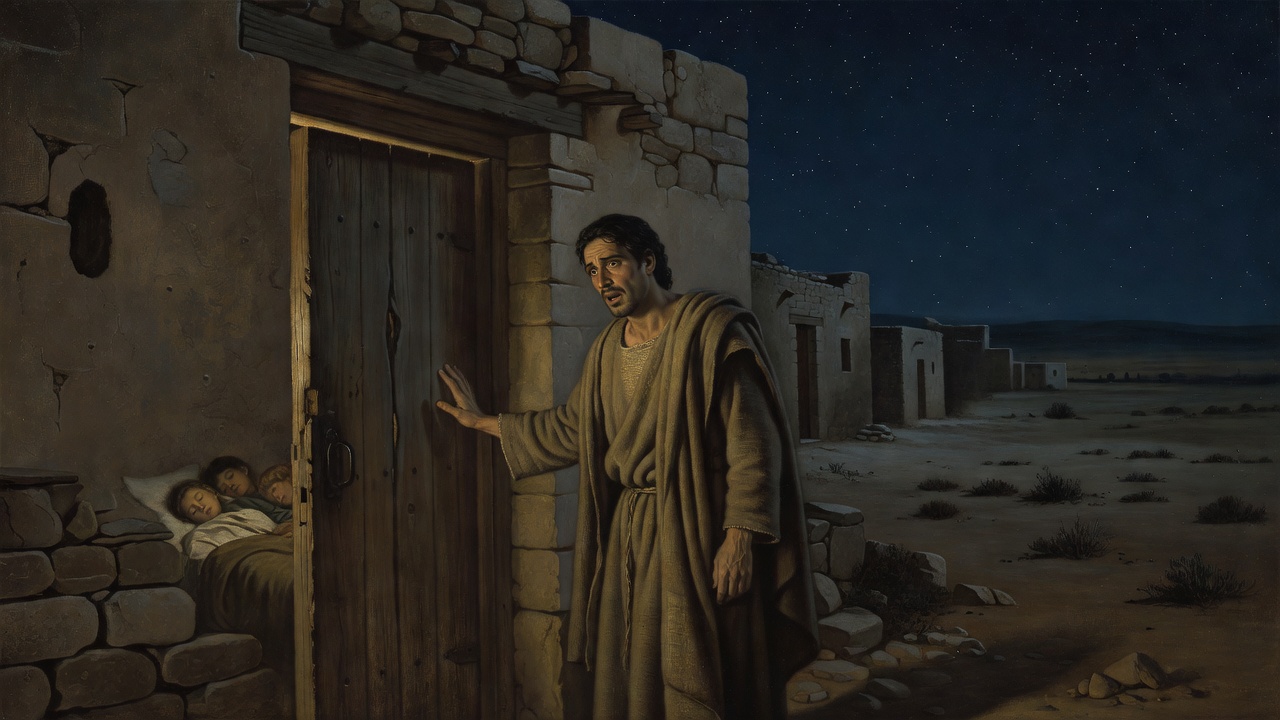
Did you know?
Prayer, Signs, and Woes
- Jesus speaks of the blood of all the prophets, from the blood of Abel to the blood of Zechariah, who was killed between the altar and the sanctuary. Abel was the second son of Adam and Eve and was killed by his brother Cain. Easton's Bible Dictionary (1897) identifies this Zechariah as the son or grandson of the high priest Jehoiada, stoned at the king's command in the court of the house of the Lord after he condemned the king and the people, and notes that Jesus alludes to that murder in this chapter.Sources: the Bible text itself · Abel · Zacharias
- Jesus says this generation will be given no sign except the sign of Jonah: as Jonah was a sign to the Ninevites, so the Son of Man will be a sign to this generation, and the men of Nineveh, who repented at his preaching, will condemn it at the judgment, because someone greater than Jonah is here. Easton's Bible Dictionary (1897) describes Jonah, son of Amittai of Gath-hepher, as a prophet of Israel and a missionary to Nineveh, and calls him a type of the Son of Man. It describes Nineveh as a great and populous city, the flourishing capital of the Assyrian empire.Sources: the Bible text itself · Jonah · Nineveh
- After Jesus drives out a demon that was mute, some say he does it by Beelzebul, the prince of the demons. Easton's Bible Dictionary (1897) explains the name Satan as adversary or accuser, says the New Testament uses it interchangeably with the devil, and lists Beelzebub among his titles. Jesus answers that every kingdom divided against itself will be laid waste, and asks how Satan's kingdom can stand if Satan is divided against himself.Sources: the Bible text itself · Satan
Notes written with AI assistance from open sources (Theographic Bible Metadata, CC BY-SA 4.0; Easton’s Bible Dictionary, public domain) and reviewed before publishing.
Places in this chapter
Only places identified with high confidence are shown (90% or more according to the scholarly sources compiled by OpenBible). Period map: DARE (Digital Atlas of the Roman Empire), CC BY 4.0; modern map: © OpenStreetMap contributors; places: OpenBible.info (CC BY 4.0).
Credits and license for this translation
Sahidica - طبعة جديدة من العهد الجديد باللغة القبطية الصعيدية
Sahidica - A New Edition of the New Testament in Sahidic Coptic
copyright © 2000-2006 J Warren Wells
Language: ⲘⲉⲧⲢⲉⲙ̀ⲛⲭⲏⲙⲓ (Coptic)
Dialect: Sahidic
Translation by: J Warren Wells
Coptic: Sahidic NT "Sahidica - A New Edition of the New Testament in Sahidic Coptic"
Copyright (c)2000-2006 by J Warren Wells. All rights reserved.
For more information visit www.sahidica.org .
This edition is available free of charge for use in free electronic
editions of the New Testament as long as the full title and copyright
information are included and credited. For written permission to use
all or any part of this document in print editions, contact the editor
at www.sahidica.org .
This edition is primarily meant for use by teachers and students of
Sahidic Coptic, and to a lesser degree by Coptologists involved in
scholarly research, textual criticism, or New Testament translation.
PURPOSE
Please note: This text is a work in progress. As such, there
is an ongoing effort to standardize the spelling of words in
the text. Be aware that version updates periodically appear.
The primary purpose is to produce a standardized edition of
the Sahidic NT similar to standard Greek editions.
An additional purpose of this text is to allow side-by-side
comparison with the Greek New Testament. To facilitate this
effort, a new version of the Greek text has been developed,
which is meant to better represent the Greek text upon which
the Sahidic was based. This text is entitled "The New Testament
According to the Egyptian Greek Text" [NTAEG]
This text does not include representation of either accents or
supralinear strokes, since these are used inconsistently in the
original texts. There is also a higher degree of standardization
in spelling and punctuation; like today's standard Greek master
texts, but unlike both the original Sahidic texts, and the PHI
and Coptic Society texts. Moreover, as in standard Greek texts,
instances of the Nomina Sacra have been expanded to their full
forms. This is again a departure from earlier versions of the
Sahidic, including the PHI and Coptic Society texts, which are
Both inconsistent in their usage.
Special thanks to David Brakke of Indiana University Bloomington,
Brigitte Comparini of the Packard Humanities Institute, and
Michael Heiser, Academic Editor, at Logos Research Systems; for
their assistance in making this edition possible.
BASIS
Sahidica was initially based (by permission) on the Coptic New Testament,
which is an electronic publication, which was edited by David Brakke.
(PHI-CD 5.3 dated 7/2/91. Los Altos. Packard Humanities Institute. 1991).
During later development, Sahidica was electronically collated against
the Coptic CD I by the St. Shenouda The Archmandrite Coptic Society.
Los Angeles, CA dated April, 1998.
These two editions were reduced to a raw electronic form, which allowed both
to be compared electronically letter by letter with Sahidica in order to
accurately detect and report every single variation and input error in any
of the texts. Though errors are inevitable, the collators of three seperate
editions are highly unlikely to make the same errors. Therefore, this method
helps to insure the integrity of the Sahidica edition.
Throughout the project, Sahidica was also collated against printed editions
of the following coptic manuscripts, which manuscripts date from the third
century and later.
Matt: Pierpont Morgan Library M-569 collated against Bodmer XIX papyrus
Mark:* PPalau Rib. Inv.Nr.182 collated against Pierpont Morgan Library M-569
Luke: PPalau Rib. Inv.Nr.181 collated against Pierpont Morgan Library M-569
John: PPalau Rib. Inv.Nr.183 collated against Pierpont Morgan Library M-569
Acts: Chester Beatty B (Copt.Ms.814) collated against Berlin P.15926 and British Museum MS Or.7594
Paul: Chester Beatty A (Copt.Ms.813) collated against Pierpont Morgan Library M-570 and M-571
James-Jude:** Pierpont Morgan Library M-572 collated against the Pierpont Morgan Library M-573 and M-601***
Revelation: Berlin MS Or.408 ( British Museum Ms Or.3518) collated against British Museum MS Or.6803
* Note: The longer and shorter endings of Mark are based on Horner; cf Kahle (JTS.1951.p49-57)
** Note: 1st Peter was also collated against the Crosby-Schøyen Ms.193.
*** Note: Portions of James and Jude were reconstructed from M-573, M-601, and four other mss.
Note on Interpolations
The short and long endings of Mark are ommited from the PPalau ms 182, but they do appear in most mss.
To better represent the overall Sahidic tradition, both endings are included, but in double brackets.
The pericope of the adultress (John 7:53-8:11) does not appear in any Sahidic ms. Herein it is omitted.
2014-09-16
Source: http://ebible.org/copshc/ · eBible.org