John 8
Sahidica - طبعة جديدة من العهد الجديد باللغة القبطية الصعيدية · Tap a verse to see its cross-references.
12ⲒⲎⲤⲞⲨⲤ ϬⲈ ⲞⲚ ⲀϤϢⲀϪⲈ ⲚⲘⲘⲀⲨ ⲈϤϪⲰ ⲘⲘⲞⲤ ϪⲈ ⲀⲚⲞⲔ ⲠⲈ ⲠⲞⲨⲞⲒⲚ ⲘⲠⲔⲞⲤⲘⲞⲤ. ⲠⲈⲦⲚⲀⲞⲨⲀϨϤ ⲚⲤⲰⲈⲒ ⲚϤⲚⲀⲘⲞⲞϢⲈ ⲀⲚ ϨⲘ ⲠⲔⲀⲔⲈ ⲀⲖⲖⲀ ϤⲚⲀϪⲒ ⲘⲠⲞⲨⲞⲒⲚ ⲘⲠⲰⲚϨ. 13ⲠⲈϪⲈ ⲚⲈⲪⲀⲢⲒⲤⲤⲀⲒⲞⲤ ϬⲈ ⲚⲀϤ ϪⲈ ⲚⲦⲞⲔ ⲈⲔⲢⲘⲚⲦⲢⲈ ϨⲀⲢⲞⲔ. ⲦⲈⲔⲘⲚⲦⲘⲚⲦⲢⲈ ⲞⲨⲘⲈ ⲀⲚ ⲦⲈ. 14ⲀⲒⲎⲤⲞⲨⲤ ⲞⲨⲰϢⲂ ⲠⲈϪⲀϤ ⲚⲀⲨ ϪⲈ ⲔⲀⲚ ⲀⲚⲞⲔ ⲈⲈⲒϢⲀⲚⲢⲘⲚⲦⲢⲈ ϨⲀⲢⲞⲈⲒ ⲦⲀⲘⲚⲦⲘⲚⲦⲢⲈ ⲞⲨⲘⲈ ⲦⲈ ϪⲈ ϮⲤⲞⲞⲨⲚ ϪⲈ ⲚⲦⲀⲒⲈⲒ ⲦⲰⲚ ⲀⲨⲰ ⲈⲒⲚⲀ ⲈⲦⲰⲚ ⲚⲦⲰⲦⲚ ⲚⲦⲈⲦⲚ ⲤⲞⲞⲨⲚ ⲀⲚ ϪⲈ ⲚⲦⲀⲈⲒ ⲦⲰⲚ ⲎⲈⲒⲚⲀ ⲈⲦⲰⲚ. 15ⲚⲦⲰⲦⲚ ⲈⲦⲈⲦⲚⲔⲢⲒⲚⲈ ⲔⲀⲦⲀ ⲤⲀⲢⲜ ⲀⲠⲞⲔ ⲚϮⲔⲢⲒⲚⲈ ⲀⲚ ⲖⲖⲀⲀⲨ. 16ⲔⲀⲚ ⲈⲒϢⲀⲚⲔⲢⲒⲚⲈ ⲆⲈ ⲀⲚⲞⲔ ⲦⲀⲔⲢⲒⲤⲒⲤ ⲞⲨⲘⲈⲈ ⲦⲈ ϪⲈ ⲚⲀⲚⲞⲔ ⲀⲚ ⲘⲘⲀⲦⲈ ⲠⲈ ⲀⲖⲖⲀ ⲀⲚⲞⲔ ⲚⲘ ⲠⲒⲰⲦ ⲈⲚⲦⲀϤⲦⲀⲞⲨⲞⲈⲒ. 17ϤⲤⲎϨ ⲆⲈ ⲞⲚ ϨⲘ ⲠⲈⲦⲚⲚⲞⲘⲞⲤ ϪⲈ ⲦⲘⲚⲦⲘⲚⲦⲢⲈ ⲚⲢⲰⲘⲈ ⲤⲚⲀⲨ ⲞⲨⲘⲈ ⲦⲈ. 18ⲀⲚⲞⲔ ⲠⲈⲦⲢⲘⲚⲦⲢⲈ ϨⲀⲢⲞⲈⲒ ⲀⲨⲰ ϤⲢ ⲘⲚⲦⲢⲈ ⲞⲚ ϨⲀⲢⲞⲒ ⲚϬⲒ ⲠⲈⲒⲰⲦ ⲈⲚⲦⲀϤⲦⲀⲞⲨⲈⲒ. 19ⲚⲈⲨϪⲰ ϬⲈ ⲘⲘⲞⲤ ⲚⲀϤ ϪⲈ ⲈϤⲦⲰⲚ ⲠⲈⲔⲈⲒⲰⲦ ⲀϤⲞⲨⲰϢⲂ ⲚϬⲒ ⲒⲎⲤⲞⲨⲤ ⲠⲈϪⲀϤ ⲚⲀⲨ ϪⲈ ⲞⲨⲦⲈ ⲚⲦⲈⲦⲚ ⲤⲞⲞⲨⲚ ⲘⲘⲞⲒ ⲀⲚ ⲞⲨⲦⲈ ⲞⲚ ⲚⲦⲈⲦⲚ ⲤⲞⲞⲨⲚ ⲀⲚ ⲘⲠⲀⲒⲰⲦ ⲈⲚⲈⲦⲈⲦⲚⲤⲞⲞⲨⲚ ⲘⲘⲞⲒ ⲚⲈⲦⲈⲦⲚⲀⲤⲞⲨⲚ ⲠⲀⲒⲰⲦ ⲞⲚ ⲠⲈ. 20ⲚⲈⲈⲒϢⲀϪⲈ ⲀϤϪⲞⲞⲨ ϨⲘ ⲠⲄⲀⲌⲞⲪⲨⲖⲀⲔⲒⲞⲚ ⲈϤϮⲤⲂⲰ ϨⲘ ⲠⲈⲢⲠⲈ ⲀⲨⲰ ⲘⲠⲈ ⲖⲀⲀⲨ ϬⲞⲠϤ ϪⲈ ⲘⲠⲀⲦⲈ ⲦⲈϤⲞⲨⲚⲞⲨ ⲈⲒ. 21ⲠⲈϪⲀϤ ϬⲈ ⲞⲚ ⲚⲀⲨ ⲚϬⲒ ⲒⲎⲤⲞⲨⲤ. ϪⲈ ⲀⲚⲞⲔ ϮⲚⲀⲂⲰⲔ ⲀⲨⲰ ⲦⲈⲦⲚⲀϢⲒⲚⲈ ⲚⲤⲰⲈⲒ ⲀⲨⲰ ⲦⲈⲦⲚⲀⲘⲞⲨ ϨⲢⲀⲒ ϨⲘ ⲠⲈⲦⲚⲚⲞⲂⲈ ⲀⲨⲰ ⲠⲘⲀ ⲀⲚⲞⲔ ⲈϮⲚⲀⲂⲰⲔ ⲈⲢⲞϤ ⲚⲦⲰⲦⲚ ⲘⲚ ϢϬⲞⲘ ⲘⲘⲰⲦⲚ ⲈⲈⲒ ⲈⲘⲘⲀⲨ. 22ⲚⲈⲨϪⲰ ϬⲈ ⲘⲘⲞⲤ ⲚϬⲒ ⲚⲒⲞⲨⲆⲀⲒ. ϪⲈ ⲘⲎⲦⲒ ⲈϤⲚⲀⲘⲞⲨⲞⲨⲦ ⲘⲘⲞϤ ϪⲈ ϤϪⲰ ⲘⲘⲞⲤ ϪⲈ ⲠⲘⲀ ⲀⲚⲞⲔ ⲈϮⲚⲀⲂⲰⲔ ⲈⲢⲞϤ ⲚⲦⲰⲦⲚ ⲚⲦⲈⲦⲚ ⲀϢⲈⲒ ⲀⲚ ⲈⲘⲘⲀⲨ. 23ⲀⲨⲰ ⲠⲈϪⲀϤ ⲚⲀⲨ ϪⲈ ⲚⲦⲰⲦⲚ ⲚⲦⲈⲦⲚ ϨⲈⲚⲈⲂⲞⲖ ϨⲘ ⲠⲔⲀϨ ⲀⲚⲞⲔ ⲀⲚⲄ ⲞⲨⲈⲂⲞⲖ ϨⲚ ⲦⲠⲈ ⲚⲦⲰⲦⲚ ⲚⲦⲈⲦⲚ ϨⲈⲚⲈⲂⲞⲖ ϨⲘ ⲠⲈⲒⲔⲞⲤⲘⲞⲤ ⲀⲚⲞⲔ ⲀⲚⲄ ⲞⲨⲈⲂⲞⲖ ⲀⲚ ϨⲘ ⲠⲈⲒⲔⲞⲤⲘⲞⲤ. 24ⲀⲒϪⲞⲞⲤ ϬⲈ ⲚⲎⲦⲚ ϪⲈ ⲦⲈⲦⲚⲀⲘⲞⲨ ϨⲚ ⲚⲈⲦⲚⲚⲞⲂⲈ. ⲈⲦⲈⲦⲚⲦⲘⲠⲒⲤⲦⲈⲨⲈ ⲄⲀⲢ ϪⲈ ⲀⲚⲞⲔ ⲠⲈ ⲦⲈⲦⲚⲀⲘⲞⲨ ϨⲚ ⲚⲈⲦⲚⲚⲞⲂⲈ. 25ⲚⲈⲨϪⲰ ϬⲈ ⲘⲘⲞⲤ ⲚⲀϤ ϪⲈ ⲚⲦⲞⲔ ⲚⲦⲔ ⲚⲒⲘ. ⲠⲈϪⲈ ⲒⲎⲤⲞⲨⲤ ⲚⲀⲨ. ϪⲈ ϪⲒⲚ ⲚϢⲞⲢⲠ ϮϢⲀϪⲈ ⲚⲘⲘⲎⲦⲚ 26ⲈⲨⲚϮ ϨⲀϨ ⲈϪⲰ ⲈⲦⲂⲈ ⲦⲎⲨⲦⲚ ⲀⲨⲰ ⲈⲔⲢⲒⲚⲈ. ⲀⲖⲖⲀ ⲞⲨⲘⲈ ⲠⲈ ⲠⲈⲚⲦⲀϤⲦⲀⲞⲨⲞⲈⲒ. ⲀⲨⲰ ⲀⲚⲞⲔ ⲚⲈⲚⲦⲀⲒⲤⲞⲦⲘⲞⲨ ⲚⲦⲞⲞⲦϤ ⲚⲀⲒ ⲚⲈϮϪⲰ ⲘⲘⲞⲞⲨ ⲈⲠⲔⲞⲤⲘⲞⲤ. 27ⲘⲠⲞⲨⲈⲒⲘⲈ ϪⲈ ⲈϤϢⲀϪⲈ ⲚⲘⲘⲀⲨ ⲈⲦⲂⲈ ⲠⲈⲒⲰⲦ. 28ⲠⲈϪⲀϤ ϬⲈ ⲚⲀⲨ ⲚϬⲒ ⲒⲎⲤⲞⲨⲤ ϪⲈ ϨⲞⲦⲀⲚ ⲈⲦⲈⲦⲚϢⲀⲚϪⲒⲤⲈ ⲘⲠϢⲎⲢⲈ ⲘⲠⲢⲰⲘⲈ ⲦⲞⲦⲈ ⲦⲈⲦⲚⲀⲈⲒⲘⲈ ϪⲈ ⲀⲚⲞⲔ ⲠⲈ ⲀⲨⲰ ⲚϮⲢⲖⲀⲀⲨ ⲀⲚ ϨⲀⲢⲞⲒ ⲘⲘⲀⲨⲀⲀⲦ ⲀⲖⲖⲀ ⲔⲀⲦⲀⲐⲈ ⲈⲚⲦⲀ ⲠⲀⲈⲒⲰⲦ ⲦⲤⲀⲂⲞⲈⲒ ⲚⲀⲒ ⲚⲈϮϪⲰ ⲘⲘⲞⲞⲨ. 29ⲀⲨⲰ ϤϢⲞⲞⲠ ⲚⲘⲘⲀⲒ ⲚϬⲒ ⲠⲈⲚⲦⲀϤⲦⲀⲞⲨⲞⲒ. ⲀⲨⲰ ⲘⲠϤⲔⲀⲀⲦ ⲘⲘⲀⲨⲀⲀⲦ ϪⲈ ⲀⲚⲞⲔ ϮⲈⲒⲢⲈ ⲚⲚⲈⲦⲢⲀⲚⲀϤ ⲚⲞⲨⲞⲒϢ ⲚⲒⲘ. 30ⲚⲀⲒ ⲈϤϪⲰ ⲘⲘⲞⲞⲨ ⲀϨⲀϨ ⲠⲒⲤⲦⲈⲨⲈ ⲈⲢⲞϤ. 31ⲒⲎⲤⲞⲨⲤ ϬⲈ ⲚⲈϤϪⲰ ⲘⲘⲞⲤ ⲚⲒⲞⲨⲆⲀⲒ ⲈⲚⲦⲀⲨⲠⲒⲤⲦⲈⲨⲈ ⲈⲢⲞϤ ϪⲈ ⲈϢⲰⲠⲈ ⲚⲦⲰⲦⲚ ⲈⲦⲈⲦⲚϢⲀⲚϬⲰ ϨⲘ ⲠϢⲀϪⲈ. ⲚⲦⲈⲦⲚ ⲚⲀⲘⲀⲐⲎⲦⲎⲤ ⲚⲀⲘⲈ 32ⲀⲨⲰ ⲦⲈⲦⲚⲀⲤⲞⲨⲚ ⲦⲘⲈ ⲀⲨⲰ ⲦⲘⲈ ⲚⲀⲢ ⲦⲎⲨⲦⲚ ⲚⲢⲘϨⲈ. 33ⲀⲨⲞⲨⲰϢⲂ ⲚⲀϤ ⲠⲈϪⲀⲨ. ϪⲈ ⲀⲚⲞⲚ ⲠⲈⲤⲠⲈⲢⲘⲀ ⲚⲀⲂⲢⲀϨⲀⲘ ⲀⲨⲰ ⲘⲠⲚⲢϨⲘϨⲀⲖ ⲖⲖⲀⲀⲨ ⲈⲚⲈϨ. ⲚⲀϢ ⲚϨⲈ ⲚⲦⲞⲔ ⲔϪⲰ ⲘⲘⲞⲤ ϪⲈ ⲦⲈⲦⲚⲀⲢⲢⲘϨⲈ. 34ⲀϤⲞⲨⲰϢⲂ ⲚϬⲒ ⲒⲎⲤⲞⲨⲤ. ϪⲈ ϨⲀⲘⲎⲚ ϨⲀⲘⲎⲚ ϮϪⲰ ⲘⲘⲞⲤ ⲚⲎⲦⲚ ϪⲈ ⲠⲈⲦⲒⲢⲈ ⲘⲠⲚⲞⲂⲈ ϤⲞ ⲚϨⲘϨⲀⲖ ⲘⲠⲚⲞⲂⲈ. 35ⲠϨⲘϨⲀⲖ ⲆⲈ ⲚϤⲚⲀϬⲰ ⲀⲚ ϨⲘ ⲠⲎⲒ ϢⲀ ⲈⲚⲈϨ. ⲠϢⲎⲢⲈ ⲆⲈ ⲚⲦⲞϤ ϤⲚⲀϬⲰ ϢⲀ ⲈⲚⲈϨ. 36ⲈⲢϢⲀ ⲠϢⲎⲢⲈ ϬⲈ ⲢⲦⲎⲨⲦⲚ ⲢⲢⲘϨⲈ. ⲞⲚⲦⲰⲤ ⲦⲈⲦⲚⲀϢⲰⲠⲈ ⲚⲢⲘϨⲈ. 37ϮⲤⲞⲞⲨⲚ ϪⲈ ⲚⲦⲈⲦⲚ ⲠⲈⲤⲠⲈⲢⲘⲀ ⲚⲀⲂⲢⲀϨⲀⲘ. ⲀⲖⲖⲀ ⲦⲈⲦⲚϢⲒⲚⲈ ⲚⲤⲰⲈⲒ ⲈⲘⲞⲞⲨⲦ ϪⲈ ⲠϢⲀϪⲈ ⲚϤⲞⲨⲎϨ ⲀⲚ ⲚϨⲎⲦ ⲦⲎⲨⲦⲚ. 38ⲀⲚⲞⲔ ⲚⲈⲚⲦⲀⲒⲚⲀⲨ ⲈⲢⲞⲞⲨ ⲚⲦⲘ ⲠⲀⲒⲰⲦ ⲚⲈϮϪⲰ ⲘⲘⲞⲞⲨ ⲚⲦⲰⲦⲚ ϬⲈ ϨⲰⲦ ⲦⲎⲨⲦⲚ ⲚⲈⲚⲦⲀⲦⲈⲦⲚⲚⲀⲨ ⲈⲢⲞⲞⲨ ⲚⲦⲘ ⲠⲈⲦⲚⲈⲒⲰⲦ ⲀⲢⲒⲤⲞⲨ. 39ⲀⲨⲞⲨⲰϢⲂ ⲈⲨϪⲰ ⲘⲘⲞⲤ ⲚⲀϤ ϪⲈ ⲠⲈⲚⲈⲒⲰⲦ ⲠⲈ ⲀⲂⲢⲀϨⲀⲘ. ⲠⲈϪⲈ ⲒⲎⲤⲞⲨⲤ ⲚⲀⲨ ϪⲈ ⲈⲚⲈ ⲚⲦⲈⲦⲚ ⲚϢⲎⲢⲈ ⲚⲀⲂⲢⲀϨⲀⲘ ⲚⲈⲦⲈⲦⲚⲀⲢ ⲚⲈϨⲂⲎⲨⲈ ⲚⲀⲂⲢⲀϨⲀⲘ. 40ⲦⲈⲚⲞⲨ ⲆⲈ ⲦⲈⲦⲚϢⲒⲚⲈ ⲚⲤⲰⲈⲒ ⲈⲘⲞⲞⲨⲦ ⲞⲨⲢⲰⲘⲈ ⲈϤϪⲰ ⲚⲎⲦⲚ ⲚⲦⲘⲈ ⲦⲀⲒ ⲈⲚⲦⲀϤⲤⲞⲦⲘⲈⲤ ⲈⲂⲞⲖ ϨⲒⲦⲘ ⲠⲚⲞⲨⲦⲈ. ⲘⲠⲈ ⲀⲂⲢⲀϨⲀⲘ ⲢⲠⲀⲒ. 41ⲚⲦⲰⲦⲚ ⲈⲦⲈⲦⲚⲒⲢⲈ ⲚⲚⲈϨⲂⲎⲨⲈ ⲘⲠⲈⲦⲚⲈⲒⲰⲦ ⲠⲈϪⲀⲨ ϬⲈ ⲚⲀϤ ϪⲈ ⲀⲚⲞⲚ ⲚⲦⲀⲨϪⲠⲞⲚ ⲀⲚ ⲈⲂⲞⲖ ϨⲚ ⲞⲨⲠⲞⲢⲚⲈⲒⲀ ⲞⲨⲒⲰⲦ ⲚⲞⲨⲰⲦ ⲠⲈⲦϢⲞⲞⲠ ⲚⲀⲚ ⲈⲦⲈ ⲠⲚⲞⲨⲦⲈ ⲠⲈ. 42ⲠⲈϪⲈ ⲒⲎⲤⲞⲨⲤ ϬⲈ ⲚⲀⲨ ϪⲈ ⲈⲚⲈ ⲠⲈⲦⲚⲈⲒⲰⲦ ⲠⲈ ⲠⲚⲞⲨⲦⲈ ⲚⲈⲦⲈⲦⲚⲀⲘⲈⲢⲒⲦ ⲠⲈ ⲀⲚⲞⲔ ⲄⲀⲢ ⲚⲦⲀⲒⲈⲒ ⲀⲨⲰ ⲈⲒⲚⲎⲨ ⲈⲂⲞⲖ ϨⲒⲦⲘ ⲠⲚⲞⲨⲦⲈ ⲚⲦⲀⲒ ⲄⲀⲢ ⲀⲚ ϨⲀⲢⲞⲒ ⲘⲘⲀⲨⲀⲀⲦ ⲀⲖⲖⲀ ⲠⲈⲦⲘⲘⲀⲨ ⲠⲈⲚⲦⲀϤⲦⲀⲞⲨⲞⲈⲒ. 43ⲈⲦⲂⲈ ⲞⲨ ⲘⲠⲈⲦⲚⲤⲞⲨⲚ ⲦⲀϬⲒⲚϢⲀϪⲈ. ϪⲈ ⲘⲘⲚϬⲞⲘ ⲘⲘⲰⲦⲚ ⲈⲤⲰⲦⲘ ⲈⲠⲀϢⲀϪⲈ. 44ⲚⲦⲰⲦⲚ ⲚⲦⲈⲦⲚ ϨⲈⲚⲈⲂⲞⲖ ϨⲘ ⲠⲈⲦⲚⲈⲒⲰⲦ ⲠⲆⲒⲀⲂⲞⲖⲞⲤ ⲀⲨⲰ ⲦⲈⲦⲚⲞⲨⲰϢ ⲈⲢ ⲚⲈⲠⲒⲐⲨⲘⲒⲀ ⲘⲠⲈⲦⲚⲈⲒⲰⲦ. ⲠⲈⲦⲘⲘⲀⲨ ⲚⲈⲨⲢⲈϤϨⲈⲦⲂ ⲢⲰⲘⲈ ⲠⲈ ϪⲒⲚ ⲚϢⲞⲢⲠ ⲀⲨⲰ ⲘⲠϤⲀϨⲈⲢⲀⲦϤ ϨⲚ ⲦⲘⲈ ϪⲈ ⲘⲚ ⲘⲈ ϢⲞⲞⲠ ϨⲢⲀⲒ ⲚϨⲎⲦϤ ϨⲞⲦⲀⲚ ⲈⲢⲈ ⲠϬⲞⲖ ⲚⲀϢⲀϪⲈ ⲈϢⲀϤϢⲀϪⲈ ⲈⲂⲞⲖ ϨⲚ ⲚⲈⲦⲈⲚⲞⲨϤ ⲚⲈ ϪⲈ ⲞⲨⲢⲈϤϪⲒϬⲞⲖ ⲠⲈ ⲘⲚ ⲠⲈϤⲔⲈⲈⲒⲰⲦ. 45ⲀⲚⲞⲔ ⲆⲈ ϪⲈ ϮϪⲰ ⲚⲦⲘⲈ ⲚⲦⲈⲦⲘⲠⲒⲤⲦⲈⲨⲈ ⲈⲢⲞⲈⲒ ⲀⲚ. 46ⲚⲒⲘ ⲚϨⲎⲦ ⲦⲎⲨⲦⲚ ⲠⲈⲦⲚⲀϪⲠⲒⲞⲈⲒ ⲈⲦⲂⲈ ⲚⲞⲂⲈ. ⲈϢϪⲈ ⲈⲈⲒϪⲰ ⲚⲦⲘⲈ. ⲈⲦⲂⲈ ⲞⲨ ⲚⲦⲰⲦⲚ ⲚⲦⲈⲦⲚ ⲠⲒⲤⲦⲈⲨⲈ ⲚⲀⲒ ⲀⲚ. 47ⲠⲈⲦϢⲞⲞⲠ ⲈⲂⲞⲖ ϨⲘ ⲠⲚⲞⲨⲦⲈ ϢⲀϤⲤⲰⲦⲘ ⲈⲚϢⲀϪⲈ ⲘⲠⲚⲞⲨⲦⲈ. ⲈⲦⲂⲈ ⲠⲀⲒ ⲚⲦⲰⲦⲚ ⲚⲦⲈⲦⲚ ⲤⲰⲦⲘ ⲀⲚ ϪⲈ ⲚⲦⲈⲦⲚ ϨⲈⲚⲈⲂⲞⲖ ⲀⲚ ϨⲘ ⲠⲚⲞⲨⲦⲈ. 48ⲀⲚⲒⲞⲨⲆⲀⲒ ⲞⲨⲰϢⲂ ⲈⲨϪⲰ ⲘⲘⲞⲤ ⲚⲀϤ. ϪⲈ ⲘⲎ ⲔⲀⲖⲰⲤ ⲀⲚ ⲀⲚⲞⲚ ⲦⲚϪⲰ ⲘⲘⲞⲤ ϪⲈ ⲚⲦⲔⲞⲨⲤⲀⲘⲀⲢⲒⲦⲎⲤ ⲀⲨⲰ ⲞⲨⲚ ⲞⲨⲆⲀⲒⲘⲰⲚⲒⲞⲚ ⲚⲘⲘⲀⲔ. 49ⲀϤⲞⲨⲰϢⲂ ⲚϬⲒ ⲒⲎⲤⲞⲨⲤ. ϪⲈ ⲀⲚⲞⲔ ⲘⲚⲆⲀⲒⲘⲰⲚⲒⲞⲚ ⲚⲘⲘⲀⲒ. ⲀⲖⲖⲀ ϮⲦⲀⲒⲞ ⲘⲠⲀⲈⲒⲰⲦ ⲀⲨⲰ ⲚⲦⲰⲦⲚ ⲦⲈⲦⲚⲤⲰϢ ⲘⲘⲞⲈⲒ. 50ⲀⲚⲞⲔ ⲆⲈ ⲚϮϢⲒⲚⲈ ⲀⲚ ⲚⲤⲀ ⲠⲀⲈⲞⲞⲨ ϤϢⲞⲞⲠ ⲚϬⲒ ⲠⲈⲦⲚⲀϢⲒⲚⲈ ⲀⲨⲰ ⲚϤⲔⲢⲒⲚⲈ. 51ϨⲀⲘⲎⲚ ϨⲀⲘⲎⲚ ϮϪⲰ ⲘⲘⲞⲤ ⲚⲎⲦⲚ ϪⲈ ⲠⲈⲦⲚⲀϨⲀⲢⲈϨ ⲈⲠⲀϢⲀϪⲈ. ⲚϤⲚⲀⲚⲀⲨ ⲀⲚ ⲈⲠⲘⲞⲨ ϢⲀ ⲈⲚⲈϨ. 52ⲠⲈϪⲈ ⲚⲒⲞⲨⲆⲀⲒ ϬⲈ ⲚⲀϤ ϪⲈ ⲦⲈⲚⲞⲨ ⲀⲚⲈⲒⲘⲈ ϪⲈ ⲞⲨⲆⲀⲒⲘⲰⲚⲒⲞⲚ ⲠⲈⲦⲚⲘⲘⲀⲔ ⲀⲂⲢⲀϨⲀⲘ ⲀϤⲘⲞⲨ ⲚⲘ ⲚⲈⲠⲢⲞⲪⲎⲦⲎⲤ ⲀⲨⲰ ⲚⲦⲞⲔ ⲔϪⲰ ⲘⲘⲞⲤ ϪⲈ ⲠⲈⲦⲚⲀϨⲀⲢⲈϨ ⲈⲠⲀϢⲀϪⲈ ⲚϤⲚⲀϪⲒϮⲠⲈ ⲀⲚ ⲘⲠⲘⲞⲨ ϢⲀ ⲈⲚⲈϨ. 53ⲘⲎ ⲚⲦⲞⲔ ⲈⲚⲀⲀⲀⲔ ⲈⲠⲈⲚⲈⲒⲰⲦ ⲀⲂⲢⲀϨⲀⲘ ⲠⲀⲒ ⲈⲚⲦⲀϤⲘⲞⲨ. ⲀⲨⲰ ⲚⲈⲠⲢⲞⲪⲎⲦⲎⲤ ⲀⲨⲘⲞⲨ. ⲈⲔⲈⲒⲢⲈ ⲘⲘⲞⲔ ⲚⲚⲒⲘ. 54ⲀϤⲞⲨⲰϢⲂ ⲚϬⲒ ⲒⲎⲤⲞⲨⲤ ϪⲈ ⲈϢⲰⲠⲈ ⲀⲚⲞⲔ ⲈⲒϢⲀⲚϮⲈⲞⲞⲨ ⲚⲀⲒ ⲞⲨⲖⲀⲀⲨ ⲠⲈ ⲠⲀⲈⲞⲞⲨ ϤϢⲞⲞⲠ ⲚϬⲒ ⲠⲀⲈⲒⲰⲦ ⲈⲦϮⲈⲞⲞⲨ ⲚⲀⲒ ⲠⲀⲒ ⲚⲦⲰⲦⲚ ⲈⲦⲈⲦⲚϪⲰ ⲘⲘⲞⲤ ϪⲈ ⲠⲈⲚⲚⲞⲨⲦⲈ ⲠⲈ 55ⲀⲨⲰ ⲘⲠⲈⲦⲚⲤⲞⲨⲰⲚϤ ⲀⲚⲞⲔ ⲆⲈ ϮⲤⲞⲞⲨⲚ ⲘⲘⲞϤ ⲈⲒϢⲀⲚϪⲞⲞⲤ ϪⲈ ⲚϮⲤⲞⲞⲨⲚ ⲘⲘⲞϤ ⲀⲚ ⲈⲈⲒⲚⲀϢⲰⲠⲈ ⲚⲢⲈϤϪⲒϬⲞⲖ ⲚⲦⲈⲦⲚ ϨⲈ ⲀⲖⲖⲀ ϮⲤⲞⲞⲨⲚ ⲘⲘⲞϤ ⲀⲨⲰ ϮϨⲀⲢⲈϨ ⲈⲠⲈϤϢⲀϪⲈ. 56ⲀⲂⲢⲀϨⲀⲘ ⲆⲈ ⲠⲈⲦⲚⲈⲒⲰⲦ ⲀϤⲦⲈⲖⲎⲖ ϪⲈⲔⲀⲀⲤ ⲈϤⲈⲚⲀⲨ ⲈⲠⲀϨⲞⲞⲨ ⲀⲨⲰ ⲀϤⲚⲀⲨ ⲀⲨⲰ ⲀϤⲢⲀϢⲈ. 57ⲠⲈϪⲀⲨ ϬⲈ ⲚⲀϤ ⲚϬⲒ ⲚⲒⲞⲨⲆⲀⲒ. ϪⲈ ⲘⲠⲀⲦⲔⲢ ⲦⲀⲒⲞⲨ ⲚⲢⲞⲘⲠⲈ ⲀⲨⲰ ⲀⲀⲂⲢⲀϨⲀⲘ ⲚⲀⲨ ⲈⲢⲞⲔ. 58ⲠⲈϪⲈ ⲒⲎⲤⲞⲨⲤ ⲚⲀⲨ ϪⲈ ϨⲀⲘⲎⲚ ϨⲀⲘⲎⲚ ϮϪⲰ ⲘⲘⲞⲤ ⲚⲎⲦⲚ ϪⲈ ⲈⲘⲠⲀⲦⲈ ⲀⲂⲢⲀϨⲀⲘ ϢⲰⲠⲈ ⲀⲚⲞⲔ ϮϢⲞⲞⲠ. 59ⲀⲨϤⲒⲰⲚⲈ ϬⲈ ϪⲈⲔⲀⲀⲤ ⲈⲨⲈⲚⲞⲨϪⲈ ⲈⲢⲞϤ. ⲒⲎⲤⲞⲨⲤ ⲆⲈ ⲀϤϨⲞⲠϤ ⲀϤⲈⲒ ⲈⲂⲞⲖ ϨⲘ ⲠⲈⲢⲠⲈ.
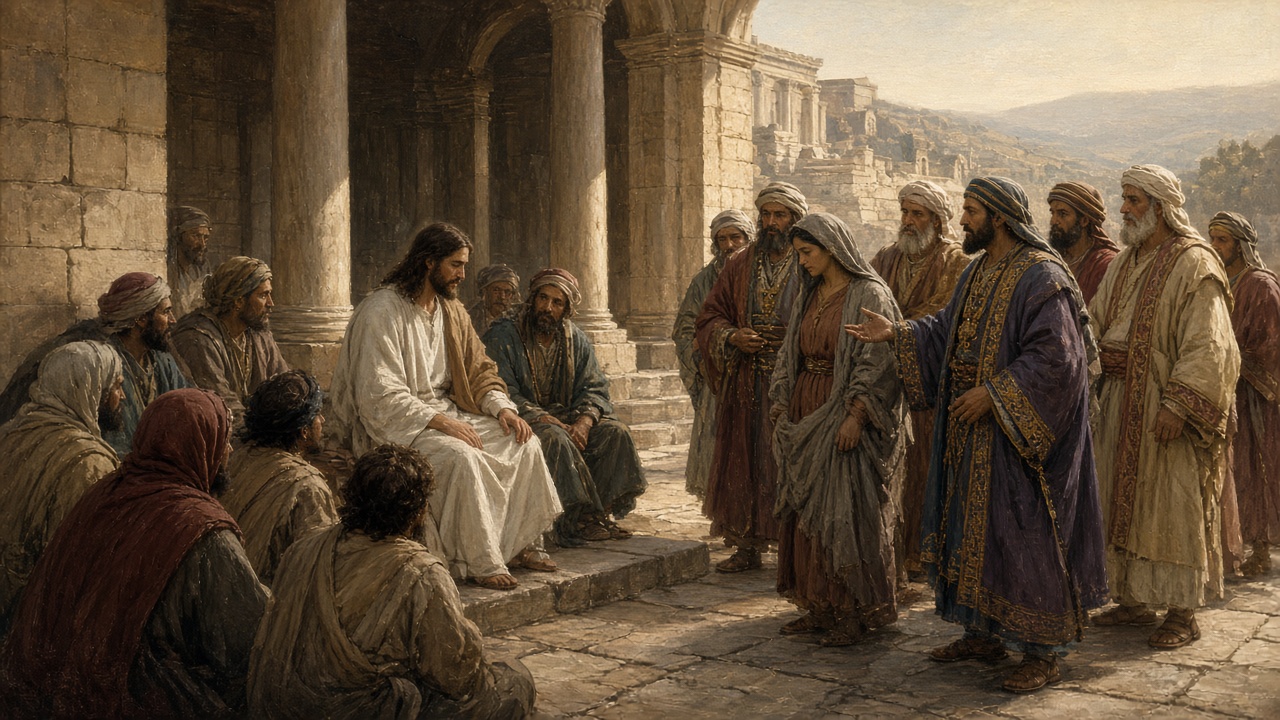
Did you know?
Light, Law, and Abraham
- John 8 opens as Jesus goes to the Mount of Olives and returns early in the morning to the temple courts, where he sits and teaches the people who gather. The Mount of Olives is a ridge east of Jerusalem, separated from the city by the Kidron valley and named for the olive trees that cover its sides.Sources: the Bible text itself · Mount of Olives
- Scribes and Pharisees bring in a woman caught in adultery and ask Jesus what he says about Moses' command in the Law to stone such a woman, seeking to test him and to gain a basis for accusing him. Still in the temple courts, near the treasury, Jesus later says, "I am the light of the world." A dated event list places both episodes in AD 29, each lasting one day.Sources: the Bible text itself · Woman Caught in Adultery · Light of the World/I am discourse
- When Jesus says that the truth will set them free, his hearers answer that they are Abraham's descendants and have never been slaves to anyone. Abraham is called "father of a multitude"; he was the son of Terah and the heir of the promises. After Jesus declares, "before Abraham was born, I am," they pick up stones to throw at him.Sources: the Bible text itself · Abraham
Notes written with AI assistance from open sources (Theographic Bible Metadata, CC BY-SA 4.0; Easton’s Bible Dictionary, public domain) and reviewed before publishing.
Places in this chapter
- Mount of Olives · 31.778, 35.246 · verse 1
Only places identified with high confidence are shown (90% or more according to the scholarly sources compiled by OpenBible). Period map: DARE (Digital Atlas of the Roman Empire), CC BY 4.0; modern map: © OpenStreetMap contributors; places: OpenBible.info (CC BY 4.0).
Credits and license for this translation
Sahidica - طبعة جديدة من العهد الجديد باللغة القبطية الصعيدية
Sahidica - A New Edition of the New Testament in Sahidic Coptic
copyright © 2000-2006 J Warren Wells
Language: ⲘⲉⲧⲢⲉⲙ̀ⲛⲭⲏⲙⲓ (Coptic)
Dialect: Sahidic
Translation by: J Warren Wells
Coptic: Sahidic NT "Sahidica - A New Edition of the New Testament in Sahidic Coptic"
Copyright (c)2000-2006 by J Warren Wells. All rights reserved.
For more information visit www.sahidica.org .
This edition is available free of charge for use in free electronic
editions of the New Testament as long as the full title and copyright
information are included and credited. For written permission to use
all or any part of this document in print editions, contact the editor
at www.sahidica.org .
This edition is primarily meant for use by teachers and students of
Sahidic Coptic, and to a lesser degree by Coptologists involved in
scholarly research, textual criticism, or New Testament translation.
PURPOSE
Please note: This text is a work in progress. As such, there
is an ongoing effort to standardize the spelling of words in
the text. Be aware that version updates periodically appear.
The primary purpose is to produce a standardized edition of
the Sahidic NT similar to standard Greek editions.
An additional purpose of this text is to allow side-by-side
comparison with the Greek New Testament. To facilitate this
effort, a new version of the Greek text has been developed,
which is meant to better represent the Greek text upon which
the Sahidic was based. This text is entitled "The New Testament
According to the Egyptian Greek Text" [NTAEG]
This text does not include representation of either accents or
supralinear strokes, since these are used inconsistently in the
original texts. There is also a higher degree of standardization
in spelling and punctuation; like today's standard Greek master
texts, but unlike both the original Sahidic texts, and the PHI
and Coptic Society texts. Moreover, as in standard Greek texts,
instances of the Nomina Sacra have been expanded to their full
forms. This is again a departure from earlier versions of the
Sahidic, including the PHI and Coptic Society texts, which are
Both inconsistent in their usage.
Special thanks to David Brakke of Indiana University Bloomington,
Brigitte Comparini of the Packard Humanities Institute, and
Michael Heiser, Academic Editor, at Logos Research Systems; for
their assistance in making this edition possible.
BASIS
Sahidica was initially based (by permission) on the Coptic New Testament,
which is an electronic publication, which was edited by David Brakke.
(PHI-CD 5.3 dated 7/2/91. Los Altos. Packard Humanities Institute. 1991).
During later development, Sahidica was electronically collated against
the Coptic CD I by the St. Shenouda The Archmandrite Coptic Society.
Los Angeles, CA dated April, 1998.
These two editions were reduced to a raw electronic form, which allowed both
to be compared electronically letter by letter with Sahidica in order to
accurately detect and report every single variation and input error in any
of the texts. Though errors are inevitable, the collators of three seperate
editions are highly unlikely to make the same errors. Therefore, this method
helps to insure the integrity of the Sahidica edition.
Throughout the project, Sahidica was also collated against printed editions
of the following coptic manuscripts, which manuscripts date from the third
century and later.
Matt: Pierpont Morgan Library M-569 collated against Bodmer XIX papyrus
Mark:* PPalau Rib. Inv.Nr.182 collated against Pierpont Morgan Library M-569
Luke: PPalau Rib. Inv.Nr.181 collated against Pierpont Morgan Library M-569
John: PPalau Rib. Inv.Nr.183 collated against Pierpont Morgan Library M-569
Acts: Chester Beatty B (Copt.Ms.814) collated against Berlin P.15926 and British Museum MS Or.7594
Paul: Chester Beatty A (Copt.Ms.813) collated against Pierpont Morgan Library M-570 and M-571
James-Jude:** Pierpont Morgan Library M-572 collated against the Pierpont Morgan Library M-573 and M-601***
Revelation: Berlin MS Or.408 ( British Museum Ms Or.3518) collated against British Museum MS Or.6803
* Note: The longer and shorter endings of Mark are based on Horner; cf Kahle (JTS.1951.p49-57)
** Note: 1st Peter was also collated against the Crosby-Schøyen Ms.193.
*** Note: Portions of James and Jude were reconstructed from M-573, M-601, and four other mss.
Note on Interpolations
The short and long endings of Mark are ommited from the PPalau ms 182, but they do appear in most mss.
To better represent the overall Sahidic tradition, both endings are included, but in double brackets.
The pericope of the adultress (John 7:53-8:11) does not appear in any Sahidic ms. Herein it is omitted.
2014-09-16
Source: http://ebible.org/copshc/ · eBible.org