John 3
Sahidica - طبعة جديدة من العهد الجديد باللغة القبطية الصعيدية · Tap a verse to see its cross-references.
1ⲚⲈⲨⲚ ⲞⲨⲢⲰⲘⲈ ⲆⲈ ⲈⲂⲞⲖ ϨⲚ ⲚⲈⲪⲀⲢⲒⲤⲤⲀⲒⲞⲤ ⲈⲠⲈϤⲢⲀⲚ ⲠⲈ ⲚⲒⲔⲞⲆⲎⲘⲞⲤ ⲈⲨⲀⲢⲬⲰⲚ ⲚⲒⲞⲨⲆⲀⲒ ⲠⲈ. 2ⲠⲀⲒ ⲀϤⲈⲒ ϢⲀⲢⲞϤ ⲚⲦⲈⲨϢⲎ ⲠⲈϪⲀϤ ⲚⲀϤ ϪⲈ ϨⲢⲀⲂⲂⲈⲒ ⲦⲚⲤⲞⲞⲨⲚ ϪⲈ ⲚⲦⲔ ⲞⲨⲤⲀϨ ⲈⲀⲔⲈⲒ ⲈⲂⲞⲖ ϨⲒⲦⲘ ⲠⲚⲞⲨⲦⲈ ⲘⲘⲚ ϢϬⲞⲘ ⲄⲀⲢ ⲖⲖⲀⲀⲨ ⲈⲢⲚⲈⲒⲘⲀⲒⲚ ⲈⲦⲔⲈⲒⲢⲈ ⲚⲦⲞⲔ ⲘⲘⲞⲞⲨ ⲈⲒ ⲘⲎⲦⲒ ⲈⲢⲈ ⲠⲚⲞⲨⲦⲈ ϢⲞⲞⲠ ⲚⲘⲘⲀϤ. 3ⲀⲒⲎⲤⲞⲨⲤ ⲞⲨⲰϢⲂ ⲠⲈϪⲀϤ ⲚⲀϤ ϪⲈ ϨⲀⲘⲎⲚ ϨⲀⲘⲎⲚ ϮϪⲰ ⲘⲘⲞⲤ ⲚⲀⲔ ϪⲈ ⲈⲨⲦⲘϪⲠⲈ ⲞⲨⲀ ⲚⲔⲈⲤⲞⲠ. ⲘⲘⲚ ϬⲞⲘ ⲘⲘⲞϤ ⲈⲚⲀⲨ ⲈⲦⲘⲚⲦⲢⲢⲞ ⲘⲠⲚⲞⲨⲦⲈ. 4ⲠⲈϪⲈ ⲚⲒⲔⲞⲆⲎⲘⲞⲤ ⲚⲀϤ. ϪⲈ ⲚⲀϢ ⲚϨⲈ ⲤⲈⲚⲀϪⲠⲈ ⲠⲢⲰⲘⲈ ⲚⲔⲈⲤⲞⲠ ⲈⲀϤⲢϨⲖⲖⲞ. ⲘⲎ ⲞⲨⲚ ϢϬⲞⲘ ⲈⲦⲢⲈϤⲂⲰⲔ ⲈϨⲞⲨⲚ ⲈϨⲎⲦⲤ ⲚⲦⲈϤⲘⲀⲀⲨ ⲚⲔⲈⲤⲞⲠ ⲚⲤⲈϪⲠⲞϤ. 5ⲀϤⲞⲨⲰϢⲂ ⲚϬⲒ ⲒⲎⲤⲞⲨⲤ. ϪⲈ ϨⲀⲘⲎⲚ ϨⲀⲘⲎⲚ ϮϪⲰ ⲘⲘⲞⲤ ⲚⲀⲔ ϪⲈ ⲈⲨⲦⲘϪⲠⲈ ⲞⲨⲀ ⲈⲂⲞⲖ ϨⲚ ⲞⲨⲘⲞⲞⲨ ⲚⲘ ⲞⲨⲠⲚⲈⲨⲘⲀ. ⲘⲚ ϬⲞⲘ ⲘⲘⲞϤ ⲈⲈⲒ ⲈϨⲞⲨⲚ ⲈⲦⲘⲚⲦⲢⲢⲞ ⲘⲠⲚⲞⲨⲦⲈ. 6ⲠⲈⲚⲦⲀⲨϪⲠⲞϤ ⲈⲂⲞⲖ ϨⲚ ⲦⲤⲀⲢⲜ. ⲞⲨⲤⲀⲢⲜ ⲠⲈ. ⲀⲨⲰ ⲠⲈⲚⲦⲀⲨϪⲠⲞϤ ⲈⲂⲞⲖ ϨⲘ ⲠⲈⲠⲚⲈⲨⲘⲀ ⲞⲨⲠⲚⲈⲨⲘⲀ ⲠⲈ. 7ⲘⲠⲢⲢϢⲠⲎⲢⲈ ϪⲈ ⲀⲒϪⲞⲞⲤ ⲚⲀⲔ ϪⲈ ϨⲀⲠⲤ ⲈⲦⲢⲈⲨϪⲠⲈ ⲦⲎⲨⲦⲚ ⲚⲔⲈⲤⲞⲠ. 8ⲠⲈⲠⲚⲈⲨⲘⲀ ⲚⲒϤⲈ ⲈⲠⲘⲀ ⲈⲦϤⲞⲨⲀϢϤ ⲀⲨⲰ ⲔⲤⲰⲦⲘ ⲈⲦⲈϤⲤⲘⲎ. ⲀⲖⲖⲀ ⲚⲄⲤⲞⲞⲨⲚ ⲀⲚ ϪⲈ ⲚⲦⲀϤⲈⲒ ⲦⲰⲚ ⲎⲈϤⲚⲀ ⲈⲦⲰⲚ. ⲦⲀⲒ ⲦⲈ ⲐⲈ ⲚⲞⲨⲞⲚ ⲚⲒⲘ ⲈⲚⲦⲀⲨϪⲠⲞϤ ⲈⲂⲞⲖ ϨⲘ ⲠⲈⲠⲚⲈⲨⲘⲀ. 9ⲀⲚⲒⲔⲞⲆⲎⲘⲞⲤ ⲞⲨⲰϢⲂ ⲠⲈϪⲀϤ ⲚⲀϤ. ϪⲈ ⲚⲀϢ ⲚϨⲈ ⲈⲢⲈϢ ⲚⲀⲒ ⲚⲀϢⲰⲠⲈ. 10ⲀⲒⲎⲤⲞⲨⲤ ⲞⲨⲰϢⲂ ⲠⲈϪⲀϤ ⲚⲀϤ. ϪⲈ ⲚⲦⲞⲔ ⲠⲈ ⲠⲤⲀϨ ⲘⲠⲒⲤⲢⲀⲎⲖ. ⲀⲨⲰ ⲚⲄⲤⲞⲞⲨⲚ ⲀⲚ ⲚⲚⲀⲒ. 11ϨⲀⲘⲎⲚ ϨⲀⲘⲎⲚ ϮϪⲰ ⲘⲘⲞⲤ ⲚⲀⲔ ϪⲈ ⲠⲈⲦⲚⲤⲞⲞⲨⲚ ⲘⲘⲞϤ ⲠⲈⲦⲚϪⲰ ⲘⲘⲞϤ ⲀⲨⲰ ⲠⲈⲦⲚⲚⲀⲨ ⲈⲢⲞϤ ⲠⲈⲦⲚⲢⲘⲚⲦⲢⲈ ⲘⲘⲞϤ ⲀⲨⲰ ⲚⲦⲈⲦⲚ ϪⲒ ⲀⲚ ⲚⲦⲈⲚⲘⲚⲦⲘⲚⲦⲢⲈ. 12ⲈϢϪⲈ ⲀⲈⲒϪⲰ ⲚⲎⲦⲚ ⲚⲚⲀ ⲠⲔⲀϨ ⲀⲨⲰ ⲚⲦⲈⲦⲚ ⲠⲒⲤⲦⲈⲨⲈ ⲀⲚ. ⲚⲀϢ ⲚϨⲈ ⲈⲒϢⲀⲚϪⲰ ⲈⲢⲰⲦⲚ ⲚⲚⲀ ⲦⲠⲈ ⲦⲈⲦⲚⲀⲠⲒⲤⲦⲈⲨⲈ. 13ⲀⲨⲰ ⲘⲠⲈ ⲖⲀⲀⲨ ⲂⲰⲔ ⲈϨⲢⲀⲒ ⲈⲦⲠⲈ ⲈⲒⲘⲎⲦⲒ ⲠⲈⲚⲦⲀϤⲈⲒ ⲈⲂⲞⲖ ϨⲚ ⲦⲠⲈ ⲠϢⲎⲢⲈ ⲘⲠⲢⲰⲘⲈ. 14ⲀⲨⲰ ⲔⲀⲦⲀ ⲐⲈ ⲈⲚⲦⲀ ⲘⲰⲨⲤⲎⲤ ϪⲒⲤⲈ ⲘⲠϨⲞϤ ϨⲚ ⲦⲈⲢⲎⲘⲞⲤ. ⲦⲀⲒ ⲦⲈ ⲐⲈ ϨⲀⲠⲤ ⲈⲦⲢⲈⲨϪⲈⲤⲦ ⲠϢⲎⲢⲈ ⲘⲠⲢⲰⲘⲈ 15ϪⲈⲔⲀⲀⲤ ⲞⲨⲞⲚ ⲚⲒⲘ ⲈⲦⲠⲒⲤⲦⲈⲨⲈ ⲈⲢⲞϤ ⲈϤⲈⲔⲰ ⲚⲀϤ ϨⲢⲀⲒ ⲚϨⲎⲦϤ ⲚⲞⲨⲰⲚϨ ϢⲀ ⲈⲚⲈϨ. 16ⲦⲀⲒ ⲄⲀⲢ ⲦⲈ ⲐⲈ ⲈⲚⲦⲀ ⲠⲚⲞⲨⲦⲈ ⲘⲈⲢⲈ ⲠⲔⲞⲤⲘⲞⲤ. ϨⲰⲤⲦⲈ ⲠⲈϤϢⲎⲢⲈ ⲚⲞⲨⲰⲦ ⲀϤⲦⲀⲀϤ ϪⲈⲔⲀⲀⲤ ⲞⲨⲞⲚ ⲚⲒⲘ ⲈⲦⲠⲒⲤⲦⲈⲨⲈ ⲈⲢⲞϤ ⲚⲚⲈϤϨⲈ ⲈⲂⲞⲖ ⲀⲖⲖⲀ ⲈϤⲈϪⲒ ⲚⲞⲨⲰⲚϨ ϢⲀ ⲈⲚⲈϨ. 17ⲚⲦⲀ ⲠⲚⲞⲨⲦⲈ ⲄⲀⲢ ⲦⲚⲚⲈⲨ ⲠⲈϤϢⲎⲢⲈ ⲀⲚ ⲈⲠⲔⲞⲤⲘⲞⲤ ϪⲈ ⲈϤⲈⲔⲢⲒⲚⲈ ⲘⲠⲔⲞⲤⲘⲞⲤ. ⲀⲖⲖⲀ ϪⲈⲔⲀⲀⲤ ⲈⲢⲈⲠⲔⲞⲤⲘⲞⲤ ⲞⲨϪⲀⲒ ⲈⲂⲞⲖ ϨⲒⲦⲞⲞⲦϤ. 18ⲠⲈⲦⲠⲒⲤⲦⲈⲨⲈ ⲈⲢⲞϤ ⲚⲤⲈⲚⲀⲔⲢⲒⲚⲈ ⲘⲘⲞϤ ⲀⲚ. ⲠⲈⲦⲈ ⲚϤⲠⲒⲤⲦⲈⲨⲈ ⲆⲈ ⲀⲚ ⲎⲆⲎ ⲀⲨⲔⲢⲒⲚⲈ ⲘⲘⲞϤ ϪⲈ ⲘⲠϤⲠⲒⲤⲦⲈⲨⲈ ⲈⲠⲢⲀⲚ ⲘⲠϢⲎⲢⲈ ⲚⲞⲨⲰⲦ ⲚⲦⲈ ⲠⲚⲞⲨⲦⲈ. 19ⲦⲀⲒ ⲆⲈ ⲦⲈ ⲦⲈⲔⲢⲒⲤⲒⲤ ϪⲈ ⲀⲠⲞⲨⲞⲒⲚ ⲈⲒ ⲈⲠⲔⲞⲤⲘⲞⲤ ⲀⲨⲰ ⲀⲚⲢⲰⲘⲈ ⲘⲈⲢⲈ ⲠⲔⲀⲔⲈ ⲈϨⲞⲨⲈ ⲠⲞⲨⲞⲒⲚ. ⲚⲈⲢⲈ ⲚⲈⲨϨⲂⲎⲨⲈ ⲄⲀⲢ ϨⲞⲞⲨ ⲠⲈ. 20ⲞⲨⲞⲚ ⲄⲀⲢ ⲚⲒⲘ ⲈⲦⲒⲢⲈ ⲚⲘⲠⲈⲐⲞⲞⲨ ϤⲘⲞⲤⲦⲈ ⲘⲠⲞⲨⲞⲒⲚ ϪⲈⲔⲀⲀⲤ ⲈⲚⲚⲈⲨϪⲠⲒⲈ ⲚⲈϤϨⲂⲎⲨⲈ ϪⲈ ⲤⲈϨⲞⲞⲨ. 21ⲠⲈⲦⲒⲢⲈ ⲚⲦⲞϤ ⲚⲦⲘⲈ ϢⲀϤⲈⲒ ϢⲀ ⲠⲞⲨⲞⲒⲚ ϪⲈⲔⲀⲀⲤ ⲈⲢⲈ ⲚⲈϤϨⲂⲎⲨⲈ ⲞⲨⲰⲚϨ ⲈⲂⲞⲖ ϪⲈ ⲚⲦⲀϤⲀⲀⲨ ϨⲘ ⲠⲚⲞⲨⲦⲈ. 22ⲘⲚⲚⲤⲀ ⲚⲀⲒ ⲀϤⲈⲒ ⲚϬⲒ ⲒⲎⲤⲞⲨⲤ ⲘⲚ ⲚⲈϤⲘⲀⲐⲎⲦⲎⲤ ⲈⲠⲔⲀϨ ⲚϮⲞⲨⲆⲀⲒⲀ ⲀⲨⲰ ⲚⲈϤⲘⲘⲀⲨ ⲠⲈ ⲚⲘⲘⲀⲨ ⲈϤⲂⲀⲠⲦⲒⲌⲈ. 23ⲚⲈⲢⲈ ⲠⲔⲈⲒⲰϨⲀⲚⲚⲎⲤ ⲆⲈ ⲂⲀⲠⲦⲒⲌⲈ ϨⲚ ⲀⲒⲚⲰⲚ ϨⲀⲦⲚ ⲤⲀⲖⲈⲒⲘ ϪⲈ ⲚⲈⲨⲚϨⲀϨ ⲘⲘⲞⲞⲨ ϨⲘ ⲠⲘⲀ ⲈⲦⲘⲘⲀⲨ. ⲀⲨⲰ ⲚⲈⲨⲚⲎⲨ ⲠⲈ ⲈⲨϪⲒ ⲂⲀⲠⲦⲒⲤⲘⲀ 24ⲚⲈ ⲘⲠⲀⲦⲞⲨⲚⲈϪ ⲒⲰϨⲀⲚⲚⲎⲤ ⲄⲀⲢ ⲠⲈ ⲈⲠⲈϢⲦⲈⲔⲞ. 25ⲀⲨⲌⲎⲦⲎⲤⲒⲤ ϬⲈ ϢⲰⲠⲈ ⲈⲂⲞⲖ ϨⲚ ⲘⲘⲀⲐⲎⲦⲎⲤ ⲚⲒⲰϨⲀⲚⲚⲎⲤ ⲚⲘ ⲞⲨⲒⲞⲨⲆⲀⲒ ⲈⲦⲂⲈ ⲠⲦⲂⲂⲞ 26ⲀⲨⲈⲒ ϢⲀ ⲒⲰϨⲀⲚⲚⲎⲤ ⲠⲈϪⲀⲨ ⲚⲀϤ ϪⲈ ϨⲢⲀⲂⲂⲈⲒ ⲠⲎ ⲈⲦⲈ ⲚⲈϤϢⲞⲞⲠ ⲚⲘⲘⲀⲔ ϨⲒ ⲠⲒⲔⲢⲞ ⲘⲠⲒⲞⲢⲆⲀⲚⲎⲤ ⲠⲀⲒ ⲚⲦⲞⲔ ⲈⲚⲦⲀⲔⲢⲘⲚⲦⲢⲈ ϨⲀⲢⲞϤ ⲈⲒⲤ ϨⲎⲎⲠⲈ ⲚⲦⲞϤ ϤⲂⲀⲠⲦⲒⲌⲈ ⲀⲨⲰ ϤⲢϨⲀϨ ⲘⲘⲀⲐⲎⲦⲎⲤ ⲀⲨⲰ ⲞⲨⲞⲚ ⲚⲒⲘ ⲚⲎⲨ ⲈⲢⲀⲦϤ. 27ⲀⲒⲰϨⲀⲚⲚⲎⲤ ⲞⲨⲰϢⲂ ⲈϤϪⲰ ⲘⲘⲞⲤ ϪⲈ ⲘⲚ ϢϬⲞⲘ ⲘⲠⲢⲰⲘⲈ ⲈϪⲒ ⲖⲀⲀⲨ ϨⲀⲢⲞϤ ⲞⲨⲀⲀϤ ⲈⲒ ⲘⲎⲦⲒ ⲚⲤⲈⲦⲀⲀⲤ ⲚⲀϤ ⲈⲂⲞⲖ ϨⲚ ⲦⲠⲈ. 28ⲚⲦⲰⲦⲚ ⲦⲈⲦⲚⲢⲘⲚⲦⲢⲈ ⲚⲀⲒ ϪⲈ ⲀⲒϪⲞⲞⲤ ϪⲈ ⲚⲀⲚⲞⲔ ⲀⲚ ⲠⲈ ⲠⲈⲬⲢⲒⲤⲦⲞⲤ ⲀⲖⲖⲀ ϪⲈ ⲚⲦⲀⲨⲦⲀⲞⲨⲞⲈⲒ ϨⲀ ⲐⲎ ⲘⲠ ⲈⲦⲘⲘⲀⲨ. 29ⲠⲈⲦⲈⲨⲚⲦⲀϤ ⲘⲘⲀⲨ ⲚⲦϢⲈⲖⲈⲈⲦ ⲚⲦⲞϤ ⲠⲈ ⲠⲀⲦϢⲈⲖⲈⲈⲦ ⲠⲈϢⲂⲎⲢ ⲆⲈ ⲘⲠⲀ ⲦϢⲈⲖⲈⲈⲦ ⲈⲦⲀϨⲈⲢⲀⲦϤ ⲀⲨⲰ ⲈⲦⲤⲰⲦⲘ ⲈⲢⲞϤ ϨⲚ ⲞⲨⲢⲀϢⲈ ϤⲢⲀϢⲈ ⲈⲦⲂⲈ ⲦⲈⲤⲘⲎ ⲘⲠⲀ ⲦϢⲈⲖⲈⲈⲦ ⲠⲀⲢⲀϢⲈ ϬⲈ ⲈⲦⲈ ⲠⲀⲒ ⲠⲈ ⲀϤϪⲰⲔ ⲈⲂⲞⲖ. 30ϨⲀⲠⲤ ⲈⲦⲢⲈⲠ ⲈⲦⲘⲘⲀⲨ ϪⲒⲤⲈ. ⲀⲚⲞⲔ ⲆⲈ ⲈⲦⲢⲀⲐⲂⲂⲒⲞ. 31ⲠⲈⲚⲦⲀϤⲈⲒ ⲈⲂⲞⲖ ϨⲚ ⲦⲠⲈ ϤϨⲒϪⲚ ⲞⲨⲞⲚ ⲚⲒⲘ. ⲠⲈⲦϢⲞⲞⲠ ⲈⲂⲞⲖ ϨⲘ ⲠⲔⲀϨ ⲞⲨ ⲈⲂⲞⲖ ϨⲘ ⲠⲔⲀϨ ⲠⲈ ⲀⲨⲰ ⲈϤϢⲀϪⲈ ⲈⲂⲞⲖ ϨⲘ ⲠⲔⲀϨ. ⲠⲈⲚⲦⲀϤⲈⲒ ⲆⲈ ⲈⲂⲞⲖ ϨⲚ ⲦⲠⲈ. 32ⲠⲈⲚⲦⲀϤⲚⲀⲨ ⲈⲢⲞϤ ⲀⲨⲰ ⲀϤⲤⲞⲦⲘⲈϤ ϤⲢⲘⲚⲦⲢⲈ ⲘⲘⲞϤ ⲀⲨⲰ ⲘⲘⲚ ⲖⲀⲀⲨ ϪⲒ ⲚⲦⲈϤⲘⲚⲦⲘⲚⲦⲢⲈ. 33ⲠⲈⲚⲦⲀϤϪⲒ ⲆⲈ ⲚⲦⲈϤⲘⲚⲦⲘⲚⲦⲢⲈ ⲀϤⲤⲪⲢⲀⲄⲒⲌⲈ ⲘⲘⲞϤ ϪⲈ ⲞⲨⲘⲈ ⲠⲈ ⲠⲚⲞⲨⲦⲈ. 34ⲠⲈⲚⲦⲀ ⲠⲚⲞⲨⲦⲈ ⲄⲀⲢ ⲦⲚⲚⲞⲞⲨϤ ⲈϤϪⲰ ⲚⲚϢⲀϪⲈ ϪⲈ ⲘⲠⲚⲞⲨⲦⲈ ⲚⲈⲢⲈ ⲠⲚⲞⲨⲦⲈ ⲄⲀⲢ Ϯ ⲀⲚ ⲘⲠⲈⲠⲚⲈⲨⲘⲀ ϨⲚ ⲞⲨϢⲒ. 35ⲠⲒⲰⲦ ⲘⲈ ⲘⲠϢⲎⲢⲈ ⲀⲨⲰ ⲀϤϮ ⲚⲔⲀ ⲚⲒⲘ ⲈϨⲢⲀⲒ ⲈⲦⲈϤϬⲒϪ. 36ⲠⲈⲦⲠⲒⲤⲦⲈⲨⲈ ⲈⲠϢⲎⲢⲈ ⲞⲨⲚⲦⲀϤ ⲘⲘⲀⲨ ⲘⲠⲰⲚϨ ϢⲀ ⲈⲚⲈϨ ⲠⲈⲦⲈ ⲚϤⲠⲒⲤⲦⲈⲨⲈ ⲆⲈ ⲀⲚ ⲈⲠϢⲎⲢⲈ ⲚϤⲚⲀⲚⲀⲨ ⲀⲚ ⲈⲠⲰⲚϨ ⲀⲖⲖⲀ ⲦⲞⲢⲄⲎ ⲘⲠⲚⲞⲨⲦⲈ ⲚⲀϬⲰ ⲈϨⲢⲀⲒ ⲈϪⲰϤ.
Did you know?
New birth and John's witness
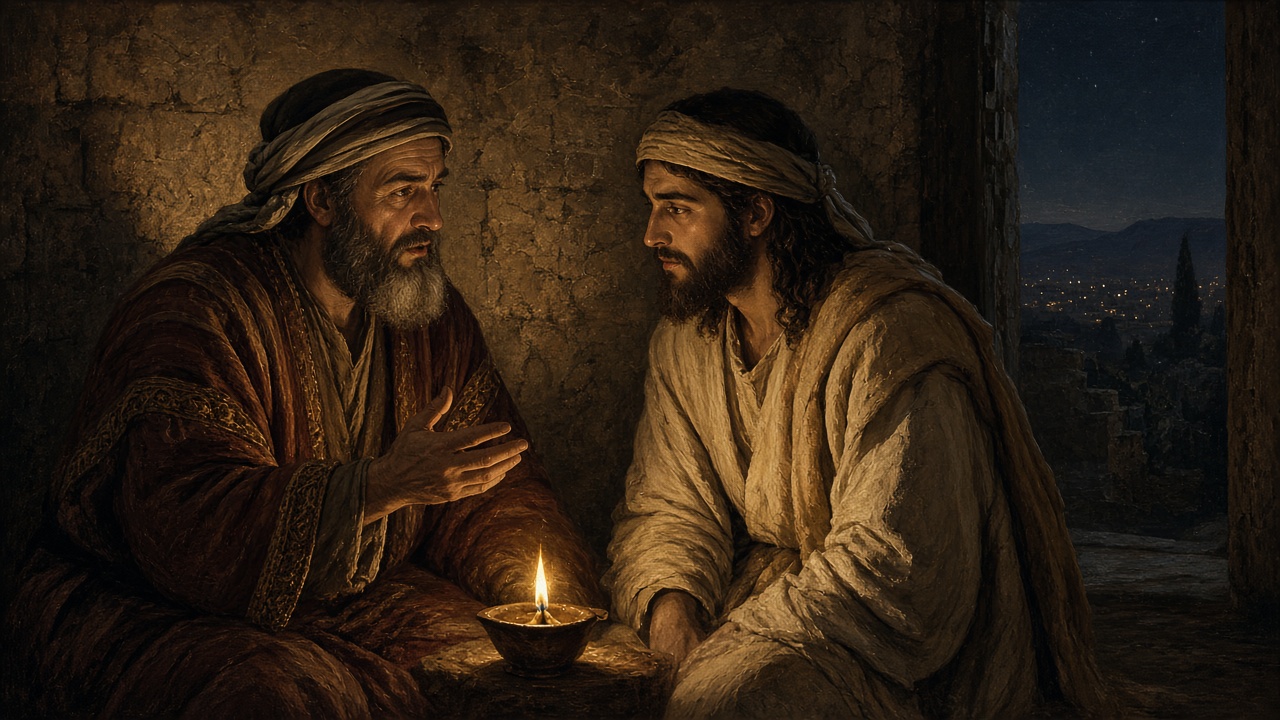
- Nicodemus, whose name means "the people is victor," was a Pharisee and a member of the Sanhedrin. He came to Jesus at night to learn more of his teaching, and the Gospel calls him a leader of the Jews; Jesus addresses him as Israel's teacher.Sources: Nicodemus · the Bible text itself
- After this conversation, Jesus and his disciples went into the Judean countryside, under the Romans the southernmost of the three divisions of Palestine. John was also baptizing at Aenon near Salim, because water was plentiful there; Salim, whose name means "peaceful," lay west of the Jordan. Aenon means "springs," and Easton's Bible Dictionary (1897) places it probably near the upper source of the Wady Far'ah, an open valley full of springs running from Mount Ebal to the Jordan.Sources: the Bible text itself · Judea · Aenon · Salim
- In this chapter John tells his disciples that he is not the Christ but was sent ahead of him, and the narrative notes that he had not yet been thrown into prison. Easton's Bible Dictionary (1897) describes him as the forerunner of Jesus, of priestly descent, and says that his mission was the subject of prophecy.Sources: the Bible text itself · John the Baptist
Notes written with AI assistance from open sources (Theographic Bible Metadata, CC BY-SA 4.0; Easton’s Bible Dictionary, public domain) and reviewed before publishing.
Places in this chapter
- Jerusalem · 31.777, 35.234 · verse 22
- Judea · Today: Judea 1 · 31.777, 35.234 · verse 22
- Jordan · Today: Jordan River · 31.761, 35.558 · verse 26
Only places identified with high confidence are shown (90% or more according to the scholarly sources compiled by OpenBible). Period map: DARE (Digital Atlas of the Roman Empire), CC BY 4.0; modern map: © OpenStreetMap contributors; places: OpenBible.info (CC BY 4.0).
Credits and license for this translation
Sahidica - طبعة جديدة من العهد الجديد باللغة القبطية الصعيدية
Sahidica - A New Edition of the New Testament in Sahidic Coptic
copyright © 2000-2006 J Warren Wells
Language: ⲘⲉⲧⲢⲉⲙ̀ⲛⲭⲏⲙⲓ (Coptic)
Dialect: Sahidic
Translation by: J Warren Wells
Coptic: Sahidic NT "Sahidica - A New Edition of the New Testament in Sahidic Coptic"
Copyright (c)2000-2006 by J Warren Wells. All rights reserved.
For more information visit www.sahidica.org .
This edition is available free of charge for use in free electronic
editions of the New Testament as long as the full title and copyright
information are included and credited. For written permission to use
all or any part of this document in print editions, contact the editor
at www.sahidica.org .
This edition is primarily meant for use by teachers and students of
Sahidic Coptic, and to a lesser degree by Coptologists involved in
scholarly research, textual criticism, or New Testament translation.
PURPOSE
Please note: This text is a work in progress. As such, there
is an ongoing effort to standardize the spelling of words in
the text. Be aware that version updates periodically appear.
The primary purpose is to produce a standardized edition of
the Sahidic NT similar to standard Greek editions.
An additional purpose of this text is to allow side-by-side
comparison with the Greek New Testament. To facilitate this
effort, a new version of the Greek text has been developed,
which is meant to better represent the Greek text upon which
the Sahidic was based. This text is entitled "The New Testament
According to the Egyptian Greek Text" [NTAEG]
This text does not include representation of either accents or
supralinear strokes, since these are used inconsistently in the
original texts. There is also a higher degree of standardization
in spelling and punctuation; like today's standard Greek master
texts, but unlike both the original Sahidic texts, and the PHI
and Coptic Society texts. Moreover, as in standard Greek texts,
instances of the Nomina Sacra have been expanded to their full
forms. This is again a departure from earlier versions of the
Sahidic, including the PHI and Coptic Society texts, which are
Both inconsistent in their usage.
Special thanks to David Brakke of Indiana University Bloomington,
Brigitte Comparini of the Packard Humanities Institute, and
Michael Heiser, Academic Editor, at Logos Research Systems; for
their assistance in making this edition possible.
BASIS
Sahidica was initially based (by permission) on the Coptic New Testament,
which is an electronic publication, which was edited by David Brakke.
(PHI-CD 5.3 dated 7/2/91. Los Altos. Packard Humanities Institute. 1991).
During later development, Sahidica was electronically collated against
the Coptic CD I by the St. Shenouda The Archmandrite Coptic Society.
Los Angeles, CA dated April, 1998.
These two editions were reduced to a raw electronic form, which allowed both
to be compared electronically letter by letter with Sahidica in order to
accurately detect and report every single variation and input error in any
of the texts. Though errors are inevitable, the collators of three seperate
editions are highly unlikely to make the same errors. Therefore, this method
helps to insure the integrity of the Sahidica edition.
Throughout the project, Sahidica was also collated against printed editions
of the following coptic manuscripts, which manuscripts date from the third
century and later.
Matt: Pierpont Morgan Library M-569 collated against Bodmer XIX papyrus
Mark:* PPalau Rib. Inv.Nr.182 collated against Pierpont Morgan Library M-569
Luke: PPalau Rib. Inv.Nr.181 collated against Pierpont Morgan Library M-569
John: PPalau Rib. Inv.Nr.183 collated against Pierpont Morgan Library M-569
Acts: Chester Beatty B (Copt.Ms.814) collated against Berlin P.15926 and British Museum MS Or.7594
Paul: Chester Beatty A (Copt.Ms.813) collated against Pierpont Morgan Library M-570 and M-571
James-Jude:** Pierpont Morgan Library M-572 collated against the Pierpont Morgan Library M-573 and M-601***
Revelation: Berlin MS Or.408 ( British Museum Ms Or.3518) collated against British Museum MS Or.6803
* Note: The longer and shorter endings of Mark are based on Horner; cf Kahle (JTS.1951.p49-57)
** Note: 1st Peter was also collated against the Crosby-Schøyen Ms.193.
*** Note: Portions of James and Jude were reconstructed from M-573, M-601, and four other mss.
Note on Interpolations
The short and long endings of Mark are ommited from the PPalau ms 182, but they do appear in most mss.
To better represent the overall Sahidic tradition, both endings are included, but in double brackets.
The pericope of the adultress (John 7:53-8:11) does not appear in any Sahidic ms. Herein it is omitted.
2014-09-16
Source: http://ebible.org/copshc/ · eBible.org