John 12
Sahidica - طبعة جديدة من العهد الجديد باللغة القبطية الصعيدية · Tap a verse to see its cross-references.
1ⲒⲎⲤⲞⲨⲤ ϬⲈ ϨⲀⲐⲎ ⲚⲤⲞⲞⲨ ⲚϨⲞⲞⲨ ⲈⲠⲠⲀⲤⲬⲀ ⲀϤⲈⲒ ⲈⲂⲎⲐⲀⲚⲒⲀ ⲠⲘⲀ ⲈⲚⲈⲢⲈ ⲖⲀⲌⲀⲢⲞⲤ ⲘⲘⲞϤ ⲠⲈⲚⲦⲀ ⲒⲎⲤⲞⲨⲤ ⲦⲞⲨⲚⲞⲤϤ ⲈⲂⲞⲖ ϨⲚ ⲚⲈⲦⲘⲞⲞⲨⲦ. 2ⲀⲨⲈⲒⲢⲈ ϬⲈ ⲚⲀϤ ⲚⲞⲨⲆⲈⲒⲠⲚⲞⲚ ⲘⲠⲘⲀ ⲈⲦⲘⲘⲀⲨ ⲀⲨⲰ ⲚⲈⲢⲈ ⲘⲀⲢⲐⲀ ⲆⲒⲀⲔⲞⲚⲒ. ⲖⲀⲌⲀⲢⲞⲤ ⲆⲈ ⲚⲈ ⲞⲨⲀ ⲠⲈ ⲚⲚⲈⲦⲚⲎϪ ⲚⲘⲘⲀϤ. 3ⲘⲀⲢⲒⲀ ϬⲈ ⲀⲤϪⲒ ⲚⲞⲨⲖⲒⲦⲢⲀ ⲚⲤⲞϬⲚ ⲚⲚⲀⲢⲆⲞⲤ ⲘⲠⲒⲤⲦⲒⲔⲎ ⲈⲚⲀϢⲈ ⲤⲞⲨⲚⲦⲤ ⲀⲤⲦⲰϨⲤ ⲚⲞⲨⲈⲢⲎⲦⲈ ⲚⲒⲎⲤⲞⲨⲤ ⲀⲨⲰ ⲀⲤϤⲰⲦⲈ ⲚⲚⲈϤⲞⲨⲈⲢⲎ ⲦⲈ ϨⲘ ⲠϤⲰ ⲚⲦⲈⲤⲀⲠⲈ. ⲀⲠⲎⲒ ⲆⲈ ⲘⲞⲨϨ ⲈⲂⲞⲖ ϨⲘ ⲠⲈⲤⲦⲞⲒ ⲘⲠⲤⲞϬⲚ. 4ⲠⲈϪⲈ ⲒⲞⲨⲆⲀⲤ ⲠⲒⲤⲔⲀⲢⲒⲰⲦⲎⲤ ⲞⲨⲀ ⲈⲂⲞⲖ ϨⲚ ⲚⲈϤⲘⲀⲐⲎⲦⲎⲤ ⲠⲈⲦⲚⲀⲠⲀⲢⲀⲆⲒⲆⲞⲨ ⲘⲘⲞϤ. 5ϪⲈ ⲈⲦⲂⲈ ⲞⲨ ⲘⲠⲞⲨϮ ⲠⲈⲈⲒⲤⲞϬⲚ ⲈⲂⲞⲖ ϨⲀ ϢⲘⲚⲦ ϢⲈ ⲚⲤⲀⲦⲈⲈⲢⲈ ⲚⲤⲈⲦⲀⲀⲨ ⲚⲚϨⲎⲔⲈ. 6ⲚⲦⲀϤϪⲈ ⲠⲀⲒ ⲆⲈ. ⲈⲂⲞⲖ ⲀⲚ ϪⲈ ⲠⲈϤⲢⲞⲞⲨϢ ⲠⲈ ⲈⲦⲂⲈ ⲚϨⲎⲔⲈ. ⲀⲖⲖⲀ ϪⲈ ⲚⲈⲨⲢⲈϤϪⲒⲞⲨⲈ ⲠⲈ ⲀⲨⲰ ⲈⲢⲈ ⲠⲈⲄⲖⲰⲤ ⲤⲞⲔⲞⲘⲞⲚ ⲚⲦⲞⲞⲦϤ ⲚⲈϤϨⲰϤⲦ ⲚⲚⲈⲦⲞⲨⲚⲞⲨ ϪⲈ ⲘⲘⲞⲞⲨ ⲈⲢⲞϤ. 7ⲠⲈϪⲀϤ ϬⲈ ⲚϬⲒ ⲒⲎⲤⲞⲨⲤ. ϪⲈ ⲀⲖⲰⲦⲚ ϨⲀⲢⲞⲤ ϪⲈ ⲈⲤⲈϨⲀⲢⲈϨ ⲈⲢⲞϤ ⲈⲠⲈϨⲞⲞⲨ ⲚⲦⲀⲔⲀⲈⲒⲤⲈ. 8ⲚϨⲎⲔⲈ ⲄⲀⲢ ⲚⲘⲘⲎⲦⲚ ⲚⲞⲨⲞⲒϢ ⲚⲒⲘ. ⲀⲚⲞⲔ ⲆⲈ ⲚϮ ⲚⲘⲘⲎⲦⲚ ⲀⲚ ⲚⲞⲨⲞⲒϢ ⲚⲒⲘ. 9ⲞⲨⲘⲎⲎϢⲈ ⲆⲈ ⲈⲚⲀϢⲰϤ ⲈⲂⲞⲖ ϨⲚ ⲒⲞⲨⲆⲀⲒ ⲀⲨⲈⲒⲘⲈ ϪⲈ ϤⲘⲘⲀⲨ. ⲀⲨⲰ ⲀⲨⲈⲒ ⲈⲦⲂⲈ ⲒⲎⲤⲞⲨⲤ ⲀⲚ ⲘⲘⲀⲦⲈ ⲀⲖⲖⲀ ϪⲈⲔⲀⲀⲤ ⲞⲚ ⲈⲨⲈⲚⲀⲨ ⲈⲖⲀⲌⲀⲢⲞⲤ ⲠⲈⲚⲦⲀϤⲦⲞⲨⲚⲞⲤϤ ⲈⲂⲞⲖ ϨⲚ ⲚⲈⲦⲘⲞⲞⲨⲦ 10ⲀⲨϪⲒϢⲞϪⲚⲈ ϬⲈ ⲚϬⲒ ⲚⲀⲢⲬⲒⲈⲢⲈⲨⲤ ϪⲈⲔⲀⲀⲤ ⲈⲨⲈⲘⲞⲨⲞⲨⲦ ⲘⲠⲔⲈⲖⲀⲌⲀⲢⲞⲤ 11ϪⲈ ⲚⲈⲢⲈ ϨⲀϨ ⲚⲒⲞⲨⲆⲀⲒ ⲂⲎⲔ ⲈⲦⲂⲎⲎ ⲦϤ ⲀⲨⲰ ⲚⲈⲨⲠⲒⲤⲦⲈⲨⲈ ⲈⲒⲎⲤⲞⲨⲤ. 12ⲠⲈϤⲢⲀⲤⲦⲈ ⲞⲨⲘⲎⲎϢⲈ ⲈⲚⲀϢⲰϤ ⲚⲚⲈⲚⲦⲀⲨⲈⲒ ⲈⲠϢⲀ ⲚⲦⲈⲢⲞⲨⲤⲰⲦⲘ ϪⲈ ⲒⲎⲤⲞⲨⲤ ⲚⲎⲨ ⲈⲐⲒⲈⲢⲞⲤⲞⲖⲨⲘⲀ 13ⲀⲨϪⲒ ⲚϨⲈⲚⲂⲀ ϨⲚ ϨⲈⲚⲂⲚⲚⲈ ⲀⲨⲈⲒ ⲈⲂⲞⲖ ⲈⲦⲰⲘⲚⲦ ⲈⲢⲞϤ ⲀⲨⲰ ⲀⲨⲀϢⲔⲀⲔ ⲈⲂⲞⲖ ϪⲈ ⲰⲤⲀⲚⲚⲀ. ϤⲤⲘⲀⲘⲀⲀⲦ ⲚϬⲒ ⲠⲈⲦⲚⲎⲨ ϨⲘ ⲠⲢⲀⲚ ⲘⲠϪⲞⲈⲒⲤ ⲠⲢⲢⲞ ⲚⲦⲈ ⲠⲒⲤⲢⲀⲎⲖ. 14ⲒⲎⲤⲞⲨⲤ ⲆⲈ ⲚⲦⲈⲢⲈϤϨⲈ ⲈⲨⲈⲒⲰ ⲀϤⲀⲖⲈ ⲈⲢⲞϤ ⲔⲀⲦⲀⲐⲈ ⲈⲦⲤⲎϨ. 15ϪⲈ ⲘⲠⲢⲢϨⲞⲦⲈ ⲦϢⲈⲈⲢⲈ ⲚⲤⲒⲰⲚ ϪⲈ ⲈⲒⲤ ⲠⲞⲨⲢⲢⲞ ⲚⲎⲨ ⲚⲈ ⲈϤϨⲘⲞⲞⲤ ⲈϪⲚ ⲞⲨⲤⲎϬ ⲚⲈⲒⲰ. 16ⲚⲈϤⲘⲀⲐⲎⲦⲎⲤ ⲘⲠⲞⲨⲈⲒⲘⲈ ⲈⲚⲀⲒ ⲚϢⲞⲢⲠ. ⲀⲖⲖⲀ ⲚⲦⲈⲢⲈϤϪⲒ ⲈⲞⲞⲨ ⲚϬⲒ ⲒⲎⲤⲞⲨⲤ ⲦⲞⲦⲈ ⲀⲨⲢⲠⲘⲈⲨⲈ ϪⲈ ⲚⲈⲢⲈ ⲚⲀⲒ ⲤⲎϨ ⲈⲦⲂⲎⲎⲦϤ ⲀⲨⲰ ⲚⲀⲒ ⲚⲈ ⲚⲦⲀⲨⲀⲀⲨ ⲚⲀϤ. 17ⲚⲈϤⲢⲘⲚⲦⲢⲈ ϬⲈ ⲚϬⲒ ⲠⲘⲎⲎϢⲈ ⲈⲦⲚⲘⲘⲀϤ ϪⲈ ⲀϤⲘⲞⲨⲦⲈ ⲈⲖⲀⲌⲀⲢⲞⲤ ⲈⲂⲞⲖ ϨⲘ ⲠⲦⲀⲪⲞⲤ ⲀⲨⲰ ⲀϤⲦⲞⲨⲚⲞⲤϤ ⲈⲂⲞⲖ ϨⲚ ⲚⲈⲦⲘⲞⲞⲨⲦ. 18ⲈⲦⲂⲈ ⲠⲀⲒ ⲞⲚ ⲀⲠⲘⲎⲎϢⲈ ⲈⲒ ⲈⲂⲞⲖ ϨⲎⲦϤ ϪⲈ ⲀϤⲤⲰⲦⲘ ϪⲈ ⲀϤⲢⲠⲈⲒⲘⲀⲒⲚ. 19ⲚⲈⲪⲀⲢⲒⲤⲤⲀⲒⲞⲤ ϬⲈ ⲠⲈϪⲀⲨ ⲚⲚⲈⲨⲈⲢⲎⲨ. ϪⲈ ⲦⲈⲦⲚⲚⲀⲨ ϪⲈ ⲚⲦⲈⲦⲚ ϮϨⲎⲨ ⲀⲚ ⲖⲖⲀⲀⲨ. ⲈⲒⲤ ⲠⲔⲞⲤⲘⲞⲤ ⲀϤⲂⲰⲔ ϨⲒ ⲠⲀϨⲞⲨ ⲘⲘⲞϤ. 20ⲚⲈⲨⲚ ϨⲈⲚⲞⲨⲈⲒⲈⲚⲒⲚ ⲆⲈ ⲈⲂⲞⲖ ϨⲚ ⲚⲈⲦⲂⲎⲔ ⲈϨⲢⲀⲒ ⲈⲞⲨⲰϢⲦ ⲘⲠϢⲀ. 21ⲚⲀⲒ ϬⲈ ⲀⲨϮ ⲠⲈⲨⲞⲒ ⲈⲪⲒⲖⲒⲠⲠⲞⲤ ⲠⲈⲂⲞⲖ ϨⲚ ⲂⲎⲆⲤⲀⲒⲆⲀ ⲚⲦⲄⲀⲖⲒⲖⲀⲒⲀ ⲀⲨⲰ ⲀⲨⲤⲈⲠⲤⲰⲠϤ ⲈⲨϪⲰ ⲘⲘⲞⲤ ϪⲈ ⲠϪⲞⲈⲒⲤ ⲦⲚⲞⲨⲰϢ ⲈⲚⲀⲨ ⲈⲒⲎⲤⲞⲨⲤ. 22ⲀⲪⲒⲖⲒⲠⲠⲞⲤ ⲈⲒ ⲀϤϪⲞⲞⲤ ⲈⲀⲚⲆⲢⲈⲀⲤ. ⲀⲚⲆⲢⲈⲀⲤ ⲆⲈ ⲚⲘ ⲪⲒⲖⲒⲠⲠⲞⲤ ⲀⲨϪⲞⲞⲤ ⲈⲒⲎⲤⲞⲨⲤ. 23ⲒⲎⲤⲞⲨⲤ ⲆⲈ ⲀϤⲞⲨⲰϢⲂ ⲈϤϪⲰ ⲘⲘⲞⲤ ⲚⲀⲨ. ϪⲈ ⲀⲦⲈⲨⲚⲞⲨ ⲈⲒ ϪⲈⲔⲀⲀⲤ ⲈϤⲈϪⲒ ⲈⲞⲞⲨ ⲚϬⲒ ⲠϢⲎⲢⲈ ⲘⲠⲢⲰⲘⲈ. 24ϨⲀⲘⲎⲚ ϨⲀⲘⲎⲚ ϮϪⲰ ⲘⲘⲞⲤ ⲚⲎⲦⲚ ϪⲈ ⲈⲢⲈⲦⲘⲦⲂⲖⲂⲒⲖⲈ ⲚⲤⲞⲨⲞ ϨⲈ ⲈϨⲢⲀⲒ ⲈϪⲘ ⲠⲔⲀϨ ⲚⲤⲘⲞⲨ ϢⲀⲤϬⲰ ⲘⲀⲨⲀⲀⲤ ⲈϢⲰⲠⲈ ⲆⲈ ⲈⲤϢⲀⲚⲘⲞⲨ ϢⲀⲤϮ ⲞⲨⲔⲀⲢⲠⲞⲤ ⲈⲚⲀϢⲰϤ. 25ⲠⲈⲦⲘⲈ ⲚⲦⲈϤⲮⲨⲬⲎ ϤⲚⲀⲤⲞⲢⲘⲈⲤ. ⲀⲨⲰ ⲠⲈⲦⲘⲞⲤⲦⲈ ⲚⲦⲈϤⲮⲨⲬⲎ ϨⲘ ⲠⲈⲒⲔⲞⲤⲘⲞⲤ. ϤⲚⲀϨⲈ ⲈⲢⲞⲤ ⲈⲨⲰⲚϨ ϢⲀ ⲈⲚⲈϨ. 26ⲈϢⲰⲠⲈ ⲞⲨⲚ ⲞⲨⲀ ⲚⲀⲆⲒⲀⲔⲞⲚⲒ ⲚⲀⲒ ⲘⲀⲢⲈϤⲞⲨⲀϨϤ ⲚⲤⲰⲈⲒ ⲀⲨⲰ ⲠⲘⲀ ⲀⲚⲞⲔ ⲈϮ ⲘⲘⲞϤ ⲠⲀⲔⲈⲆⲒⲀⲔⲞⲚⲞⲤ ⲚⲀϢⲰⲠⲈ ⲘⲘⲀⲨ ⲈⲢϢⲀ ⲞⲨⲀ ⲆⲒⲀⲔⲞⲚⲒ ⲚⲀⲒ ⲠⲀⲒⲰⲦ ⲚⲀⲦⲀⲒⲞϤ. 27ⲦⲈⲚⲞⲨ ⲀⲦⲀⲮⲨⲬⲎ ϢⲦⲞⲢⲦⲢ ⲀⲨⲰ ⲞⲨ ⲠⲈϮⲚⲀϪⲞⲞϤ. ⲠⲀⲒⲰⲦ ⲘⲀⲦⲞⲨϪⲞⲈⲒ ⲈⲂⲞⲖ ϨⲚ ⲦⲈⲒⲞⲨⲚⲞⲨ. ⲀⲖⲖⲀ ⲈⲦⲂⲈ ⲠⲀⲒ ⲀⲒⲈⲒ ⲈϨⲢⲀⲒ ⲈⲦⲈⲒⲞⲨⲚⲞⲨ. 28ⲠⲀⲒⲰⲦ ϮⲈⲞⲞⲨ ⲘⲠⲈⲔⲢⲀⲚ. ⲀⲨⲤⲘⲎ ϬⲈ ⲈⲒ ⲈⲂⲞⲖ ϨⲚ ⲦⲠⲈ. ϪⲈ ⲀⲒϮ ⲈⲞⲞⲨ ⲀⲨⲰ ⲞⲚ ϮⲚⲀϮ ⲈⲞⲞⲨ. 29ⲠⲘⲎⲎϢⲈ ⲈⲦⲀϨⲈⲢⲀⲦϤ ⲈⲦⲤⲰⲦⲘ ⲚⲈⲨϪⲰ ⲘⲘⲞⲤ ϪⲈ ⲞⲨϨⲢⲞⲨ ⲘⲠⲈ ⲠⲈⲚⲦⲀϤϢⲰⲠⲈ. ϨⲈⲚⲔⲞⲞⲨⲈ ⲆⲈ ⲚⲈⲨϪⲰ ⲘⲘⲞⲤ ϪⲈ ⲞⲨⲀⲄⲄⲈⲖⲞⲤ ⲠⲈ ⲚⲦⲀϤϢⲀϪⲈ ⲚⲘⲘⲀϤ. 30ⲀϤⲞⲨⲰϢⲂ ⲈϤϪⲰ ⲘⲘⲞⲤ ⲚϬⲒ ⲒⲎⲤⲞⲨⲤ. ϪⲈ ⲚⲦⲀ ⲦⲈⲒⲤⲘⲎ ⲈⲒ ⲀⲚ ⲈⲦⲂⲎⲎⲦ ⲀⲖⲖⲀ ⲈⲦⲂⲈ ⲦⲎⲨⲦⲚ. 31ⲦⲈⲚⲞⲨ ⲦⲈⲔⲢⲒⲤⲒⲤ ⲦⲈ ⲘⲠⲈⲒⲔⲞⲤⲘⲞⲤ. ⲦⲈⲚⲞⲨ ⲠⲀⲢⲬⲰⲚ ⲘⲠⲈⲒⲔⲞⲤⲘⲞⲤ ⲤⲈⲚⲀⲚⲞϪϤ ⲈⲠⲈⲤⲎⲦ. 32ⲀⲚⲞⲔ ϨⲰ ⲈⲨϢⲀⲚϪⲀⲤⲦ ⲈⲂⲞⲖ ϨⲒϪⲘ ⲠⲔⲀϨ. ϮⲚⲀⲤⲈⲔ ⲞⲨⲞⲚ ⲚⲒⲘ ϢⲀⲢⲞⲈⲒ. 33ⲚⲈϤϪⲰ ⲆⲈ ⲘⲠⲀⲒ ⲚⲈϤⲤⲎⲘⲀⲚⲈ ϪⲈ ⲈϤⲚⲀⲘⲞⲨ ϨⲚ ⲀϢ ⲘⲘⲞⲨ. 34ⲀϤⲞⲨⲰϢⲂ ϬⲈ ⲚⲀϤ ⲚϬⲒ ⲠⲘⲎⲎϢⲈ ϪⲈ ⲀⲚⲞⲚ ⲀⲚⲤⲰⲦⲘ ⲈⲂⲞⲖ ϨⲘ ⲠⲚⲞⲘⲞⲤ ϪⲈ ⲠⲈⲬⲢⲒⲤⲦⲞⲤ ⲚⲀϢⲰⲠⲈ ϢⲀ ⲈⲚⲈϨ. ⲀⲨⲰ ⲚⲀϢ ⲚϨⲈ ⲚⲦⲞⲔ ⲔϪⲰ ⲘⲘⲞⲤ ϪⲈ ϨⲀⲠⲤ ⲈⲦⲢⲈⲨϪⲈⲤⲦ ⲠϢⲎⲢⲈ ⲘⲠⲢⲰⲘⲈ. 35ⲠⲈϪⲀϤ ϬⲈ ⲚⲀⲨ ⲚϬⲒ ⲒⲎⲤⲞⲨⲤ ϪⲈ ⲈⲦⲒ ⲔⲈⲔⲞⲨⲈⲒ ⲚⲞⲨⲞⲒϢ ⲠⲈ ⲈⲢⲈ ⲠⲞⲨⲞⲒⲚ ϢⲞⲞⲠ ⲚⲘⲘⲎⲦⲚ ⲘⲞⲞϢⲈ ϨⲞⲤⲞⲚ ⲞⲨⲚⲦⲎⲦⲚ ⲠⲞⲨⲞⲒⲚ ϪⲈ ⲚⲚⲈ ⲠⲔⲀⲔⲈ ⲦⲀϨⲈ ⲦⲎⲨⲦⲚ ⲀⲨⲰ ⲠⲈⲦⲘⲞⲞϢⲈ ϨⲘ ⲠⲔⲀⲔⲈ ⲚϤⲤⲞⲞⲨⲚ ⲀⲚ ϪⲈ ⲈϤⲚⲀ ⲈⲦⲰⲚ. 36ϨⲞⲤⲞⲚ ⲞⲨⲚⲦⲎⲦⲚ ⲠⲞⲨⲞⲒⲚ. ⲠⲒⲤⲦⲈⲨⲈ ⲈⲠⲞⲨⲞⲒⲚ ϪⲈⲔⲀⲀⲤ ⲈⲦⲈⲦⲚⲈϢⲰⲠⲈ ⲚϢⲎⲢⲈ ⲚⲦⲈ ⲠⲞⲨⲞⲒⲚ. ⲚⲀⲒ ⲀϤϪⲞⲞⲨ ⲚϬⲒ ⲒⲎⲤⲞⲨⲤ ⲀⲨⲰ ⲀϤⲂⲰⲔ ⲀϤϨⲞⲠϤ ⲈⲢⲞⲞⲨ. 37ⲚⲈⲒⲘⲀⲒⲚ ⲆⲈ ⲦⲎⲢⲞⲨ ⲈⲀϤⲀⲀⲨ ⲘⲠⲈⲨⲘⲦⲞ ⲈⲂⲞⲖ. ⲘⲠⲞⲨⲠⲒⲤⲦⲈⲨⲈ ⲈⲢⲞϤ. 38ϪⲈⲔⲀⲀⲤ ⲈⲢⲈ ⲠϢⲀϪⲈ ⲚⲎⲤⲀⲒⲀⲤ ⲠⲈⲠⲢⲞⲪⲎⲦⲎⲤ ϪⲰⲔ ⲈⲂⲞⲖ ⲠⲈⲚⲦⲀϤϪⲞⲞϤ. ϪⲈ ⲠϪⲞⲈⲒⲤ ⲚⲒⲘ ⲠⲈ ⲚⲦⲀϤⲠⲒⲤⲦⲈⲨⲈ ⲈⲠⲈⲚϨⲢⲞⲞⲨ. ⲀⲨⲰ ⲠⲈϬⲂⲞⲈⲒ ⲘⲠϪⲞⲈⲒⲤ ⲚⲦⲀϤϬⲰⲖⲠ ⲈⲚⲒⲘ. 39ⲈⲦⲂⲈ ⲠⲀⲒ ⲘⲠⲞⲨϢ ϬⲘϬⲞⲘ ⲈⲠⲒⲤⲦⲈⲨⲈ ϪⲈ ⲀϤϪⲞⲞⲤ ⲞⲚ ⲚϬⲒ ⲎⲤⲀⲒⲀⲤ 40ϪⲈ ⲀϤⲦⲰⲘ ⲚⲚⲈⲨⲂⲀⲖ ⲀⲨⲰ ⲀϤⲦⲰⲘ ⲘⲠⲈⲨϨⲎⲦ ϪⲈⲔⲀⲀⲤ ⲈⲚⲚⲈⲨⲚⲀⲨ ϨⲚ ⲚⲈⲨⲂⲀⲖ ⲀⲨⲰ ⲚⲤⲈⲚⲞⲈⲒ ϨⲘ ⲠⲈⲨϨⲎⲦ ⲚⲤⲈⲔⲞⲦⲞⲨ ⲦⲀⲦⲀⲖϬⲞⲞⲨ. 41ⲚⲀⲒ ⲀϤϪⲞⲞⲨ ⲚϬⲒ ⲎⲤⲀⲒⲀⲤ ϪⲈ ⲀϤⲚⲀⲨ ⲈⲠⲈⲞⲞⲨ ⲘⲠⲚⲞⲨⲦⲈ ⲀⲨⲰ ⲀϤϢⲀϪⲈ ⲈⲦⲂⲎⲎⲦϤ. 42ϨⲞⲘⲞⲒⲰⲤ ⲘⲈⲚⲦⲞⲒ ⲈⲂⲞⲖ ϨⲚ ⲚⲀⲢⲬⲰⲚ ⲀϨⲀϨ ⲠⲒⲤⲦⲈⲨⲈ ⲈⲢⲞϤ. ⲀⲖⲖⲀ ⲈⲦⲂⲈ ⲚⲈⲪⲀⲢⲒⲤⲤⲀⲒⲞⲤ ⲚⲈⲨϨⲞⲘⲞⲖⲞⲄⲒ ⲀⲚ ⲠⲈ ϪⲈⲔⲀⲀⲤ ⲈⲚⲚⲈⲨϢⲰⲠⲈ ⲚⲀⲠⲞⲤⲨⲚⲀⲄⲰⲄⲞⲤ. 43ⲀⲨⲘⲈⲢⲈ ⲠⲈⲞⲞⲨ ⲄⲀⲢ ⲚⲢⲢⲰⲘⲈ ⲈϨⲞⲨⲈ ⲠⲈⲞⲞⲨ ⲘⲠⲚⲞⲨⲦⲈ. 44ⲒⲎⲤⲞⲨⲤ ϬⲈ ⲀϤⲀϢⲔⲀⲔ ⲈⲂⲞⲖ ⲈϤϪⲰ ⲘⲘⲞⲤ ϪⲈ ⲠⲈⲦⲠⲒⲤⲦⲈⲨⲈ ⲈⲢⲞⲒ. ⲚⲈϤⲠⲒⲤⲦⲈⲨⲈ ⲈⲢⲞⲈⲒ ⲀⲚ ⲀⲖⲖⲀ ⲈⲠⲈⲚⲦⲀϤⲦⲀⲞⲨⲞⲈⲒ. 45ⲀⲨⲰ ⲠⲈⲦⲚⲀⲨ ⲈⲢⲞⲈⲒ. ⲈϤⲚⲀⲨ ⲈⲠⲈⲚⲦⲀϤⲦⲀⲞⲨⲞⲈⲒ. 46ⲀⲚⲞⲔ ⲠⲈ ⲠⲞⲨⲞⲈⲒⲚ ⲈⲚⲦⲀⲈⲒ ⲈⲠⲔⲞⲤⲘⲞⲤ ϪⲈⲔⲀⲀⲤ ⲞⲨⲞⲚ ⲚⲒⲘ ⲈⲦⲠⲒⲤⲦⲈⲨⲈ ⲈⲢⲞⲈⲒ ⲚⲚⲈϤϬⲰ ϨⲘ ⲠⲔⲀⲔⲈ. 47ⲀⲨⲰ ⲈⲢϢⲀ ⲞⲨⲀ ⲤⲰⲦⲘ ⲈⲚⲀϢⲀϪⲈ ⲚϤϨⲀⲢⲈϨ ⲈⲢⲞⲞⲨ ⲀⲚⲞⲔ ⲚϮⲚⲀⲔⲢⲒⲚⲈ ⲘⲘⲞϤ ⲀⲚ ⲚⲦⲀⲒⲈⲒ ⲄⲀⲢ ⲀⲚ ϪⲈ ⲈⲈⲒⲈⲔⲢⲒⲚⲈ ⲘⲠⲔⲞⲤⲘⲞⲤ ⲀⲖⲖⲀ ϪⲈⲔⲀⲀⲤ ⲈⲈⲒⲈⲚⲀϨⲘⲈϤ. 48ⲠⲈⲦⲀⲐⲈⲦⲒ ⲘⲘⲞⲈⲒ ⲈⲚϤϪⲒ ⲀⲚ ⲚⲚⲀϢⲀϪⲈ ⲞⲨⲚⲦϤ ⲠⲈⲦⲔⲢⲒⲚⲈ ⲘⲘⲞϤ. ⲠϢⲀϪⲈ ⲈⲚⲦⲀⲒϪⲞⲞϤ ⲚⲦⲞϤ ⲠⲈⲦⲚⲀⲔⲢⲒⲚⲈ ⲘⲘⲞϤ ϨⲘ ⲠϨⲀⲈ ⲚϨⲞⲞⲨ 49ϪⲈ ⲀⲚⲞⲔ ⲚⲦⲀⲒϢⲀϪⲈ ⲀⲚ ϨⲀⲢⲞⲒ ⲘⲘⲀⲨⲀⲀⲦ. ⲀⲖⲖⲀ ⲠⲀⲒⲰⲦ ⲈⲚⲦⲀϤⲦⲀⲞⲨⲞⲒ ⲚⲦⲞϤ ⲠⲈ ⲚⲦⲀϤϮ ⲚⲀⲒ ⲚⲞⲨⲈⲚⲦⲞⲖⲎ ϪⲈ ⲞⲨ ⲠⲈϮⲚⲀϪⲞⲞϤ ⲀⲨⲰ ⲞⲨ ⲠⲈϮⲚⲀⲦⲀⲨⲞϤ. 50ⲀⲨⲰ ϮⲤⲞⲞⲨⲚ ϪⲈ ⲦⲈϤⲈⲚⲦⲞⲖⲎ ⲞⲨⲰⲚϨ ϢⲀ ⲈⲚⲈϨ ⲦⲈ. ⲚⲈϮϪⲰ ϬⲈ ⲘⲘⲞⲞⲨ ⲀⲚⲞⲔ ⲔⲀⲦⲀ ⲐⲈ ⲈⲚⲦⲀ ⲠⲀⲒⲰⲦ ϪⲞⲞⲤ ⲚⲀⲒ ⲦⲀⲒ ⲦⲈ ⲐⲈ ⲈϮϢⲀϪⲈ ⲘⲘⲞⲤ.
Did you know?
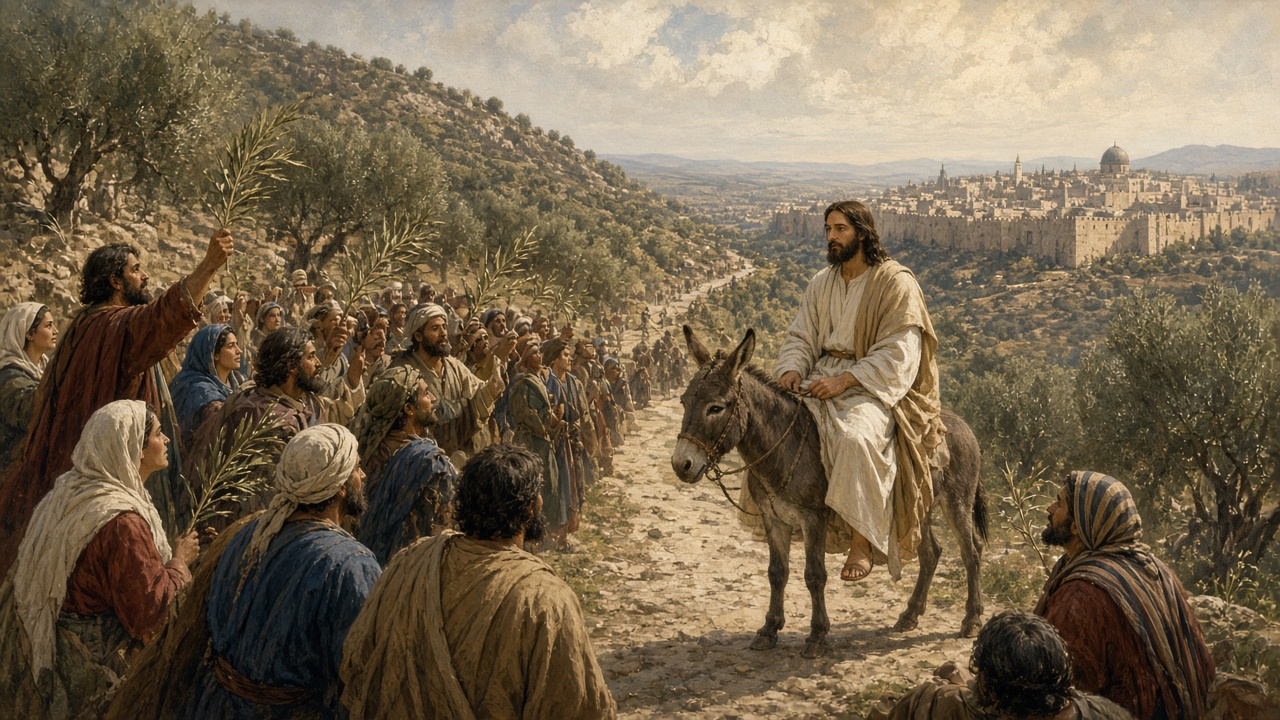
The Anointing at Bethany and the Entry into Jerusalem
- Bethany, where Jesus arrived six days before the Passover, lay about two miles east of Jerusalem on the southeastern slope of the Mount of Olives, along the road to Jericho, and took its name from the palm trees that grew there. It was the home of Lazarus, whom Jesus had raised from the dead after four days in the tomb, and of his sisters Martha and Mary; the chief priests planned to kill Lazarus as well, because on his account many people were believing in Jesus.Sources: the Bible text itself · Bethany · Lazarus
- At a dinner where Martha served and Lazarus reclined at the table, Mary anointed Jesus' feet with about a pint of expensive perfume made of pure nard and wiped them with her hair, so the house was filled with the fragrance. Judas Iscariot, son of Simon, whose surname means a man of Kerioth, asked why it was not sold for three hundred denarii for the poor; he was a thief who, as keeper of the money bag, used to take from what was put into it, and he was going to betray Jesus.Sources: the Bible text itself · Judas Iscariot · Simon
- The next day the great crowd that had come for the feast took palm branches and went out to meet Jesus as he came to Jerusalem, seated on a young donkey, shouting praise to the King of Israel, as it is written of the Daughter of Zion. Zion was the southeastern hill of Jerusalem, where David built a citadel and a palace after taking it, so that it became the city of David. At first his disciples did not understand these things, but after Jesus was glorified they remembered that they had also been written about him.Sources: the Bible text itself · Zion
Notes written with AI assistance from open sources (Theographic Bible Metadata, CC BY-SA 4.0; Easton’s Bible Dictionary, public domain) and reviewed before publishing.
Places in this chapter
- Jerusalem · 31.777, 35.234 · verses 11, 12, 20
- Zion · Today: Jerusalem · 31.777, 35.234 · verse 15
- Galilee · 32.760, 35.527 · verse 21
Only places identified with high confidence are shown (90% or more according to the scholarly sources compiled by OpenBible). Period map: DARE (Digital Atlas of the Roman Empire), CC BY 4.0; modern map: © OpenStreetMap contributors; places: OpenBible.info (CC BY 4.0).
Credits and license for this translation
Sahidica - طبعة جديدة من العهد الجديد باللغة القبطية الصعيدية
Sahidica - A New Edition of the New Testament in Sahidic Coptic
copyright © 2000-2006 J Warren Wells
Language: ⲘⲉⲧⲢⲉⲙ̀ⲛⲭⲏⲙⲓ (Coptic)
Dialect: Sahidic
Translation by: J Warren Wells
Coptic: Sahidic NT "Sahidica - A New Edition of the New Testament in Sahidic Coptic"
Copyright (c)2000-2006 by J Warren Wells. All rights reserved.
For more information visit www.sahidica.org .
This edition is available free of charge for use in free electronic
editions of the New Testament as long as the full title and copyright
information are included and credited. For written permission to use
all or any part of this document in print editions, contact the editor
at www.sahidica.org .
This edition is primarily meant for use by teachers and students of
Sahidic Coptic, and to a lesser degree by Coptologists involved in
scholarly research, textual criticism, or New Testament translation.
PURPOSE
Please note: This text is a work in progress. As such, there
is an ongoing effort to standardize the spelling of words in
the text. Be aware that version updates periodically appear.
The primary purpose is to produce a standardized edition of
the Sahidic NT similar to standard Greek editions.
An additional purpose of this text is to allow side-by-side
comparison with the Greek New Testament. To facilitate this
effort, a new version of the Greek text has been developed,
which is meant to better represent the Greek text upon which
the Sahidic was based. This text is entitled "The New Testament
According to the Egyptian Greek Text" [NTAEG]
This text does not include representation of either accents or
supralinear strokes, since these are used inconsistently in the
original texts. There is also a higher degree of standardization
in spelling and punctuation; like today's standard Greek master
texts, but unlike both the original Sahidic texts, and the PHI
and Coptic Society texts. Moreover, as in standard Greek texts,
instances of the Nomina Sacra have been expanded to their full
forms. This is again a departure from earlier versions of the
Sahidic, including the PHI and Coptic Society texts, which are
Both inconsistent in their usage.
Special thanks to David Brakke of Indiana University Bloomington,
Brigitte Comparini of the Packard Humanities Institute, and
Michael Heiser, Academic Editor, at Logos Research Systems; for
their assistance in making this edition possible.
BASIS
Sahidica was initially based (by permission) on the Coptic New Testament,
which is an electronic publication, which was edited by David Brakke.
(PHI-CD 5.3 dated 7/2/91. Los Altos. Packard Humanities Institute. 1991).
During later development, Sahidica was electronically collated against
the Coptic CD I by the St. Shenouda The Archmandrite Coptic Society.
Los Angeles, CA dated April, 1998.
These two editions were reduced to a raw electronic form, which allowed both
to be compared electronically letter by letter with Sahidica in order to
accurately detect and report every single variation and input error in any
of the texts. Though errors are inevitable, the collators of three seperate
editions are highly unlikely to make the same errors. Therefore, this method
helps to insure the integrity of the Sahidica edition.
Throughout the project, Sahidica was also collated against printed editions
of the following coptic manuscripts, which manuscripts date from the third
century and later.
Matt: Pierpont Morgan Library M-569 collated against Bodmer XIX papyrus
Mark:* PPalau Rib. Inv.Nr.182 collated against Pierpont Morgan Library M-569
Luke: PPalau Rib. Inv.Nr.181 collated against Pierpont Morgan Library M-569
John: PPalau Rib. Inv.Nr.183 collated against Pierpont Morgan Library M-569
Acts: Chester Beatty B (Copt.Ms.814) collated against Berlin P.15926 and British Museum MS Or.7594
Paul: Chester Beatty A (Copt.Ms.813) collated against Pierpont Morgan Library M-570 and M-571
James-Jude:** Pierpont Morgan Library M-572 collated against the Pierpont Morgan Library M-573 and M-601***
Revelation: Berlin MS Or.408 ( British Museum Ms Or.3518) collated against British Museum MS Or.6803
* Note: The longer and shorter endings of Mark are based on Horner; cf Kahle (JTS.1951.p49-57)
** Note: 1st Peter was also collated against the Crosby-Schøyen Ms.193.
*** Note: Portions of James and Jude were reconstructed from M-573, M-601, and four other mss.
Note on Interpolations
The short and long endings of Mark are ommited from the PPalau ms 182, but they do appear in most mss.
To better represent the overall Sahidic tradition, both endings are included, but in double brackets.
The pericope of the adultress (John 7:53-8:11) does not appear in any Sahidic ms. Herein it is omitted.
2014-09-16
Source: http://ebible.org/copshc/ · eBible.org