Galatians 6
Sahidica - طبعة جديدة من العهد الجديد باللغة القبطية الصعيدية · Tap a verse to see its cross-references.
1ⲚⲈⲤⲚⲎⲨ ⲈϢⲰⲠⲈ ⲞⲚ ⲈⲢϢⲀⲚ ⲞⲨⲢⲰⲘⲈ ⲚϨⲎⲦ ⲦⲎⲨⲦⲚ ⲠϨⲚϨⲈ ϨⲚ ⲞⲨⲠⲀⲢⲀⲠⲦⲰⲘⲀ ⲚⲦⲰⲦⲚ ⲚⲈⲠⲚⲈⲨⲘⲀⲦⲒⲔⲞⲤ ⲤⲂⲦⲈⲠⲀⲒ ⲚⲦⲈⲈⲒⲘⲒⲚⲈ ϨⲚ ⲞⲨⲠⲚⲈⲨⲘⲀ ⲘⲘⲚⲦⲢⲘⲢⲀϢ. ⲈⲔϬⲰϢⲦ ϨⲰⲰⲔ ⲈⲢⲞⲔ ⲘⲎⲠⲰⲤ ⲚⲤⲈⲠⲈⲒⲢⲀⲌⲈ ⲘⲘⲞⲔ. 2ϤⲒ ϨⲀ ⲚⲂⲀⲢⲞⲤ ⲚⲚⲈⲦⲚⲈⲢⲎⲨ. ⲀⲨⲰ ⲚⲦⲈⲈⲒϨⲈ ⲦⲈⲦⲚⲀϪⲰⲔ ⲈⲂⲞⲖ ⲘⲠⲚⲞⲘⲞⲤ ⲘⲠⲚⲞⲨⲦⲈ. 3ⲈϢϪⲈ ⲞⲨⲚ ⲞⲨⲀ ⲄⲀⲢ ϪⲰ ⲘⲘⲞⲤ ϪⲈ ⲀⲚⲞⲔ ⲠⲈ ⲈⲨⲖⲀⲀⲨ ⲠⲈ ⲈϤⲢϨⲀⲖ ⲘⲘⲞϤ ⲞⲨⲀⲀϤ. 4ⲘⲀⲢⲈϤⲆⲞⲔⲒⲘⲀⲌⲈ ⲆⲈ ⲘⲠⲈϤϨⲰⲂ. ⲀⲨⲰ ⲦⲞⲦⲈ ⲈⲢⲈ ⲠⲈϤϢⲞⲨϢⲞⲨ ⲚⲀϢⲰⲠⲈ ⲈⲢⲞϤ ⲈⲔⲈ ⲞⲨⲀ ⲀⲚ. 5ⲈⲢⲈ ⲠⲞⲨⲀ ⲄⲀⲢ ⲠⲞⲨⲀ ⲚⲀϤⲒ ϨⲀ ⲦⲈϤⲈⲦⲠⲰ. 6ⲘⲀⲢⲈϤⲔⲞⲒⲚⲰⲚⲒ ⲆⲈ ⲚϬⲒ ⲠⲈⲦⲞⲨⲔⲀⲐⲎⲔⲈⲒ ⲘⲘⲞϤ ϨⲘ ⲠϢⲀϪⲈ. ⲘⲚ ⲠⲈⲦⲔⲀⲐⲎⲔⲈⲒ ⲘⲘⲞϤ ϨⲚ ⲀⲄⲀⲐⲞⲚ ⲚⲒⲘ. 7ⲘⲠⲢ ⲠⲖⲀⲚⲀ ⲠⲚⲞⲨⲦⲈ ⲘⲈⲨⲔⲞⲘϢϤ ⲠⲈⲦⲈⲢⲈ ⲠⲢⲰⲘⲈ ⲄⲀⲢ ⲚⲀϪⲞϤ ⲠⲀⲒ ⲞⲚ ⲠⲈⲦϤⲚⲀⲞϨⲤϤ. 8ϪⲈ ⲠⲈⲦϪⲞ ⲈⲦⲈϤⲤⲀⲢⲜ ⲈⲂⲞⲖ ϨⲚ ⲦⲤⲀⲢⲜ ⲈϤⲚⲀⲰϨⲤ ⲚⲞⲨⲦⲀⲔⲞ. ⲠⲈⲦϪⲞ ⲆⲈ ⲈⲠⲈⲠⲚⲈⲨⲘⲀ ⲈⲂⲞⲖ ϨⲘ ⲠⲈⲠⲚⲈⲨⲘⲀ ⲈϤⲚⲀⲰϨⲤ ⲚⲞⲨⲰⲚϨ ϢⲀ ⲈⲚⲈϨ. 9ⲈⲚⲈⲒⲢⲈ ⲆⲈ ⲘⲠⲠⲈⲦⲚⲀⲚⲞⲨϤ. ⲘⲠⲢⲦⲢⲈⲚⲈⲄⲔⲀϬ ⲈⲒ. ⲈⲚⲚⲀⲰϨⲤ ⲄⲀⲢ ϨⲘ ⲠⲈⲚⲞⲨⲞⲈⲒϢ ⲚⲦⲚϢⲞⲤⲘ ⲀⲚ. 10ⲀⲢⲀ ϬⲈ ϨⲰⲤ ⲈⲨⲚⲦⲀⲚ ⲘⲘⲀⲨ ⲘⲠⲈⲨⲞⲈⲒϢ ⲘⲀⲢⲚⲈⲒⲢⲈ ⲘⲠⲠⲈⲦⲚⲀⲚⲞⲨϤ ⲚⲞⲨⲞⲚ ⲚⲒⲘ ⲚϨⲞⲨⲞ ⲆⲈ ⲚⲚⲢⲘⲚⲎⲈⲒ ϨⲚ ⲦⲠⲒⲤⲦⲒⲤ. 11ⲈⲒⲤ ϨⲎⲎⲦⲈ ⲀⲒⲤϨⲀⲒ ⲚⲎⲦⲚ ⲚϨⲈⲚⲤϨⲀⲒ ⲚⲦⲈⲈⲒϬⲞⲦ ⲚⲦⲀϬⲒϪ 12ⲚⲈⲦⲞⲨⲰϢ ⲈⲦⲢⲈ ⲠⲈⲨϨⲞ ⲤⲀ ϨⲚ ⲦⲤⲀⲢⲜ. ⲚⲀⲒ ⲚⲈ ⲚⲈⲦⲀⲚⲀⲄⲔⲀⲌⲈ ⲘⲘⲰⲦⲚ ⲈⲤⲂⲂⲈ ⲦⲎⲨⲦⲚ ϪⲈⲔⲀⲀⲤ ⲈⲚⲚⲈⲨⲠⲰⲦ ⲘⲘⲀⲦⲈ ⲚⲤⲰⲞⲨ ϨⲘ ⲠⲈⲤⲦⲀⲨⲢⲞⲤ ⲘⲠⲈⲬⲢⲒⲤⲦⲞⲤ. 13ⲚⲈⲦⲤⲂⲂⲎⲨⲦ ⲄⲀⲢ ⲀⲚ ⲚⲈⲦⲈⲒⲢⲈ ⲘⲠⲚⲞⲘⲞⲤ. ⲀⲖⲖⲀ ⲈⲨⲞⲨⲰϢ ⲈⲦⲢⲈⲦⲚⲤⲂⲂⲈ ⲦⲎⲨⲦⲚ ϪⲈ ⲈⲨⲈϢⲞⲨϢⲞⲨ ⲘⲘⲞⲞⲨ ϨⲚ ⲦⲈⲦⲚⲤⲀⲢⲜ. 14ⲚⲚⲈⲤϢⲰⲠⲈ ⲆⲈ ⲀⲚⲞⲔ ⲈⲦⲢⲀϢⲞⲨϢⲞⲨ ⲘⲘⲞⲒ ⲈⲒ ⲘⲎⲦⲒ ϨⲘ ⲠⲈⲤⲦⲀⲨⲢⲞⲤ ⲘⲠⲈⲚϪⲞⲈⲒⲤ ⲒⲎⲤⲞⲨⲤ ⲠⲈⲬⲢⲒⲤⲦⲞⲤ ⲠⲀⲒ ⲈⲚⲦⲀⲨⲤⲦⲀⲨⲢⲞⲨ ⲚⲀⲒ ⲘⲠⲔⲞⲤⲘⲞⲤ ⲈⲂⲞⲖ ϨⲒⲦⲞⲞⲦϤ ⲀⲨⲰ ⲀⲚⲞⲔ ϨⲰⲰⲦ ⲞⲚ ⲘⲠⲔⲞⲤⲘⲞⲤ. 15ⲘⲚ ⲤⲂⲂⲈ ⲄⲀⲢ ϢⲞⲞⲠ ⲞⲨⲆⲈ ⲘⲚⲦⲀⲦⲤⲂⲂⲈ. ⲀⲖⲖⲀ ⲞⲨⲤⲰⲚⲦ ⲚⲂⲢⲢⲈ ⲠⲈ. 16ⲀⲨⲰ ⲚⲈⲦⲚⲀⲀϨⲈ ⲈⲠⲈⲈⲒⲔⲀⲚⲰⲚ ϮⲢⲎⲚⲎ ⲈϪⲰⲞⲨ ⲘⲚ ⲠⲚⲀ. ⲀⲨⲰ ⲈϪⲘ ⲠⲒⲤⲢⲀⲎⲖ ⲘⲠⲚⲞⲨⲦⲈ. 17ⲘⲚⲚⲤⲰⲤ ϬⲈ ⲘⲠⲢⲦⲢⲈ ⲖⲀⲀⲨ ⲞⲨⲈϨϨⲒ ⲤⲈ ⲈⲢⲞⲒ. ⲀⲚⲞⲔ ⲄⲀⲢ ⲘⲘⲀⲈⲒⲚ ⲘⲠϪⲞⲈⲒⲤ ⲒⲎⲤⲞⲨⲤ ⲠⲈⲬⲢⲒⲤⲦⲞⲤ ϨⲘ ⲠⲀⲤⲰⲘⲀ ϮϤⲒ ϨⲀⲢⲞⲞⲨ. 18ⲦⲈⲬⲀⲢⲒⲤ ⲘⲠⲈⲚϪⲞⲈⲒⲤ ⲒⲎⲤⲞⲨⲤ ⲠⲈⲬⲢⲒⲤⲦⲞⲤ ⲘⲚ ⲠⲈⲦⲚⲠⲚⲈⲨⲘⲀ
Did you know?
Burdens, the Harvest, and the Cross
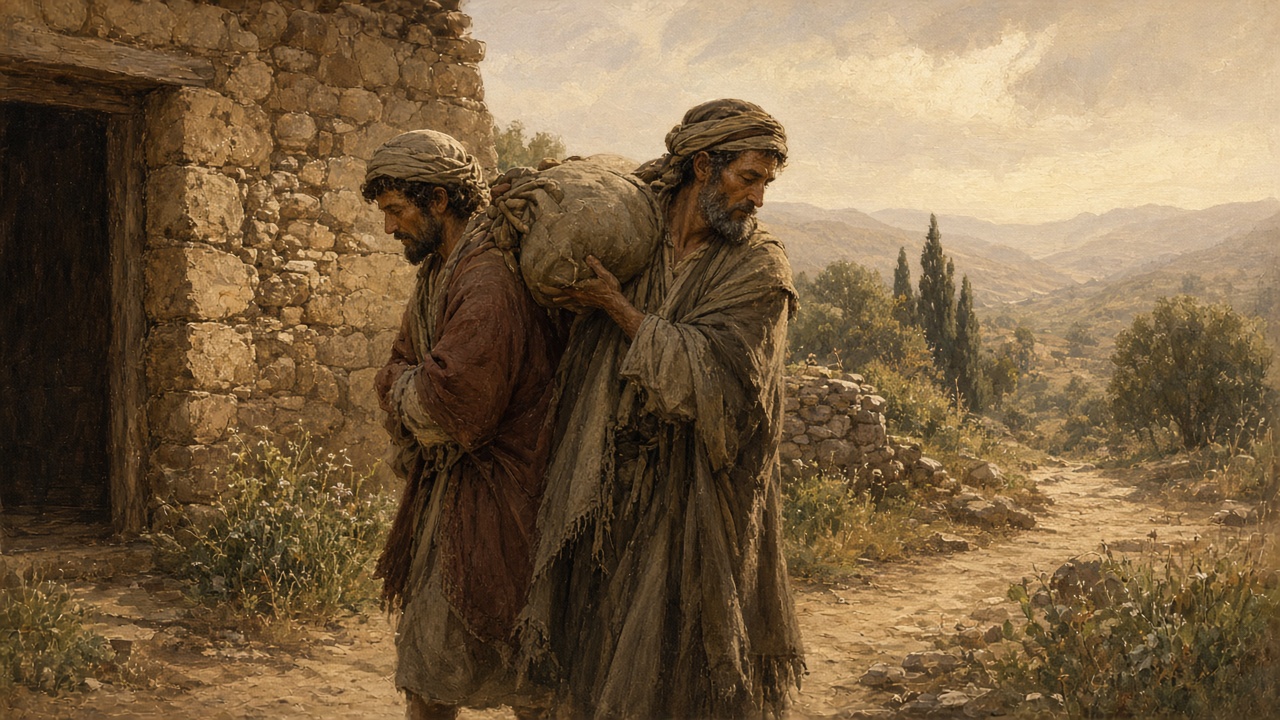
- The chapter sets two duties side by side. Those who are spiritual should restore with gentleness someone caught in a trespass, and carry one another's burdens, which the letter calls fulfilling the law of Christ. Each person, however, should test his own work and carry his own load, rather than think he is something when he is nothing and boast by comparing himself with someone else.Sources: the Bible text itself
- The writer uses the image of sowing and reaping: God is not to be mocked, and a person reaps what he sows. The one who sows to please the flesh reaps destruction from the flesh; the one who sows to please the Spirit reaps eternal life from the Spirit. Readers are urged not to grow weary in doing good, for in due time they will reap a harvest if they do not give up, and to do good to all, especially to the family of faith.Sources: the Bible text itself
- The writer calls attention to the large letters he is using as he writes with his own hand. He says that some try to compel circumcision in order to make a good outward impression, to avoid persecution for the cross of Christ, and to boast in the flesh of others, though the circumcised do not themselves keep the law. He asks never to boast except in the cross of our Lord Jesus Christ, says that neither circumcision nor uncircumcision means anything and that what counts is a new creation, and states that he bears on his body the marks of Jesus.Sources: the Bible text itself
Notes written with AI assistance from open sources (Theographic Bible Metadata, CC BY-SA 4.0; Easton’s Bible Dictionary, public domain) and reviewed before publishing.
Credits and license for this translation
Sahidica - طبعة جديدة من العهد الجديد باللغة القبطية الصعيدية
Sahidica - A New Edition of the New Testament in Sahidic Coptic
copyright © 2000-2006 J Warren Wells
Language: ⲘⲉⲧⲢⲉⲙ̀ⲛⲭⲏⲙⲓ (Coptic)
Dialect: Sahidic
Translation by: J Warren Wells
Coptic: Sahidic NT "Sahidica - A New Edition of the New Testament in Sahidic Coptic"
Copyright (c)2000-2006 by J Warren Wells. All rights reserved.
For more information visit www.sahidica.org .
This edition is available free of charge for use in free electronic
editions of the New Testament as long as the full title and copyright
information are included and credited. For written permission to use
all or any part of this document in print editions, contact the editor
at www.sahidica.org .
This edition is primarily meant for use by teachers and students of
Sahidic Coptic, and to a lesser degree by Coptologists involved in
scholarly research, textual criticism, or New Testament translation.
PURPOSE
Please note: This text is a work in progress. As such, there
is an ongoing effort to standardize the spelling of words in
the text. Be aware that version updates periodically appear.
The primary purpose is to produce a standardized edition of
the Sahidic NT similar to standard Greek editions.
An additional purpose of this text is to allow side-by-side
comparison with the Greek New Testament. To facilitate this
effort, a new version of the Greek text has been developed,
which is meant to better represent the Greek text upon which
the Sahidic was based. This text is entitled "The New Testament
According to the Egyptian Greek Text" [NTAEG]
This text does not include representation of either accents or
supralinear strokes, since these are used inconsistently in the
original texts. There is also a higher degree of standardization
in spelling and punctuation; like today's standard Greek master
texts, but unlike both the original Sahidic texts, and the PHI
and Coptic Society texts. Moreover, as in standard Greek texts,
instances of the Nomina Sacra have been expanded to their full
forms. This is again a departure from earlier versions of the
Sahidic, including the PHI and Coptic Society texts, which are
Both inconsistent in their usage.
Special thanks to David Brakke of Indiana University Bloomington,
Brigitte Comparini of the Packard Humanities Institute, and
Michael Heiser, Academic Editor, at Logos Research Systems; for
their assistance in making this edition possible.
BASIS
Sahidica was initially based (by permission) on the Coptic New Testament,
which is an electronic publication, which was edited by David Brakke.
(PHI-CD 5.3 dated 7/2/91. Los Altos. Packard Humanities Institute. 1991).
During later development, Sahidica was electronically collated against
the Coptic CD I by the St. Shenouda The Archmandrite Coptic Society.
Los Angeles, CA dated April, 1998.
These two editions were reduced to a raw electronic form, which allowed both
to be compared electronically letter by letter with Sahidica in order to
accurately detect and report every single variation and input error in any
of the texts. Though errors are inevitable, the collators of three seperate
editions are highly unlikely to make the same errors. Therefore, this method
helps to insure the integrity of the Sahidica edition.
Throughout the project, Sahidica was also collated against printed editions
of the following coptic manuscripts, which manuscripts date from the third
century and later.
Matt: Pierpont Morgan Library M-569 collated against Bodmer XIX papyrus
Mark:* PPalau Rib. Inv.Nr.182 collated against Pierpont Morgan Library M-569
Luke: PPalau Rib. Inv.Nr.181 collated against Pierpont Morgan Library M-569
John: PPalau Rib. Inv.Nr.183 collated against Pierpont Morgan Library M-569
Acts: Chester Beatty B (Copt.Ms.814) collated against Berlin P.15926 and British Museum MS Or.7594
Paul: Chester Beatty A (Copt.Ms.813) collated against Pierpont Morgan Library M-570 and M-571
James-Jude:** Pierpont Morgan Library M-572 collated against the Pierpont Morgan Library M-573 and M-601***
Revelation: Berlin MS Or.408 ( British Museum Ms Or.3518) collated against British Museum MS Or.6803
* Note: The longer and shorter endings of Mark are based on Horner; cf Kahle (JTS.1951.p49-57)
** Note: 1st Peter was also collated against the Crosby-Schøyen Ms.193.
*** Note: Portions of James and Jude were reconstructed from M-573, M-601, and four other mss.
Note on Interpolations
The short and long endings of Mark are ommited from the PPalau ms 182, but they do appear in most mss.
To better represent the overall Sahidic tradition, both endings are included, but in double brackets.
The pericope of the adultress (John 7:53-8:11) does not appear in any Sahidic ms. Herein it is omitted.
2014-09-16
Source: http://ebible.org/copshc/ · eBible.org