Acts 7
Sahidica - طبعة جديدة من العهد الجديد باللغة القبطية الصعيدية · Tap a verse to see its cross-references.
1ⲠⲈϪⲀϤ ⲚⲀϤ ⲚϬⲒ ⲠⲀⲢⲬⲒⲈⲢⲈⲨⲤ ϪⲈ ⲚⲚⲀⲒⲤⲘⲞⲚⲦ ⲚⲦⲈⲒϨⲈ. 2ⲚⲦⲞϤ ⲆⲈ ⲀϤⲞⲨⲰϢⲂ ⲠⲈϪⲀϤ ϪⲈ ⲚⲢⲰⲘⲈ ⲚⲀⲤⲚⲎⲨ ⲀⲨⲰ ⲚⲀⲈⲒⲞⲦⲈ ⲤⲰⲦⲘ ⲈⲢⲞⲒ ⲠⲚⲞⲨⲦⲈ ⲘⲠⲈⲞⲞⲨ ⲀϤⲞⲨⲰⲚϨ ⲈⲂⲞⲖ ⲘⲠⲈⲚⲈⲒⲰⲦ ⲀⲂⲢⲀϨⲀⲘ ⲈϤϢⲞⲞⲠ ϨⲚ ⲦⲘⲈⲤⲞⲠⲞⲆⲀⲘⲒⲀ ⲘⲠⲀⲦϤⲞⲨⲰϨ ϨⲚ ⲬⲀⲢⲢⲀⲚ. 3ⲠⲈϪⲀϤ ⲚⲀϤ ϪⲈ ⲀⲘⲞⲨ ⲈⲂⲞⲖ ϨⲘ ⲠⲈⲔⲔⲀϨ ⲘⲚ ⲦⲈⲔⲤⲨⲄⲄⲈⲚⲒⲀ ⲚⲄⲈⲒ ⲈϨⲢⲀⲒ ⲈⲠⲔⲀϨ ⲈϮⲚⲀⲦⲤⲀⲂⲞⲔ ⲈⲢⲞϤ. 4ⲦⲞⲦⲈ ⲀϤⲈⲒ ⲈⲂⲞⲖ ϨⲘ ⲠⲔⲀϨ ⲚⲚⲈⲬⲀⲖⲆⲀⲒⲞⲤ ⲀϤⲞⲨⲰϨ ϨⲚ ⲬⲀⲢⲢⲀⲚ ⲈⲂⲞⲖ ⲆⲈ ϨⲘ ⲠⲘⲀ ⲈⲦⲘⲘⲀⲨ ⲘⲚⲚⲤⲀ ⲦⲢⲈ ⲠⲈϤⲈⲒⲰⲦ ⲘⲞⲨ ⲀϤⲠⲞⲞⲚⲈϤ ⲈϨⲢⲀⲒ ⲈⲠⲈⲒⲔⲀϨ ⲠⲀⲒ ⲚⲦⲰⲦⲚ ⲦⲈⲚⲞⲨ ⲈⲦⲈⲦⲚⲞⲨⲎϨ ϨⲢⲀⲒ ⲚϨⲎⲦϤ. 5ⲀⲨⲰ ⲘⲠϤϮ ⲔⲖⲎⲢⲞⲚⲞⲘⲒⲀ ⲚⲀϤ ϨⲢⲀⲒ ⲚϨⲎⲦϤ ⲞⲨⲆⲈ ⲞⲨⲦⲀϬⲤⲈ ⲚⲞⲨⲈⲢⲎⲦⲈ. ⲀⲖⲖⲀ ⲀϤⲈⲢⲎⲦ ⲈⲦⲀⲀϤ ⲚⲀϤ ⲈⲨⲀⲘⲀϨⲦⲈ ⲘⲚ ⲠⲈϤⲤⲠⲈⲢⲘⲀ. ⲘⲚⲚⲤⲰⲤ ⲈⲘⲚⲦϤ ϢⲎⲢⲈ ⲘⲘⲀⲨ. 6ⲀⲠⲚⲞⲨⲦⲈ ⲆⲈ ϢⲀϪⲈ ⲚⲘⲘⲀϤ ⲈϤϪⲰ ⲘⲘⲞⲤ ϪⲈ ⲠⲈⲔⲤⲠⲈⲢⲘⲀ ⲚⲀⲢⲢⲘⲚϬⲞⲒⲖⲈ ϨⲚ ⲞⲨⲔⲀϨ ⲘⲠⲰϤ ⲀⲚ ⲠⲈ. ⲀⲨⲰ ⲤⲈⲚⲀⲀⲨ ⲚϨⲘϨⲀⲖ ⲚⲤⲈⲘⲞⲔϨⲞⲨ ⲚϤⲦⲞⲨϢⲈ ⲚⲢⲞⲘⲠⲈ. 7ⲠϨⲈⲐⲚⲞⲤ ⲆⲈ ⲈⲦⲞⲨⲚⲀⲢϨⲘϨⲀⲖ ⲚⲀϤ. ϮⲚⲀⲔⲢⲒⲚⲈ ⲀⲚⲞⲔ ⲘⲘⲞϤ ⲠⲈϪⲀϤ ⲚϬⲒ ⲠⲚⲞⲨⲦⲈ. ⲀⲨⲰ ⲘⲚⲚⲤⲀ ⲚⲀⲒ ⲤⲈⲚⲎⲨ ⲈⲂⲞⲖ ⲚⲤⲈϢⲘϢⲈ ⲚⲀⲒ ϨⲢⲀⲒ ϨⲘ ⲠⲈⲒⲘⲀ. 8ⲀⲨⲰ ⲀϤϮ ⲚⲀϤ ⲚⲞⲨⲆⲒⲀⲐⲎⲔⲎ ⲚⲤⲂⲂⲈ ⲦⲀⲒ ⲦⲈ ⲐⲈ ⲚⲦⲀϤϪⲠⲈ ⲒⲤⲀⲀⲔ ⲀϤⲤⲂⲂⲎⲦϤ ϨⲘ ⲠⲘⲈϨϢⲘⲞⲨⲚ ⲚϨⲞⲞⲨ ⲒⲤⲀⲀⲔ ⲆⲈ ⲚⲒⲀⲔⲰⲂ ⲒⲀⲔⲰⲂ ⲆⲈ ⲘⲠⲘⲚⲦⲤⲚⲞⲞⲨⲤ ⲘⲠⲀⲦⲢⲒⲀⲢⲬⲎⲤ. 9ⲀⲨⲰ ⲘⲠⲀⲦⲢⲒⲀⲢⲬⲎⲤ ⲀⲨⲔⲰϨ ⲈⲒⲰⲤⲎⲪ ⲀⲨⲦⲀⲀϤ ⲈⲂⲞⲖ ϨⲢⲀⲒ ϨⲚ ⲔⲎⲘⲈ. ⲚⲈⲢⲈ ⲠⲚⲞⲨⲦⲈ ⲆⲈ ϢⲞⲞⲠ ⲚⲘⲘⲀϤ ⲠⲈ. 10ⲀⲨⲰ ⲀϤⲚⲀϨⲘⲈϤ ⲈⲂⲞⲖ ϨⲚ ⲚⲈϤⲐⲖⲒⲮⲒⲤ ⲦⲎⲢⲞⲨ ⲀϤϮ ⲚⲀϤ ⲚⲞⲨⲬⲀⲢⲒⲤ ⲘⲚ ⲞⲨⲤⲞⲪⲒⲀ ⲘⲠⲘⲦⲞ ⲈⲂⲞⲖ ⲘⲪⲀⲢⲀⲰ ⲠⲢⲢⲞ ⲚⲔⲎⲘⲈ ⲀϤⲦⲀϨⲞϤ ⲈⲢⲀⲦϤ ⲚⲚⲞϬ ⲈϨⲢⲀⲒ ⲈϪⲚ ⲔⲎⲘⲈ ⲀⲨⲰ ⲈϪⲘ ⲠⲈϤⲎⲒ ⲦⲎⲢϤ. 11ⲀⲨϨⲈⲂⲰⲰⲚ ⲆⲈ ⲈⲒ ⲈϨⲢⲀⲒ ⲈϪⲚ ⲔⲎⲘⲈ ⲦⲎⲢϤ ⲘⲚ ⲬⲀⲚⲀⲀⲚ ⲘⲚ ⲞⲨⲚⲞϬ ⲚⲐⲖⲒⲮⲒⲤ. ⲀⲨⲰ ⲚⲈⲚⲈⲒⲞⲦⲈ ⲚⲈⲨϬⲚ ⲞⲈⲒⲔ ⲀⲚ ⲠⲈ. 12ⲚⲦⲈⲢⲈϤⲤⲰⲦⲘ ⲆⲈ ⲚϬⲒ ⲒⲀⲔⲰⲂ ϪⲈ ⲞⲨⲚ ⲤⲞⲨⲞ ϨⲚ ⲔⲎⲘⲈ. ⲀϤϪⲞⲞⲨ ⲚⲚⲈⲚⲈⲒⲞⲦⲈ ⲚϢⲞⲢⲠ. 13ⲘⲠⲘⲈϨⲤⲈⲠ ⲤⲚⲀⲨ ⲆⲈ ⲀⲒⲰⲤⲎⲪ ⲞⲨⲞⲚϨϤ ⲈⲂⲞⲖ ⲚⲚⲈϤⲤⲚⲎⲨ. ⲀⲨⲰ ⲀⲪⲀⲢⲀⲰ ⲤⲞⲨⲚ ⲠⲄⲈⲚⲞⲤ ⲚⲒⲰⲤⲎⲪ. 14ⲀϤϪⲞⲞⲨ ⲆⲈ ⲚϬⲒ ⲒⲰⲤⲎⲪ ⲀϤⲦⲢⲈⲨⲘⲞⲨⲦⲈ ⲈⲒⲀⲔⲰⲂ ⲠⲈϤⲈⲒⲰⲦ. ⲀⲨⲰ ⲦⲈϤⲤⲨⲄⲄⲈⲚⲒⲀ ⲦⲎⲢⲤ ⲈⲨⲘⲈϨ ϢϤⲈⲦⲎ ⲘⲮⲨⲬⲎ. 15ⲒⲀⲔⲰⲂ ⲆⲈ ⲀϤⲈⲒ ⲈϨⲢⲀⲒ ⲈⲔⲎⲘⲈ ⲀⲨⲰ ⲀϤⲘⲞⲨ ⲚⲦⲞϤ ⲘⲚ ⲚⲈⲚⲈⲒⲞⲦⲈ. 16ⲀⲨⲠⲞⲞⲚⲞⲨ ⲈϨⲢⲀⲒ ⲈⲤⲨⲬⲈⲘ. ⲀⲨⲰ ⲀⲨⲔⲀⲀⲨ ϨⲢⲀⲒ ϨⲘ ⲠⲦⲀⲪⲞⲤ ⲚⲦⲀ ⲀⲂⲢⲀϨⲀⲘ ϢⲞⲠϤ ϨⲀ ⲞⲨⲀⲤⲞⲨ ⲚϨⲞⲘⲦ ⲈⲂⲞⲖ ϨⲒⲦⲚ ⲚϢⲎⲢⲈ ⲚⲈⲘⲰⲢ ϨⲚ ⲤⲨⲬⲈⲘ. 17ⲚⲦⲈⲢⲈϤϨⲰⲚ ⲆⲈ ⲈϨⲞⲨⲚ ⲚϬⲒ ⲠⲈⲞⲨⲞⲈⲒϢ ⲘⲠⲈⲢⲎⲦ. ⲠⲀⲒ ⲚⲦⲀ ⲠⲚⲞⲨⲦⲈ ϨⲞⲘⲞⲖⲞⲄⲈⲒ ⲘⲘⲞϤ ⲚⲀⲂⲢⲀϨⲀⲘ. ⲀⲠⲚⲞⲨⲦⲈ ⲀⲨⲜⲀⲚⲈ ⲘⲠⲖⲀⲞⲤ ⲀⲨⲰ ⲀϤⲀϢⲀⲒ ϨⲚ ⲔⲎⲘⲈ. 18ϢⲀⲚⲦϤⲦⲰⲞⲨⲚ ⲚϬⲒ ⲔⲈⲢⲢⲞ ⲈϨⲢⲀⲒ ⲈϪⲚ ⲔⲎⲘⲈ ⲚϤⲤⲞⲞⲨⲚ ⲀⲚ ⲚⲒⲰⲤⲎⲪ. 19ⲠⲀⲒ ⲀϤϪⲒϢⲞϪⲚⲈ ⲈⲠⲈⲚⲄⲈⲚⲞⲤ ⲈⲘⲞⲨⲔϨ ⲚⲚⲈⲚⲈⲒⲞⲦⲈ ⲈⲦⲢⲈⲨⲚⲞⲨϪⲈ ⲈⲂⲞⲖ ⲚⲚⲈⲨϢⲎⲢⲈ ⲈⲦⲘⲦⲀⲚϨⲞⲞⲨ. 20ϨⲘ ⲠⲈⲨⲞⲒϢ ⲈⲦⲘⲘⲀⲨ ⲀⲨϪⲠⲈ ⲘⲰⲨⲤⲎⲤ. ⲀⲨⲰ ⲚⲈⲚⲈⲤⲰϤ ⲠⲈ ϨⲘ ⲠⲚⲞⲨⲦⲈ. ⲀⲨⲤⲀⲚⲞⲨϢϤ ⲆⲈ ⲚϢⲞⲘⲚⲦ ⲚⲈⲂⲞⲦ ϨⲘ ⲠⲎⲒ ⲘⲠⲈϤⲈⲒⲰⲦ. 21ⲚⲦⲈⲢⲞⲨⲚⲞϪϤ ⲆⲈ ⲈⲂⲞⲖ. ⲀⲤϤⲒⲦϤ ⲚϬⲒ ⲦϢⲈⲈⲢⲈ ⲘⲪⲀⲢⲀⲰ. ⲀⲨⲰ ⲀⲤⲤⲀⲚⲞⲨϢϤ ⲚⲀⲤ ⲈⲨϢⲎⲢⲈ. 22ⲀⲨⲰ ⲀⲨⲠⲀⲒⲆⲈⲨⲈ ⲘⲘⲰⲨⲤⲎⲤ ϨⲚ ⲤⲞⲪⲒⲀ ⲚⲒⲘ ⲚⲚⲢⲘⲚⲔⲎⲘⲈ. ⲀⲨⲰ ⲚⲈϤⲞ ⲚⲆⲨⲚⲀⲦⲞⲤ ϨⲚ ⲚⲈϤϢⲀϪⲈ ⲘⲚ ⲚⲈϤϨⲂⲎⲨⲈ. 23ⲚⲦⲈⲢⲈ ϨⲘⲈ ⲆⲈ ⲚⲢⲞⲘⲠⲈ ϪⲰⲔ ⲈⲂⲞⲖ ⲚⲀϤ. ⲀⲤⲀⲖⲈ ⲈϨⲢⲀⲒ ⲈϪⲘ ⲠⲈϤϨⲎⲦ ⲈϬⲘⲠϢⲒ ⲚⲈ ⲚⲚⲈϤⲤⲚⲎⲨ ⲚϢⲎⲢⲈ ⲘⲠⲒⲤⲢⲀⲎⲖ. 24ⲀⲨⲰ ⲚⲦⲈⲢⲈϤⲚⲀⲨ ⲈⲞⲨⲀ ⲈⲨϪⲒ ⲘⲘⲞϤ ⲚϬⲞⲚⲤ ⲀϤⲚⲀϨⲘⲈϤ. ⲀⲨⲰ ⲀϤⲈⲒⲢⲈ ⲘⲠⲈⲔⲂⲀ ⲘⲠⲈⲦⲞⲨⲘⲞⲨⲔϨ ⲘⲘⲞϤ. ⲈⲀϤϨⲰⲦⲂ ⲘⲠⲢⲘⲚⲔⲎ ⲘⲈ. 25ⲚⲈϤⲘⲈⲈⲨⲈ ⲆⲈ ⲠⲈ ϪⲈ ⲤⲈⲚⲀⲈⲒⲘⲈ ⲚϬⲒ ⲚⲈϤⲤⲚⲎⲨ. ϪⲈ ⲠⲚⲞⲨⲦⲈ ⲚⲀϮ ⲚⲀⲨ ⲚⲞⲨⲞⲨϪⲀⲒ ⲈⲂⲞⲖ ϨⲒⲦⲚ ⲚⲈϤϬⲒϪ. ⲚⲦⲞⲞⲨ ⲆⲈ ⲘⲠⲞⲨⲈⲒⲘⲈ. 26ⲘⲠⲈϤⲢⲀⲤⲦⲈ ⲞⲚ ⲀϤⲞⲨⲰⲚϨ ⲚⲀⲨ ⲈⲂⲞⲖ ⲈⲨⲘⲒϢⲈ ⲘⲚ ⲚⲈⲨⲈⲢⲎⲨ. ⲀⲨⲰ ⲀϤϨⲞⲦⲠⲞⲨ ⲈⲨⲈⲒⲢⲎⲚⲎ ⲈϤϪⲰ ⲘⲘⲞⲤ ϪⲈ ⲚⲢⲰⲘⲈ ⲚⲦⲈⲦⲚ ϨⲈⲚⲤⲚⲎⲨ ⲈⲦⲂⲈ ⲞⲨ ⲦⲈⲦⲚϪⲒ ⲚⲚⲈⲦⲚⲈⲢⲎⲨ ⲚϬⲞⲚⲤ. 27ⲠⲈⲦϪⲒ ⲆⲈ ⲘⲠⲈⲦϨⲒⲦⲞⲨⲰϤ ⲚϬⲞⲚⲤ ⲀϤⲦⲞϬⲚⲈϤ ⲈϤϪⲰ ⲘⲘⲞⲤ ϪⲈ ⲚⲒⲘ ⲠⲈⲚⲦⲀϤⲔⲀⲐⲒⲤⲦⲀ ⲘⲘⲞⲔ ⲚⲀⲢⲬⲰⲚ ⲀⲨⲰ ⲚⲢⲈϤϮϨⲀⲠ ⲈϨⲢⲀⲒ ⲈϪⲰⲚ. 28ⲘⲎ ⲈⲔⲞⲨⲰϢ ⲚⲦⲞⲔ ⲈϨⲞⲦⲂⲈⲦ ⲚⲐⲈ ⲚⲦⲀⲔϨⲰⲦⲂ ⲘⲠⲢⲘⲚⲔⲎⲘⲈ ⲚⲤⲀϤ. 29ⲘⲰⲨⲤⲎⲤ ⲆⲈ ⲀϤⲠⲰⲦ ϨⲢⲀⲒ ϨⲘ ⲠⲈⲒϢⲀϪⲈ. ⲀⲨⲰ ⲀⲨⲢⲢⲘⲚϬⲞⲒⲖⲈ ϨⲘ ⲠⲔⲀϨ ⲘⲘⲀⲆⲒϨⲀⲘ. ⲀϤϪⲠⲈ ϢⲎⲢⲈ ⲤⲚⲀⲨ ϨⲘ ⲠⲘⲀ ⲈⲦⲘⲘⲀⲨ. 30ⲀⲨⲰ ⲚⲦⲈⲢⲈ ϨⲘⲈ ⲚⲢⲞⲘⲠⲈ ϪⲰⲔ ⲈⲂⲞⲖ. ⲀϤⲞⲨⲰⲚϨ ⲚⲀϤ ⲈⲂⲞⲖ ϨⲚ ⲦⲈⲢⲎⲘⲞⲤ ⲘⲠⲦⲞⲞⲨ ⲚⲤⲒⲚⲀ ⲚϬⲒ ⲞⲨⲀⲄⲄⲈⲖⲞⲤ ϨⲚ ⲞⲨϢⲀϨ ⲚⲔⲰϨⲦ ⲈⲂⲞⲖ ϨⲘ ⲠⲂⲀⲦⲞⲤ. 31ⲘⲰⲨⲤⲎⲤ ⲆⲈ ⲚⲦⲈⲢⲈϤⲚⲀⲨ ⲀϤⲢϢⲠⲎⲢⲈ ⲘⲪⲞⲢⲀⲘⲀ. ⲈϤⲚⲀϮ ⲠⲈϤⲞⲨⲞⲒ ⲆⲈ ⲈϨⲞⲨⲚ ⲈⲚⲀⲨ. ⲀⲦⲈⲤⲘⲎ ⲘⲠϪⲞⲈⲒⲤ ϢⲰⲠⲈ 32ϪⲈ ⲀⲚⲞⲔ ⲠⲈ ⲠⲚⲞⲨⲦⲈ ⲚⲚⲈⲔⲈⲒⲞⲦⲈ. ⲠⲚⲞⲨⲦⲈ ⲚⲀⲂⲢⲀϨⲀⲘ ⲘⲚ ⲒⲤⲀⲀⲔ ⲘⲚ ⲒⲀⲔⲰⲂ. ⲘⲰⲨⲤⲎⲤ ⲆⲈ ⲚⲦⲈⲢⲈϤϢⲰⲠⲈ ϨⲚ ⲞⲨⲤⲦⲰⲦ ⲘⲠϤⲦⲞⲖⲘⲀ ⲈϬⲰϢⲦ. 33ⲠⲈϪⲈ ⲠϪⲞⲈⲒⲤ ⲚⲀϤ ϪⲈ ⲂⲰⲖ ⲈⲂⲞⲖ ⲘⲠⲦⲞⲞⲨⲈ ⲈⲦⲚⲢⲀⲦⲔ. ⲠⲘⲀ ⲄⲀⲢ ⲈⲦⲔⲀϨⲈⲢⲀⲦⲔ ⲚϨⲎⲦϤ ⲞⲨⲔⲀϨ ⲈϤⲞⲨⲀⲀⲂ ⲠⲈ. 34ϨⲚ ⲞⲨⲚⲀⲨ ⲀⲚⲀⲨ ⲈⲠⲘⲔⲀϨ ⲘⲠⲀⲖⲀⲞⲤ ⲈⲦϨⲚ ⲔⲎⲘⲈ. ⲀⲨⲰ ⲀⲒⲤⲰⲦⲘ ⲈⲠⲈⲨⲀϢⲀϨⲞⲘ ⲀⲨⲈⲒ ⲈⲠⲈⲤⲎⲦ ⲈⲚⲀϨⲘⲞⲨ. ⲦⲈⲚⲞⲨ ϬⲈ ⲀⲘⲞⲨ ⲦⲀϪⲞⲞⲨⲔ ⲈϨⲢⲀⲒ ⲈⲔⲎⲘⲈ. 35ⲠⲀⲒ ⲠⲈ ⲘⲰⲨⲤⲎⲤ ⲚⲦⲀⲨⲀⲢⲚⲀ ⲘⲘⲞϤ ⲈⲨϪⲰ ⲘⲘⲞⲤ ϪⲈ ⲚⲒⲘ ⲠⲈⲚⲦⲀϤⲔⲀⲐⲒⲤⲦⲀ ⲘⲘⲞⲔ ⲚⲀⲢⲬⲰⲚ ⲀⲨⲰ ⲚⲢⲈϤϮϨⲀⲠ ⲈϨⲢⲀⲒ ⲈϪⲰⲚ ⲠⲀⲒ ⲀⲠⲚⲞⲨⲦⲈ ϪⲞⲞⲨϤ ⲚⲀⲢⲬⲰⲚ ⲀⲨⲰ ⲚⲢⲈϤⲤⲰⲦⲈ ⲘⲚ ⲦϬⲒϪ ⲘⲠⲀⲄⲄⲈⲖⲞⲤ ⲚⲦⲀϤⲞⲨⲰⲚϨ ⲚⲀϤ ⲈⲂⲞⲖ ϨⲘ ⲠⲂⲀⲦⲞⲤ. 36ⲠⲀⲒ ⲠⲈⲚⲦⲀϤⲚⲦⲞⲨ ⲈⲂⲞⲖ ⲈⲀϤⲈⲒⲢⲈ ⲚϨⲈⲚⲘⲀⲈⲒⲚ ⲘⲚ ϨⲈⲚϢⲠⲎⲢⲈ ϨⲚ ⲔⲎⲘⲈ ⲀⲨⲰ ϨⲚ ⲦⲈⲢⲨⲐⲢⲀ ⲐⲀⲖⲀⲤⲤⲀ. ⲀⲨⲰ ϨⲘ ⲠϪⲀⲒⲈ ⲚϨⲘⲈ ⲚⲢⲞⲘⲠⲈ. 37ⲠⲀⲒ ⲠⲈ ⲈⲚⲦⲀϤϪⲞⲞⲤ ⲚⲚϢⲎⲢⲈ ⲘⲠⲒⲤⲢⲀⲎⲖ ⲆⲈ ⲠⲚⲞⲨⲦⲈ ⲚⲀⲦⲞⲨⲚⲈⲤ ⲞⲨⲠⲢⲞⲪⲎⲦⲎⲤ ⲚⲎⲦⲚ ⲈⲂⲞⲖ ϨⲚ ⲚⲈⲦⲚⲤⲚⲎⲨ ⲚⲦⲀϨⲈ. 38ⲠⲀⲒ ⲠⲈⲚⲦⲀϤϢⲰⲠⲈ ϨⲚ ⲦⲈⲔⲔⲖⲎⲤⲒⲀ ϨⲒ ⲦⲈⲢⲎⲘⲞⲤ ⲘⲚ ⲠⲈⲦϢⲀϪⲈ ⲚⲘⲘⲀϤ ϨⲘ ⲠⲦⲞⲞⲨ ⲚⲤⲒⲚⲀ. ⲀⲨⲰ ⲘⲚ ⲚⲈⲚⲈⲒⲞⲦⲈ. ⲠⲀⲒ ⲠⲈ ⲈⲚⲦⲀϤϪⲒ ⲚϨⲈⲚϢⲀϪⲈ ⲈⲨⲞⲚϨ ⲈⲦⲀⲀⲨ ⲚⲎⲦⲚ. 39ⲀⲨⲰ ⲘⲠⲞⲨⲞⲨⲰϢ ⲈⲤⲰⲦⲘ ⲚⲤⲰϤ ⲚϬⲒ ⲚⲈⲚⲈⲒⲞⲦⲈ. ⲀⲖⲖⲀ ⲀⲨⲔⲀⲀϤ ⲚⲤⲰⲞⲨ. ⲈⲀⲨⲔⲞⲦⲞⲨ ϨⲚ ⲚⲈⲨϨⲎⲦ ⲈⲔⲎⲘⲈ. 40ⲈⲀⲨϪⲞⲞⲤ ⲚⲀⲀⲢⲰⲚ ϪⲈ ⲦⲀⲘⲒⲞ ⲚⲀⲚ ⲚϨⲈⲚⲚⲞⲨⲦⲈ ⲚⲤⲈϪⲒⲘⲞⲈⲒⲦ ϨⲎⲦⲚ ⲘⲰⲨⲤⲎⲤ ⲄⲀⲢ ⲠⲀⲒ ⲚⲦⲀϤⲚⲦⲚ ⲈⲂⲞⲖ ϨⲘ ⲠⲔⲀϨ ⲚⲔⲎⲘⲈ ⲚⲦⲚⲤⲞⲞⲨⲚ ⲀⲚ ϪⲈ ⲚⲦⲀ ⲞⲨ ϢⲰⲠⲈ ⲘⲘⲞϤ. 41ⲀⲨⲰ ⲀⲨⲦⲀⲘⲒⲈ ⲠⲘⲀⲤⲈ ϨⲚ ⲚⲈϨⲞⲞⲨ ⲈⲦⲘⲘⲀⲨ ⲀⲨⲦⲀⲖⲈ ⲐⲨⲤⲒⲀ ⲈϨⲢⲀⲒ ⲘⲠⲈⲒⲆⲰⲖⲞⲚ. ⲀⲨⲰ ⲀⲨⲈⲨⲪⲢⲀⲚⲈ ϨⲚ ⲚⲈϨⲂⲎⲨⲈ ⲚⲚⲈⲨϬⲒϪ. 42ⲀϤⲔⲦⲞⲞⲨ ⲆⲈ ⲚϬⲒ ⲠⲚⲞⲨⲦⲈ ⲈⲦⲢⲈⲨϢⲘϢⲈ ⲚⲦⲈⲤⲦⲢⲀⲦⲒⲀ ⲚⲦⲠⲈ ⲔⲀⲦⲀ ⲐⲈ ⲈⲦⲤⲎϨ ϨⲘ ⲠϪⲰⲰⲘⲈ ⲚⲚⲈⲠⲢⲞⲪⲎⲦⲎⲤ. ϪⲈ ⲘⲎ ⲀⲦⲈⲦⲚⲦⲀⲖⲞ ⲚⲀⲒ ⲈϨⲢⲀⲒ ⲚϨⲚϢⲰⲦ ⲘⲚ ϨⲈⲚⲐⲨⲤⲒⲀ ⲚϨⲘⲈ ⲚⲢⲞⲘⲠⲈ ϨⲚ ⲦⲈⲢⲎⲘⲞⲤ ⲠⲎⲒ ⲘⲠⲒⲤⲢⲀⲎⲖ. 43ⲀⲨⲰ ⲀⲦⲈⲦⲚϪⲒ ⲚⲦⲈⲤⲔⲨⲚⲎ ⲘⲘⲞⲖⲞⲬ ⲘⲚ ⲠⲤⲒⲞⲨ ⲘⲠⲚⲞⲨⲦⲈ ⲢⲀⲒⲪⲀⲚ ⲚⲈⲤⲘⲞⲦ ⲚⲦⲀⲦⲈⲦⲚⲦⲀⲘⲒ ⲞⲞⲨ ⲈⲞⲨⲰϢⲦ ⲚⲀⲨ ⲀⲨⲰ ϮⲚⲀⲠⲚⲚⲈ ⲦⲎⲨⲦⲚ ⲈⲂⲞⲖ ⲈⲠⲒⲤⲀ ⲚⲦⲂⲀⲂⲨⲖⲰⲚ. 44ⲦⲈⲤⲔⲎⲚⲎ ⲘⲠⲘⲚⲦⲢⲈ ⲚⲈⲤϢⲞⲞⲠ ⲘⲚ ⲚⲈⲚⲈⲒⲞⲦⲈ ϨⲒ ⲠϪⲀⲒⲈ. ⲔⲀⲦⲀ ⲐⲈ ⲚⲦⲀϤⲞⲨⲈϨⲤⲀϨⲚⲈ ⲚϬⲒ ⲠⲈⲦϢⲀϪⲈ ⲘⲚ ⲘⲰⲨⲤⲎⲤ ⲈⲦⲀⲘⲒ ⲞⲤ. ⲔⲀⲦⲀ ⲠⲦⲨⲠⲞⲤ ⲚⲦⲀϤⲚⲀⲨ ⲈⲢⲞϤ. 45ⲦⲀⲒ ⲚⲦⲀ ⲚⲈⲚⲈⲒⲞⲦⲈ ⲈⲀⲨⲈⲒ ⲘⲚⲚⲤⲀ ⲚϢⲞⲢⲠ ϪⲒⲦⲤ ⲈϨⲞⲨⲚ ⲘⲚ ⲒⲎⲤⲞⲨⲤ ϨⲘ ⲠⲀⲘⲀϨⲦⲈ ⲚⲚϨⲈⲐⲚⲞⲤ. ⲚⲀⲒ ⲚⲦⲀ ⲠⲚⲞⲨⲦⲈ ⲚⲞϪⲞⲨ ⲈⲂⲞⲖ ϨⲀⲐⲎ ⲚⲚⲈⲚⲈⲒⲞⲦⲈ ϢⲀϨⲢⲀⲒ ⲈⲚⲈϨⲞⲞⲨ ⲚⲆⲀⲨⲈⲒⲆ. 46ⲠⲀⲒ ⲚⲦⲀϤϨⲈ ⲈⲨⲬⲀⲢⲒⲤ ⲘⲠⲈⲘⲦⲞ ⲈⲂⲞⲖ ⲘⲠⲚⲞⲨⲦⲈ. ⲀⲨⲰ ⲀϤⲀⲒⲦⲒ ⲈϬⲒⲚⲈ ⲚⲞⲨⲘⲀ ⲚϢⲰⲠⲈ ⲘⲠⲚⲞⲨⲦⲈ ⲚⲒⲀⲔⲰⲂ. 47ⲤⲞⲖⲞⲘⲰⲚ ⲆⲈ ⲀϤⲔⲰⲦ ⲚⲀϤ ⲚⲞⲨⲎⲒ. 48ⲀⲖⲖⲀ ⲘⲈⲢⲈ ⲠⲈⲦϪⲞⲤⲈ ⲞⲨⲰϨ ϨⲚ ⲦⲀⲘⲒⲞ ⲚϬⲒϪ. ⲔⲀⲦⲀ ⲐⲈ ⲈⲦⲈⲢⲈ ⲠⲈⲠⲢⲞⲪⲎⲦⲎⲤ ϪⲰ ⲘⲘⲞⲤ 49ϪⲈ ⲦⲠⲈ ⲠⲈ ⲠⲀⲐⲢⲞⲚⲞⲤ ⲠⲔⲀϨ ⲠⲈ ⲠϨⲨⲠⲞⲠⲞⲆⲒⲞⲚ ⲚⲚⲀⲞⲨⲈⲢⲎⲦⲈ. ⲀϢ ⲚⲎⲒ ⲠⲈⲦⲈⲦⲚⲀⲔⲞⲦϤ ⲚⲀⲒ ⲠⲈϪⲈ ⲠϪⲞⲈⲒⲤ. ⲎⲀϢ ⲠⲈ ⲠⲀⲘⲀ ⲚⲘⲦⲞⲚ. 50ⲘⲎ ⲚⲦⲀϬⲒϪ ⲀⲚ ⲦⲈⲚⲦⲀⲤⲦⲀⲘⲒⲈ ⲚⲀⲒ ⲦⲎⲢⲞⲨ. 51ⲚⲚⲀϢⲦⲘⲀⲔϨ ⲀⲨⲰ ⲚⲀⲦⲤⲂⲂⲈ ϨⲘ ⲠⲈⲨϨⲎⲦ ⲘⲚ ⲚⲈⲨⲘⲀⲀϪⲈ. ⲚⲦⲰⲦⲚ ⲚⲞⲨⲞⲈⲒϢ ⲚⲒⲘ ⲈⲦⲈⲦⲚϮ ⲞⲨⲂⲈ ⲠⲈⲠⲚⲈⲨⲘⲀ ⲈⲦⲞⲨⲀⲀⲂ ⲚⲐⲈ ⲚⲚⲈⲦⲚⲈⲒⲞⲦⲈ ⲦⲀⲒ ϨⲰⲦ ⲦⲎⲨⲦⲚ ⲦⲈⲦⲚϨⲈ. 52ⲚⲒⲘ ⲚⲚⲈ ⲠⲢⲞⲪⲎⲦⲎⲤ ⲚⲈⲦⲈⲘⲠⲈ ⲚⲈⲦⲚⲈⲒⲞⲦⲈ ⲠⲰⲦ ⲚⲤⲰⲞⲨ ⲚⲤⲈⲘⲞⲞⲨⲦⲞⲨ ⲚⲀⲒ ⲚⲦⲀⲨⲦⲀϢⲈⲞⲒϢ ⲘⲠⲆⲒⲔⲀⲒⲞⲤ ϪⲈ ϤⲚⲎⲨ ⲠⲀⲒ ⲚⲦⲰⲦⲚ ⲦⲈⲚⲞⲨ ⲚⲦⲀⲦⲈⲦⲚϢⲰⲠⲈ ⲚⲀϤ ⲘⲠⲢⲞⲆⲞⲦⲎⲤ ⲀⲨⲰ ⲚⲢⲈϤϨⲰⲦⲂ. 53ⲚⲀⲒ ⲚⲦⲀⲦⲈⲦⲚϪⲒ ⲘⲠⲚⲞⲘⲞⲤ ⲈϨⲈⲚⲆⲒⲀⲦⲀⲄⲎ ⲚⲀⲄⲄⲈⲖⲞⲤ. ⲀⲨⲰ ⲘⲠⲈⲦⲚϨⲀⲢⲈϨ ⲈⲢⲞϤ. 54ⲈⲨⲤⲰⲦⲘ ⲆⲈ ⲈⲚⲀⲒ ⲀⲨϬⲰⲚⲦ ⲚⲚⲈⲨϨⲎⲦ. ⲀⲨⲰ ⲀⲨϨⲢⲞϪⲢⲈϪ ⲚⲚⲈⲨⲞⲂϨⲈ ⲈϨⲞⲨⲚ ⲈⲢⲞϤ. 55ⲈϤϪⲎⲔ ⲆⲈ ⲈⲂⲞⲖ ⲘⲠⲚⲈⲨⲘⲀ ⲈϤⲞⲨⲀⲀⲂ ⲀϤⲈⲒⲰⲢⲘ ⲈϨⲢⲀⲒ ⲈⲦⲠⲈ ⲀϤⲚⲀⲨ ⲈⲠⲈⲞⲞⲨ ⲘⲠⲚⲞⲨⲦⲈ. ⲀⲨⲰ ⲒⲎⲤⲞⲨⲤ ⲈϤⲀϨⲈⲢⲀⲦϤ ⲚⲤⲀⲞⲨⲚⲀⲘ ⲘⲠⲚⲞⲨⲦⲈ. 56ⲠⲈϪⲀϤ ϪⲈ ⲈⲒⲤ ϨⲎⲎⲦⲈ ϮⲚⲀⲨ ⲈⲘⲠⲎⲨⲈ ⲈⲨⲞⲨⲎⲚ. ⲀⲨⲰ ⲠϢⲎⲢⲈ ⲘⲠⲢⲰⲘⲈ ⲈϤⲀϨⲈⲢⲀⲦϤ ⲚⲤⲀⲞⲨⲚⲀⲘ ⲘⲠⲚⲞⲨⲦⲈ. 57ⲠⲖⲀⲞⲤ ⲆⲈ ⲚⲦⲈⲢⲈϤⲤⲰⲦⲘ ⲈⲚⲀⲒ ⲀⲨⲀϢⲔⲀⲔ ⲈⲂⲞⲖ ϨⲚ ⲞⲨⲚⲞϬ ⲚⲤⲘⲎ. ⲀⲨϮⲦⲞⲞⲦⲞⲨ ⲈⲢⲚ ⲚⲈⲨⲘⲀⲀϪⲈ ⲀⲨⲰ ⲀⲨϮ ⲠⲈⲨⲞⲨⲞⲒ ϨⲒ ⲞⲨⲤⲞⲠ ⲈϨⲢⲀⲒ ⲈϪⲰϤ. 58ⲀⲨⲚⲞϪϤ ⲠⲂⲞⲖ ⲚⲦⲠⲞⲖⲒⲤ ⲀⲨϨⲒⲰⲚⲈ ⲈⲢⲞϤ. ⲀⲨⲰ ⲘⲘⲚⲦⲢⲈ ⲀⲨⲔⲰ ⲈϨⲢⲀⲒ ⲚⲚⲈⲨϨⲞⲒ ⲦⲈ ϨⲀⲢⲀⲦϤ ⲚⲞⲨϨⲢϢⲒⲢⲈ ⲈϢⲀⲨⲘⲞⲨⲦⲈ ⲈⲢⲞϤ ϪⲈ ⲤⲀⲨⲖⲞⲤ. 59ⲀⲨⲰ ⲀⲨϨⲒⲰⲚⲈ ⲈⲤⲦⲈⲪⲀⲚⲞⲤ. ⲈϤⲈⲠⲒⲔⲀⲖⲈⲒ ⲈϤϪⲰ ⲘⲘⲞⲤ ϪⲈ ⲠϪⲞⲈⲒⲤ ⲒⲎⲤⲞⲨⲤ ϢⲈⲠ ⲠⲀⲠⲚⲈⲨⲘⲀ ⲈⲢⲞⲔ. 60ⲀϤⲔⲰⲖϪ ⲆⲈ ⲚⲚⲈϤⲠⲀⲦ ⲀϤⲀϢⲔⲀⲔ ⲈⲂⲞⲖ ϨⲚ ⲞⲨⲚⲞϬ ⲚⲤⲘⲎ ϪⲈ ⲠϪⲞⲈⲒⲤ ⲘⲠⲢⲰⲠ ⲈⲢⲞⲞⲨ ⲘⲠⲈⲒⲚⲞⲂⲈ. ⲚⲦⲈⲢⲈϤϪⲈ ⲠⲀⲒ ⲆⲈ ⲀϤⲚⲔⲞⲦⲔ.
Did you know?
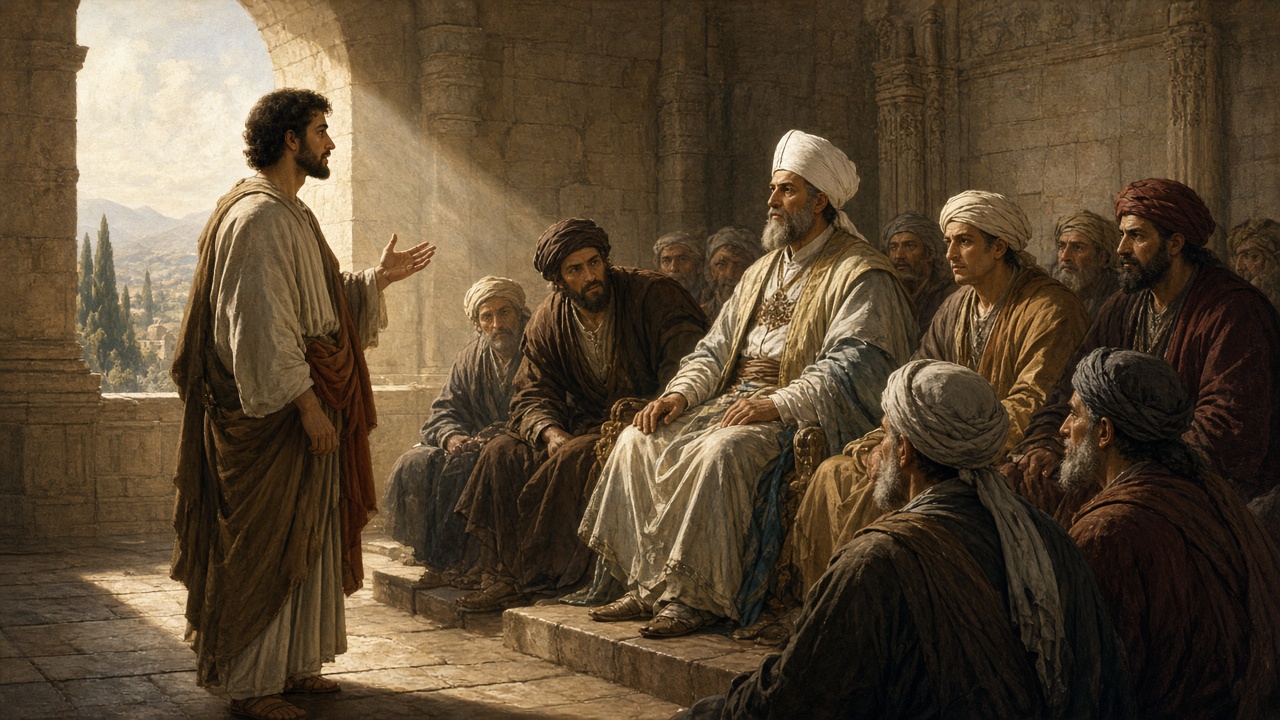
Stephen retells Israel's story
- Stephen opens his speech with Abraham still in Mesopotamia, before he settled in Haran, when he was told to leave his country and his kindred. Mesopotamia—Hebrew Aram-naharaim, “Syria of the two rivers”—was the name Greeks and Romans gave the region between the Euphrates and the Tigris; the Old Testament also calls it Padan-aram, “the plain of Aram,” and the north of that plateau was the early home of the Hebrews’ ancestors. Easton's Bible Dictionary (1897) notes that this first call is not mentioned in the Old Testament, though Genesis 12 implies it, and that Abraham left Ur in Chaldea and traveled about 300 miles north to Haran.Sources: the Bible text itself · Mesopotamia · Abraham
- Stephen says the bones of Jacob and the fathers were carried back to Shechem and placed in the tomb Abraham had bought from the sons of Hamor. Easton's Bible Dictionary (1897) identifies Hamor as a Hivite whose name means “he-ass,” notes that Acts 7:16 calls him Emmor, and says Jacob bought from him the plot at Shechem in which Joseph was later buried. The entry adds that Hamor’s son Shechem founded the city that took his name.Sources: the Bible text itself · Hamor
- Stephen places the burning bush in the desert near Mount Sinai and says Moses received living words there from the angel who spoke to him on the mountain. Easton's Bible Dictionary (1897) treats Sinai—a name linked with Sin, a moon god—as the same mountain district also called Horeb. The entry says the Hebrews reached that region in the third month after the Exodus, after a journey of about 150 miles from the Red Sea, including all the windings of the route, and remained encamped for about a year.Sources: the Bible text itself · Mount Sinai
Notes written with AI assistance from open sources (Theographic Bible Metadata, CC BY-SA 4.0; Easton’s Bible Dictionary, public domain) and reviewed before publishing.
Places in this chapter
- Haran · Today: Harran · 36.864, 39.033 · verses 2, 4
- Mesopotamia · Today: Aram-naharaim · 36.864, 39.033 · verse 2
- Chaldea · 30.962, 46.104 · verse 4
- Egypt · 30.129, 31.308 · verses 9, 10, 11, 12, 14, 15, 17, 18, 34, 36, 39, 40
- Canaan · 32.767, 35.333 · verse 11
- Shechem · Today: Tell Balatah · 32.214, 35.282 · verse 16
- Nile · Today: Nile River · 31.465, 30.367 · verse 19
- Midian · 28.495, 35.012 · verse 29
- Babylon · 32.543, 44.422 · verse 43
Only places identified with high confidence are shown (90% or more according to the scholarly sources compiled by OpenBible). Period map: DARE (Digital Atlas of the Roman Empire), CC BY 4.0; modern map: © OpenStreetMap contributors; places: OpenBible.info (CC BY 4.0).
Credits and license for this translation
Sahidica - طبعة جديدة من العهد الجديد باللغة القبطية الصعيدية
Sahidica - A New Edition of the New Testament in Sahidic Coptic
copyright © 2000-2006 J Warren Wells
Language: ⲘⲉⲧⲢⲉⲙ̀ⲛⲭⲏⲙⲓ (Coptic)
Dialect: Sahidic
Translation by: J Warren Wells
Coptic: Sahidic NT "Sahidica - A New Edition of the New Testament in Sahidic Coptic"
Copyright (c)2000-2006 by J Warren Wells. All rights reserved.
For more information visit www.sahidica.org .
This edition is available free of charge for use in free electronic
editions of the New Testament as long as the full title and copyright
information are included and credited. For written permission to use
all or any part of this document in print editions, contact the editor
at www.sahidica.org .
This edition is primarily meant for use by teachers and students of
Sahidic Coptic, and to a lesser degree by Coptologists involved in
scholarly research, textual criticism, or New Testament translation.
PURPOSE
Please note: This text is a work in progress. As such, there
is an ongoing effort to standardize the spelling of words in
the text. Be aware that version updates periodically appear.
The primary purpose is to produce a standardized edition of
the Sahidic NT similar to standard Greek editions.
An additional purpose of this text is to allow side-by-side
comparison with the Greek New Testament. To facilitate this
effort, a new version of the Greek text has been developed,
which is meant to better represent the Greek text upon which
the Sahidic was based. This text is entitled "The New Testament
According to the Egyptian Greek Text" [NTAEG]
This text does not include representation of either accents or
supralinear strokes, since these are used inconsistently in the
original texts. There is also a higher degree of standardization
in spelling and punctuation; like today's standard Greek master
texts, but unlike both the original Sahidic texts, and the PHI
and Coptic Society texts. Moreover, as in standard Greek texts,
instances of the Nomina Sacra have been expanded to their full
forms. This is again a departure from earlier versions of the
Sahidic, including the PHI and Coptic Society texts, which are
Both inconsistent in their usage.
Special thanks to David Brakke of Indiana University Bloomington,
Brigitte Comparini of the Packard Humanities Institute, and
Michael Heiser, Academic Editor, at Logos Research Systems; for
their assistance in making this edition possible.
BASIS
Sahidica was initially based (by permission) on the Coptic New Testament,
which is an electronic publication, which was edited by David Brakke.
(PHI-CD 5.3 dated 7/2/91. Los Altos. Packard Humanities Institute. 1991).
During later development, Sahidica was electronically collated against
the Coptic CD I by the St. Shenouda The Archmandrite Coptic Society.
Los Angeles, CA dated April, 1998.
These two editions were reduced to a raw electronic form, which allowed both
to be compared electronically letter by letter with Sahidica in order to
accurately detect and report every single variation and input error in any
of the texts. Though errors are inevitable, the collators of three seperate
editions are highly unlikely to make the same errors. Therefore, this method
helps to insure the integrity of the Sahidica edition.
Throughout the project, Sahidica was also collated against printed editions
of the following coptic manuscripts, which manuscripts date from the third
century and later.
Matt: Pierpont Morgan Library M-569 collated against Bodmer XIX papyrus
Mark:* PPalau Rib. Inv.Nr.182 collated against Pierpont Morgan Library M-569
Luke: PPalau Rib. Inv.Nr.181 collated against Pierpont Morgan Library M-569
John: PPalau Rib. Inv.Nr.183 collated against Pierpont Morgan Library M-569
Acts: Chester Beatty B (Copt.Ms.814) collated against Berlin P.15926 and British Museum MS Or.7594
Paul: Chester Beatty A (Copt.Ms.813) collated against Pierpont Morgan Library M-570 and M-571
James-Jude:** Pierpont Morgan Library M-572 collated against the Pierpont Morgan Library M-573 and M-601***
Revelation: Berlin MS Or.408 ( British Museum Ms Or.3518) collated against British Museum MS Or.6803
* Note: The longer and shorter endings of Mark are based on Horner; cf Kahle (JTS.1951.p49-57)
** Note: 1st Peter was also collated against the Crosby-Schøyen Ms.193.
*** Note: Portions of James and Jude were reconstructed from M-573, M-601, and four other mss.
Note on Interpolations
The short and long endings of Mark are ommited from the PPalau ms 182, but they do appear in most mss.
To better represent the overall Sahidic tradition, both endings are included, but in double brackets.
The pericope of the adultress (John 7:53-8:11) does not appear in any Sahidic ms. Herein it is omitted.
2014-09-16
Source: http://ebible.org/copshc/ · eBible.org