Acts 2
Sahidica - طبعة جديدة من العهد الجديد باللغة القبطية الصعيدية · Tap a verse to see its cross-references.
1ⲚⲦⲈⲢⲈϤϪⲰⲔ ⲆⲈ ⲈⲂⲞⲖ ⲚϬⲒ ⲠⲈϨⲞⲞⲨ ⲚⲦⲠⲈⲚⲦⲎⲔⲞⲤⲦⲎ. ⲚⲈⲨϢⲞⲞⲠ ⲦⲎⲢⲞⲨ ⲠⲈ ϨⲒ ⲚⲈⲨⲈⲢⲎⲨ. 2ⲀⲨⲰ ⲀϤϢⲰⲠⲈ ϨⲚ ⲞⲨϢⲤⲚⲈ ⲚϬⲒ ⲞⲨϨⲢⲞⲞⲨ ⲈⲂⲞⲖ ϨⲚ ⲦⲠⲈ ⲚⲐⲈ ⲚⲞⲨⲠⲚⲞⲎ ⲈⲨⲈⲒⲚⲈ ⲘⲘⲞⲤ ⲚϬⲞⲚⲤ. ⲀⲨⲰ ⲀⲤⲘⲞⲨϨ ⲘⲠⲎⲒ ⲦⲎⲢϤ ⲈⲚⲈⲨϨⲘⲞⲞⲤ ϨⲢⲀⲒ ⲚϨⲎⲦϤ. 3ⲀⲨⲞⲨⲰⲚϨ ⲚⲀⲨ ⲈⲂⲞⲖ ⲚϬⲒ ϨⲈⲚⲖⲀⲤ ⲈⲨⲠⲞⲢϪ ⲚⲐⲈ ⲈⲂⲞⲖ ϨⲚ ⲞⲨⲔⲰϨⲦ. ⲀⲨⲰ ⲀⲨϨⲘⲞⲞⲤ ⲈϨⲢⲀⲒ ⲈϪⲘ ⲠⲞⲨⲀ ⲘⲘⲞⲞⲨ. 4ⲀⲨⲘⲞⲨϨ ⲦⲎⲢⲞⲨ ⲈⲂⲞⲖ ϨⲘ ⲠⲈⲠⲚⲈⲨⲘⲀ ⲈⲦⲞⲨⲀⲀⲂ. ⲀⲨⲰ ⲀⲨⲀⲢⲬⲈⲒ ⲚϢⲀϪⲈ ϨⲢⲀⲒ ϨⲚ ϨⲈⲚⲔⲈⲀⲤⲠⲈ. ⲔⲀⲦⲀ ⲐⲈ ⲈⲚⲈⲢⲈ ⲠⲈⲠⲚⲈⲨⲘⲀ ϮⲚⲀⲨ ⲈⲦⲢⲈⲨϢⲀϪⲈ ⲚⲘⲘⲀⲨ. 5ⲚⲈⲨϢⲞⲞⲠ ⲆⲈ ⲠⲈ ϨⲚ ⲐⲒⲈⲢⲞⲤⲞⲖⲨⲘⲀ. ⲈⲨⲞⲨⲎϨ ⲚϬⲒ ϨⲈⲚⲒⲞⲨⲆⲀⲒ. ϨⲈⲚⲢⲰⲘⲈ ⲚⲢⲈϤⲢϨⲞⲦⲈ ⲈⲂⲞⲖ ϨⲚ ϨⲈⲐⲚⲞⲤ ⲚⲒⲘ ⲈⲦϨⲀⲠⲈⲤⲎⲦ ⲚⲦⲠⲈ. 6ⲚⲦⲈⲢⲈ ⲦⲈⲒⲤⲘⲎ ⲆⲈ ϢⲰⲠⲈ. ⲀⲠⲘⲎⲎϢⲈ ⲤⲰⲞⲨϨ ⲀⲨⲰ ⲀⲨϢⲦⲞⲢⲦⲢ. ϪⲈ ⲚⲈⲢⲈ ⲠⲞⲨⲀ ⲠⲞⲨⲀ ⲤⲰⲦⲘ ⲈⲢⲞⲞⲨ ⲈⲨϢⲀϪⲈ ϨⲚ ⲦⲈϤⲀⲤⲠⲈ. 7ⲀⲨⲠⲰϢⲤ ⲆⲈ ⲦⲎⲢⲞⲨ ⲀⲨⲰ ⲀⲨⲢϢⲠⲎⲢⲈ ⲈⲨϪⲰ ⲘⲘⲞⲤ ϪⲈ ⲘⲎ ⲚϨⲈⲚⲄⲀⲖⲒⲖⲀⲒⲞⲤ ⲀⲚ ⲚⲈ ⲚⲀⲒ ⲦⲎⲢⲞⲨ ⲈⲦϢⲀϪⲈ. 8ⲀⲨⲰ ⲚⲀϢ ⲚϨⲈ ⲀⲚⲞⲚ ⲦⲚⲤⲰⲦⲘ ⲠⲞⲨⲀ ⲠⲞⲨⲀ ϨⲢⲀⲒ ϨⲚ ⲦⲈϤⲀⲤⲠⲈ ⲚⲦⲀⲨϪⲠⲞⲚ ⲚϨⲎⲦⲤ. 9ⲘⲠⲀⲢⲐⲞⲤ ⲘⲚ ⲘⲘⲎⲆⲞⲤ ⲘⲚ ⲚⲖⲀⲘⲒⲦⲎⲤ ⲀⲨⲰ ⲚⲈⲦⲞⲨⲎϨ ϨⲚ ⲦⲘⲈⲤⲀⲠⲞⲆⲀⲘⲒⲀ ϮⲞⲨⲆⲀⲒⲀ ⲘⲚ ⲦⲔⲀⲠⲠⲀⲆⲞⲔⲒⲀ ⲠⲠⲞⲚⲦⲞⲤ ⲀⲨⲰ ⲦⲀⲤⲒⲀ. 10ⲦⲈⲪⲢⲨⲄⲒⲀ ⲘⲚ ⲦⲠⲀⲘⲪⲨⲖⲒⲀ ⲔⲎⲘⲈ ⲀⲨⲰ ⲚⲤⲀ ⲚⲦⲖⲒⲂⲨⲎ ⲈⲦϨⲚⲦⲔⲨⲢⲎⲚⲎ ⲀⲨⲰ ⲚⲈϨⲢⲰⲘⲀⲒⲞⲤ ⲈⲦⲦⲀⲒ. 11ⲚⲒⲞⲨⲆⲀⲒ ⲘⲚ ⲚⲈⲠⲢⲞⲤⲨⲖⲨⲦⲞⲤ. ⲚⲈⲔⲢⲒⲦⲎⲤ ⲀⲨⲰ ⲚⲀⲢⲀⲂⲞⲤ. ⲦⲚⲤⲰⲦⲘ ⲈⲢⲞⲞⲨ ⲈⲨϢⲀϪⲈ ϨⲚ ϨⲈⲚⲀⲤⲠⲈ ⲈⲨⲦⲀⲨⲞ ⲚⲘⲘⲚⲦⲚⲞϬ ⲘⲠⲚⲞⲨⲦⲈ. 12ⲀⲨⲠⲰϢⲤ ⲆⲈ ⲦⲎⲢⲞⲨ ⲀⲨⲰ ⲀⲨⲀⲠⲞⲢⲢⲒ. ⲞⲨⲀ ⲚⲚⲀϨⲢⲚ ⲞⲨⲀ ⲈⲨϪⲰ ⲘⲘⲞⲤ ϪⲈ ⲞⲨ ⲠⲈ ⲠⲈⲒϨⲰⲂ. 13ϨⲈⲚⲔⲞⲞⲨⲈ ⲆⲈ ⲈⲨⲚⲞϬⲚⲈϬ ⲈⲨϪⲰ ⲘⲘⲞⲤ ϪⲈ ⲈⲢⲈ ϨⲎⲦⲞⲨ ⲘⲈϨ ⲚⲘⲢⲒⲤ. 14ⲀϤⲀϨⲈ ⲆⲈ ⲈⲢⲀⲦϤ ⲚϬⲒ ⲠⲈⲦⲢⲞⲤ ⲘⲚ ⲠⲘⲚⲦⲞⲨⲈ ⲀϤϤⲒ ⲚⲦⲈϤⲤⲘⲎ ⲈϨⲢⲀⲒ ⲀϤⲞⲨⲰϢⲂ ⲚⲀⲨ ϪⲈ ⲚⲢⲰⲘⲈ ⲚⲒⲞⲨⲆⲀⲒ ⲘⲚ ⲞⲨⲞⲚ ⲚⲒⲘ ⲈⲦⲞⲨⲎϨ ϨⲚ ⲐⲒⲈⲢⲞⲤⲞⲖⲨⲘⲀ ⲘⲀⲢⲈ ⲠⲀⲒ ϢⲰⲠⲈ ⲈϤⲞⲨⲞⲚϨ ⲚⲎⲦⲚ ⲈⲂⲞⲖ ⲀⲨⲰ ⲚⲦⲈⲦⲚ ϪⲒⲤⲘⲎ ⲈⲚⲀϢⲀϪⲈ. 15ⲚⲈⲢⲈ ⲚⲀⲒ ⲄⲀⲢ ⲦⲀϨⲈ ⲀⲚ ⲚⲐⲈ ⲚⲦⲰⲦⲚ ⲈⲦⲈⲦⲚⲘⲈⲈⲨⲈ ⲈⲢⲞⲤ. ϪⲠϢⲞⲘⲦⲈ ⲄⲀⲢ ⲘⲠⲈϨⲞⲞⲨ ⲦⲈ. 16ⲀⲖⲖⲀ ⲠⲀⲒ ⲠⲈⲚⲦⲀⲨϪⲞⲞϤ ⲈⲂⲞⲖ ϨⲒⲦⲚ ⲒⲰⲎⲖ ⲠⲈⲠⲢⲞⲪⲎⲦⲎⲤ. 17ϪⲈ ⲤⲚⲀϢⲰⲠⲈ ⲘⲚⲚⲤⲀ ⲚⲀⲒ ⲠⲈϪⲈ ⲠⲚⲞⲨⲦⲈ ⲚⲦⲀⲠⲰϨⲦ ⲈⲂⲞⲖ ϨⲘ ⲠⲀⲠⲚⲈⲨⲘⲀ ⲈϪⲚ ⲤⲀⲢⲜ ⲚⲒⲘ. ⲚⲤⲈⲠⲢⲞⲪⲎⲦⲈⲨⲈ ⲚϬⲒ ⲚⲈⲦⲚϢⲎⲢⲈ ⲘⲚ ⲚⲈⲦⲚϢⲈⲈⲢⲈ. ⲀⲨⲰ ⲚⲦⲈ ⲚⲈⲦⲚϨⲢϢⲒⲢⲈ ⲚⲀⲨ ⲈϨⲈⲚϨⲞⲢⲞⲤⲒⲤ ⲚⲦⲈ ⲚⲈⲦⲚϨⲖⲖⲞ ⲠⲰⲰⲢⲈ ⲚϨⲈⲚⲢⲀⲤⲞⲨ. 18ⲀⲨⲰ ϮⲚⲀⲠⲰϨⲦ ⲈⲂⲞⲖ ϨⲘ ⲠⲀⲠⲚⲈⲨⲘⲀ ⲈϨⲢⲀⲒ ⲈϪⲚ ⲚⲀϨⲘϨⲀⲖ ⲚϨⲞⲞⲨⲦ ⲘⲚ ⲚⲀϨⲘϨⲀⲖ ⲚⲤϨⲒⲘⲈ ϨⲚ ⲚⲈϨⲞⲞⲨ ⲈⲦⲘⲘⲀⲨ ⲚⲤⲈⲠⲢⲞⲪⲎⲦⲈⲨⲈ. 19ⲦⲀϮ ⲚϨⲈⲚⲘⲀⲈⲒⲚ ϨⲢⲀⲒ ϨⲚ ⲦⲠⲈ ⲀⲨⲰ ϨⲈⲚϢⲠⲎⲢⲈ ⲘⲠⲈⲤⲎⲦ ϨⲒϪⲘ ⲠⲔⲀϨ ⲞⲨⲤⲚⲞϤ ⲘⲚ ⲞⲨⲔⲰϨⲦ ⲘⲚ ⲞⲨⲖϨⲰⲂ ⲚⲔⲀⲠⲚⲞⲤ. 20ⲠⲢⲎ ⲚⲀⲔⲦⲞϤ ⲈⲨⲔⲀⲔⲈ ⲀⲨⲰ ⲠⲞⲞϨ ⲈⲨⲤⲚⲞϤ. ⲘⲠⲀⲦϤⲈⲒ ⲚϬⲒ ⲠⲈϨⲞⲞⲨ ⲘⲠϪⲞⲈⲒⲤ ⲠⲚⲞϬ ⲈⲦⲞⲨⲞⲚϨ ⲈⲂⲞⲖ. 21ⲀⲨⲰ ⲤⲚⲀϢⲰⲠⲈ ⲚⲞⲨⲞⲚ ⲚⲒⲘ ⲈⲦⲚⲀⲰϢ ⲘⲠⲢⲀⲚ ⲘⲠϪⲞⲈⲒⲤ ϤⲚⲀⲞⲨϪⲀⲒ. 22ⲚⲢⲰⲘⲈ ⲚⲦⲈⲠ ⲒⲤⲢⲀⲎⲖ ⲤⲰⲦⲘ ⲈⲚⲀϢⲀϪⲈ ⲒⲎⲤⲞⲨⲤ ⲠⲚⲀⲌⲰⲢⲀⲒⲞⲤ ⲞⲨⲢⲰⲘⲈ ⲈⲀⲨⲦⲞϢϤ ⲈⲂⲞⲖ ϨⲒⲦⲘ ⲠⲚⲞⲨⲦⲈ ⲈϨⲞⲨⲚ ⲈⲢⲰⲦⲚ ϨⲢⲀⲒ ϨⲚ ϨⲈⲚϬⲞⲘ ⲘⲚ ϨⲈⲚⲘⲀⲈⲒⲚ ⲘⲚ ϨⲈⲚϢⲠⲎⲢⲈ ⲚⲀⲒ ⲚⲦⲀ ⲠⲚⲞⲨⲦⲈ ⲀⲀⲨ ⲈⲂⲞⲖ ϨⲒⲦⲞⲞⲦϤ ϨⲚ ⲦⲈⲦⲚⲘⲎⲦⲈ ⲔⲀⲦⲀ ⲐⲈ ⲚⲦⲰⲦⲚ ⲈⲦⲈⲦⲚⲤⲞⲞⲨⲚ. 23ⲠⲀⲒ ϨⲘ ⲠϢⲞϪⲚⲈ ⲈⲦⲦⲎϢ ⲘⲚ ⲠⲤⲞⲞⲨⲚ ⲘⲠⲚⲞⲨⲦⲈ ⲀⲦⲈⲦⲚⲦⲀⲀϤ ⲈϨⲢⲀⲒ ⲈⲚϬⲒϪ ⲚⲀⲚⲞⲘⲞⲤ. ⲀⲦⲈⲦⲚⲀϢⲦϤ. ⲀⲦⲈⲦⲚⲘⲞⲨⲞⲨⲦ ⲘⲘⲞϤ. 24ⲠⲀⲒ ⲚⲦⲀ ⲠⲚⲞⲨⲦⲈ ⲦⲞⲨⲚⲞⲤϤ ⲈⲀϤⲂⲰⲖ ⲈⲂⲞⲖ ⲚⲚⲚⲀⲀⲔⲈ ⲘⲠⲘⲞⲨ ⲈⲂⲞⲖ ϪⲈ ⲚⲈⲘⲚ ϢϬⲞⲘ ⲈⲦⲢⲈⲨⲀⲘⲀϨⲦⲈ ⲘⲘⲞϤ ⲈⲂⲞⲖ ϨⲒ ⲦⲞⲞⲦϤ. 25ⲆⲀⲨⲈⲒⲆ ⲄⲀⲢ ϪⲰ ⲘⲘⲞⲤ ⲈϨⲞⲨⲚ ⲈⲢⲞϤ. ϪⲈ ⲚⲈⲒⲚⲀⲨ ⲈⲠϪⲞⲈⲒⲤ ⲠⲈ ⲘⲠⲀⲘⲦⲞ ⲈⲂⲞⲖ ⲚⲞⲨⲞⲈⲒϢ ⲚⲒⲘ. ϪⲈ ϤϨⲒⲞⲨⲚⲀⲘ ⲘⲘⲞⲒ ϪⲈ ⲚⲚⲀⲔⲒⲘ. 26ⲈⲦⲂⲈ ⲠⲀⲒ ⲀⲠⲀϨⲎⲦ ⲈⲨⲪⲢⲀⲚⲈ ⲀⲨⲰ ⲀⲠⲀⲖⲀⲤ ⲦⲈⲖⲎⲖ. ⲈⲦⲒ ⲆⲈ ⲦⲀⲔⲈⲤⲀⲢⲜ ⲚⲀⲞⲨⲰϨ ϨⲚ ⲞⲨϨⲈⲖⲠⲒⲤ. 27ϪⲈ ⲚⲄⲚⲀⲔⲰ ⲚⲤⲰⲔ ⲀⲚ ⲚⲦⲀⲮⲨⲬⲎ ϨⲚ ⲀⲘⲚⲦⲈ. ⲞⲨⲆⲈ ⲚⲄⲚⲀϮ ⲀⲚ ⲘⲠⲈⲔⲠⲈⲦⲞⲨⲀⲀⲂ ⲈⲚⲀⲨ ⲈⲠⲦⲀⲔⲞ. 28ⲀⲔⲞⲨⲰⲚϨ ⲚⲀⲒ ⲈⲂⲞⲖ ⲚⲚⲈϨⲒⲞⲞⲨⲈ ⲘⲠⲰⲚϨ. ⲔⲚⲀϪⲞⲔⲦ ⲈⲂⲞⲖ ⲚⲞⲨⲞⲨⲚⲞϤ ⲘⲚ ⲠⲈⲔϨⲞ. 29ⲚⲢⲰⲘⲈ ⲚⲈⲤⲚⲎⲨ ϢϢⲈ ⲈⲦⲢⲈⲚϪⲞⲞⲤ ⲚⲎⲦⲚ ϨⲚ ⲞⲨⲠⲀⲢⲢⲎⲤⲒⲀ ⲈⲦⲂⲈ ⲠⲠⲀⲦⲢⲒⲀⲢⲬⲎⲤ ⲆⲀⲨⲈⲒⲆ ϪⲈ ⲀϤⲘⲞⲨ ⲀⲨⲰ ⲀⲨⲦⲞⲘⲤϤ ⲀⲨⲰ ⲠⲈϤⲘϨⲀⲀⲨ ϢⲞⲞⲠ ⲚϨⲎⲦⲚ ϢⲀϨⲢⲀⲒ ⲈⲠⲞⲞⲨ ⲚϨⲞⲞⲨ. 30ⲈⲨⲠⲢⲞⲪⲎⲦⲎⲤ ϬⲈ ⲠⲈ ⲀⲨⲰ ⲈϤⲤⲞⲞⲨⲚ ϪⲈ ϨⲚ ⲞⲨⲀⲚⲀϢ ⲀⲠⲚⲞⲨⲦⲈ ⲰⲢⲔ ⲚⲀϤ. ⲈⲐⲘⲤⲞ ⲈⲂⲞⲖ ϨⲘ ⲠⲔⲀⲢⲠⲞⲤ ⲚⲦⲈϤϮⲠⲈ ⲈϨⲢⲀⲒ ⲈϪⲘ ⲠⲈϤⲐⲢⲞⲚⲞⲤ. 31ⲀϤϢⲢⲠⲈⲒⲘⲈ ⲀϤϢⲀϪⲈ ⲈⲦⲂⲈ ⲦⲀⲚⲀⲤⲦⲀⲤⲒⲤ ⲘⲠⲈⲬⲢⲒⲤⲦⲞⲤ. ϪⲈ ⲞⲨⲆⲈ ⲘⲠⲞⲨⲔⲀⲀϤ ϨⲚ ⲀⲘⲚⲦⲈ ⲞⲨⲆⲈ ⲘⲠⲈ ⲦⲈϤⲤⲀⲢⲜ ⲚⲀⲨ ⲈⲠⲦⲀⲔⲞ. 32ⲠⲀⲒ ⲠⲈ ⲒⲎⲤⲞⲨⲤ ⲠⲈⲚⲦⲀ ⲠⲚⲞⲨⲦⲈ ⲦⲞⲨⲚⲞⲤϤ. ⲠⲀⲒ ⲈⲚϢⲞⲞⲠ ⲚⲀϤ ⲦⲎⲢⲚ ⲘⲘⲚⲦⲢⲈ. 33ⲈⲀϤϪⲒⲤⲈ ϬⲈ ⲈϨⲢⲀⲒ ϨⲚ ⲦⲞⲨⲚⲀⲘ ⲘⲠⲚⲞⲨⲦⲈ ⲀϤϪⲒ ⲘⲠⲈⲢⲎⲦ ⲘⲠⲈⲠⲚⲈⲨⲘⲀ ⲈⲦⲞⲨⲀⲀⲂ ⲈⲂⲞⲖ ϨⲒⲦⲘ ⲠⲈⲒⲰⲦ ⲀϤⲠⲰϨⲦ ⲘⲠⲈⲒⲦⲀⲒⲞ ⲠⲀⲒ ⲚⲦⲰⲦⲚ ⲈⲦⲈⲦⲚⲚⲀⲨ ⲈⲢⲞϤ ⲀⲨⲰ ⲈⲦⲈⲦⲚⲤⲰⲦⲘ. 34ⲆⲀⲨⲈⲒⲆ ⲄⲀⲢ ⲀⲚ ⲠⲈⲚⲦⲀϤⲂⲰⲔ ⲈϨⲢⲀⲒ ⲈⲘⲠⲎⲨⲈ. ϤϪⲰ ⲆⲈ ⲘⲘⲞⲤ ⲚⲦⲞϤ. ϪⲈ ⲠⲈϪⲈ ⲠϪⲞⲈⲒⲤ ⲘⲠⲀϪⲞⲈⲒⲤ ϪⲈ ϨⲘⲞⲞⲤ ⲚⲤⲀⲞⲨⲚⲀⲘ ⲘⲘⲞⲒ. 35ϢⲀⲚϮⲔⲰ ⲚⲚⲈⲔϪⲀϪⲈ ⲚϨⲨⲠⲞⲠⲞⲆⲒⲞⲚ ⲚⲚⲈⲔⲞⲨⲈⲢⲎⲦⲈ. 36ϨⲚ ⲞⲨⲰⲢϪ ϬⲈ ⲘⲀⲢⲈϤⲈⲒⲘⲈ ⲚϬⲒ ⲠⲎⲒ ⲦⲎⲢϤ ⲘⲠⲒⲤⲢⲀⲎⲖ ϪⲈ ⲀⲠⲚⲞⲨⲦⲈ ⲀⲀϤ ⲚϪⲞⲈⲒⲤ ⲀⲨⲰ ⲚⲬⲢⲎⲤⲦⲞⲤ. ⲠⲀⲒ ⲠⲈ ⲒⲎⲤⲞⲨⲤ ⲠⲈⲚⲦⲀⲦⲈⲦⲚⲤⲦⲀⲨⲢⲞⲨ ⲘⲘⲞϤ. 37ⲚⲦⲈⲢⲞⲨⲤⲰⲦⲘ ⲆⲈ ⲈⲚⲀⲒ ⲀⲨⲘⲔⲀϨ ⲘⲠⲈⲨϨⲎⲦ. ⲀⲨⲰ ⲠⲈϪⲀⲨ ⲘⲠⲈⲦⲢⲞⲤ ⲘⲚ ⲠⲔⲈⲤⲈⲈⲠⲈ ⲚⲀⲠⲞⲤⲦⲞⲖⲞⲤ. ϪⲈ ⲞⲨ ⲠⲈⲦⲚⲚⲀⲀϤ ⲚⲢⲰⲘⲈ ⲚⲈⲤⲚⲎⲨ. 38ⲠⲈⲦⲢⲞⲤ ⲆⲈ ⲠⲈϪⲀϤ ⲚⲀⲨ ϪⲈ ⲘⲈⲦⲀⲚⲞⲒ. ⲀⲨⲰ ⲘⲀⲢⲈ ⲠⲞⲨⲀ ⲠⲞⲨⲀ ⲘⲘⲰⲦⲚ ϪⲒⲂⲀⲠⲦⲒⲤⲘⲀ ⲈⲠⲢⲀⲚ ⲘⲠϪⲞⲈⲒⲤ ⲒⲎⲤⲞⲨⲤ ⲠⲈⲬⲢⲒⲤⲦⲞⲤ ⲈⲠⲔⲰ ⲈⲂⲞⲖ ⲚⲚⲈⲦⲚⲚⲞⲂⲈ. ⲀⲨⲰ ⲦⲈⲦⲚⲀϪⲒ ⲚⲦⲆⲰⲢⲈⲀ ⲘⲠⲈⲒⲠⲚⲈⲨⲘⲀ ⲈⲦⲞⲨⲀⲀⲂ. 39ⲈⲢⲈ ⲠⲈⲢⲎⲦ ⲄⲀⲢ ϢⲞⲞⲠ ⲚⲎⲦⲚ ⲘⲚ ⲚⲈⲦⲚϢⲎⲢⲈ. ⲀⲨⲰ ⲞⲨⲞⲚ ⲚⲒⲘ ⲈⲦⲘⲠⲞⲨⲈ. ⲚⲀⲒ ⲈⲦⲈⲢⲈ ⲠϪⲞⲈⲒⲤ ⲠⲈⲚⲚⲞⲨⲦⲈ ⲚⲀⲦⲀϨⲘⲞⲨ. 40ϨⲢⲀⲒ ⲆⲈ ϨⲚ ϨⲈⲚⲔⲈⲘⲎⲎϢⲈ ⲚϢⲀϪⲈ ⲚⲈϤⲢⲘⲚⲦⲢⲈ. ⲀⲨⲰ ⲚⲈϤⲤⲞⲠⲤ ⲘⲘⲞⲞⲨ ⲈϤϪⲰ ⲘⲘⲞⲤ ϪⲈ ⲞⲨϪⲀⲒ ⲈⲂⲞⲖ ϨⲚ ⲦⲈⲒⲄⲈⲚⲈⲀ ⲈⲦϬⲞⲞⲘⲈ. 41ⲚⲈⲚⲦⲀⲨϢⲰⲠ ϬⲈ ⲈⲢⲞⲞⲨ ⲘⲠⲈϤϢⲀϪⲈ ⲀⲨϪⲒⲂⲀⲠⲦⲒⲤⲘⲀ. ⲀⲨⲰ ⲀⲨⲞⲨⲰϨ ⲈⲢⲞⲞⲨ ⲘⲠⲈϨⲞⲞⲨ ⲈⲦⲘⲘⲀⲨ ⲚϬⲒ ⲀϢⲘⲦϢⲞ ⲘⲮⲨⲬⲎ. 42ⲚⲈⲨϢⲞⲞⲠ ⲆⲈ ⲠⲈ ⲈⲨⲠⲢⲞⲤⲔⲀⲢⲦⲈⲢⲒ ⲈⲦⲈⲤⲂⲰ ⲚⲀⲠⲞⲤⲦⲞⲖⲞⲤ. ⲘⲚ ⲦⲔⲞⲒⲚⲰⲚⲒⲀ ⲘⲠⲠⲰϢ ⲘⲠⲞⲈⲒⲔ. ⲀⲨⲰ ⲚⲈϢⲖⲎⲖ. 43ⲞⲨⲚⲞϬ ⲚϨⲞⲦⲈ ⲀⲤϢⲰⲠⲈ ⲈϨⲢⲀⲒ ⲈϪⲘ ⲮⲨⲬⲎ ⲚⲒⲘ. ϨⲀϨ ⲄⲀⲢ ⲘⲘⲀⲈⲒⲚ ϨⲒ ϢⲠⲎⲢⲈ ⲚⲈⲨϢⲰⲠⲈ ⲈⲂⲞⲖ ϨⲒⲦⲞⲞⲦⲞⲨ ⲚⲀⲠⲞⲤⲦⲞⲖⲞⲤ. 44ⲞⲨⲞⲚ ⲆⲈ ⲚⲒⲘ ⲚⲦⲀⲨⲠⲒⲤⲦⲈⲨⲈ ⲚⲈⲨϢⲞⲞⲠ ⲠⲈ ⲘⲚ ⲚⲈⲨⲈⲢⲎⲨ. ⲀⲨⲰ ⲈⲢⲈ ⲚⲔⲀ ⲚⲒⲘ ϢⲞⲞⲠ ⲚⲀⲨ ϨⲒⲞⲨⲤⲞⲠ. 45ⲀⲨⲰ ⲚⲈⲨϬⲰⲘ ⲘⲚ ⲚⲈⲨϨⲨⲠⲀⲢⲬⲞⲚⲦⲀ ⲚⲈⲨϮ ⲘⲘⲞⲞⲨ ⲈⲂⲞⲖ. ⲀⲨⲰ ⲚⲈⲨⲦⲰϢ ⲘⲘⲞⲞⲨ ⲈϪⲚ ⲞⲨⲞⲚ ⲚⲒⲘ. ⲔⲀⲦⲀⲐⲈ ⲈⲦⲈ ⲢⲈⲠⲞⲨⲀ ⲠⲞⲨⲀ ⲢⲬⲢⲒⲀ ⲘⲘⲞⲤ. 46ⲘⲘⲎⲚⲈ ⲆⲈ ⲚⲈⲨⲠⲢⲞⲤⲔⲀⲢⲦⲈⲢⲒ ϨⲒ ⲞⲨⲤⲞⲠ ϨⲘ ⲠⲈⲢⲠⲈ ⲀⲨⲰ ϨⲘ ⲠⲎⲒ ⲈⲨⲠⲰϢ ⲘⲠⲞⲈⲒⲔ ⲈⲨϪⲒ ⲚⲞⲨⲦⲢⲞⲪⲎ ϨⲚ ⲞⲨⲦⲈⲖⲎⲖ ⲘⲚ ⲦⲘⲚⲦϨⲀⲠⲖⲞⲨⲤ ⲚⲦⲈ ⲠⲈⲨϨⲎⲦ. 47ⲈⲨⲤⲘⲞⲨ ⲈⲠⲚⲞⲨⲦⲈ. ⲀⲨⲰ ⲈⲨⲚⲦⲞⲨ ⲬⲀⲢⲒⲤ ⲘⲘⲀⲨ ⲚⲚⲀϨⲢⲘ ⲠⲖⲀⲞⲤ ⲦⲎⲢϤ. ⲠϪⲞⲈⲒⲤ ⲆⲈ ⲚⲈϤⲞⲨⲰϨ ⲈⲢⲞⲞⲨ ⲚⲚⲈⲦⲚⲀⲞⲨϪⲀⲒ ⲘⲘⲎⲚⲈ ϨⲒ ⲞⲨⲤⲞⲠ.
Did you know?
The Spirit Comes at Pentecost
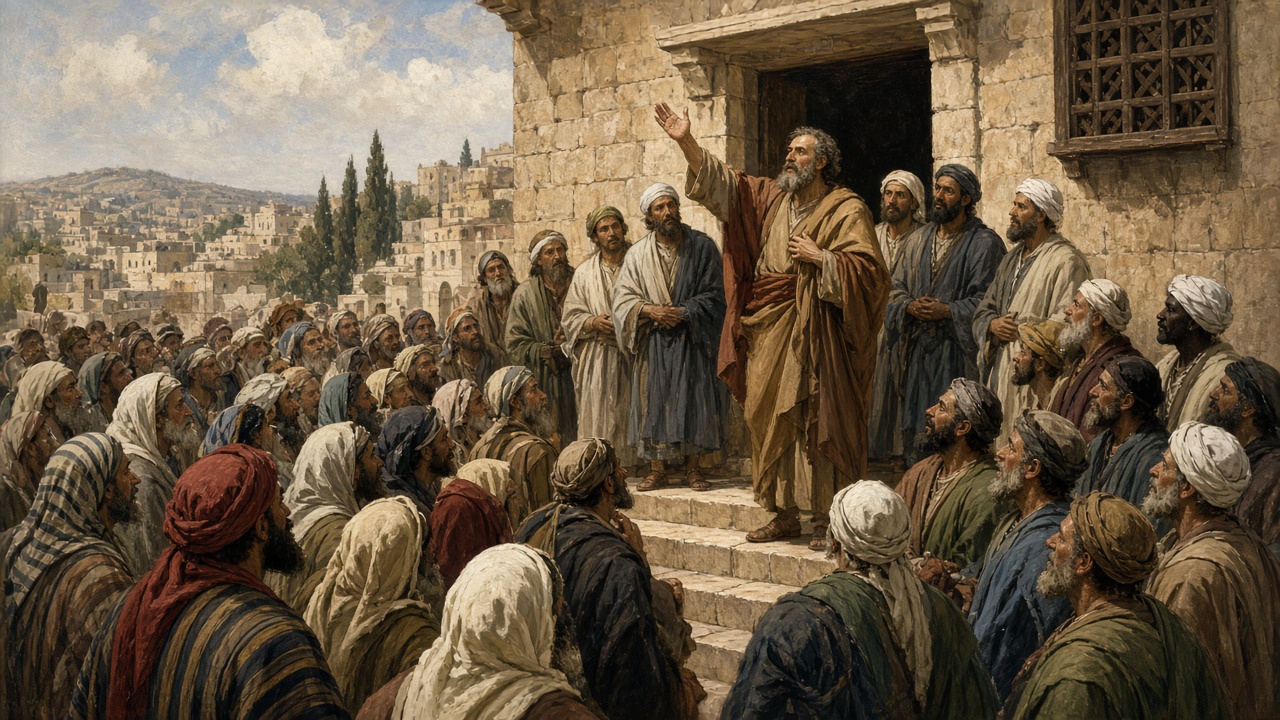
- God-fearing Jews from every nation under heaven were already living in Jerusalem when a sound like a mighty rushing wind came from heaven and filled the house, and the speakers began to declare God’s wonders in other languages. In this chapter, “Asia” is the Roman province of Proconsular Asia, in the western part of Asia Minor, whose capital was Ephesus—not the continent of that name. Pontus, along the southern coast of the Euxine Sea, was a Roman province in the apostles’ time and a resort of many Jews of the Dispersion; Cappadocia was the easternmost and largest province of Asia Minor.Sources: the Bible text itself · Asia · Pontus · Cappadocia
- The crowd was amazed that the speakers were Galileans. The one who stood with the Eleven and addressed them was Simon Peter, originally called Simon—that is, Simeon, meaning “hearing”—a fisherman from Bethsaida, on the western coast of the Sea of Galilee, whom his younger brother Andrew first brought to Jesus.Sources: the Bible text itself · Simon Peter
- Peter said this was what the prophet Joel had spoken. Joel, the second of the twelve minor prophets, was the son of Pethuel, and his personal history is known only from his book. Peter also quoted David, the eighth and youngest son of Jesse of Bethlehem, and told the crowd that this patriarch had died and been buried, and that his tomb was still with them in Jerusalem.Sources: the Bible text itself · Joel · David
Notes written with AI assistance from open sources (Theographic Bible Metadata, CC BY-SA 4.0; Easton’s Bible Dictionary, public domain) and reviewed before publishing.
Places in this chapter
- Jerusalem · 31.777, 35.234 · verses 5, 14
- Galilee · 32.760, 35.527 · verse 7
- Asia · 38.400, 28.300 · verse 9
- Cappadocia · 38.671, 34.839 · verse 9
- Judea · Today: Judea 1 · 31.777, 35.234 · verses 9, 14
- Mesopotamia · Today: Aram-naharaim · 36.864, 39.033 · verse 9
- Pontus · 40.680, 37.830 · verse 9
- Cyrene · 32.821, 21.851 · verse 10
- Egypt · 30.129, 31.308 · verse 10
- Libya · 32.821, 21.851 · verse 10
- Pamphylia · 37.000, 31.000 · verse 10
- Phrygia · 39.000, 31.000 · verse 10
- Rome · 41.892, 12.485 · verse 10
- Nazareth · 32.702, 35.298 · verse 22
Only places identified with high confidence are shown (90% or more according to the scholarly sources compiled by OpenBible). Period map: DARE (Digital Atlas of the Roman Empire), CC BY 4.0; modern map: © OpenStreetMap contributors; places: OpenBible.info (CC BY 4.0).
Credits and license for this translation
Sahidica - طبعة جديدة من العهد الجديد باللغة القبطية الصعيدية
Sahidica - A New Edition of the New Testament in Sahidic Coptic
copyright © 2000-2006 J Warren Wells
Language: ⲘⲉⲧⲢⲉⲙ̀ⲛⲭⲏⲙⲓ (Coptic)
Dialect: Sahidic
Translation by: J Warren Wells
Coptic: Sahidic NT "Sahidica - A New Edition of the New Testament in Sahidic Coptic"
Copyright (c)2000-2006 by J Warren Wells. All rights reserved.
For more information visit www.sahidica.org .
This edition is available free of charge for use in free electronic
editions of the New Testament as long as the full title and copyright
information are included and credited. For written permission to use
all or any part of this document in print editions, contact the editor
at www.sahidica.org .
This edition is primarily meant for use by teachers and students of
Sahidic Coptic, and to a lesser degree by Coptologists involved in
scholarly research, textual criticism, or New Testament translation.
PURPOSE
Please note: This text is a work in progress. As such, there
is an ongoing effort to standardize the spelling of words in
the text. Be aware that version updates periodically appear.
The primary purpose is to produce a standardized edition of
the Sahidic NT similar to standard Greek editions.
An additional purpose of this text is to allow side-by-side
comparison with the Greek New Testament. To facilitate this
effort, a new version of the Greek text has been developed,
which is meant to better represent the Greek text upon which
the Sahidic was based. This text is entitled "The New Testament
According to the Egyptian Greek Text" [NTAEG]
This text does not include representation of either accents or
supralinear strokes, since these are used inconsistently in the
original texts. There is also a higher degree of standardization
in spelling and punctuation; like today's standard Greek master
texts, but unlike both the original Sahidic texts, and the PHI
and Coptic Society texts. Moreover, as in standard Greek texts,
instances of the Nomina Sacra have been expanded to their full
forms. This is again a departure from earlier versions of the
Sahidic, including the PHI and Coptic Society texts, which are
Both inconsistent in their usage.
Special thanks to David Brakke of Indiana University Bloomington,
Brigitte Comparini of the Packard Humanities Institute, and
Michael Heiser, Academic Editor, at Logos Research Systems; for
their assistance in making this edition possible.
BASIS
Sahidica was initially based (by permission) on the Coptic New Testament,
which is an electronic publication, which was edited by David Brakke.
(PHI-CD 5.3 dated 7/2/91. Los Altos. Packard Humanities Institute. 1991).
During later development, Sahidica was electronically collated against
the Coptic CD I by the St. Shenouda The Archmandrite Coptic Society.
Los Angeles, CA dated April, 1998.
These two editions were reduced to a raw electronic form, which allowed both
to be compared electronically letter by letter with Sahidica in order to
accurately detect and report every single variation and input error in any
of the texts. Though errors are inevitable, the collators of three seperate
editions are highly unlikely to make the same errors. Therefore, this method
helps to insure the integrity of the Sahidica edition.
Throughout the project, Sahidica was also collated against printed editions
of the following coptic manuscripts, which manuscripts date from the third
century and later.
Matt: Pierpont Morgan Library M-569 collated against Bodmer XIX papyrus
Mark:* PPalau Rib. Inv.Nr.182 collated against Pierpont Morgan Library M-569
Luke: PPalau Rib. Inv.Nr.181 collated against Pierpont Morgan Library M-569
John: PPalau Rib. Inv.Nr.183 collated against Pierpont Morgan Library M-569
Acts: Chester Beatty B (Copt.Ms.814) collated against Berlin P.15926 and British Museum MS Or.7594
Paul: Chester Beatty A (Copt.Ms.813) collated against Pierpont Morgan Library M-570 and M-571
James-Jude:** Pierpont Morgan Library M-572 collated against the Pierpont Morgan Library M-573 and M-601***
Revelation: Berlin MS Or.408 ( British Museum Ms Or.3518) collated against British Museum MS Or.6803
* Note: The longer and shorter endings of Mark are based on Horner; cf Kahle (JTS.1951.p49-57)
** Note: 1st Peter was also collated against the Crosby-Schøyen Ms.193.
*** Note: Portions of James and Jude were reconstructed from M-573, M-601, and four other mss.
Note on Interpolations
The short and long endings of Mark are ommited from the PPalau ms 182, but they do appear in most mss.
To better represent the overall Sahidic tradition, both endings are included, but in double brackets.
The pericope of the adultress (John 7:53-8:11) does not appear in any Sahidic ms. Herein it is omitted.
2014-09-16
Source: http://ebible.org/copshc/ · eBible.org