Acts 16
Sahidica - طبعة جديدة من العهد الجديد باللغة القبطية الصعيدية · Tap a verse to see its cross-references.
1ⲀⲨⲰ ⲀϤⲔⲀⲦⲀⲚⲦⲀ ⲈⲆⲈⲢⲂⲎ ⲘⲚ ⲖⲨⲤⲦⲢⲀ. ⲚⲈⲨⲚ ⲞⲨⲘⲀⲐⲎⲦⲎⲤ ⲆⲈ ⲘⲘⲀⲨ ⲈⲠⲈϤⲢⲀⲚ ⲠⲈ ⲦⲒⲘⲞⲐⲈⲞⲤ ⲈⲠϢⲎⲢⲈ ⲠⲈ ⲚⲞⲨⲤϨⲒ ⲘⲈ ⲚⲒⲞⲨⲆⲀⲒ ⲘⲠⲒⲤⲦⲎ. ⲠⲈϤⲈⲒⲰⲦ ⲆⲈ ⲞⲨⲈⲒⲈⲚⲒⲚ ⲠⲈ. 2ⲠⲀⲒ ⲚⲈⲨⲢⲘⲚⲦⲢⲈ ϨⲀⲢⲞϤ ⲈⲂⲞⲖ ϨⲒⲦⲚ ⲚⲈⲤⲚⲎⲨ ⲈⲦϨⲚ ⲖⲨⲤⲆⲢⲞⲤ ⲘⲚ ϨⲒⲔⲞⲚⲒⲞⲤ. 3ⲠⲀⲒ ⲀⲠⲀⲨⲖⲞⲤ ⲞⲨⲰϢ ⲈⲦⲢⲈϤⲈⲒ ⲈⲂⲞⲖ ⲚⲘⲘⲀϤ. ⲀⲨⲰ ⲀϤϪⲒⲦϤ ⲀϤⲤⲂⲂⲎⲦϤ ⲈⲦⲂⲈ ⲚⲒⲞⲨⲆⲀⲒ ⲈⲦϢⲞⲞⲠ ϨⲘ ⲠⲘⲀ ⲈⲦⲘⲘⲀⲨ. ⲚⲈⲨⲤⲞⲞⲨⲚ ⲄⲀⲢ ⲦⲎⲢⲞⲨ ϪⲈ ⲞⲨⲈⲈⲒⲈⲚⲒⲚ ⲠⲈ ⲠⲈϤⲈⲒⲰⲦ. 4ⲚⲈⲨⲚⲎⲨ ⲆⲈ ⲈⲂⲞⲖ ⲠⲈ ϨⲒⲦⲚ ⲘⲠⲞⲖⲒⲤ ⲈⲨϮ ⲈⲦⲞⲞⲦⲞⲨ ⲈⲦⲢⲈⲨϨⲀⲢⲈϨ ⲈⲚⲆⲞⲄⲘⲀ ⲚⲦⲀⲨⲔⲢⲒⲚⲈ ⲘⲘⲞⲞⲨ ⲈⲂⲞⲖ ϨⲒⲦⲚ ⲚⲀⲠⲞⲤⲦⲞⲖⲞⲤ ⲘⲚ ⲚⲈⲠⲢⲈⲤⲂⲨⲦⲈⲢⲞⲤ ⲈⲦϨⲚⲐⲒⲈⲢⲞⲤⲞⲖⲨⲘⲀ. 5ⲚⲈⲔⲔⲖⲎⲤⲒⲀ ϬⲈ ⲚⲈⲨⲦⲀϪⲢⲞ ⲠⲈ ϨⲚ ⲦⲠⲒⲤⲦⲒⲤ ⲀⲨⲰ ⲚⲈⲨⲢϨⲞⲨⲞ ϨⲚ ⲦⲎⲠⲈ ⲘⲘⲎⲚⲈ. 6ⲀⲨⲈⲒ ⲆⲈ ⲈⲂⲞⲖ ϨⲒⲦⲚ ⲦⲈⲪⲢⲨⲄⲒⲀ ⲘⲚ ⲦⲈⲬⲰⲢⲀ ⲚⲦⲄⲀⲖⲀⲦⲒⲀ. ⲈⲀⲨⲔⲰⲖⲨ ⲘⲘⲞⲞⲨ ⲈⲂⲞⲖ ϨⲒⲦⲘ ⲠⲈⲠⲚⲈⲨⲘⲀ ⲈⲦⲞⲨⲀⲀⲂ ⲈⲦⲘϪⲈ ⲠϢⲀϪⲈ ϨⲚ ⲦⲀⲤⲒⲀ. 7ⲚⲦⲈⲢⲞⲨⲈⲒ ⲆⲈ ⲈⲦⲘⲨⲤⲒⲀ ⲀⲨⲠⲈⲒⲢⲀⲌⲈ ⲈⲂⲰⲔ ⲈϨⲞⲨⲚ ⲈⲦⲂⲨⲐⲨⲚⲒⲀ. ⲀⲨⲰ ⲘⲠϤⲔⲀⲀⲨ ⲚϬⲒ ⲠⲈⲠⲚⲈⲨⲘⲀ. 8ⲀⲨⲰ ⲚⲦⲈⲢⲞⲨⲤⲀⲀⲦ ⲦⲘⲨⲤⲒⲀ ⲀⲨⲈⲒ ⲈϨⲢⲀⲒ ⲈⲦⲈⲦⲢⲰⲀⲤ. 9ⲀⲨϨⲞⲢⲞⲘⲀ ϬⲰⲖⲠ ⲈⲂⲞⲖ ⲘⲠⲀⲨⲖⲞⲤ ⲚⲦⲈⲨϢⲎ. ⲈϢϪⲈ ⲈⲢⲈ ⲞⲨⲢⲰⲘⲈ ⲘⲘⲀⲔⲈⲆⲰⲚ ⲀϨⲈⲢⲀⲦϤ ⲘⲠⲈϤⲘⲦⲞ ⲈⲂⲞⲖ ⲈϤⲤⲞⲠⲤ ⲘⲘⲞϤ ⲈϤϪⲰ ⲘⲘⲞⲤ ϪⲈ ⲀⲘⲞⲨ ⲈⲦⲘⲀⲔⲈⲆⲞⲚⲒⲀ ⲚⲄⲂⲞⲎⲐⲒ ⲈⲢⲞⲚ. 10ⲚⲦⲈⲢⲈϤⲦⲰⲞⲨⲚ ⲆⲈ ⲀϤϪⲰ ⲈⲢⲞⲚ ⲘⲠϨⲞⲢⲞⲘⲀ ⲚⲦⲈⲨⲚⲞⲨ ⲆⲈ ⲀⲚϢⲒⲚⲈ ⲚⲤⲀⲈⲒ ⲈⲂⲞⲖ ⲈⲦⲘⲀⲔⲈⲆⲞⲚⲒⲀ ⲈⲚⲦⲀⲘⲞ ⲘⲘⲞⲞⲨ ϪⲈ ⲀⲠϪⲞⲈⲒⲤ ⲦⲀϨⲘⲚ ⲈⲦⲀϢⲈⲞⲈⲒϢ ⲚⲀⲨ. 11ⲚⲦⲈⲢⲈⲚⲔⲰ ⲆⲈ ⲈⲂⲞⲖ ϨⲚ ⲦⲢⲰⲀⲤ ⲀⲚⲤϬⲎⲢ ⲈⲤⲀⲘⲞⲐⲢⲀⲔⲎ. ⲘⲠⲈϤⲢⲀⲤⲦⲈ ⲆⲈ ⲈⲚⲈⲀⲠⲞⲖⲒⲤ. 12ⲈⲂⲞⲖ ⲆⲈ ϨⲘ ⲠⲘⲀ ⲈⲦⲘⲘⲀⲨ ⲈⲚⲈⲪⲒⲖⲒⲠⲠⲞⲤ ⲞⲨⲠⲞⲖⲒⲤ ϪⲈ ⲔⲀⲖⲞⲚⲒⲀ. ⲈⲦⲈⲦⲀⲒ ⲦⲈ ⲦϢⲞⲢⲠ ⲚⲦⲘⲈⲢⲒⲤ ⲚⲦⲘⲀⲔⲈⲆⲞⲚⲒⲀ. ⲚⲈⲚϢⲞⲞⲠ ⲆⲈ ϨⲚ ⲦⲈⲒⲠⲞⲖⲒⲤ ⲚϨⲈⲚϨⲞⲞⲨ. 13ⲘⲠⲈϨⲞⲞⲨ ⲆⲈ ⲚⲚⲤⲀⲂⲂⲀⲦⲞⲚ ⲀⲚⲈⲒ ⲈⲂⲞⲖ ⲠⲂⲞⲖ ⲚⲦⲠⲨⲖⲎ ⲈϪⲘ ⲠⲒⲈⲢⲞ ⲈⲨⲘⲀ ⲈϢⲀⲚϢⲖⲎⲖ ⲚϨⲎⲦϤ. ⲀⲨⲰ ⲀⲚϨⲘⲞⲞⲤ ⲀⲚϢⲀϪⲈ ⲘⲚ ⲚⲈϨⲒⲞⲘⲈ ⲚⲦⲀⲨⲈⲒ ⲈⲂⲞⲖ ϢⲀⲢⲞⲚ. 14ⲈⲨⲚ ⲞⲨⲤϨⲒⲘⲈ ⲆⲈ ⲤⲰⲦⲘ ⲈⲠⲈⲤⲢⲀⲚ ⲠⲈ ⲖⲨⲆⲒⲀ ⲞⲨⲤⲀⲚϪⲎϬⲈ ⲚⲦⲈ ⲦⲠⲞⲖⲒⲤ ⲚⲐⲨⲀⲦⲒⲢⲀ ⲈⲤϢⲘϢⲈ ⲘⲠⲚⲞⲨⲦⲈ ⲦⲀⲒ ⲈⲚⲦⲀ ⲠϪⲞⲈⲒⲤ ⲞⲨⲰⲚ ⲘⲠⲈⲤϨⲎⲦ ⲈⲦⲢⲈⲤϮϨⲦⲎⲤ ⲈⲚⲈⲦⲈⲢⲈ ⲠⲀⲨⲖⲞⲤ ϪⲰ ⲘⲘⲞⲞⲨ. 15ⲚⲦⲈⲢⲈⲤϪⲒⲂⲀⲠⲦⲒⲤⲘⲀ ⲆⲈ ⲚⲦⲞⲤ ⲀⲨⲰ ⲠⲈⲤⲎⲒ ⲀⲤⲤⲈⲠⲤⲰⲠⲚ ⲈⲤϪⲰ ⲘⲘⲞⲤ ϪⲈ ⲈϢϪⲈ ⲀⲦⲈⲦⲚⲔⲢⲒⲚⲈ ⲈⲀⲀⲦ ⲘⲠⲒⲤⲦⲎ ⲘⲠϪⲞⲈⲒⲤ ⲀⲘⲎⲒⲦⲚ ⲈϨⲞⲨⲚ ⲚⲦⲈⲦⲚ ϢⲰⲠⲈ ϨⲘ ⲠⲀⲎⲒ ⲀⲨⲰ ⲀⲤⲤⲰⲔ ⲘⲘⲞⲚ ⲚϪⲚⲀϨ. 16ⲀⲤϢⲰⲠⲈ ⲆⲈ ⲈⲚⲀⲂⲰⲔ ⲈϢⲖⲎⲖ. ⲞⲨϢⲈⲈⲢⲈ ϢⲎⲘ ⲈⲢⲈ ⲞⲨⲠⲚⲈⲨⲘⲀ ⲚⲢⲈϤϢⲒⲚⲈ ϨⲒⲰⲰⲤ ⲀⲤⲦⲰⲘⲚⲦ ⲈⲢⲞⲚ. ⲦⲀⲒ ⲈⲚⲈⲤϮ ⲚϨⲈⲚⲚⲞϬ ⲚϨⲞⲘⲚⲦ ⲚⲚⲈⲤϪⲒⲤⲞⲞⲨⲈ ⲈⲤϢⲒⲚⲈ. 17ⲦⲀⲒ ⲆⲈ ⲚⲈⲀⲤⲞⲨⲀϨⲤ ⲚⲤⲀ ⲠⲀⲨⲖⲞⲤ ⲚⲘⲘⲀⲚ ⲀⲤⲀϢⲔⲀⲔ ⲈⲂⲞⲖ ⲈⲤϪⲰ ⲘⲘⲞⲤ ϪⲈ ⲚⲈⲒⲢⲰⲘⲈ ⲚϨⲘϨⲀⲖ ⲚⲈ ⲘⲠⲚⲞⲨⲦⲈ ⲈⲦϪⲞⲤⲈ ⲈⲨⲦⲀϢⲈⲞⲈⲒϢ ⲚⲀⲚ ⲚⲦⲈϨⲒⲎ ⲘⲠⲞⲨϪⲀⲒ. 18ⲠⲀⲒ ⲆⲈ ⲈⲚⲈⲤⲈⲒⲢⲈ ⲘⲘⲞϤ ⲠⲈ ⲚϨⲀϨ ⲚϨⲞⲞⲨ ⲚⲦⲈⲢⲈϤϨⲞϪϨϪ ⲆⲈ ⲚϬⲒ ⲠⲀⲨⲖⲞⲤ ⲀϤⲔⲦⲞϤ ⲠⲈϪⲀϤ ⲘⲠⲈⲠⲚⲈⲨⲘⲀ ϪⲈ ϮⲠⲀⲢⲀⲄⲄⲒⲖⲈ ⲚⲀⲔ ϨⲘ ⲠⲢⲀⲚ ⲚⲒⲤ ⲠⲈⲬⲢⲒⲤⲦⲞⲤ ⲈⲦⲢⲈⲔⲈⲒ ⲈⲂⲞⲖ ⲚϨⲎⲦⲤ ⲀⲨⲰ ⲚⲦⲈⲨⲚⲞⲨ ⲈⲦⲘⲘⲀⲨ ⲀϤⲈⲒ ⲈⲂⲞⲖ ⲚϨⲎⲦⲤ. 19ⲚⲦⲈⲢⲞⲨⲚⲀⲨ ⲆⲈ ⲚϬⲒ ⲚⲈⲤϪⲒⲤⲞⲞⲨⲈ ϪⲈ ⲀⲤⲂⲰⲔ ⲚⲦⲞⲞⲦⲞⲨ ⲚϬⲒ ⲐⲈⲖⲠⲒⲤ ⲘⲠⲈⲨϨⲰⲂ. ⲀⲨⲀⲘⲀϨⲦⲈ ⲘⲠⲀⲨⲖⲞⲤ ⲘⲚ ⲤⲒⲖⲀⲤ ⲀⲨⲤⲰⲔ ⲘⲘⲞⲞⲨ ⲈⲦⲀⲄⲞⲢⲀ ⲚⲚⲀϨⲢⲚ ⲚⲀⲢⲬⲰⲚ 20ⲀⲨⲰ ⲀⲨϪⲒⲦⲞⲨ ⲈⲢⲀⲦⲞⲨ ⲚⲚⲈⲤⲦⲢⲀⲦⲎ ⲄⲞⲤ ⲈⲨϪⲰ ⲘⲘⲞⲤ ϪⲈ ⲚⲈⲒⲢⲰⲘⲈ ϨⲈⲚⲒⲞⲨⲆⲀⲒ ⲚⲈ. ⲤⲈϢⲦⲞⲢⲦⲢ ⲚⲦⲈⲒⲠⲞⲖⲒⲤ. 21ⲀⲨⲰ ⲤⲈⲦⲀϢⲈⲞⲒϢ ⲚϨⲈⲚⲤⲰⲚⲦ ⲚⲤⲦⲞ ⲚⲀⲚ ⲀⲚ ⲈϪⲒⲦⲞⲨ ⲎⲈⲀⲀⲨ ⲈⲀⲚⲞⲚ ϨⲈⲚϨⲢⲰⲘⲀⲒⲞⲤ. 22ⲀⲠⲘⲎⲎϢⲈ ⲆⲈ ⲠⲰⲦ ⲈϨⲢⲀⲒ ⲈϪⲰⲞⲨ. ⲀⲨⲰ ⲚⲈⲤⲦⲢⲀⲦⲎⲄⲞⲤ ⲀⲨⲠⲈϨ ⲚⲈⲨϨⲞⲒ ⲦⲈ. ⲀⲨⲰ ⲀⲨⲞⲨⲈϨⲤⲀϨⲚⲈ ⲈϨⲒⲞⲨⲈ ⲈⲢⲞⲞⲨ ⲚϨⲈⲚϬⲈⲢⲞⲞⲂ. 23ⲀⲨⲰ ⲚⲦⲈⲢⲞⲨϪⲚⲀⲨ ϨⲀϨ ⲚⲤⲎϢⲈ ⲀⲨⲚⲞϪⲞⲨ ⲈⲠⲈϢⲦⲈⲔⲞ. ⲈⲀⲨⲠⲀⲢⲀⲄⲄⲒⲖⲈ ⲘⲠⲈⲦϨⲒ ϪⲘ ⲠⲈϢⲦⲈⲔⲞ ⲈϨⲀⲢⲈϨ ⲈⲢⲞⲞⲨ ϨⲚ ⲞⲨⲰⲢϪ. 24ⲚⲦⲞϤ ⲆⲈ ⲀϤϪⲒ ⲚⲞⲨⲠⲀⲢⲀⲄⲄⲈⲖⲒⲀ ⲚⲦⲈⲒⲘⲒⲚⲈ ⲀϤⲚⲞϪⲞⲨ ⲈⲠⲈϢⲦⲈⲔⲞ ⲈⲦϨⲒϨⲞⲨⲚ. ⲀⲨⲰ ⲚⲈⲨⲞⲨⲈⲢⲎⲦⲈ ⲀϤⲦⲀϪⲢⲞⲞⲨ ϨⲚ ⲞⲨϢⲈ. 25ϨⲚ ⲦⲠⲀϢⲈ ⲆⲈ ⲚⲦⲈⲨϢⲎ ⲠⲀⲨⲖⲞⲤ ⲘⲚ ⲤⲒⲖⲀⲤ ⲚⲈⲨϢⲖⲎⲖ ⲠⲈ. ⲀⲨⲰ ⲚⲈⲨⲤⲘⲞⲨ ⲈⲠⲚⲞⲨⲦⲈ. ⲚⲈⲨⲤⲰⲦⲘ ⲆⲈ ⲈⲢⲞⲞⲨ ⲚϬⲒ ⲚⲈⲦⲘⲎⲢ. 26ⲀⲨⲰ ϨⲚ ⲞⲨϢⲤⲚⲈ ⲀⲨⲚⲞϬ ⲚⲔⲘⲦⲞ ϢⲰⲠⲈ ϨⲰⲤⲦⲈ ⲚⲤⲈⲚⲞⲈⲒⲚ ⲚϬⲒ ⲚⲤⲚⲦⲈ ⲘⲠⲈϢⲦⲈⲔⲞ ⲀⲚⲢⲞ ⲆⲈ ⲦⲎⲢⲞⲨ ⲞⲨⲰⲚ ⲚⲦⲈⲨⲚⲞⲨ ⲀⲨⲰ ⲘⲘⲢⲢⲈ ⲚⲞⲨⲞⲚ ⲚⲒⲘ ⲀⲨⲂⲰⲖ ⲈⲂⲞⲖ. 27ⲀϤⲦⲰⲞⲨⲚ ⲆⲈ ⲚϬⲒ ⲠⲈⲦϨⲒϪⲘ ⲠⲈϢⲦⲈⲔⲞ. ⲀⲨⲰ ⲚⲦⲈⲢⲈϤⲚⲀⲨ ⲈⲚⲢⲞ ⲘⲠⲈϢⲦⲈⲔⲞ ⲈⲨⲞⲨⲎⲚ. ⲀϤⲦⲈⲔⲘ ⲦⲈϤⲤⲎϤⲈ ⲀϤⲈⲒ ⲈϤⲚⲀϨⲞⲦⲂⲈϤ ⲈϤⲘⲈⲈⲨⲈ ϪⲈ ⲀⲚⲈⲦⲘⲎⲢ ⲠⲰⲦ ⲈⲂⲞⲖ. 28ⲠⲀⲨⲖⲞⲤ ⲆⲈ ⲀϤⲘⲞⲨⲦⲈ ⲈⲢⲞϤ ϨⲚ ⲞⲨⲚⲞϬ ⲚⲤⲘⲎ ⲈϤϪⲰ ⲘⲘⲞⲤ ϪⲈ ⲘⲠⲢⲢ ⲖⲀⲀⲨ ⲚⲀⲔ ⲘⲠⲈⲐⲞⲞⲨ. ⲦⲚⲘⲠⲈⲒⲘⲀ ⲄⲀⲢ ⲦⲎⲢⲚ. 29ⲀϤϪⲒ ⲆⲈ ⲚⲞⲨⲔⲰϨⲦ ⲀϤⲠⲰⲦ ⲈϨⲞⲨⲚ ⲀⲨⲰ ⲀϤⲠⲀϨⲦϤ ϨⲀⲢⲀⲦϤ ⲘⲠⲀⲨⲖⲞⲤ ⲘⲚ ⲤⲒⲖⲀⲤ ⲈϤⲤⲦⲰⲦ. 30ⲀⲨⲰ ⲀϤⲚⲦⲞⲨ ⲈⲂⲞⲖ ⲠⲈϪⲀϤ ⲚⲀⲨ ϪⲈ ⲚⲀϪⲒⲤⲞⲞⲨⲈ. ⲞⲨ ⲠⲈⲦⲈϢϢⲈ ⲈⲢⲞⲒ ⲈⲀⲀϤ ϪⲈ ⲈⲒⲈⲞⲨϪⲀⲒ. 31ⲚⲦⲞⲞⲨ ϬⲈ ⲠⲈϪⲀⲨ ϪⲈ ⲠⲒⲤⲦⲈⲨⲈ ⲈⲠϪⲞⲈⲒⲤ ⲒⲎⲤⲞⲨⲤ ⲠⲈⲬⲢⲒⲤⲦⲞⲤ. ⲀⲨⲰ ⲔⲚⲀⲞⲨϪⲀⲒ ⲚⲦⲞⲔ ⲀⲨⲰ ⲠⲈⲔⲎⲒ. 32ⲀⲨⲰ ⲀⲨϪⲰ ⲈⲢⲞϤ ⲘⲠϢⲀϪⲈ ⲘⲠϪⲞⲈⲒⲤ ⲘⲚ ⲞⲨⲞⲚ ⲚⲒⲘ ⲈⲦϨⲘ ⲠⲈϤⲎⲒ. 33ⲀϤϪⲒⲦⲞⲨ ⲆⲈ ⲘⲠⲚⲀⲨ ⲈⲦⲘⲘⲀⲨ ⲚⲦⲈⲨϢⲎ. ⲀϤϪⲞⲔⲘⲞⲨ ⲈⲂⲞⲖ ϨⲚ ⲚⲈⲨⲤⲎϢⲈ. ⲀⲨⲰ ⲚⲦⲈⲨⲚⲞⲨ ⲀϤϪⲒⲂⲀⲠⲦⲒⲤⲘⲀ ⲚⲦⲞϤ ⲘⲚ ⲚⲈⲦⲈⲚⲞⲨϤ ⲦⲎⲢⲞⲨ ⲚⲈ. 34ⲀϤϪⲒⲦⲞⲨ ⲆⲈ ⲈϨⲢⲀⲒ ⲈⲠⲈϤⲎⲒ. ⲀϤⲔⲰ ϨⲀⲢⲰⲞⲨ ⲚⲞⲨⲦⲢⲀⲠⲈⲌⲀ ⲀⲨⲰ ⲚⲈϤⲦⲈⲖⲎⲖ ⲠⲈ ⲈⲀϤⲠⲒⲤⲦⲈⲨⲈ ⲈⲠϪⲞⲈⲒⲤ ⲘⲚ ⲠⲈϤⲎⲒ ⲦⲎⲢϤ. 35ⲚⲦⲈⲢⲈϨⲦⲞⲞⲨⲈ ⲆⲈ ϢⲰⲠⲈ ⲀⲚⲈⲤⲦⲢⲀⲦⲎⲄⲞⲤ ϪⲞⲞⲨ ⲚϨⲈⲚϤⲀⲒϢⲂⲰⲦ ⲈⲨϪⲰ ⲘⲘⲞⲤ ϪⲈ ⲔⲀⲚⲈⲒⲢⲰⲘⲈ ⲈⲂⲞⲖ. 36ⲀⲨⲰ ⲀⲠⲈⲦϨⲒϪⲘ ⲠⲈϢⲦⲈⲔⲞ ⲦⲀⲘⲈ ⲠⲀⲨⲖⲞⲤ ⲈⲚⲈⲒϢⲀϪⲈ. ϪⲈ ⲀⲚⲈⲤⲦⲢⲀⲦⲎⲄⲞⲤ ⲦⲀⲨⲞⲞⲨ ⲈⲔⲀⲦⲎⲨⲦⲚ ⲈⲂⲞⲖ. ⲦⲈⲚⲞⲨ ϬⲈ ⲀⲘⲎⲒⲦⲚ ⲂⲰⲔ ϨⲚ ⲞⲨⲈⲒⲢⲎⲚⲎ. 37ⲠⲀⲨⲖⲞⲤ ⲆⲈ ⲠⲈϪⲀϤ ⲚⲀⲨ ϪⲈ ⲀⲨϨⲒ ⲞⲨⲈ ⲈⲢⲞⲚ ⲆⲎⲘⲞⲤⲒⲀ ⲈⲀⲚⲞⲚ ϨⲈⲚⲢⲰⲘⲈ ⲚϨⲢⲰⲘⲀⲒⲞⲤ ⲈⲘⲚ ⲚⲞⲂⲈ ⲈⲢⲞⲚ ⲀⲨⲚⲞϪⲚ ⲈⲠⲈϢⲦⲈⲔⲞ ⲦⲈⲚⲞⲨ ϬⲈ ⲤⲈⲚⲞⲨϪⲈ ⲘⲘⲞⲚ ⲈⲂⲞⲖ ⲚϪⲒⲞⲨⲈ ⲘⲘⲞⲚ ⲀⲖⲖⲀ ⲘⲀⲢⲞⲨⲈⲒ ⲚⲦⲞⲞⲨ ⲚⲤⲈⲚⲦⲚ ⲈⲂⲞⲖ. 38ⲀⲚⲀⲚⲞⲨⲢϢⲈ ⲆⲈ ⲦⲀⲘⲈ ⲚⲈⲤⲦⲢⲀⲦⲎ ⲄⲞⲤ ⲈⲚⲈⲒϢⲀϪⲈ. ⲀⲨⲰ ⲀⲨⲢϨⲞⲦⲈ ⲚⲦⲈⲢⲞⲨⲤⲰⲦⲘ ϪⲈ ϨⲈⲚϨⲢⲰⲘⲀⲒⲞⲤ ⲚⲈ. 39ⲀⲨⲈⲒ ⲆⲈ ⲀⲨⲠⲀⲢⲀⲔⲀⲖⲈⲒ ⲘⲘⲞⲞⲨ. ⲀⲨⲰ ⲚⲦⲈⲢⲞⲨⲚⲦⲞⲨ ⲈⲂⲞⲖ. ⲀⲨⲤⲈⲠⲤⲰⲠⲞⲨ ⲈⲂⲰⲔ ⲈⲂⲞⲖ ϨⲚ ⲦⲠⲞⲖⲒⲤ. 40ⲚⲦⲈⲢⲞⲨⲈⲒ ⲆⲈ ⲈⲂⲞⲖ ϨⲘ ⲠⲈϢⲦⲈⲔⲞ ⲀⲨⲂⲰⲔ ⲈϨⲞⲨⲚ ϢⲀⲖⲨⲆⲒⲀ. ⲀⲨⲰ ⲚⲦⲈⲢⲞⲨⲚⲀⲨ ⲈⲚⲈⲤⲚⲎⲨ ⲀⲨⲤⲈⲠⲤⲰⲠⲞⲨ ⲀⲨⲈⲒ ⲈⲂⲞⲖ.
Did you know?
From Lystra to Philippi
- At Lystra, Paul met Timothy, a disciple of whom the brothers in Lystra and Iconium spoke well, the son of a believing Jewish woman and a Greek father. Wanting him as a companion, Paul had him circumcised on account of the Jews there, who knew that his father was Greek. Easton's Bible Dictionary (1897) says Timothy probably lived in Lystra and seems to have been converted during Paul's earlier visit.Sources: the Bible text itself · Timotheus
- After being kept from speaking in the province of Asia, Paul and his companions traveled through Phrygia and Galatia. At the border of Mysia they were not permitted to enter Bithynia, so they went down to Troas, Mysia's chief port on the northwest coast of Asia Minor, a city named for ancient Troy about four miles to the north. There a night vision of a man of Macedonia pleading for help led them to sail to that Roman province north of Greece.Sources: the Bible text itself · Mysia · Troas · Macedonia
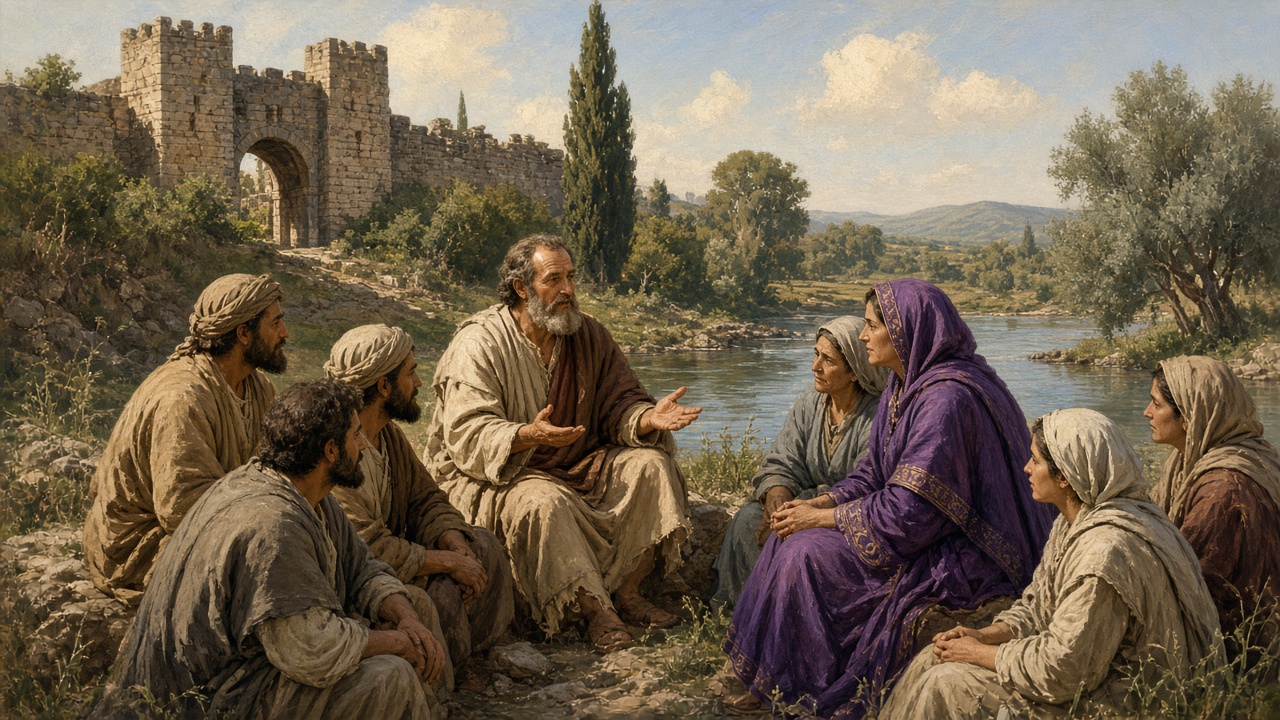
- In the Roman colony of Philippi, Paul and his companions found a customary place of prayer by the river outside the city gate, where women had gathered. Among them was Lydia, a dealer in purple cloth from Thyatira and a worshiper of God; after she and her household were baptized, she persuaded the travelers to stay at her house. Easton's Bible Dictionary (1897) describes her as a proselyte of considerable wealth and as the first person in Europe to embrace Christianity.Sources: the Bible text itself · Lydia
Notes written with AI assistance from open sources (Theographic Bible Metadata, CC BY-SA 4.0; Easton’s Bible Dictionary, public domain) and reviewed before publishing.
Places in this chapter
- Lystra · Today: Tel Lystra · 37.602, 32.338 · verses 1, 2
- Iconium · Today: Konya · 37.872, 32.492 · verse 2
- Jerusalem · 31.777, 35.234 · verse 4
- Asia · 38.400, 28.300 · verse 6
- Galatia · 39.267, 32.983 · verse 6
- Phrygia · 39.000, 31.000 · verse 6
- Bithynia · 40.500, 31.000 · verse 7
- Mysia · 40.000, 28.500 · verses 7, 8
- Troas · Today: Alexandria Troas · 39.752, 26.159 · verses 8, 11
- Greece · 37.972, 23.727 · verse 9
- Macedonia · 41.600, 22.540 · verses 9, 10, 12
- Neapolis · Today: Kavala · 40.935, 24.415 · verse 11
- Samothrace · Today: Samothraki · 40.450, 25.583 · verse 11
- Philippi · 41.012, 24.285 · verse 12
- Thyatira · Today: Akhisar · 38.920, 27.837 · verse 14
Only places identified with high confidence are shown (90% or more according to the scholarly sources compiled by OpenBible). Period map: DARE (Digital Atlas of the Roman Empire), CC BY 4.0; modern map: © OpenStreetMap contributors; places: OpenBible.info (CC BY 4.0).
Credits and license for this translation
Sahidica - طبعة جديدة من العهد الجديد باللغة القبطية الصعيدية
Sahidica - A New Edition of the New Testament in Sahidic Coptic
copyright © 2000-2006 J Warren Wells
Language: ⲘⲉⲧⲢⲉⲙ̀ⲛⲭⲏⲙⲓ (Coptic)
Dialect: Sahidic
Translation by: J Warren Wells
Coptic: Sahidic NT "Sahidica - A New Edition of the New Testament in Sahidic Coptic"
Copyright (c)2000-2006 by J Warren Wells. All rights reserved.
For more information visit www.sahidica.org .
This edition is available free of charge for use in free electronic
editions of the New Testament as long as the full title and copyright
information are included and credited. For written permission to use
all or any part of this document in print editions, contact the editor
at www.sahidica.org .
This edition is primarily meant for use by teachers and students of
Sahidic Coptic, and to a lesser degree by Coptologists involved in
scholarly research, textual criticism, or New Testament translation.
PURPOSE
Please note: This text is a work in progress. As such, there
is an ongoing effort to standardize the spelling of words in
the text. Be aware that version updates periodically appear.
The primary purpose is to produce a standardized edition of
the Sahidic NT similar to standard Greek editions.
An additional purpose of this text is to allow side-by-side
comparison with the Greek New Testament. To facilitate this
effort, a new version of the Greek text has been developed,
which is meant to better represent the Greek text upon which
the Sahidic was based. This text is entitled "The New Testament
According to the Egyptian Greek Text" [NTAEG]
This text does not include representation of either accents or
supralinear strokes, since these are used inconsistently in the
original texts. There is also a higher degree of standardization
in spelling and punctuation; like today's standard Greek master
texts, but unlike both the original Sahidic texts, and the PHI
and Coptic Society texts. Moreover, as in standard Greek texts,
instances of the Nomina Sacra have been expanded to their full
forms. This is again a departure from earlier versions of the
Sahidic, including the PHI and Coptic Society texts, which are
Both inconsistent in their usage.
Special thanks to David Brakke of Indiana University Bloomington,
Brigitte Comparini of the Packard Humanities Institute, and
Michael Heiser, Academic Editor, at Logos Research Systems; for
their assistance in making this edition possible.
BASIS
Sahidica was initially based (by permission) on the Coptic New Testament,
which is an electronic publication, which was edited by David Brakke.
(PHI-CD 5.3 dated 7/2/91. Los Altos. Packard Humanities Institute. 1991).
During later development, Sahidica was electronically collated against
the Coptic CD I by the St. Shenouda The Archmandrite Coptic Society.
Los Angeles, CA dated April, 1998.
These two editions were reduced to a raw electronic form, which allowed both
to be compared electronically letter by letter with Sahidica in order to
accurately detect and report every single variation and input error in any
of the texts. Though errors are inevitable, the collators of three seperate
editions are highly unlikely to make the same errors. Therefore, this method
helps to insure the integrity of the Sahidica edition.
Throughout the project, Sahidica was also collated against printed editions
of the following coptic manuscripts, which manuscripts date from the third
century and later.
Matt: Pierpont Morgan Library M-569 collated against Bodmer XIX papyrus
Mark:* PPalau Rib. Inv.Nr.182 collated against Pierpont Morgan Library M-569
Luke: PPalau Rib. Inv.Nr.181 collated against Pierpont Morgan Library M-569
John: PPalau Rib. Inv.Nr.183 collated against Pierpont Morgan Library M-569
Acts: Chester Beatty B (Copt.Ms.814) collated against Berlin P.15926 and British Museum MS Or.7594
Paul: Chester Beatty A (Copt.Ms.813) collated against Pierpont Morgan Library M-570 and M-571
James-Jude:** Pierpont Morgan Library M-572 collated against the Pierpont Morgan Library M-573 and M-601***
Revelation: Berlin MS Or.408 ( British Museum Ms Or.3518) collated against British Museum MS Or.6803
* Note: The longer and shorter endings of Mark are based on Horner; cf Kahle (JTS.1951.p49-57)
** Note: 1st Peter was also collated against the Crosby-Schøyen Ms.193.
*** Note: Portions of James and Jude were reconstructed from M-573, M-601, and four other mss.
Note on Interpolations
The short and long endings of Mark are ommited from the PPalau ms 182, but they do appear in most mss.
To better represent the overall Sahidic tradition, both endings are included, but in double brackets.
The pericope of the adultress (John 7:53-8:11) does not appear in any Sahidic ms. Herein it is omitted.
2014-09-16
Source: http://ebible.org/copshc/ · eBible.org