2 Timothy 3
Sahidica - طبعة جديدة من العهد الجديد باللغة القبطية الصعيدية · Tap a verse to see its cross-references.
1ⲈⲒⲘⲈ ⲆⲈ ⲈⲠⲀⲒ ϪⲈ ϨⲚ ⲐⲀⲎ ⲚⲚⲈϨⲞⲞⲨ ⲤⲈⲚⲀϢⲰⲠⲈ ⲚϬⲒ ϨⲈⲚⲞⲨⲞⲈⲒϢ ⲈⲨⲚⲀϢⲦ. 2ⲚⲢⲰⲘⲈ ⲄⲀⲢ ⲚⲀϢⲰⲠⲈ ⲘⲘⲀⲒ ⲠⲈⲨⲘⲦⲞⲚ ⲘⲘⲀⲒ ϨⲞⲘⲚⲦ ⲚⲂⲀⲂⲈ ⲢⲰⲘⲈ ⲚϪⲀⲤⲒϨⲎⲦ ⲚϪⲀⲦ ⲞⲨⲀ ⲈⲚⲤⲈⲤⲰⲦⲘ ⲀⲚ ⲚⲤⲀ ⲚⲈⲨⲈⲒⲞⲦⲈ ⲚⲀⲦϢⲠϨⲘⲞⲦ ⲈⲨϪⲀϨⲘ. 3ⲚⲢⲈϤⲘⲒϢⲈ ⲚⲞⲨⲀϨⲒⲎⲦ ⲚⲆⲒⲀⲂⲞⲖⲞⲤ ⲚⲀⲦⲀⲘⲀϨⲦⲈ ⲚⲤⲈⲞ ⲀⲚ ⲚϨⲎⲘⲈⲢⲞⲤ ⲈⲨⲘⲞⲤⲦⲈ ⲘⲠⲠⲈⲦⲚⲀⲚⲞⲨϤ. 4ⲘⲠⲢⲞⲆⲞⲦⲎⲤ. ⲈⲨⲀⲤⲰⲞⲨ ⲚϪⲀⲤⲒϨⲎⲦ. ⲈⲨⲞ ⲘⲘⲀⲒ ϨⲨⲆⲞⲚⲎ ⲈϨⲞⲨⲈ ⲘⲈⲢⲈ ⲠⲚⲞⲨⲦⲈ. 5ⲈⲨⲚⲦⲀⲨ ⲘⲘⲀⲨ ⲘⲠϨⲢⲂ ⲚⲦⲘⲚⲦⲈⲨⲤⲈⲂⲎⲤ. ⲈⲨⲀⲢⲚⲀ ⲆⲈ ⲚⲦⲈⲤϬⲞⲘ. ⲚⲈⲒⲔⲞⲞⲨⲈ ⲤⲀϨⲰⲞⲨ ⲈⲂⲞⲖ ⲘⲘⲞⲔ. 6ⲈⲂⲞⲖ ⲄⲀⲢ ϨⲚ ⲚⲀⲒ ⲚⲈ ⲚⲎ ⲈϢⲀⲨⲞϢⲞⲨ ⲈϨⲞⲨⲚ ⲈⲚⲎⲈⲒ. ⲈⲨⲀⲒⲬⲘⲀⲖⲰⲦⲒⲌⲈ ⲚϨⲈⲚⲤϨⲒⲘⲈ. ⲈⲨⲂⲎⲖ ⲈⲂⲞⲖ ϨⲚ ϨⲈⲚⲚⲞⲂⲈ ⲈⲨⲂⲎⲔ ϨⲚ ϨⲈⲚⲈⲠⲒⲐⲨⲘⲒⲀ ⲈⲨϢⲞⲂⲈ. 7ⲈⲨϪⲒⲤⲂⲰ ⲚⲞⲨⲞⲈⲒϢ ⲚⲒⲘ. ⲈⲘⲚ ϬⲞⲘ ⲘⲘⲞⲞⲨ ⲈⲈⲒ ⲈⲠⲤⲞⲞⲨⲚ ⲚⲦⲘⲈ ⲈⲚⲈϨ. 8ⲚⲐⲈ ⲄⲀⲢ ⲚⲒⲀⲚⲚⲎⲤ ⲘⲚ ⲒⲀⲘⲂⲢⲎⲤ ⲈⲚⲦⲀⲨⲀϨⲈⲢⲀⲦⲞⲨ ⲞⲨⲂⲈ ⲘⲰⲨⲤⲎⲤ. ⲦⲀⲒ ⲦⲈ ⲐⲈ ⲚⲚⲈⲒⲔⲞⲞⲨⲈ ⲈⲨϮ ⲞⲨⲂⲈ ⲦⲘⲈ. ϨⲈⲚⲢⲰⲘⲈ ⲈⲢⲈ ⲠⲈⲨϨⲎⲦ ⲦⲀⲔⲎⲨⲦ ⲚϪⲞⲞⲨⲦ ϨⲚ ⲦⲠⲒⲤⲦⲒⲤ. 9ⲀⲖⲖⲀ ⲚⲤⲈⲚⲀⲠⲢⲞⲔⲞⲠⲦⲈ ⲀⲚ ⲈⲘⲀⲦⲈ. ⲦⲈⲨⲘⲚⲦⲀⲦⲤⲞⲞⲨⲚ ⲄⲀⲢ ⲞⲨⲞⲚϨ ⲈⲂⲞⲖ ⲚⲞⲨⲞⲚ ⲚⲒⲘ ⲚⲐⲈ ⲈⲚⲦⲀⲦⲀ ⲚⲒⲔⲞⲞⲨⲈ ϢⲰⲠⲈ ⲈⲤⲞⲨⲞⲚϨ ⲈⲂⲞⲖ. 10ⲚⲦⲞⲔ ⲆⲈ ⲀⲔⲞⲨⲀϨⲔ ⲚⲤⲀ ⲦⲀⲤⲂⲰ ⲠⲀⲤⲘⲞⲦ ⲠⲀⲦⲰϢ ⲦⲀⲠⲒⲤⲦⲒⲤ ⲦⲀⲘⲚⲦϨⲀⲢϢ ϨⲎⲦ ⲦⲀⲀⲄⲀⲠⲎ ⲦⲀϨⲨⲠⲞⲘⲞⲚⲎ. 11ⲚⲀⲆⲒⲰⲄⲘⲞⲤ ⲚⲀϨⲒⲤⲈ ⲚⲀⲒ ⲈⲚⲦⲀⲨϢⲰⲠⲈ ⲘⲘⲞⲒ ϨⲚ ⲦⲀⲚⲦⲒⲞⲬⲒⲀ ϨⲚ ϨⲒⲔⲞⲚⲒⲞⲤ ϨⲚ ⲖⲨⲤⲆⲢⲀ ⲚⲆⲒⲰⲄⲘⲞⲤ ⲈⲚⲦⲀⲒϢⲞⲠⲞⲨ ⲀⲨⲰ ⲀⲠϪⲞⲈⲒⲤ ⲚⲀϨⲘⲈⲦ ⲚϨⲎⲦⲞⲨ ⲦⲎⲢⲞⲨ. 12ⲞⲨⲞⲚ ⲆⲈ ⲚⲒⲘ ⲈⲦⲞⲨⲰϢ ⲈⲰⲚϨ ϨⲚ ⲞⲨⲘⲚⲦⲈⲨⲤⲈⲂⲎⲤ ϨⲘ ⲠⲈⲬⲢⲒⲤⲦⲞⲤ ⲒⲎⲤⲞⲨⲤ. ⲤⲈⲚⲀⲠⲰⲦ ϨⲰⲞⲨ ⲚⲤⲰⲞⲨ. 13ⲚⲢⲰⲘⲈ ⲆⲈ ⲘⲠⲞⲚⲎⲢⲞⲤ ⲀⲨⲰ ⲘⲠⲖⲀⲚⲞⲤ ⲤⲈⲚⲀⲠⲢⲞⲔⲞⲠⲦⲈ ⲈⲠⲠⲈⲐⲞⲞⲨ ⲈⲨⲤⲞⲢⲘ ⲀⲨⲰ ⲈⲨⲤⲰⲢⲘ ⲚϨⲈⲚⲔⲞⲞⲨⲈ. 14ⲚⲦⲞⲔ ⲆⲈ ϬⲰ ϨⲚ ⲚⲈⲚⲦⲀⲔⲤⲂⲞ ⲈⲢⲞⲞⲨ. ⲘⲚ ⲚⲈⲚⲦⲀⲔⲦⲰⲦ ⲚϨⲎⲦ ϨⲀⲢⲞⲞⲨ. ⲈⲔⲤⲞⲞⲨⲚ ϪⲈ ⲚⲦⲀⲔϪⲒⲤⲂⲰ ⲚⲦⲚⲚⲒⲘ. 15ⲀⲨⲰ ϪⲈ ϪⲒⲚⲈⲔⲤⲞⲂⲔ ⲔⲤⲞⲞⲨⲚ ⲚϨⲈⲚⲤϨⲀⲒ ⲈⲨⲞⲨⲀⲀⲂ. ⲚⲀⲒ ⲈⲨⲚ ϬⲞⲘ ⲘⲘⲞⲞⲨ ⲈⲦⲤⲀⲂⲞⲔ ⲈⲠⲞⲨϪⲀⲒ ϨⲒⲦⲚ ⲦⲠⲒⲤⲦⲒⲤ ϨⲘ ⲠⲈⲬⲢⲒⲤⲦⲞⲤ ⲒⲎⲤⲞⲨⲤ. 16ⲄⲢⲀⲪⲎ ⲚⲒⲘ ⲚⲚⲒϤⲈ ⲚⲦⲈ ⲠⲚⲞⲨⲦⲈ ϨⲈⲚϨⲎⲨ ⲚⲈ. ⲈⲠϮⲤⲂⲰ. ⲈⲠⲈϪⲠⲒⲞ ⲈⲠⲤⲞⲞϨⲈ ⲈⲦⲈⲤⲂⲰ ⲈⲦϨⲚ ⲆⲒⲔⲀⲒⲞⲤⲨⲚⲎ. 17ϪⲈⲔⲀⲀⲤ ⲈϤⲈϢⲰⲠⲈ ⲚϬⲒ ⲠⲢⲰⲘⲈ ⲘⲠⲚⲞⲨⲦⲈ ⲈϤϪⲎⲔ ⲈⲂⲞⲖ ⲈϤⲤⲂⲦⲰⲦ ⲈϨⲰⲂ ⲚⲒⲘ ⲚⲀⲄⲀⲐⲞⲚ.
Did you know?
Hard times and opposition to the truth
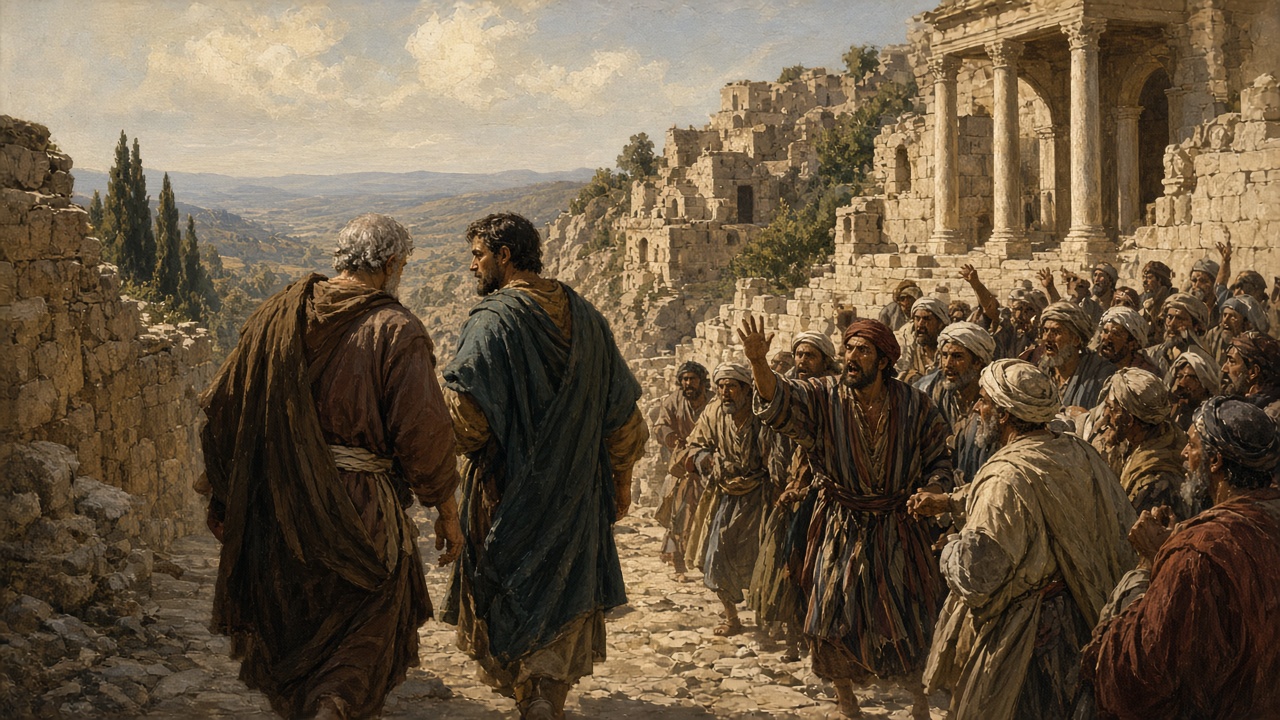
- This chapter compares people who oppose the truth with Jannes and Jambres. A Bible dictionary identifies Jannes as one of the Egyptians who withstood Moses, and Jambres as one of those who opposed Moses in Egypt. The letter says that, like them, these opponents are depraved in mind and disqualified from the faith, and that their folly will be plain to everyone.Sources: Jannes · Jambres · the Bible text itself
- Paul recalls the persecutions and sufferings that came upon him in Antioch, Iconium, and Lystra, and says the Lord rescued him from all those persecutions. On the first missionary journey with Barnabas, Jews in Antioch, in the extreme north of Pisidia, stirred up violent opposition, and the two had to leave; in Iconium they were persecuted by the Jews and fled to Lystra. Iconium was the capital of ancient Lycaonia; Lystra was a town of Lycaonia in Asia Minor, in a wild district.Sources: Antioch (Pisidia) · Iconium · Lystra · the Bible text itself
Notes written with AI assistance from open sources (Theographic Bible Metadata, CC BY-SA 4.0; Easton’s Bible Dictionary, public domain) and reviewed before publishing.
Places in this chapter
- Antioch · Today: Antioch in Pisidia · 38.306, 31.189 · verse 11
- Iconium · Today: Konya · 37.872, 32.492 · verse 11
- Lystra · Today: Tel Lystra · 37.602, 32.338 · verse 11
Only places identified with high confidence are shown (90% or more according to the scholarly sources compiled by OpenBible). Period map: DARE (Digital Atlas of the Roman Empire), CC BY 4.0; modern map: © OpenStreetMap contributors; places: OpenBible.info (CC BY 4.0).
Credits and license for this translation
Sahidica - طبعة جديدة من العهد الجديد باللغة القبطية الصعيدية
Sahidica - A New Edition of the New Testament in Sahidic Coptic
copyright © 2000-2006 J Warren Wells
Language: ⲘⲉⲧⲢⲉⲙ̀ⲛⲭⲏⲙⲓ (Coptic)
Dialect: Sahidic
Translation by: J Warren Wells
Coptic: Sahidic NT "Sahidica - A New Edition of the New Testament in Sahidic Coptic"
Copyright (c)2000-2006 by J Warren Wells. All rights reserved.
For more information visit www.sahidica.org .
This edition is available free of charge for use in free electronic
editions of the New Testament as long as the full title and copyright
information are included and credited. For written permission to use
all or any part of this document in print editions, contact the editor
at www.sahidica.org .
This edition is primarily meant for use by teachers and students of
Sahidic Coptic, and to a lesser degree by Coptologists involved in
scholarly research, textual criticism, or New Testament translation.
PURPOSE
Please note: This text is a work in progress. As such, there
is an ongoing effort to standardize the spelling of words in
the text. Be aware that version updates periodically appear.
The primary purpose is to produce a standardized edition of
the Sahidic NT similar to standard Greek editions.
An additional purpose of this text is to allow side-by-side
comparison with the Greek New Testament. To facilitate this
effort, a new version of the Greek text has been developed,
which is meant to better represent the Greek text upon which
the Sahidic was based. This text is entitled "The New Testament
According to the Egyptian Greek Text" [NTAEG]
This text does not include representation of either accents or
supralinear strokes, since these are used inconsistently in the
original texts. There is also a higher degree of standardization
in spelling and punctuation; like today's standard Greek master
texts, but unlike both the original Sahidic texts, and the PHI
and Coptic Society texts. Moreover, as in standard Greek texts,
instances of the Nomina Sacra have been expanded to their full
forms. This is again a departure from earlier versions of the
Sahidic, including the PHI and Coptic Society texts, which are
Both inconsistent in their usage.
Special thanks to David Brakke of Indiana University Bloomington,
Brigitte Comparini of the Packard Humanities Institute, and
Michael Heiser, Academic Editor, at Logos Research Systems; for
their assistance in making this edition possible.
BASIS
Sahidica was initially based (by permission) on the Coptic New Testament,
which is an electronic publication, which was edited by David Brakke.
(PHI-CD 5.3 dated 7/2/91. Los Altos. Packard Humanities Institute. 1991).
During later development, Sahidica was electronically collated against
the Coptic CD I by the St. Shenouda The Archmandrite Coptic Society.
Los Angeles, CA dated April, 1998.
These two editions were reduced to a raw electronic form, which allowed both
to be compared electronically letter by letter with Sahidica in order to
accurately detect and report every single variation and input error in any
of the texts. Though errors are inevitable, the collators of three seperate
editions are highly unlikely to make the same errors. Therefore, this method
helps to insure the integrity of the Sahidica edition.
Throughout the project, Sahidica was also collated against printed editions
of the following coptic manuscripts, which manuscripts date from the third
century and later.
Matt: Pierpont Morgan Library M-569 collated against Bodmer XIX papyrus
Mark:* PPalau Rib. Inv.Nr.182 collated against Pierpont Morgan Library M-569
Luke: PPalau Rib. Inv.Nr.181 collated against Pierpont Morgan Library M-569
John: PPalau Rib. Inv.Nr.183 collated against Pierpont Morgan Library M-569
Acts: Chester Beatty B (Copt.Ms.814) collated against Berlin P.15926 and British Museum MS Or.7594
Paul: Chester Beatty A (Copt.Ms.813) collated against Pierpont Morgan Library M-570 and M-571
James-Jude:** Pierpont Morgan Library M-572 collated against the Pierpont Morgan Library M-573 and M-601***
Revelation: Berlin MS Or.408 ( British Museum Ms Or.3518) collated against British Museum MS Or.6803
* Note: The longer and shorter endings of Mark are based on Horner; cf Kahle (JTS.1951.p49-57)
** Note: 1st Peter was also collated against the Crosby-Schøyen Ms.193.
*** Note: Portions of James and Jude were reconstructed from M-573, M-601, and four other mss.
Note on Interpolations
The short and long endings of Mark are ommited from the PPalau ms 182, but they do appear in most mss.
To better represent the overall Sahidic tradition, both endings are included, but in double brackets.
The pericope of the adultress (John 7:53-8:11) does not appear in any Sahidic ms. Herein it is omitted.
2014-09-16
Source: http://ebible.org/copshc/ · eBible.org