2 Thessalonians 2
Sahidica - طبعة جديدة من العهد الجديد باللغة القبطية الصعيدية · Tap a verse to see its cross-references.
1ⲦⲚⲤⲞⲠⲤ ⲆⲈ ⲘⲘⲰⲦⲚ ⲚⲈⲤⲚⲎⲨ ϨⲀ ⲦⲠⲀⲢϨⲞⲨⲤⲒⲀ ⲘⲠⲈⲚϪⲞⲈⲒⲤ ⲒⲎⲤⲞⲨⲤ ⲠⲈⲬⲢⲒⲤⲦⲞⲤ. ⲀⲨⲰ ⲠⲈⲚⲤⲰⲞⲨϨ ⲈⲢⲞϤ. 2ⲈⲦⲘⲦⲢⲈⲦⲚⲔⲒⲘ ϨⲘ ⲠⲈⲦⲚϨⲎⲦ ϨⲚ ⲞⲨϬⲈⲠⲎ ⲀⲨⲰ ⲈⲦⲘϢⲦⲞⲢⲦⲢ ⲘⲎⲦⲈ ϨⲒⲦⲚ ⲞⲨⲠⲚⲈⲨⲘⲀ ⲘⲎⲦⲈ ϨⲒⲦⲚ ⲞⲨϢⲀϪⲈ ⲘⲎⲦⲈ ϨⲒⲦⲚ ⲞⲨⲈⲠⲒⲤⲦⲞⲖⲎ ϨⲰⲤ ⲈⲂⲞⲖ ϨⲒⲦⲞⲞⲦⲚ ⲚⲐⲈ ϪⲈ ⲀⲠⲈϨⲞⲞⲨ ⲘⲠϪⲞⲈⲒⲤ ϨⲰⲚ ⲈϨⲞⲨⲚ. 3ⲘⲠⲢⲦⲢⲈ ⲖⲀⲀⲨ ϬⲈ ⲢϨⲀⲖ ⲘⲘⲰⲦⲚ ⲔⲀⲦⲀ ⲖⲀⲀⲨ ⲤⲘⲞⲦ ϪⲈ ⲈⲢϢⲀⲚⲦⲘ ⲦⲀⲠⲞⲤⲦⲀⲤⲒⲀ ⲈⲒ ⲚϢⲞⲢⲠ ⲀⲨⲰ ⲚϤϬⲰⲖⲠ ⲈⲂⲞⲖ ⲚϬⲒ ⲠⲢⲰⲘⲈ ⲚⲦⲀⲚⲞⲘⲒⲀ ⲠϢⲎⲢⲈ ⲘⲠⲦⲀⲔⲞ. 4ⲠⲀⲚⲦⲒⲔⲈⲒⲘⲈⲚⲞⲤ ⲈⲦϪⲒⲤⲈ ⲘⲘⲞϤ ⲈϪⲚ ⲞⲨⲞⲚ ⲚⲒⲘ ⲈⲦⲞⲨⲘⲞⲨⲦⲈ ⲈⲢⲞⲞⲨ ϪⲈ ⲚⲞⲨⲦⲈ ⲎⲞⲨⲞⲠ ϨⲰⲤⲦⲈ ⲚϤⲂⲰⲔ ⲈϨⲞⲨⲚ ⲈⲠⲢⲠⲈ ⲘⲠⲚⲞⲨⲦⲈ ⲚϤϨⲘⲞⲞⲤ ⲈϤⲞⲨⲰⲚϨ ⲘⲘⲞϤ ⲈⲂⲞⲖ ϪⲈ ⲞⲨⲚⲞⲨⲦⲈ ⲠⲈ. 5ⲚⲦⲈⲦⲚ ⲢⲠⲘⲈⲈⲨⲈ ⲀⲚ ϪⲈ ϪⲒ ⲚⲈⲒϨⲀⲦⲈ ⲦⲎⲨⲦⲚ ⲚⲈⲒϪⲰ ⲚⲎⲦⲚ ⲚⲚⲀⲒ ⲠⲈ. 6ⲦⲈⲚⲞⲨ ϬⲈ ⲦⲈⲦⲚⲤⲞⲞⲨⲚ ⲘⲠⲈⲦⲔⲀⲦⲈⲬⲈ ⲈⲦⲢⲈϤϬⲰⲖⲠ ⲈⲂⲞⲖ ϨⲘ ⲠⲈϤⲞⲨⲞⲈⲒϢ. 7ⲠⲘⲨⲤⲦⲎⲢⲒⲞⲚ ⲄⲀⲢ ⲚⲦⲀⲚⲞⲘⲒⲀ ⲈⲚⲈⲢⲄⲒ ϪⲒⲚ ⲦⲈⲚⲞⲨ. ⲘⲞⲚⲞⲚ ⲠⲈⲦⲔⲀⲦⲈⲬⲈ ⲦⲈⲚⲞⲨ ϢⲀⲚⲦϤⲖⲞ ⲚⲦⲘⲎⲦⲈ. 8ⲀⲨⲰ ⲦⲞⲦⲈ ϤⲚⲀⲞⲨⲰⲚϨ ⲈⲂⲞⲖ ⲚϬⲒ ⲠⲀⲚⲞⲘⲞⲤ. ⲠⲈⲦⲈⲢⲈ ⲠϪⲞⲈⲒⲤ ⲒⲎⲤⲞⲨⲤ ⲚⲀⲦⲀⲔⲞϤ ϨⲘ ⲠⲈⲠⲚⲈⲨⲘⲀ ⲚⲢⲰϤ. ⲀⲨⲰ ⲚϤⲔⲀⲦⲀⲢⲄⲈⲒ ⲘⲘⲞϤ ϨⲘ ⲠⲞⲨⲰⲚϨ ⲈⲂⲞⲖ ⲚⲦⲈϤⲠⲀⲢϨⲞⲨⲤⲒⲀ. 9ⲠⲀⲒ ⲈⲦⲈⲢⲈ ⲦⲈϤⲠⲀⲢϨⲞⲨⲤⲒⲀ ⲚⲦⲞϤ ϢⲞⲞⲠ ⲔⲀⲦⲀ ⲦⲈⲚⲈⲢⲄⲒⲀ ⲘⲠⲤⲀⲦⲀⲚⲀⲤ. ϨⲚ ϬⲞⲘ ⲚⲒⲘ. ⲘⲚⲘⲘⲀⲈⲒⲚ ⲘⲚ ⲚⲈϢⲠⲎⲢⲈ ⲚϬⲞⲖ. 10ⲀⲨⲰ ϨⲚ ⲀⲠⲀⲦⲎ ⲚⲒⲘ ⲚϪⲒ ⲚϬⲞⲚⲤ ⲚⲚⲈⲦⲚⲀⲦⲀⲔⲞ ⲈⲂⲞⲖ ϪⲈ ⲘⲠⲞⲨϢⲰⲠ ⲈⲢⲞⲞⲨ ⲚⲦⲀⲄⲀⲠⲎ ⲚⲦⲘⲈ ⲈⲦⲢⲈⲨⲞⲨϪⲀⲒ. 11ⲀⲨⲰ ⲈⲦⲂⲈ ⲠⲀⲒ ⲠⲚⲞⲨⲦⲈ ⲚⲀⲦⲚⲚⲞⲞⲨ ⲚⲀⲨ ⲚⲞⲨⲈⲚⲈⲢⲄⲒⲀ ⲘⲠⲖⲀⲚⲎ ⲈⲦⲢⲈⲨⲠⲒⲤⲦⲈⲨⲈ ⲈⲠϬⲞⲖ. 12ϪⲈ ⲈⲨⲈⲔⲢⲒⲚⲈ ⲚⲞⲨⲞⲚ ⲚⲒⲘ ⲈⲦⲈⲘⲠⲞⲨⲠⲒⲤⲦⲈⲨⲈ ⲈⲦⲘⲈ. ⲀⲖⲖⲀ ⲈⲀⲨⲦⲰⲦ ⲚϨⲎⲦ ϨⲘ ⲠϪⲒ ⲚϬⲞⲚⲤ. 13ⲀⲚⲞⲚ ⲆⲈ ϢϢⲈ ⲈⲢⲞⲚ ⲈϢⲠϨⲘⲞⲦ ⲚⲦⲘ ⲠⲚⲞⲨⲦⲈ ⲚⲞⲨⲞⲈⲒϢ ⲚⲒⲘ ϨⲀⲢⲰⲦⲚ ⲚⲈⲤⲚⲎⲨ ⲘⲘⲈⲢⲒⲦ ⲚⲦⲘⲠϪⲞⲈⲒⲤ. ϪⲈ ⲀⲠⲚⲞⲨⲦⲈ ⲤⲈⲦⲠ ⲦⲎⲨⲦⲚ ϪⲒⲚ ⲚϢⲞⲢⲠ ⲈⲨⲞⲨϪⲀⲒ ϨⲚ ⲞⲨⲦⲂⲂⲞ ⲘⲠⲚⲈⲨⲘⲀ. ⲘⲚ ⲞⲨⲠⲒⲤⲦⲒⲤ ⲚⲦⲈⲦⲘⲈ. 14ⲈⲀϤⲦⲈϨⲘ ⲦⲎⲨⲦⲚ ⲈⲠⲀⲒ ϨⲒⲦⲘ ⲠⲈⲚⲈⲨⲀⲄⲄⲈⲖⲒⲞⲚ ⲈⲠⲞⲨϪⲀⲒ ⲘⲠⲈⲞⲞⲨ ⲘⲠⲈⲚϪⲞⲈⲒⲤ ⲒⲎⲤⲞⲨⲤ ⲠⲈⲬⲢⲒⲤⲦⲞⲤ. 15ⲀⲢⲀ ϬⲈ ⲚⲀⲤⲚⲎⲨ ⲀϨⲈⲢⲀⲦ ⲦⲎⲨⲦⲚ ⲚⲦⲈⲦⲚ ⲀⲘⲀϨⲦⲈ ⲚⲘⲠⲀⲢⲀⲆⲞⲤⲒⲤ ⲈⲚⲦⲀⲚⲦⲤⲀⲂⲈ ⲦⲎⲨⲦⲚ ⲈⲢⲞⲞⲨ. ⲈⲒⲦⲈ ϨⲒⲦⲘ ⲠϢⲀϪⲈ. ⲈⲒⲦⲈ ϨⲒⲦⲚ ⲚⲈⲚⲈⲠⲒⲤⲦⲞⲖⲎ. 16ⲚⲦⲞϤ ⲆⲈ ⲠⲈⲚϪⲞⲈⲒⲤ ⲒⲎⲤⲞⲨⲤ ⲠⲈⲬⲢⲒⲤⲦⲞⲤ ⲀⲨⲰ ⲠⲚⲞⲨⲦⲈ ⲠⲈⲚⲈⲒⲰⲦ ⲠⲀⲒ ⲈⲚⲦⲀϤⲘⲈⲢⲒⲦⲚ. ⲀⲨⲰ ⲀϤϮ ⲚⲀⲚ ⲚⲞⲨⲤⲞⲠⲤ ⲚϢⲀ ⲈⲚⲈϨ. ⲀⲨⲰ ⲞⲨϨⲈⲖⲠⲒⲤ ⲈⲚⲀⲚⲞⲨⲤ ϨⲚ ⲞⲨⲬⲀⲢⲒⲤ. 17ⲈϤⲈⲠⲀⲢⲀⲔⲀⲖⲈⲒ ⲚⲚⲈⲦⲚϨⲎⲦ. ⲀⲨⲰ ⲚϤⲦⲀϪⲢⲈ ⲦⲎⲨⲦⲚ ϨⲚ ϨⲰⲂ ⲚⲒⲘ. ⲘⲚ ⲠϢⲀϪⲈ ⲈⲦⲚⲀⲚⲞⲨϤ.
Did you know?
The Day of the Lord Has Not Yet Come
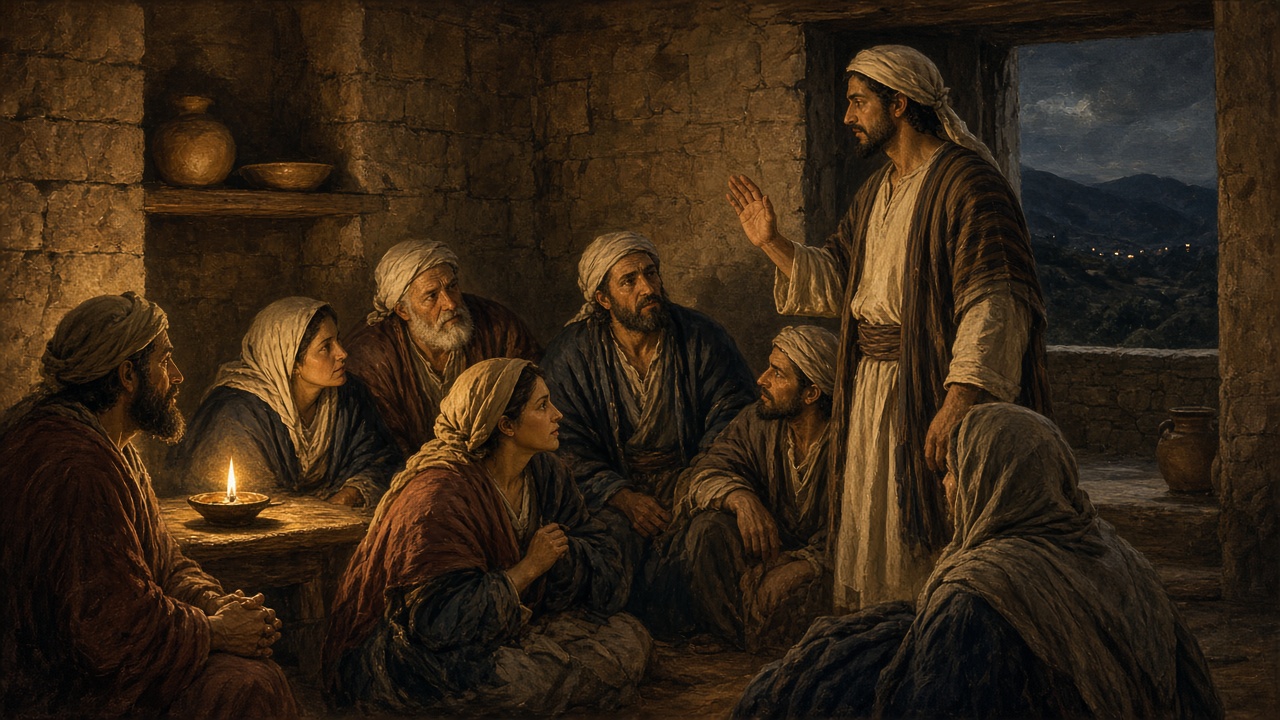
- The chapter urges readers not to be easily alarmed by a spirit, a message, or a letter that only seems to come from the authors and claims that the Day of the Lord has already come. It says that day will not arrive until the rebellion occurs and the man of lawlessness is revealed.Sources: the Bible text itself
- Called also the son of destruction, he is described as exalting himself above every so-called god, seating himself in the temple of God, and proclaiming himself to be God. The passage refers to what now restrains him, and to the one who restrains, but it does not name that restraint.Sources: the Bible text itself
- The coming of the lawless one is accompanied by the working of Satan, with every kind of power, sign, and false wonder. Satan means adversary or accuser; in the New Testament the name is used interchangeably with Diabolos, the devil, more than thirty times.Sources: the Bible text itself · Satan
Notes written with AI assistance from open sources (Theographic Bible Metadata, CC BY-SA 4.0; Easton’s Bible Dictionary, public domain) and reviewed before publishing.
Credits and license for this translation
Sahidica - طبعة جديدة من العهد الجديد باللغة القبطية الصعيدية
Sahidica - A New Edition of the New Testament in Sahidic Coptic
copyright © 2000-2006 J Warren Wells
Language: ⲘⲉⲧⲢⲉⲙ̀ⲛⲭⲏⲙⲓ (Coptic)
Dialect: Sahidic
Translation by: J Warren Wells
Coptic: Sahidic NT "Sahidica - A New Edition of the New Testament in Sahidic Coptic"
Copyright (c)2000-2006 by J Warren Wells. All rights reserved.
For more information visit www.sahidica.org .
This edition is available free of charge for use in free electronic
editions of the New Testament as long as the full title and copyright
information are included and credited. For written permission to use
all or any part of this document in print editions, contact the editor
at www.sahidica.org .
This edition is primarily meant for use by teachers and students of
Sahidic Coptic, and to a lesser degree by Coptologists involved in
scholarly research, textual criticism, or New Testament translation.
PURPOSE
Please note: This text is a work in progress. As such, there
is an ongoing effort to standardize the spelling of words in
the text. Be aware that version updates periodically appear.
The primary purpose is to produce a standardized edition of
the Sahidic NT similar to standard Greek editions.
An additional purpose of this text is to allow side-by-side
comparison with the Greek New Testament. To facilitate this
effort, a new version of the Greek text has been developed,
which is meant to better represent the Greek text upon which
the Sahidic was based. This text is entitled "The New Testament
According to the Egyptian Greek Text" [NTAEG]
This text does not include representation of either accents or
supralinear strokes, since these are used inconsistently in the
original texts. There is also a higher degree of standardization
in spelling and punctuation; like today's standard Greek master
texts, but unlike both the original Sahidic texts, and the PHI
and Coptic Society texts. Moreover, as in standard Greek texts,
instances of the Nomina Sacra have been expanded to their full
forms. This is again a departure from earlier versions of the
Sahidic, including the PHI and Coptic Society texts, which are
Both inconsistent in their usage.
Special thanks to David Brakke of Indiana University Bloomington,
Brigitte Comparini of the Packard Humanities Institute, and
Michael Heiser, Academic Editor, at Logos Research Systems; for
their assistance in making this edition possible.
BASIS
Sahidica was initially based (by permission) on the Coptic New Testament,
which is an electronic publication, which was edited by David Brakke.
(PHI-CD 5.3 dated 7/2/91. Los Altos. Packard Humanities Institute. 1991).
During later development, Sahidica was electronically collated against
the Coptic CD I by the St. Shenouda The Archmandrite Coptic Society.
Los Angeles, CA dated April, 1998.
These two editions were reduced to a raw electronic form, which allowed both
to be compared electronically letter by letter with Sahidica in order to
accurately detect and report every single variation and input error in any
of the texts. Though errors are inevitable, the collators of three seperate
editions are highly unlikely to make the same errors. Therefore, this method
helps to insure the integrity of the Sahidica edition.
Throughout the project, Sahidica was also collated against printed editions
of the following coptic manuscripts, which manuscripts date from the third
century and later.
Matt: Pierpont Morgan Library M-569 collated against Bodmer XIX papyrus
Mark:* PPalau Rib. Inv.Nr.182 collated against Pierpont Morgan Library M-569
Luke: PPalau Rib. Inv.Nr.181 collated against Pierpont Morgan Library M-569
John: PPalau Rib. Inv.Nr.183 collated against Pierpont Morgan Library M-569
Acts: Chester Beatty B (Copt.Ms.814) collated against Berlin P.15926 and British Museum MS Or.7594
Paul: Chester Beatty A (Copt.Ms.813) collated against Pierpont Morgan Library M-570 and M-571
James-Jude:** Pierpont Morgan Library M-572 collated against the Pierpont Morgan Library M-573 and M-601***
Revelation: Berlin MS Or.408 ( British Museum Ms Or.3518) collated against British Museum MS Or.6803
* Note: The longer and shorter endings of Mark are based on Horner; cf Kahle (JTS.1951.p49-57)
** Note: 1st Peter was also collated against the Crosby-Schøyen Ms.193.
*** Note: Portions of James and Jude were reconstructed from M-573, M-601, and four other mss.
Note on Interpolations
The short and long endings of Mark are ommited from the PPalau ms 182, but they do appear in most mss.
To better represent the overall Sahidic tradition, both endings are included, but in double brackets.
The pericope of the adultress (John 7:53-8:11) does not appear in any Sahidic ms. Herein it is omitted.
2014-09-16
Source: http://ebible.org/copshc/ · eBible.org