1 Thessalonians 4
Sahidica - طبعة جديدة من العهد الجديد باللغة القبطية الصعيدية · Tap a verse to see its cross-references.
1ⲦⲈⲚⲞⲨ ϬⲈ ⲚⲈⲤⲚⲎⲨ ⲦⲚⲤⲞⲠⲤ ⲀⲨⲰ ⲦⲚⲠⲀⲢⲀⲔⲀⲖⲈⲒ ⲘⲘⲰⲦⲚ ϨⲘ ⲠⲈⲬⲢⲒⲤⲦⲞⲤ ⲒⲎⲤⲞⲨⲤ ϪⲈⲔⲀⲀⲤ ⲔⲀⲦⲀ ⲐⲈ ⲈⲚⲦⲀⲦⲈⲦⲚϪⲒ ⲈⲂⲞⲖ ϨⲒⲦⲞⲞⲦⲚ ⲚⲐⲈ ⲈⲦϢⲈ ⲈⲦⲢⲈⲦⲚⲘⲞⲞϢⲈ ⲀⲨⲰ ⲈⲀⲢⲈⲤⲔⲈ ⲘⲠⲚⲞⲨⲦⲈ ⲔⲀⲦⲀ ⲐⲈ ⲞⲚ ⲈⲦⲈⲦⲚⲘⲞⲞϢⲈ ⲚϨⲎⲦⲤ ϪⲈⲔⲀⲀⲤ ⲞⲚ ⲈⲦⲈⲦⲚⲈⲢϨⲞⲨⲞ. 2ⲦⲈⲦⲚⲤⲞⲞⲨⲚ ⲄⲀⲢ ϪⲈ ⲞⲨ ⲚⲈ ⲘⲠⲀⲢⲀⲄⲄⲈⲖⲒⲀ ⲈⲚⲦⲀⲚⲦⲀⲀⲨ ⲚⲎⲦⲚ ϨⲘ ⲠϪⲞⲈⲒⲤ ⲒⲎⲤⲞⲨⲤ. 3ⲠⲀⲒ ⲄⲀⲢ ⲠⲈ ⲠⲞⲨⲰϢ ⲘⲠⲚⲞⲨⲦⲈ ⲠⲈⲦⲚⲦⲂⲂⲞ. ⲈⲤⲀϨⲈ ⲦⲎⲨⲦⲚ ⲈⲂⲞⲖ ⲚⲦⲠⲞⲢⲚⲈⲒⲀ. 4ⲈⲦⲢⲈ ⲠⲞⲨⲀ ⲠⲞⲨⲀ ⲘⲘⲰⲦⲚ ⲤⲂⲞ ⲈⲔⲀ ⲠⲈϤⲤⲔⲈⲨⲞⲤ ⲚⲀϤ ϨⲚ ⲞⲨⲦⲂⲂⲞ ⲘⲚ ⲞⲨⲦⲒⲘⲎ. 5ϨⲚ ⲞⲨⲠⲀⲐⲞⲤ ⲀⲚ ⲚⲈⲠⲒⲐⲨⲘⲒⲀ. ⲔⲀⲦⲀ ⲐⲈ ⲚⲚⲔⲈϨⲈⲐⲚⲞⲤ ⲈⲦⲈⲚⲤⲈⲤⲞⲞⲨⲚ ⲀⲚ ⲘⲠⲚⲞⲨⲦⲈ. 6ⲈⲦⲘⲢⲠⲂⲞⲖ ⲘⲠϢⲒ ⲀⲨⲰ ⲈⲦⲘϤⲈϬ ⲠⲈϤⲤⲞⲚ ϨⲘ ⲠϨⲰⲂ ϪⲈ ⲞⲨⲢⲈϤϪⲒⲔⲂⲀ ⲠⲈ ⲠϪⲞⲈⲒⲤ ⲈⲦⲂⲈ ⲚⲀⲒ ⲦⲎⲢⲞⲨ ⲔⲀⲦⲀ ⲐⲈ ⲈⲚⲦⲀⲚϪⲞⲞⲤ ⲚⲎⲦⲚ ϪⲒⲚ ⲚϢⲞⲢⲠ ⲀⲨⲰ ⲀⲚⲢⲘⲚⲦⲢⲈ. 7ⲚⲦⲀ ⲠⲚⲞⲨⲦⲈ ⲄⲀⲢ ⲦⲀϨⲘⲚ ⲀⲚ ⲈⲨϪⲰϨⲘ. ⲀⲖⲖⲀ ϨⲚ ⲞⲨⲦⲂⲂⲞ. 8ⲦⲈⲚⲞⲨ ϬⲈ ⲠⲈⲦⲀⲐⲈⲦⲈⲒ ⲚⲚⲈϤⲀⲐⲈⲦⲈⲒ ⲚⲢⲰⲘⲈ ⲀⲚ. ⲀⲖⲖⲀ ⲘⲠⲚⲞⲨⲦⲈ. ⲠⲀⲒ ⲞⲚ ⲈⲚⲦⲀϤϮ ⲘⲠⲈϤⲠⲚⲈⲨⲘⲀ ⲈⲦⲞⲨⲀⲀⲂ ⲚⲎⲦⲚ. 9ⲈⲦⲂⲈ ⲦⲘⲚⲦⲘⲀⲒⲤⲞⲚ ⲆⲈ ⲚⲦⲈⲦⲚ ⲢⲬⲢⲒⲀ ⲀⲚ ⲚⲤϨⲀⲒ ⲚⲎⲦⲚ. ⲚⲦⲰⲦⲚ ⲄⲀⲢ ⲚⲦⲈⲦⲚ ϨⲈⲚⲢⲈϤϪⲒ ⲤⲂⲰ ⲚⲦⲘⲠⲚⲞⲨⲦⲈ ⲈⲘⲈⲢⲈ ⲚⲈⲦⲚⲈⲢⲎⲨ. 10ⲔⲀⲒ ⲄⲀⲢ ⲦⲈⲦⲚⲈⲒⲢⲈ ⲘⲘⲞⲤ ⲈⲚⲈⲤⲚⲎⲨ ⲦⲎⲢⲞⲨ ⲈⲦϨⲚ ⲦⲘⲀⲔⲈⲆⲞⲚⲒⲀ ⲦⲎⲢⲤ. ⲦⲚⲠⲀⲢⲀⲔⲀⲖⲈⲒ ⲆⲈ ⲘⲘⲰⲦⲚ ⲚⲈⲤⲚⲎⲨ ⲈⲢϨⲞⲨⲞ. 11ⲔⲔ ⲀⲨⲰ ⲈⲞⲨⲢⲞⲦ ⲈⲤϬⲢⲀϨⲦ ⲀⲨⲰ ⲈϪⲒ ϨⲢⲎⲦⲚ ⲈⲢⲰⲦⲚ ⲈⲢϨⲰⲂ ϨⲚ ⲚⲈⲦⲚϬⲒϪ. ⲔⲀⲦⲀ ⲐⲈ ⲈⲚⲦⲀⲚⲠⲀⲢⲀⲄⲄⲈⲒⲖⲈ ⲚⲎⲦⲚ. 12ϪⲈⲔⲀⲀⲤ ⲈⲦⲈⲦⲚⲈⲘⲞⲞϢⲈ ⲈⲦⲈⲦⲚⲦⲤⲀⲚⲎⲨ ⲚⲚⲀϨⲢⲚ ⲚⲀⲠⲂⲞⲖ. ⲀⲨⲰ ⲚⲦⲈⲦⲚ ⲦⲘⲀϨⲈ ⲚⲖⲀⲀⲨ. 13ⲚⲦⲚⲞⲨⲰϢ ⲆⲈ ⲀⲚ ⲈⲦⲢⲈⲦⲚⲢⲀⲦⲤⲞⲞⲨⲚ ⲚⲈⲤⲚⲎⲨ ⲈⲦⲂⲈ ⲚⲈⲦⲚⲔⲞⲦⲔ. ϪⲈ ⲚⲚⲈⲦⲚⲖⲨⲠⲒ ⲚⲐⲈ ⲘⲠⲔⲈⲤⲈⲈⲠⲈ ⲈⲦⲈⲘⲚⲦⲞⲨ ϨⲈⲖⲠⲒⲤ ⲘⲘⲀⲨ. 14ⲈϢϪⲈ ⲦⲚⲠⲒⲤⲦⲈⲨⲈ ⲄⲀⲢ ϪⲈ ⲀⲒⲎⲤⲞⲨⲤ ⲘⲞⲨ ⲀⲨⲰ ⲀϤⲦⲰⲞⲨⲚ. ⲦⲀⲒ ⲦⲈ ⲐⲈ ⲠⲚⲞⲨⲦⲈ ⲚⲈⲚⲦⲀⲨⲚⲔⲞⲦⲔ ϨⲰⲞⲨ ϨⲒⲦⲚ ⲒⲎⲤⲞⲨⲤ ϤⲚⲀⲚⲦⲞⲨ ⲚⲘⲘⲀϤ. 15ⲈⲚϪⲰ ⲄⲀⲢ ⲘⲠⲀⲒ ⲚⲎⲦⲚ ϨⲘ ⲠϢⲀϪⲈ ⲘⲠϪⲞⲈⲒⲤ. ϪⲈ ⲀⲚⲞⲚ ⲚⲈⲦⲞⲚϨ ⲚⲈⲦⲚⲀⲤⲈⲈⲠⲈ ⲈⲦⲠⲀⲢϨⲞⲨⲤⲒⲀ ⲘⲠϪⲞⲈⲒⲤ ⲚⲚⲈⲚⲢϢⲞⲢⲠ ⲚⲚⲈⲚⲦⲀⲨⲚⲔⲞⲦⲔ. 16ϪⲈ ⲚⲦⲞϤ ⲠϪⲞⲈⲒⲤ ϨⲚ ⲞⲨⲞⲨⲈϨⲤⲀϨⲚⲈ ϨⲚ ⲞⲨϨⲢⲞⲞⲨ ⲚⲀⲢⲬⲀⲄⲄⲈⲖⲞⲤ ϨⲚ ⲞⲨⲤⲀⲖⲠⲒⲄⲜ ⲚⲦⲈ ⲠⲚⲞⲨⲦⲈ ϤⲚⲎⲨ ⲈⲠⲈⲤⲎⲦ ⲈⲂⲞⲖ ϨⲚ ⲦⲠⲈ ⲀⲨⲰ ⲚⲈⲦⲘⲞⲞⲨⲦ ϨⲘ ⲠⲈⲬⲢⲒⲤⲦⲞⲤ ⲚⲀⲦⲰⲞⲨⲚ ⲚϢⲞⲢⲠ. 17ⲘⲚⲚⲤⲰⲤ ⲀⲚⲞⲚ ⲚⲈⲦⲞⲚϨ ⲚⲈⲦⲚⲀϢⲰϪⲠ ⲤⲈⲚⲀⲦⲞⲢⲠⲚ ⲚⲘⲘⲀⲨ ϨⲚ ⲚⲈⲔⲖⲞⲞⲖⲈ ⲈⲦⲰⲘⲚⲦ ⲈⲠϪⲞⲈⲒⲤ ⲈⲠⲀⲎⲢ. ⲀⲨⲰ ⲦⲚⲚⲀϢⲰⲠⲈ ⲘⲚ ⲠϪⲞⲈⲒⲤ ⲚⲦⲈⲈⲒϨⲈ ⲚⲞⲨⲞⲈⲒϢ ⲚⲒⲘ. 18ϨⲰⲤⲦⲈ ⲠⲀⲢⲀⲔⲀⲖⲈⲒ ⲚⲚⲈⲦⲚⲈⲢⲎⲨ ϨⲚ ⲚⲈⲒϢⲀϪⲈ.
Did you know?
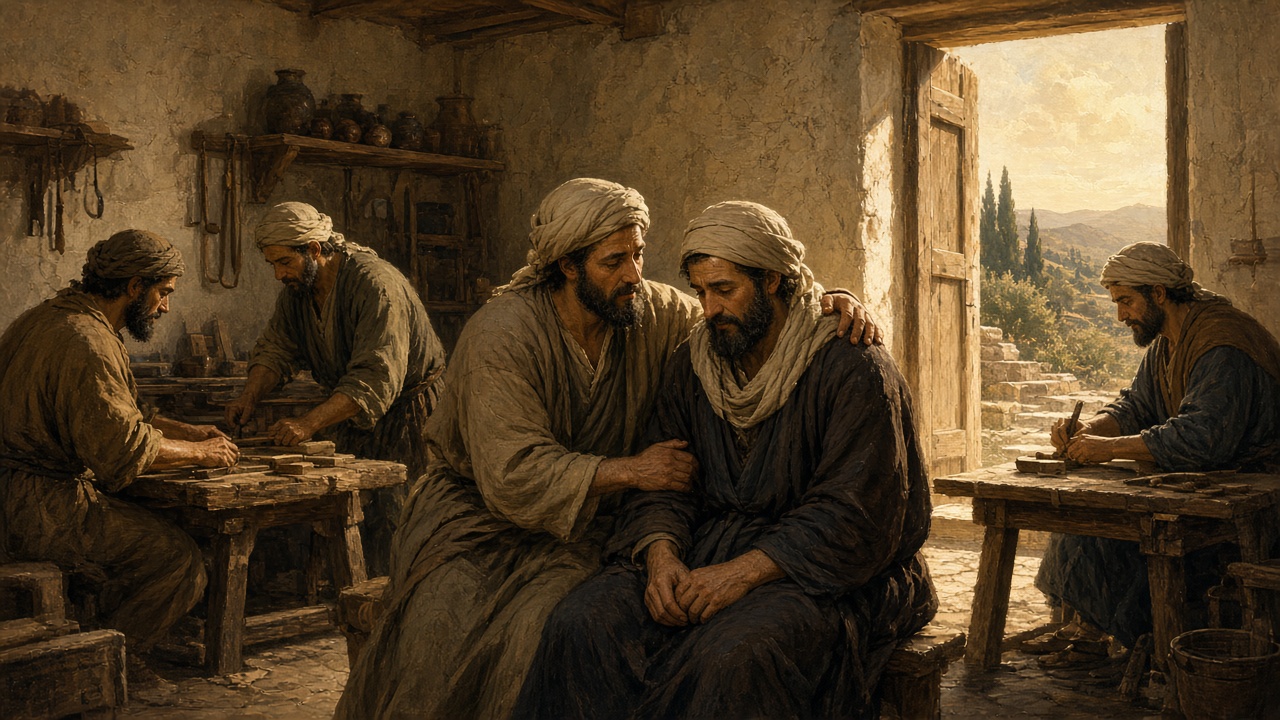
Holiness, Love, and Hope for the Dead
- This chapter notes that its readers were already showing love to all the brothers throughout Macedonia. In New Testament times Macedonia was a Roman province lying north of Greece, governed by a propraetor with the title of proconsul. Paul was summoned by a vision of the "man of Macedonia" to preach the gospel there.Sources: the Bible text itself · Macedonia
- The chapter speaks of the dead as people who sleep or have fallen asleep, and it asks the readers not to grieve like the rest, who have no hope. Because Jesus died and rose again, it says, God will bring with Jesus those who have fallen asleep in him; the dead in Christ will rise first, and then those still alive will be caught up with them in the clouds to meet the Lord in the air.Sources: the Bible text itself
- The readers are urged to aspire to a quiet life, to attend to their own matters, and to work with their own hands, as they had already been instructed. The chapter presents this as the way to behave properly toward outsiders and to avoid being dependent on anyone.Sources: the Bible text itself
Notes written with AI assistance from open sources (Theographic Bible Metadata, CC BY-SA 4.0; Easton’s Bible Dictionary, public domain) and reviewed before publishing.
Places in this chapter
- Macedonia · 41.600, 22.540 · verse 10
Only places identified with high confidence are shown (90% or more according to the scholarly sources compiled by OpenBible). Period map: DARE (Digital Atlas of the Roman Empire), CC BY 4.0; modern map: © OpenStreetMap contributors; places: OpenBible.info (CC BY 4.0).
Credits and license for this translation
Sahidica - طبعة جديدة من العهد الجديد باللغة القبطية الصعيدية
Sahidica - A New Edition of the New Testament in Sahidic Coptic
copyright © 2000-2006 J Warren Wells
Language: ⲘⲉⲧⲢⲉⲙ̀ⲛⲭⲏⲙⲓ (Coptic)
Dialect: Sahidic
Translation by: J Warren Wells
Coptic: Sahidic NT "Sahidica - A New Edition of the New Testament in Sahidic Coptic"
Copyright (c)2000-2006 by J Warren Wells. All rights reserved.
For more information visit www.sahidica.org .
This edition is available free of charge for use in free electronic
editions of the New Testament as long as the full title and copyright
information are included and credited. For written permission to use
all or any part of this document in print editions, contact the editor
at www.sahidica.org .
This edition is primarily meant for use by teachers and students of
Sahidic Coptic, and to a lesser degree by Coptologists involved in
scholarly research, textual criticism, or New Testament translation.
PURPOSE
Please note: This text is a work in progress. As such, there
is an ongoing effort to standardize the spelling of words in
the text. Be aware that version updates periodically appear.
The primary purpose is to produce a standardized edition of
the Sahidic NT similar to standard Greek editions.
An additional purpose of this text is to allow side-by-side
comparison with the Greek New Testament. To facilitate this
effort, a new version of the Greek text has been developed,
which is meant to better represent the Greek text upon which
the Sahidic was based. This text is entitled "The New Testament
According to the Egyptian Greek Text" [NTAEG]
This text does not include representation of either accents or
supralinear strokes, since these are used inconsistently in the
original texts. There is also a higher degree of standardization
in spelling and punctuation; like today's standard Greek master
texts, but unlike both the original Sahidic texts, and the PHI
and Coptic Society texts. Moreover, as in standard Greek texts,
instances of the Nomina Sacra have been expanded to their full
forms. This is again a departure from earlier versions of the
Sahidic, including the PHI and Coptic Society texts, which are
Both inconsistent in their usage.
Special thanks to David Brakke of Indiana University Bloomington,
Brigitte Comparini of the Packard Humanities Institute, and
Michael Heiser, Academic Editor, at Logos Research Systems; for
their assistance in making this edition possible.
BASIS
Sahidica was initially based (by permission) on the Coptic New Testament,
which is an electronic publication, which was edited by David Brakke.
(PHI-CD 5.3 dated 7/2/91. Los Altos. Packard Humanities Institute. 1991).
During later development, Sahidica was electronically collated against
the Coptic CD I by the St. Shenouda The Archmandrite Coptic Society.
Los Angeles, CA dated April, 1998.
These two editions were reduced to a raw electronic form, which allowed both
to be compared electronically letter by letter with Sahidica in order to
accurately detect and report every single variation and input error in any
of the texts. Though errors are inevitable, the collators of three seperate
editions are highly unlikely to make the same errors. Therefore, this method
helps to insure the integrity of the Sahidica edition.
Throughout the project, Sahidica was also collated against printed editions
of the following coptic manuscripts, which manuscripts date from the third
century and later.
Matt: Pierpont Morgan Library M-569 collated against Bodmer XIX papyrus
Mark:* PPalau Rib. Inv.Nr.182 collated against Pierpont Morgan Library M-569
Luke: PPalau Rib. Inv.Nr.181 collated against Pierpont Morgan Library M-569
John: PPalau Rib. Inv.Nr.183 collated against Pierpont Morgan Library M-569
Acts: Chester Beatty B (Copt.Ms.814) collated against Berlin P.15926 and British Museum MS Or.7594
Paul: Chester Beatty A (Copt.Ms.813) collated against Pierpont Morgan Library M-570 and M-571
James-Jude:** Pierpont Morgan Library M-572 collated against the Pierpont Morgan Library M-573 and M-601***
Revelation: Berlin MS Or.408 ( British Museum Ms Or.3518) collated against British Museum MS Or.6803
* Note: The longer and shorter endings of Mark are based on Horner; cf Kahle (JTS.1951.p49-57)
** Note: 1st Peter was also collated against the Crosby-Schøyen Ms.193.
*** Note: Portions of James and Jude were reconstructed from M-573, M-601, and four other mss.
Note on Interpolations
The short and long endings of Mark are ommited from the PPalau ms 182, but they do appear in most mss.
To better represent the overall Sahidic tradition, both endings are included, but in double brackets.
The pericope of the adultress (John 7:53-8:11) does not appear in any Sahidic ms. Herein it is omitted.
2014-09-16
Source: http://ebible.org/copshc/ · eBible.org