1 Corinthians 13
Sahidica - طبعة جديدة من العهد الجديد باللغة القبطية الصعيدية · Tap a verse to see its cross-references.
1ⲈⲒϢⲀⲚϢⲀϪⲈ ⲚⲚⲀⲤⲠⲈ ⲚⲚⲢⲰⲘⲈ ⲘⲚⲦⲀ ⲚⲀⲄⲄⲈⲖⲞⲤ ⲈⲘⲚⲦⲀⲒ ⲀⲄⲀⲠⲎ ⲆⲈ ⲘⲘⲀⲨ ⲚⲦⲀⲒ ⲢⲐⲈ ⲚⲞⲨϨⲞⲘⲚⲦ ⲈϤϮϨⲢⲞⲞⲨ ⲎⲞⲨⲔⲨⲘⲂⲀⲖⲞⲚ ⲈϤⲰϢ ⲈⲂⲞⲖ. 2ⲀⲨⲰ ⲈϢⲰⲠⲈ ⲞⲨⲚⲦⲀⲒ ⲚⲞⲨⲠⲢⲞⲪⲎⲦⲒⲀ. ⲦⲀⲈⲒⲘⲈ ⲈⲘⲘⲨⲤⲦⲎⲢⲒⲞⲚ ⲦⲎⲢⲞⲨ ⲘⲚ ⲠⲤⲞⲞⲨⲚ ⲦⲎⲢϤ. ⲔⲀⲚ ⲈⲨⲚⲦⲀⲒ ⲦⲠⲒⲤⲦⲒⲤ ⲦⲎⲢⲤ ϨⲰⲤⲦⲈ ⲈⲠⲈⲚⲈⲦⲞⲞⲨ ⲈⲂⲞⲖ ⲈⲘⲚ ⲀⲄⲀⲠⲎ ⲆⲈ ⲚϨⲎⲦ ⲀⲚⲄ ⲞⲨⲖⲀⲀⲨ. 3ⲔⲀⲚⲈⲒϢⲀⲚⲦⲘⲘⲞ ⲚⲚⲀϨⲨⲠⲀⲢⲬⲞⲚⲦⲀ ⲦⲎⲢⲞⲨ. ⲀⲨⲰ ⲦⲀϮ ⲘⲠⲀⲤⲰⲘⲀ ϪⲈ ⲈⲒⲈϢⲞⲨϢⲞⲨ ⲘⲘⲞⲒ ⲈⲘⲚⲦⲀⲒ ⲀⲄⲀⲠⲎ ⲆⲈ ⲘⲘⲀⲨ ⲚϮⲚⲀϮϨⲎⲨ ⲀⲚ ⲚⲖⲀⲀⲨ. 4ⲦⲀⲄⲀⲠⲎ ϢⲀⲤϨⲢⲞϢ ⲚϨⲎⲦ ϢⲀⲤⲢⲬⲢⲎⲤⲦⲞⲤ ⲦⲀⲄⲀⲠⲎ ⲘⲈⲤⲔⲰϨ ⲘⲈⲤⲢⲠⲈⲢⲠⲈⲢⲞⲤ ⲘⲈⲤϪⲒⲤⲈ ⲚϨⲎⲦ. 5ⲘⲈⲤⲀⲤⲬⲨⲘⲞⲚⲒ. ⲘⲈⲤϢⲒⲚⲈ ⲚⲤⲀ ⲚⲈⲦⲈⲚⲞⲨⲤ ⲚⲈ. ⲘⲈⲤⲚⲞⲨϬⲤ ⲘⲈⲤⲘⲈⲈⲨⲈ ⲈⲠⲠⲈⲐⲞⲞⲨ. 6ⲘⲈⲤⲢⲀϢⲈ ⲈϪⲘ ⲠϪⲒ ⲚϬⲞⲚⲤ. ϢⲀⲤⲢⲀϢⲈ ⲚⲦⲞϤ ⲘⲚ ⲦⲘⲈ. 7ϢⲀⲤϤⲒ ϨⲀ ϨⲰⲂ ⲚⲒⲘ ϢⲀⲤⲠⲒⲤⲦⲈⲨⲈ ⲈⲠⲦⲎⲢϤ ϢⲀⲤϨⲈⲖⲠⲒⲌⲈ ⲈⲠⲦⲎⲢϤ ϢⲀⲤϨⲨⲠⲞⲘⲒⲚⲈ ⲈⲠⲦⲎⲢϤ. 8ⲦⲀⲄⲀⲠⲎ ⲘⲈⲤϨⲈ ⲈⲚⲈϨ ⲈⲒⲦⲈ ⲆⲈ ⲚⲈⲠⲢⲞⲪⲎⲦⲒⲀ ⲤⲈⲚⲀⲞⲨⲰⲤϤ ⲈⲒⲦⲈ ⲚⲀⲤⲠⲈ ⲤⲈⲚⲀⲖⲞ ⲈⲒⲦⲈ ⲚⲤⲞⲞⲨⲚ ⲤⲈⲚⲀⲞⲨⲰⲤϤ. 9ⲈⲚⲤⲞⲞⲨⲚ ⲄⲀⲢ ⲈⲂⲞⲖ ϨⲚ ⲞⲨⲘⲈⲢⲞⲤ. ⲀⲨⲰ ⲈⲚⲠⲢⲞⲪⲎⲦⲈⲨⲈ ⲈⲂⲞⲖ ϨⲚ ⲞⲨⲘⲈⲢⲞⲤ. 10ϨⲞⲦⲀⲚ ⲆⲈ ⲈϤϢⲀⲚⲈⲒ ⲚϬⲒ ⲠϪⲰⲔ ⲠⲈⲂⲞⲖ ϨⲘ ⲠⲘⲈⲢⲞⲤ ⲚⲀⲞⲨⲰⲤϤ. 11ⲘⲠⲈⲨⲞⲈⲒϢ ⲈⲒⲞ ⲚⲔⲞⲨⲒ ⲚⲈⲈⲒϢⲀϪⲈ ⲠⲈ ϨⲰⲤ ⲔⲞⲨⲒ ⲚⲈⲒⲘⲈⲈⲨⲈ ϨⲰⲤ ⲔⲞⲨⲒ ⲚⲈⲒϢⲞϪⲚⲈ ϨⲰⲤ ⲔⲞⲨⲒ ⲚⲦⲈⲢⲒⲢⲚⲞϬ ⲆⲈ ⲀⲒⲞⲨⲰⲤϤ ⲚⲚⲀ ⲠⲔⲞⲨⲒ. 12ⲦⲚⲚⲀⲨ ⲄⲀⲢ ⲦⲈⲚⲞⲨ ϨⲒⲦⲚ ⲞⲨⲈⲒⲀⲖ ϨⲚ ⲞⲨϨⲢⲂ ⲘⲚⲚⲤⲰⲤ ⲆⲈ ⲚϨⲞ ϨⲒ ϨⲞ. ⲦⲈⲚⲞⲨ ⲄⲀⲢ ⲈⲒⲈⲒⲘⲈ ⲈⲂⲞⲖ ϨⲚ ⲞⲨⲘⲈⲢⲞⲤ. ⲘⲚⲚⲤⲰⲤ ⲆⲈ ϮⲚⲀⲤⲞⲞⲨⲚ ⲔⲀⲦⲀ ⲐⲈ ⲞⲚ ⲈⲚⲦⲀⲨⲤⲞⲨⲰⲚⲦ. 13ⲦⲈⲚⲞⲨ ϬⲈ ⲤϢⲞⲞⲠ ⲚϬⲒ ⲦⲠⲒⲤⲦⲒⲤ ⲐⲈⲖⲠⲒⲤ ⲦⲀⲄⲀⲠⲎ ⲠⲈⲈⲒϢⲞⲘⲚⲦ ⲦⲚⲞϬ ⲆⲈ ⲈⲚⲀⲒ ⲦⲈ ⲦⲀⲄⲀⲠⲎ.
Did you know?
Love Above Every Gift
- Without love, the chapter says, speaking in the tongues of men and of angels is only a ringing gong or a clanging cymbal. Someone with prophecy, with power to fathom all mysteries and all knowledge, and with faith that could move mountains is nothing; someone who gives all they possess to the poor, or surrenders their body, gains nothing.Sources: the Bible text itself
- Love is patient and kind. It does not envy, boast, or act with pride; it is not rude, self-seeking, or easily angered, and it keeps no account of wrongs. It takes no pleasure in evil, rejoices in the truth, and bears, believes, hopes, and endures all things.Sources: the Bible text itself
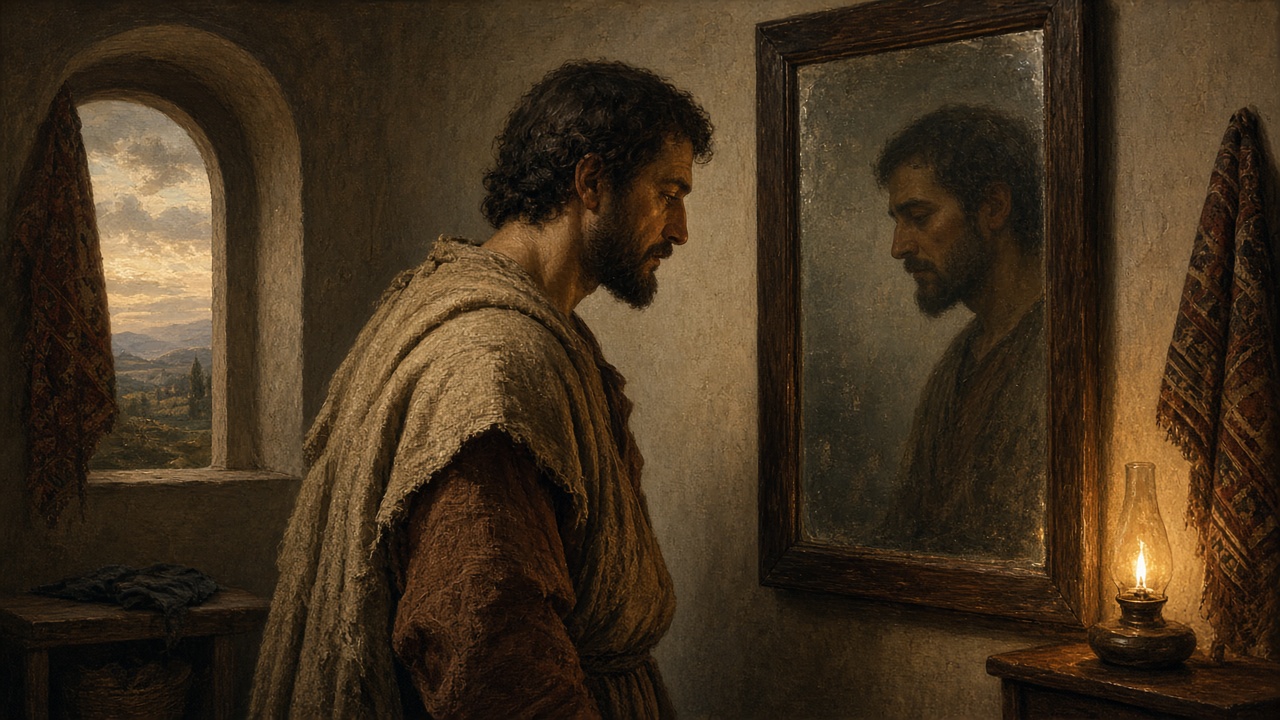
- Love, the chapter says, never fails, but prophecies will cease, tongues will be restrained, and knowledge will be dismissed. What is known and prophesied now is partial, like a child's reasoning or a dim reflection in a mirror rather than seeing face to face. Faith, hope, and love remain, and the greatest of these is love.Sources: the Bible text itself
Notes written with AI assistance from open sources (Theographic Bible Metadata, CC BY-SA 4.0; Easton’s Bible Dictionary, public domain) and reviewed before publishing.
Credits and license for this translation
Sahidica - طبعة جديدة من العهد الجديد باللغة القبطية الصعيدية
Sahidica - A New Edition of the New Testament in Sahidic Coptic
copyright © 2000-2006 J Warren Wells
Language: ⲘⲉⲧⲢⲉⲙ̀ⲛⲭⲏⲙⲓ (Coptic)
Dialect: Sahidic
Translation by: J Warren Wells
Coptic: Sahidic NT "Sahidica - A New Edition of the New Testament in Sahidic Coptic"
Copyright (c)2000-2006 by J Warren Wells. All rights reserved.
For more information visit www.sahidica.org .
This edition is available free of charge for use in free electronic
editions of the New Testament as long as the full title and copyright
information are included and credited. For written permission to use
all or any part of this document in print editions, contact the editor
at www.sahidica.org .
This edition is primarily meant for use by teachers and students of
Sahidic Coptic, and to a lesser degree by Coptologists involved in
scholarly research, textual criticism, or New Testament translation.
PURPOSE
Please note: This text is a work in progress. As such, there
is an ongoing effort to standardize the spelling of words in
the text. Be aware that version updates periodically appear.
The primary purpose is to produce a standardized edition of
the Sahidic NT similar to standard Greek editions.
An additional purpose of this text is to allow side-by-side
comparison with the Greek New Testament. To facilitate this
effort, a new version of the Greek text has been developed,
which is meant to better represent the Greek text upon which
the Sahidic was based. This text is entitled "The New Testament
According to the Egyptian Greek Text" [NTAEG]
This text does not include representation of either accents or
supralinear strokes, since these are used inconsistently in the
original texts. There is also a higher degree of standardization
in spelling and punctuation; like today's standard Greek master
texts, but unlike both the original Sahidic texts, and the PHI
and Coptic Society texts. Moreover, as in standard Greek texts,
instances of the Nomina Sacra have been expanded to their full
forms. This is again a departure from earlier versions of the
Sahidic, including the PHI and Coptic Society texts, which are
Both inconsistent in their usage.
Special thanks to David Brakke of Indiana University Bloomington,
Brigitte Comparini of the Packard Humanities Institute, and
Michael Heiser, Academic Editor, at Logos Research Systems; for
their assistance in making this edition possible.
BASIS
Sahidica was initially based (by permission) on the Coptic New Testament,
which is an electronic publication, which was edited by David Brakke.
(PHI-CD 5.3 dated 7/2/91. Los Altos. Packard Humanities Institute. 1991).
During later development, Sahidica was electronically collated against
the Coptic CD I by the St. Shenouda The Archmandrite Coptic Society.
Los Angeles, CA dated April, 1998.
These two editions were reduced to a raw electronic form, which allowed both
to be compared electronically letter by letter with Sahidica in order to
accurately detect and report every single variation and input error in any
of the texts. Though errors are inevitable, the collators of three seperate
editions are highly unlikely to make the same errors. Therefore, this method
helps to insure the integrity of the Sahidica edition.
Throughout the project, Sahidica was also collated against printed editions
of the following coptic manuscripts, which manuscripts date from the third
century and later.
Matt: Pierpont Morgan Library M-569 collated against Bodmer XIX papyrus
Mark:* PPalau Rib. Inv.Nr.182 collated against Pierpont Morgan Library M-569
Luke: PPalau Rib. Inv.Nr.181 collated against Pierpont Morgan Library M-569
John: PPalau Rib. Inv.Nr.183 collated against Pierpont Morgan Library M-569
Acts: Chester Beatty B (Copt.Ms.814) collated against Berlin P.15926 and British Museum MS Or.7594
Paul: Chester Beatty A (Copt.Ms.813) collated against Pierpont Morgan Library M-570 and M-571
James-Jude:** Pierpont Morgan Library M-572 collated against the Pierpont Morgan Library M-573 and M-601***
Revelation: Berlin MS Or.408 ( British Museum Ms Or.3518) collated against British Museum MS Or.6803
* Note: The longer and shorter endings of Mark are based on Horner; cf Kahle (JTS.1951.p49-57)
** Note: 1st Peter was also collated against the Crosby-Schøyen Ms.193.
*** Note: Portions of James and Jude were reconstructed from M-573, M-601, and four other mss.
Note on Interpolations
The short and long endings of Mark are ommited from the PPalau ms 182, but they do appear in most mss.
To better represent the overall Sahidic tradition, both endings are included, but in double brackets.
The pericope of the adultress (John 7:53-8:11) does not appear in any Sahidic ms. Herein it is omitted.
2014-09-16
Source: http://ebible.org/copshc/ · eBible.org