Matthew 11
القبطية البحيرية العهد الجديد · Tap a verse to see its cross-references.
1ⲞⲨⲞϨ ⲀⲤϢⲰⲠⲒ ⲈⲦⲀ ⲒⲎⲤⲞⲨⲤ ⲔⲎⲚ ⲈϤⲞⲨⲀϨⲤⲀϨⲚⲒ ⲈⲦⲞⲦϤ ⲘⲠⲈϤⲒⲂ ⲘⲘⲀⲐⲎⲦⲎⲤ ⲀϤⲞⲨⲰⲦⲈⲂ ⲈⲂⲞⲖ ⲘⲘⲀⲨ ⲈⲐⲢⲈϤϮⲤⲂⲰ ⲞⲨⲞϨ ⲚⲦⲈϤϨⲒⲰⲒϢ ⲚϨⲢⲎⲒ ϦⲈⲚⲚⲞⲨⲂⲀⲔⲒ. 2ⲒⲰⲀⲚⲚⲎⲤ ⲆⲈ ⲈⲦⲀϤⲤⲰⲦⲈⲘ ⲈϤⲬⲎ ϦⲈⲚⲠⲒϢⲦⲈⲔⲞ ⲈⲐⲂⲈ ⲚⲒϨⲂⲎⲞⲨⲒ ⲚⲦⲈⲠⲬⲢⲒⲤⲦⲞⲤ ⲀϤⲞⲨⲰⲢⲠ ⲚⲂ ⲈⲂⲞⲖ ϦⲈⲚⲚⲈϤⲘⲀⲐⲎⲦⲎⲤ. 3ⲠⲈϪⲀϤ ⲚⲀϤ ϪⲈ ⲚⲐⲞⲔ ⲠⲈ ⲪⲎ ⲈⲐⲚⲎⲞⲨ ϢⲀⲚ ⲚⲦⲈⲚϪⲞⲨϢⲦ ⲈⲂⲞⲖ ϦⲀϪⲰϤ ⲚⲔⲈⲞⲨⲀⲒ. 4ⲞⲨⲞϨ ⲈⲦⲀϤⲈⲢⲞⲨⲰ ⲚϪⲈⲒⲎⲤⲞⲨⲤ ⲠⲈϪⲀϤ ⲚⲰⲞⲨ ϪⲈ ⲘⲀϢⲈ ⲚⲰⲦⲈⲚ ⲘⲀⲦⲀⲘⲈ ⲒⲰⲀⲚⲚⲎⲤ ⲈⲚⲎ ⲈⲦⲈⲦⲈⲚⲚⲀⲨ ⲈⲢⲰⲞⲨ ⲚⲈⲘ ⲚⲎ ⲈⲦⲈⲦⲈⲚⲤⲰⲦⲈⲘ ⲈⲢⲰⲞⲨ. 5ϪⲈ ⲚⲒⲂⲈⲖⲖⲈⲨ ⲤⲈⲚⲀⲨ ⲘⲂⲞⲖ ⲚⲒϬⲀⲖⲈⲨ ⲤⲈⲘⲞϢⲒ ⲚⲒⲔⲀⲔⲤⲈϨⲦ ⲤⲈⲦⲞⲨⲂⲎⲞⲨⲦ ⲚⲒⲔⲞⲨⲢ ⲤⲈⲤⲰⲦⲈⲘ ⲚⲒⲢⲈϤⲘⲰⲞⲨⲦ ⲤⲈⲦⲰⲞⲨⲚⲞⲨ ⲚⲒϨⲎⲔⲒ ⲤⲈϨⲒϢⲈⲚⲚⲞⲨϤⲒ ⲚⲰⲞⲨ 6ⲞⲨⲞϨ ⲰⲞⲨⲚⲒⲀⲦϤ ⲘⲪⲎ ⲈⲦⲈⲚϤⲚⲀⲈⲢⲤⲔⲀⲚⲆⲀⲖⲒⲌⲈⲤⲐⲈ ⲚϦⲎⲦ. 7ⲚⲀⲒ ⲆⲈ ⲈⲨⲚⲀϢⲈ ⲚⲰⲞⲨ ⲀϤⲈⲢϨⲎⲦⲤ ⲚϪⲈⲒⲎⲤⲞⲨⲤ ⲚϪⲞⲤ ⲚⲚⲒⲘⲎϢ ⲈⲐⲂⲈ ⲒⲰⲀⲚⲚⲎⲤ ϪⲈ ⲈⲦⲀⲢⲈⲦⲈⲚⲒ ⲈⲂⲞⲖ ⲈⲠϢⲀϤⲈ ⲈⲚⲀⲨ ⲈⲞⲨ ⲈⲞⲨⲔⲀϢ ⲈⲢⲈ ⲠⲒⲐⲎⲞⲨ ⲔⲒⲘ ⲈⲢⲞϤ. 8ⲀⲖⲖⲀ ⲈⲦⲀⲢⲈⲦⲈⲚⲒ ⲈⲂⲞⲖ ⲈⲚⲀⲨ ⲈⲞⲨ ⲈⲞⲨⲢⲰⲘⲒ ⲈϤⲬⲎ ϦⲈⲚϨⲀⲚϬⲒϨⲂⲞⲤ ⲚϪⲀⲚⲈ ϨⲎⲠⲠⲈ ⲒⲤ ⲚⲀ ⲚⲒϨⲂⲰⲤ ⲚϪⲀⲚⲈ ⲤⲈⲬⲎ ϦⲈⲚⲚⲒⲎⲞⲨ ⲚⲚⲒⲞⲨⲢⲰⲞⲨ. 9ⲀⲖⲖⲀ ⲈⲦⲀⲢⲈⲦⲈⲚⲒ ⲈⲂⲞⲖ ⲈⲐⲂⲈⲞⲨ ⲈⲚⲀⲨ ⲈⲞⲨⲠⲢⲞⲪⲎⲦⲎⲤ ⲀϨⲀ ϮϪⲰ ⲘⲘⲞⲤ ⲚⲰⲦⲈⲚ ϪⲈ ϨⲞⲨⲞ ⲈⲞⲨⲠⲢⲞⲪⲎⲦⲎⲤ. 10ⲪⲀⲒ ⲄⲀⲢ ⲪⲎ ⲈⲦⲤϦⲎⲞⲨⲦ ⲈⲐⲂⲎⲦϤ ϪⲈ ϨⲎⲠⲠⲈ ϮⲚⲀⲞⲨⲰⲢⲠ ⲘⲠⲀⲄⲄⲈⲖⲞⲤ ϦⲀϪⲰⲔ ⲞⲨⲞϨ ⲈϤⲈⲤⲞⲂϮ ⲘⲠⲈⲔⲘⲐⲞ. 11ⲀⲘⲎⲚ ϮϪⲰ ⲘⲘⲞⲤ ⲚⲰⲦⲈⲚ ϪⲈ ⲘⲠⲈ ⲞⲨⲞⲚ ⲦⲰⲚϤ ϦⲈⲚⲚⲒⲘⲒⲤⲒ ⲚⲦⲈⲚⲒϨⲒⲞⲘⲒ ⲈⲚⲀⲀϤ ⲈⲒⲰⲀⲚⲚⲎⲤ ⲠⲒⲢⲈϤϮⲰⲘⲤ ⲠⲒⲔⲞⲨϪⲒ ⲆⲈ ⲈⲢⲞϤ ϦⲈⲚϮⲘⲈⲦⲞⲨⲢⲞ ⲚⲦⲈⲚⲒⲪⲎⲞⲨⲒ ⲞⲨⲚⲒϢϮ ⲈⲢⲞϤ ⲠⲈ. 12ⲒⲤϪⲈⲚ ⲚⲒⲈϨⲞⲞⲨ ⲆⲈ ⲚⲦⲈⲒⲰⲀⲚⲚⲎⲤ ⲠⲒⲢⲈϤϮ ⲰⲘⲤ ϢⲀ ⲈϦⲞⲨⲚ ⲈϮⲚⲞⲨ ϮⲘⲈⲦⲞⲨⲢⲞ ⲚⲦⲈⲚⲒⲪⲎⲞⲨⲒ ⲤⲈϬⲒ ⲘⲘⲞⲤ ⲚϪⲞⲚⲤ ⲞⲨⲞϨ ϨⲀⲚⲢⲈϤϬⲒ ⲚϪⲞⲚⲤ ⲠⲈⲦϨⲰⲖⲈⲘ ⲘⲘⲞⲤ. 13ⲚⲒⲠⲢⲞⲪⲎⲦⲎⲤ ⲄⲀⲢ ⲦⲎⲢⲞⲨ ⲚⲈⲘ ⲠⲒⲚⲞⲘⲞⲤ ⲀⲨⲈⲢⲠⲢⲞⲪⲎⲦⲈⲨⲒⲚ ϢⲀ ⲒⲰⲀⲚⲚⲎⲤ. 14ⲞⲨⲞϨ ⲒⲤϪⲈ ⲦⲈⲦⲈⲚⲞⲨⲰϢ ⲈϢⲞⲠϤ ⲚⲐⲞϤ ⲠⲈ ⲎⲖⲒⲀⲤ ⲈⲐⲚⲎⲞⲨ. 15ⲪⲎ ⲈⲦⲈ ⲞⲨⲞⲚ ⲞⲨⲘⲀϢϪ ⲘⲘⲞϤ ⲈⲤⲰⲦⲈⲘ ⲘⲀⲢⲈϤⲤⲰⲦⲈⲘ. 16ⲀⲒⲚⲀⲦⲈⲚⲐⲰⲚ ⲦⲀⲒⲄⲈⲚⲈⲀ ⲆⲈ ⲈⲚⲒⲘ ⲤⲞⲚⲒ ⲚϨⲀⲚⲀⲖⲰⲞⲨⲒ ⲈⲨϨⲈⲘⲤⲒ ϨⲒ ⲚⲒⲀⲄⲞⲢⲀ ⲚⲀⲒ ⲈⲐⲘⲞⲨϮ ⲞⲨⲂⲈ ⲚⲞⲨⲈⲢⲎⲞⲨ 17ⲈⲨϪⲰ ⲘⲘⲞⲤ ϪⲈ ⲀⲚϪⲰ ⲈⲢⲰⲦⲈⲘ ⲞⲨⲞϨ ⲘⲠⲈⲦⲈⲚϬⲞⲤϪⲈⲤ ⲀⲚⲢⲒⲘⲒ ⲞⲨⲞϨ ⲘⲠⲈⲦⲈⲚⲚⲈϨⲠⲒ. 18ⲀϤⲒ ⲄⲀⲢ ⲚϪⲈⲒⲰⲀⲚⲚⲎⲤ ⲈⲚϤⲞⲨⲰⲘ ⲀⲚ ⲞⲨⲞϨ ⲈⲚϤⲤⲰ ⲀⲚ ⲠⲈϪⲰⲞⲨ ϪⲈ ⲞⲨⲞⲚ ⲞⲨⲆⲈⲘⲰⲚ ⲚⲈⲘⲀϤ. 19ⲀϤⲒ ⲆⲈ ⲚϪⲈⲠϢⲎⲢⲒ ⲘⲪⲢⲰⲘⲒ ⲈϤⲞⲨⲰⲘ ⲞⲨⲞϨ ⲈϤⲤⲰ ⲠⲈϪⲰⲞⲨ ϪⲈ ⲒⲤ ⲞⲨⲢⲰⲘⲒ ⲚⲢⲈϤⲞⲨⲰⲘ ⲞⲨⲞϨ ⲚⲤⲀⲨⲎⲢⲠ ⲠϢⲪⲎⲢ ⲠⲈ ⲚⲦⲈⲚⲒⲦⲈⲖⲰⲚⲎⲤ ⲚⲈⲘ ⲚⲒⲢⲈϤⲈⲢⲚⲞⲂⲒ ⲞⲨⲞϨ ⲀⲤⲐⲘⲀⲒⲞ ⲚϪⲈϮⲤⲞⲪⲒⲀ ⲈⲂⲞⲖ ϦⲈⲚⲚⲈⲤϨⲂⲎⲞⲨⲒ. 20ⲦⲞⲦⲈ ⲀϤⲈⲢϨⲎⲦⲤ ⲚϨⲒⲬⲞϨ ⲈϦⲞⲨⲚ ⲈⲚⲒⲂⲀⲔⲒ ⲚⲎ ⲈⲦⲀ ⲠϨⲞⲨⲞ ⲚⲚⲈϤϪⲞⲘ ϢⲰⲠⲒ ⲚϦⲎⲦⲞⲨ ⲞⲨⲞϨ ⲘⲠⲞⲨⲈⲢⲘⲈⲦⲀⲚⲞⲒⲚ. 21ⲞⲨⲞⲒ ⲚⲈⲬⲞⲢⲀⲌⲒⲚ ⲞⲨⲞⲒ ⲚⲈⲂⲎⲐⲤⲀⲒⲆⲀ ϪⲈ ⲈⲚⲈⲀ ⲚⲀⲒϪⲞⲘ ϢⲰⲠⲒ ϦⲈⲚⲦⲨⲢⲞⲤ ⲚⲈⲘ ⲦⲤⲒⲆⲰⲚ ⲈⲦⲀⲨϢⲰⲠⲒ ϦⲈⲚⲐⲎⲚⲞⲨ ⲚⲈⲒⲤⲐⲚⲈⲒ ⲠⲈ ⲀⲨⲈⲢⲘⲈⲦⲀⲚⲞⲒⲚ ϦⲈⲚⲞⲨⲤⲞⲔ ⲚⲈⲘ ⲞⲨⲔⲈⲢⲘⲒ. 22ⲠⲖⲎⲚ ϮϪⲰ ⲘⲘⲞⲤ ⲚⲰⲦⲈⲚ ϪⲈ ⲦⲨⲢⲞⲤ ⲚⲈⲘ ⲦⲤⲒⲆⲰⲚ ⲈⲨⲈϮⲀⲤⲞ ⲈⲢⲰⲞⲨ ϦⲈⲚⲠⲈϨⲞⲞⲨ ⲚⲦⲈϮⲔⲢⲒⲤⲒⲤ ⲈϨⲞⲦⲈⲢⲰⲦⲈⲚ. 23ⲚⲈⲘ ⲚⲐⲞ ϨⲰⲒ ⲔⲀⲪⲀⲢⲚⲀⲞⲨⲘ ⲘⲎ ⲦⲈⲢⲀϬⲒⲤⲒ ϢⲀ ⲈϨⲢⲎⲒ ⲈⲦⲪⲈ ⲈⲨⲈⲐⲈⲂⲒⲞ ϢⲀ ⲈϦⲢⲎⲒ ⲈⲀⲘⲈⲚϮ ϪⲈ ⲈⲚⲈ ϦⲈⲚⲤⲞⲆⲞⲘⲀ ⲀⲨϢⲰⲠⲒ ⲚϪⲈⲚⲀⲒϪⲞⲘ ⲈⲦⲀⲨϢⲰⲠⲒ ⲚϦⲎϮ ⲚⲈⲒⲤϪⲈⲔ ⲤⲈϢⲞⲠ ϢⲀ ⲈϦⲞⲨⲚ ⲈⲪⲞⲞⲨ. 24ⲠⲖⲎⲚ ϮϪⲰ ⲘⲘⲞⲤ ⲚⲰⲦⲈⲚ ϪⲈ ⲠⲔⲀϨⲒ ⲚⲤⲞⲆⲞⲘⲀ ⲈⲨⲈϮⲀⲤⲞ ⲈⲢⲞϤ ϦⲈⲚⲠⲈϨⲞⲞⲨ ⲚⲦⲈϮⲔⲢⲒⲤⲒⲤ ⲈϨⲞⲦⲈⲢⲞ. 25ⲚϨⲢⲎⲒ ⲆⲈ ϦⲈⲚⲠⲒⲤⲎⲞⲨ ⲈⲦⲈⲘⲘⲀⲨ ⲀϤⲈⲢⲞⲨⲰ ⲚϪⲈⲒⲎⲤⲞⲨⲤ ⲞⲨⲞϨ ⲠⲈϪⲀϤ ϪⲈ ϮⲞⲨⲰⲚϨ ⲚⲀⲔ ⲈⲂⲞⲖ ⲪⲒⲰⲦ ⲠϬⲞⲒⲤ ⲚⲦⲪⲈ ⲚⲈⲘ ⲠⲒⲔⲀϨⲒ ϪⲈ ⲀⲔϨⲈⲠ ⲚⲀⲒ ⲈϨⲀⲚⲤⲀⲂⲈⲨ ⲚⲈⲘ ϨⲀⲚⲔⲀⲦϨⲎⲦ ⲞⲨⲞϨ ⲀⲔϬⲞⲢⲠⲞⲨ ⲈⲂⲞⲖ ⲚϨⲀⲚⲔⲞⲨϪⲒ ⲚⲀⲖⲰⲞⲨⲒ. 26ⲀϨⲀ ⲪⲒⲰⲦ ϪⲈ ⲪⲀⲒ ⲠⲈ ⲠⲒϮⲘⲀϮ ⲈⲦⲀϤϢⲰⲠⲒ ⲘⲠⲈⲔⲘⲐⲞ. 27ϨⲰⲂ ⲚⲒⲂⲈⲚ ⲀⲪⲒⲰⲦ ⲦⲎⲒⲦⲞⲨ ⲈⲦⲞⲦ ⲞⲨⲞϨ ⲘⲘⲞⲚ ϨⲖⲒ ⲤⲰⲞⲨⲚ ⲘⲠϢⲎⲢⲒ ⲈⲂⲎⲖ ⲈⲪⲒⲰⲦ ⲞⲨⲆⲈ ⲘⲘⲞⲚ ϨⲖⲒ ⲤⲰⲞⲨⲚ ⲘⲪⲒⲰⲦ ⲈⲂⲎⲖ ⲈⲠϢⲎⲢⲒ ⲚⲈⲘ ⲪⲎ ⲈⲦⲈϨⲚⲈ ⲠϢⲎⲢⲒ ⲈϬⲰⲢⲠ ⲚⲀϤ ⲈⲂⲞⲖ. 28ⲀⲘⲰⲒⲚⲒ ϨⲀⲢⲞⲒ ⲞⲨⲞⲚ ⲚⲒⲂⲈⲚ ⲈⲦϦⲞⲤⲒ ⲞⲨⲞϨ ⲈⲦⲞⲠⲦ ϦⲀ ⲚⲞⲨⲈⲦⲪⲰⲞⲨⲒ ⲞⲨⲞϨ ⲀⲚⲞⲔ ⲈⲐⲚⲀϮⲘⲦⲞⲚ ⲚⲰⲦⲈⲚ. 29ⲀⲖⲒⲞⲨⲒ ⲘⲠⲀⲚⲀϨⲂⲈϤ ⲈϪⲈⲚ ⲐⲎⲚⲞⲨ ⲞⲨⲞϨ ⲀⲢⲒⲈⲘⲒ ⲈⲂⲞⲖ ⲘⲘⲞⲒ ϪⲈ ⲀⲚⲞⲔ ⲞⲨⲢⲈⲘⲢⲀⲨϢ ⲞⲨⲞϨ ϮⲐⲈⲂⲒⲎⲞⲨⲦ ϦⲈⲚⲠⲀϨⲎⲦ ⲞⲨⲞϨ ⲈⲢⲈⲦⲈⲚⲈϪⲒⲘⲒ ⲚⲞⲨⲘⲀⲚⲘⲦⲞⲚ ⲚⲚⲈⲦⲈⲚⲮⲨⲬⲎ. 30ⲠⲀⲚⲀϨⲂⲈϤ ⲄⲀⲢ ϨⲞⲖϪ ⲞⲨⲞϨ ⲦⲀⲈⲦⲪⲰ ⲀⲤⲒⲰⲞⲨ.
Did you know?
John's question and the cities that did not repent
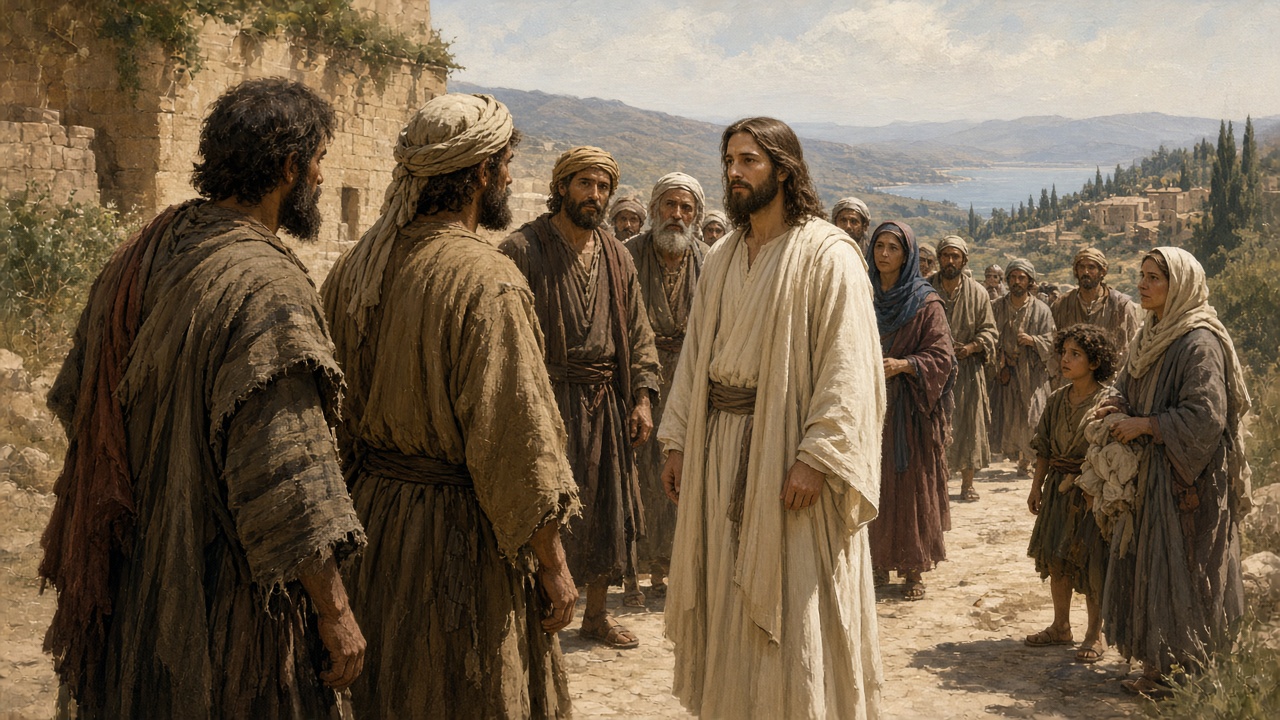
- From prison, John sent his disciples to ask whether Jesus was the one who was to come. Jesus told the crowds that John was more than a prophet—the messenger sent ahead to prepare the way—and, if they were willing to accept it, the Elijah who was to come. A Bible dictionary calls John the forerunner and says his mission was already the subject of prophecy, citing Isaiah 40:3 and Malachi 3:1; it also introduces Elijah as the Elias of the New Testament.Sources: the Bible text itself · John the Baptist · Elijah
- Jesus then denounced Chorazin, Bethsaida, and Capernaum, where most of his miracles had been performed, because they did not repent. A dictionary identifies Chorazin with modern Kerazeh, about two and a half miles up the Wady Kerazeh from Capernaum, and says that Capernaum, absent from the Old Testament, became Jesus' own city after he left Nazareth. It places Bethsaida on the east side of the lake, two miles up the Jordan in Gaulonitis, enlarged by Philip the tetrarch and named Julias after the emperor's daughter, though some have supposed there was only one Bethsaida, near where the Jordan enters the lake.Sources: the Bible text itself · Chorazin · Capernaum · Bethsaida
- He set those cities against Tyre and Sidon, which he said would have repented long ago in sackcloth and ashes, and against Sodom, which he said would have remained to this day. Sidon, on the Mediterranean coast about twenty-five miles north of Tyre, was the oldest Phoenician city there and the mother city of Tyre. A dictionary says the commerce of the whole world was gathered into Tyre's warehouses, and that Sodom, in the vale of Siddim, was destroyed by fire from heaven so completely that no trace of it has been found.Sources: the Bible text itself · Sidon · Tyre · Sodom
Notes written with AI assistance from open sources (Theographic Bible Metadata, CC BY-SA 4.0; Easton’s Bible Dictionary, public domain) and reviewed before publishing.
Places in this chapter
- Galilee · 32.760, 35.527 · verse 1
- Sidon · Today: Sandikli archaeological site in Sidon · 33.561, 35.372 · verses 21, 22
- Tyre · 33.271, 35.196 · verses 21, 22
Only places identified with high confidence are shown (90% or more according to the scholarly sources compiled by OpenBible). Period map: DARE (Digital Atlas of the Roman Empire), CC BY 4.0; modern map: © OpenStreetMap contributors; places: OpenBible.info (CC BY 4.0).
Credits and license for this translation
القبطية البحيرية العهد الجديد
The New Testament in the Boharic (Northern) dialect of the Coptic language of Egypt
Public Domain
Language: ⲘⲉⲧⲢⲉⲙ̀ⲛⲭⲏⲙⲓ (Coptic)
Dialect: Bohairic
Translation by: Horner
Contributor: J. Warren Wells
Coptic: Bohairic NT Bohairica: The Bohairic New Testament in Standardized Form.
Bohairica 1.2 (2006.December.14)
This is an edition of the New Testament in the Bohairic dialect of the
Coptic language. It is based on the edition by Horner. However, like my
Sahidica edition, it has been standardized for easy comparison with
modern Editions of the Koine Greek in the following ways:
o Section and paragraph breaks correspond to the USB and NA texts.
o Punctuation has been aligned with the Sahidica text.
o The nomina sacra forms have been expanded.
Please note the punctuation is closest to that found in my New Testament
According to the Egyptian Greek Texts (NTAEG)
Bohairica is an ongoing work. Please report any errors to the editor,
J. Warren Wells, at www.sahidica.org .
2014-09-16
Source: http://ebible.org/copbhc/ · eBible.org