Acts 5
القبطية البحيرية العهد الجديد · Tap a verse to see its cross-references.
1ⲞⲨⲢⲰⲘⲒ ⲆⲈ ϨⲰϤ ⲈⲠⲈϤⲢⲀⲚ ⲠⲈ ⲀⲚⲀⲚⲒⲀⲤ ⲚⲈⲘ ⲤⲀⲠⲪⲒⲢⲀ ⲦⲈϤⲤϨⲒⲘⲒ ⲀϤϮ ⲚⲞⲨⲒⲞϨⲒ ⲈⲂⲞⲖ ϦⲀ ⲦⲈϤⲦⲒⲘⲎ. 2ⲈⲤⲤⲰⲞⲨⲚ ⲚϪⲈⲦⲈϤⲤϨⲒⲘⲒ ⲀϤⲰⲖⲒ ⲚϬⲒⲞⲨⲒ ⲈⲂⲞⲖ ϦⲈⲚϮⲦⲒⲘⲎ ⲚⲦⲈⲠⲒⲒⲞϨⲒ ⲀϤⲒⲚⲒ ⲆⲈ ⲚⲞⲨⲘⲈⲢⲞⲤ ⲀϤⲬⲀⲨ ϦⲀⲢⲀⲦⲞⲨ ⲚⲚⲒⲀⲠⲞⲤⲦⲞⲖⲞⲤ. 3ⲠⲈⲦⲢⲞⲤ ⲆⲈ ⲠⲈϪⲀϤ ⲚⲀϤ ϪⲈ ⲀⲚⲀⲚⲒⲀⲤ ⲈⲐⲂⲈⲞⲨ ⲀⲠⲤⲀⲦⲀⲚⲀⲤ ⲘⲀϨ ⲠⲈⲔϨⲎⲦ ⲈⲐⲢⲈⲔϪⲈⲘⲈⲐⲚⲞⲨϪ ⲈⲠⲒⲠⲚⲈⲨⲘⲀⲈⲐⲞⲨⲀⲂ ⲞⲨⲞϨ ⲈⲐⲢⲈⲔⲰⲖⲒ ⲚϬⲒⲞⲨⲒ ⲈⲂⲞⲖ ϦⲈⲚϮⲦⲒⲘⲎ ⲚⲦⲈⲠⲒⲒⲞϨⲒ. 4ⲘⲎ ⲈϤϢⲞⲠ ⲚⲀϤϢⲞⲠ ⲚⲀⲔ ⲀⲚ ⲠⲈ ⲞⲨⲞϨ ⲈⲦⲀⲔⲦⲎⲒϤ ⲈⲂⲞⲖ ⲚⲀϤⲬⲎ ⲀⲚ ϦⲀ ⲦⲈⲔⲈⲜⲞⲨⲤⲒⲀ ⲈⲐⲂⲈⲞⲨ ϪⲈ ⲈⲦⲀⲔⲬⲀ ⲠⲀⲒϨⲰⲂ ϦⲈⲚⲠⲈⲔϨⲎⲦ ⲈⲦⲀⲔϪⲈⲘⲈⲐⲚⲞⲨϪ ⲈⲢⲰⲘⲒ ⲀⲚ ⲀⲖⲖⲀ ⲈⲪⲚⲞⲨϮ. 5ⲈϤⲤⲰⲦⲈⲘ ⲆⲈ ⲚϪⲈⲀⲚⲀⲚⲒⲀⲤ ⲈⲚⲀⲒⲤⲀϪⲒ ⲀϤϨⲒ ⲀϤϨⲒ ⲠⲈϤⲐⲎⲞⲨ ⲀⲤϢⲰⲠⲒ ⲆⲈ ⲚϪⲈⲞⲨⲚⲒϢϮ ⲚϨⲞϮ ⲈϪⲈⲚ ⲞⲨⲞⲚ ⲚⲒⲂⲈⲚ ⲈⲦⲤⲰⲦⲈⲘ ⲈⲚⲀⲒ. 6ⲀⲨⲦⲰⲞⲨⲚⲞⲨ ⲚϪⲈⲚⲒⲀⲖⲰⲞⲨⲒ ⲀⲨϪⲞⲖϤ ⲞⲨⲞϨ ⲈⲦⲀϤⲈⲚϤ ⲈⲂⲞⲖ ⲀⲨⲐⲞⲘⲤϤ. 7ⲀⲤϢⲰⲠⲒ ⲆⲈ ⲈⲦⲀ ⲄϮ ⲚⲞⲨⲚⲞⲨ ⲚⲈⲤⲔⲒ ϢⲰⲠⲒ ⲀⲤⲒ ⲈϦⲞⲨⲚ ⲚϪⲈⲦⲈϤⲤϨⲒⲘⲒ ⲚⲤⲤⲰⲞⲨⲚ ⲀⲚ ⲘⲠⲈⲦⲀϤϢⲰⲠⲒ 8ⲠⲈϪⲈ ⲠⲈⲦⲢⲞⲤ ⲚⲀⲤ ϪⲈ ⲀϪⲞⲤ ⲚⲎⲒ ϪⲈ ⲈⲦⲀⲢⲈⲦⲈⲚϮ ⲘⲠⲒⲒⲞϨⲒ ⲈⲂⲞⲖ ϦⲀ ⲚⲀⲒϨⲀⲦ ⲚⲐⲞⲤ ⲆⲈ ⲠⲈϪⲀⲤ ϪⲈ ⲀϨⲀ ϦⲀ ⲚⲀⲒ. 9ⲠⲈⲦⲢⲞⲤ ⲆⲈ ⲠⲈϪⲀϤ ⲚⲀⲤ ϪⲈ ⲈⲐⲂⲈⲞⲨ ⲀⲠⲀⲒϨⲰⲂ ϮⲘⲀϮ ϦⲈⲚⲐⲎⲚⲞⲨ ⲈⲈⲢⲠⲒⲢⲀⲌⲒⲚ ⲘⲠⲒⲠⲚⲈⲨⲘⲀⲚⲦⲈⲠϬⲞⲒⲤ ϨⲎⲠⲠⲈ ⲒⲤ ⲚⲒϬⲀⲖⲀⲨϪ ⲚⲦⲈⲚⲎ ⲈⲦⲀⲨⲐⲰⲘⲤ ⲘⲠⲈϨⲀⲒ ⲤⲈⲬⲎ ϨⲒⲢⲈⲚ ⲚⲒⲢⲰⲞⲨ ⲤⲈⲚⲀϤⲒϮ ⲈⲂⲞⲖ ϨⲰⲒ. 10ⲀⲤϨⲈⲒ ⲆⲈ ϦⲀⲢⲀⲦⲞⲨ ⲚⲚⲈϤϬⲀⲖⲀⲨϪ ⲀⲤϨⲒ ⲠⲈⲤⲐⲎⲞⲨ ⲈⲦⲀⲨⲒ ⲈϦⲞⲨⲚ ⲚϪⲈⲚⲒϦⲈⲖϢⲒⲢⲒ ⲀⲨϪⲈⲘⲤ ⲈⲤⲘⲰⲞⲨⲦ ⲈⲦⲀⲨⲞⲖⲤ ⲈⲂⲞⲖ ⲀⲨⲬⲀⲤ ϦⲀⲦⲈⲚ ⲠⲈⲤϨⲀⲒ. 11ⲀⲤϢⲰⲠⲒ ⲚϪⲈⲞⲨⲚⲒϢϮ ⲚϨⲞϮ ⲈϨⲢⲎⲒ ⲈϪⲈⲚ ϮⲈⲔⲔⲖⲎⲤⲒⲀ ⲦⲎⲢⲤ ⲚⲈⲘ ⲈϪⲈⲚ ⲞⲨⲞⲚ ⲚⲒⲂⲈⲚ ⲈⲦⲤⲰⲦⲈⲘ ⲈⲚⲀⲒ. 12ⲈⲂⲞⲖ ⲆⲈ ϨⲒⲦⲈⲚ ⲚⲈⲚϪⲒϪ ⲚⲚⲒⲀⲠⲞⲤⲦⲞⲖⲞⲤ ⲚⲀⲨϢⲞⲠ ⲠⲈ ⲚϪⲈϨⲀⲚⲘⲎϢ ⲘⲘⲎⲒⲚⲒ ⲚⲈⲘ ϨⲀⲚϢⲪⲎⲢⲒ ⲚϨⲢⲎⲒ ϦⲈⲚⲠⲒⲖⲀⲞⲤ ⲞⲨⲞϨ ⲚⲀⲨⲐⲞⲨⲎⲦ ⲦⲎⲢⲞⲨ ⲈⲨⲤⲞⲠ ϦⲀⲦⲈⲚ ϮⲤⲦⲞⲀ ⲚⲦⲈⲤⲞⲖⲞⲘⲰⲚ. 13ⲚϦⲢⲎⲒ ⲆⲈ ϦⲈⲚⲚⲒⲤⲰϪⲠ ⲘⲘⲞⲚ ϨⲖⲒ ⲈⲢⲦⲞⲖⲘⲀⲚ ⲈⲦⲞⲘϤ ⲈⲢⲰⲞⲨ ⲀⲖⲖⲀ ⲚⲀⲢⲈ ⲠⲒⲖⲀⲞⲤ ϬⲒⲤⲒ ⲘⲘⲰⲞⲨ 14ⲘⲀⲖⲖⲞⲚ ⲆⲈ ⲚⲀⲨⲞⲨⲞϨ ⲘⲘⲰⲞⲨ ⲈⲠϬⲞⲒⲤ ⲈⲨⲚⲀϨϮ ⲚϪⲈϨⲀⲚⲘⲎϢ ⲚⲢⲰⲘⲒ ⲚⲈⲘ ϨⲀⲚϨⲒⲞⲘⲒ. 15ϨⲰⲤⲦⲈ ⲚⲤⲈⲒⲚⲒ ⲚⲚⲎ ⲈⲦϢⲰⲚⲒ ⲈⲂⲞⲖ ϨⲒ ⲚⲒⲠⲖⲀⲦⲒⲀ ⲞⲨⲞϨ ⲚⲤⲈⲬⲀⲨ ϨⲒϪⲈⲚ ϨⲀⲚϬⲖⲞϪ ⲚⲈⲘ ϨⲀⲚⲘⲀ ⲚⲈⲚⲔⲞⲦ ϨⲒⲚⲀ ⲈϤⲚⲀⲤⲒⲚⲒⲰⲞⲨ ⲚϪⲈⲠⲈⲦⲢⲞⲤ ⲔⲀⲚ ⲚⲦⲈⲦⲈϤϦⲎⲒⲂⲒ Ⲓ- ⲈϪⲈⲚ ⲞⲨⲀⲒ ⲘⲘⲰⲞⲨ. 16ⲚⲀⲨⲚⲎⲞⲨ ⲆⲈ ⲠⲈ ⲚϪⲈⲚⲒⲘⲎϢ ⲚⲦⲈⲚⲒⲠⲞⲖⲒⲤ ⲈⲦⲔⲰϮ ⲈⲒⲈⲢⲞⲤⲀⲖⲎⲘ ⲈⲨⲒⲚⲒ ⲚⲚⲎ ⲈⲦϢⲰⲚⲒ ⲚⲈⲘ ⲚⲎ ⲈⲦϨⲎϢ ⲚⲦⲈⲚ ⲚⲒⲠⲚⲈⲨⲘⲀⲚⲀⲔⲀⲐⲀⲢⲦⲞⲚ ⲚⲀⲒ ⲆⲈ ⲦⲎⲢⲞⲨ ϢⲀⲨⲞⲨϪⲀⲒ ⲈⲂⲞⲖ ϨⲒⲦⲞⲦⲞⲨ. 17ⲀϤⲦⲰⲚϤ ⲆⲈ ⲚϪⲈⲠⲒⲀⲢⲬⲒⲈⲢⲈⲨⲤ ⲚⲈⲘ ⲚⲎ ⲦⲎⲢⲞⲨ ⲈⲐⲚⲈⲘⲀϤ ⲈⲦⲈ ⲦϨⲈⲢⲈⲤⲒⲤ ⲚⲦⲈⲚⲒⲤⲀⲆⲆⲞⲨⲔⲈⲞⲤ ⲀⲨⲘⲞϨ ⲚⲬⲞϨ. 18ⲀⲨⲒⲚⲒ ⲚⲚⲞⲨϪⲒϪ ⲈϪⲈⲚ ⲚⲒⲀⲠⲞⲤⲦⲞⲖⲞⲤ ⲞⲨⲞϨ ⲀⲨⲬⲀⲨ ⲈⲠⲀⲢⲈϨ ⲈⲢⲰⲞⲨ ⲚⲆⲎⲘⲞⲤⲒⲀ. 19ⲞⲨⲀⲄⲄⲈⲖⲞⲤ ⲆⲈ ⲚⲦⲈⲠϬⲞⲒⲤ ⲀϤⲞⲨⲰⲚ ⲚⲚⲒⲢⲰⲞⲨ ⲚⲦⲈⲠⲒϢⲦⲈⲔⲞ ϦⲈⲚⲠⲒⲈϪⲰⲢϨ ⲀϤⲈⲚⲞⲨ ⲈⲂⲞⲖ ⲠⲈϪⲀϤ ⲚⲰⲞⲨ 20ϪⲈ ⲘⲀϢⲈ ⲚⲰⲦⲈⲚ ⲤⲀϪⲒ ϦⲈⲚⲠⲒⲈⲢⲪⲈⲒ ⲚⲈⲘ ⲠⲒⲖⲀⲞⲤ ⲚⲚⲒⲤⲀϪⲒ ⲦⲎⲢⲞⲨ ⲚⲦⲈⲠⲀⲒⲰⲚϦ. 21ⲈⲦⲀⲨⲤⲰⲦⲈⲘ ⲆⲈ ⲀⲨϢⲞⲢⲠⲞⲨ ⲀⲨϢⲈ ⲚⲰⲞⲨ ⲈⲠⲒⲈⲢⲪⲈⲒ ⲚⲀⲨϮⲤⲂⲰ ⲠⲈ ⲈⲦⲀϤⲦⲰⲚϤ ⲆⲈ ⲚϪⲈⲠⲒⲀⲢⲬⲒⲈⲢⲈⲨⲤ ⲚⲈⲘ ⲚⲎ ⲦⲎⲢⲞⲨ ⲈⲐⲚⲈⲘⲀϤ ⲀⲨⲐⲰⲞⲨϮ ⲈⲠⲒⲘⲀ ⲚϮϨⲀⲠ ⲚⲈⲘ ⲚⲒϦⲈⲖⲖⲞⲒ ⲦⲎⲢⲞⲨ ⲚⲦⲈⲚⲈⲚϢⲎⲢⲒ ⲘⲠⲒⲤⲖ ⲞⲨⲞϨ ⲀⲨⲞⲨⲰⲢⲠ ⲈⲠⲒⲘⲀ ⲚⲤⲰⲚϨ ⲈⲐⲢⲞⲨⲒⲚⲒ ⲘⲘⲰⲞⲨ. 22ⲈⲦⲀⲨⲒ ⲆⲈ ⲚϪⲈⲚⲒϨⲨⲠⲈⲢⲈⲦⲎⲤ ⲘⲠⲞⲨϪⲈⲘⲞⲨ ϦⲈⲚⲠⲒϢⲦⲈⲔⲞ ⲈⲦⲀⲨⲔⲞⲦⲞⲨ ⲆⲈ ⲀⲨⲦⲀⲘⲰⲞⲨ 23ⲈⲨϪⲰ ⲘⲘⲞⲤ ϪⲈ ⲀⲚϪⲒⲘⲒ ⲘⲈⲚ ⲘⲠⲒⲘⲀ ⲚⲤⲰⲚϨ ⲈϤϢⲞⲦⲈⲘ ϦⲈⲚⲦⲀϪⲢⲞ ⲚⲒⲂⲈⲚ ⲞⲨⲞϨ ⲚⲒⲢⲈϤⲀⲢⲈϨ ⲈⲨⲞϨⲒ ⲈⲢⲀⲦⲞⲨ ϦⲀⲦⲈⲚ ⲚⲒⲢⲰⲞⲨ ⲈⲦⲀⲨⲞⲨⲰⲚ ⲆⲈ ⲘⲠⲈⲚϪⲈⲘ ϨⲖⲒ ⲚϦⲞⲨⲚ. 24ⲈⲦⲀⲨⲤⲰⲦⲈⲘ ⲆⲈ ⲈⲚⲀⲒⲤⲀϪⲒ ⲚϪⲈⲚⲒⲤⲀⲦⲎ ⲄⲞⲨⲤ ⲚⲦⲈⲠⲒⲈⲢⲪⲈⲒ ⲚⲈⲘ ⲚⲒⲀⲢⲬⲒⲈⲢⲈⲨⲤ ⲚⲀⲨⲦⲰⲘⲦ ⲈⲐⲂⲎⲦⲞⲨ ⲠⲈ ϪⲈ ⲞⲨ ⲠⲈ ⲪⲀⲒ ⲈⲦⲀϤϢⲰⲠⲒ. 25ⲀϤⲒ ⲆⲈ ⲚϪⲈⲞⲨⲀⲒ ⲀϤⲦⲀⲘⲰⲞⲨ ϪⲈ ϨⲎⲠⲠⲈ ⲒⲤ ⲚⲒⲢⲰⲘⲒ ⲈⲦⲀⲢⲈⲦⲈⲚⲬⲀⲨ ϦⲈⲚⲠⲒϢⲦⲈⲔⲞ ⲤⲈⲞϨⲒ ⲈⲢⲀⲦⲞⲨ ϦⲈⲚⲠⲒⲈⲢⲪⲈⲒ ⲈⲨϮⲤⲂⲰ ⲘⲠⲒⲖⲀⲞⲤ. 26ⲦⲞⲦⲈ ⲀϤϢⲈ ⲚⲀϤ ⲚϪⲈⲠⲒⲤⲀⲦⲎⲄⲞⲨⲤ ⲚⲈⲘ ⲚⲒϨⲨⲠⲈⲢⲈⲦⲎⲤ ⲀⲨⲈⲚⲞⲨ ⲚϪⲞⲚⲤ ⲀⲚ ⲚⲀⲨⲈⲢϨⲞϮ ⲄⲀⲢ ⲠⲈ ϦⲀⲦϨⲎ ⲘⲠⲒⲖⲀⲞⲤ ⲘⲎⲠⲰⲤ ⲚⲤⲈϨⲒⲰⲚⲒ ⲈϪⲰⲞⲨ. 27ⲈⲦⲀⲨⲈⲚⲞⲨ ⲆⲈ ⲀⲨⲦⲀϨⲰⲞⲨ ⲈⲢⲀⲦⲞⲨ ϦⲈⲚⲠⲒⲘⲀ ⲚϮϨⲀⲠ ⲀϤϢⲈⲚⲞⲨ ⲚϪⲈⲠⲒⲀⲢⲬⲒⲈⲢⲈⲨⲤ 28ⲈϤϪⲰ ⲘⲘⲞⲤ ϪⲈ ϦⲈⲚⲞⲨϨⲞⲚϨⲈⲚ ⲀⲚϨⲞⲚϨⲈⲚ ⲈⲦⲈⲚ ⲐⲎⲚⲞⲨ ⲈϢⲦⲈⲘϮⲤⲂⲰ ϦⲈⲚⲠⲀⲒⲢⲀⲚ ϨⲎⲠⲠⲈ ⲀⲦⲈⲦⲈⲚⲘⲞϨ ⲚⲒⲈⲢⲞⲤⲀⲖⲎⲘ ⲦⲎⲢⲤ ⲈⲂⲞⲖ ϦⲈⲚⲦⲈⲦⲈⲚⲤⲂⲰ ⲞⲨⲞϨ ⲦⲈⲦⲈⲚⲘⲈⲨⲒ ⲈⲈⲚ ⲠⲤⲚⲞϤ ⲘⲠⲀⲒⲢⲰⲘⲒ ⲈϨⲢⲎⲒ ⲈϪⲰⲚ. 29ⲀϤⲈⲢⲞⲨⲰ ⲚϪⲈⲠⲈⲦⲢⲞⲤ ⲚⲈⲘ ⲚⲒⲀⲠⲞⲤⲦⲞⲖⲞⲤ ⲠⲈϪⲰⲞⲨ ϪⲈ ⲤⲈⲘⲠϢⲀ ⲚⲤⲰⲦⲈⲘ ⲚⲤⲀⲪⲚⲞⲨϮ ⲈϨⲞⲦⲈ ⲚⲒⲢⲰⲘⲒ. 30ⲪⲚⲞⲨϮ ⲚⲦⲈⲚⲈⲚⲒⲞϮ ⲀϤⲦⲞⲨⲚⲞⲤ ⲒⲎⲤⲞⲨⲤ ⲪⲀⲒ ⲚⲐⲰⲦⲈⲚ ⲈⲦⲀⲢⲈⲦⲈⲚⲈⲚ ⲚⲈⲦⲈⲚϪⲒϪ ⲈϨⲢⲎⲒ ⲈϪⲰϤ ⲈⲀⲢⲈⲦⲈⲚⲀϢϤ ⲈϪⲈⲚ ⲞⲨϢⲈ. 31ⲪⲀⲒ ⲀϤϬⲀⲤϤ ⲚϪⲈⲪⲚⲞⲨϮ ⲚϨⲞⲨⲒⲦ ⲚⲤⲰⲦⲎⲢ ⲚϨⲢⲎⲒ ϦⲈⲚⲦⲈϤⲞⲨⲒⲚⲀⲘ ⲈⲐⲢⲈϤϮ ⲚⲞⲨⲘⲈⲦⲀⲚⲞⲒⲀ ⲘⲠⲒⲤⲖ ⲚⲈⲘ ⲠⲬⲰ ⲈⲂⲞⲖ ⲚⲦⲈϨⲀⲚⲚⲞⲂⲒ. 32ⲞⲨⲞϨ ⲀⲚⲞⲚ ⲚϦⲢⲎⲒ ⲚϦⲎⲦϤ ⲦⲈⲚⲞⲒ ⲘⲘⲈⲐⲢⲈ ⲚⲦⲈⲚⲀⲒⲤⲀϪⲒ ⲚⲀⲒ ⲪⲚⲞⲨϮ ⲆⲈ ⲀϤϮ ⲘⲠⲒⲠⲚⲈⲨⲘⲀⲈⲐⲞⲨⲀⲂ ⲚⲚⲎ ⲈⲦⲤⲰⲦⲈⲘ ⲚⲤⲰϤ. 33ⲈⲦⲀϤⲤⲰⲦⲈⲘ ⲆⲈ ⲈⲚⲀⲒ ⲀⲨϦⲢⲀϪⲢⲈϪ ⲚⲚⲞⲨⲚⲀϪϨⲒ ⲈϨⲢⲎⲒ ⲈϪⲰⲞⲨ ⲞⲨⲞϨ ⲚⲀⲨⲞⲨⲰϢ ⲈϦⲞⲐⲂⲞⲨ ⲠⲈ. 34ⲀϤⲦⲰⲚϤ ⲚϪⲈⲞⲨⲀⲒ ϦⲈⲚⲠⲒⲘⲀ ⲚϮϨⲀⲠ ⲞⲨⲪⲀⲢⲒⲤⲈⲞⲤ ⲠⲈ ⲠⲈϤⲢⲀⲚ ⲠⲈ ⲄⲀⲘⲀⲖⲒⲎ ⲖⲞⲨⲢⲈϤϮⲤⲂⲰ ⲠⲈ ⲚⲦⲈⲠⲒⲚⲞⲘⲞⲤ ⲈϤⲦⲀⲒⲎ ⲞⲨⲦ ⲚⲦⲈⲚ ⲠⲒⲖⲀⲞⲤ ⲦⲎⲢϤ ⲀϤⲞⲨⲀϨⲤⲀϨⲚⲒ ⲈϨⲒ ⲚⲒⲢⲰⲘⲒ ⲈⲂⲞⲖ ⲚⲞⲨⲔⲞⲨϪⲒ. 35ⲠⲈϪⲀϤ ⲚⲰⲞⲨ ϪⲈ ⲚⲒⲢⲰⲘⲒ ⲚⲒⲤⲢⲀⲎⲖⲒⲦⲎⲤ ⲘⲀϨⲐⲎⲦⲈⲚ ⲈⲢⲰⲦⲈⲚ ⲈⲐⲂⲈ ⲚⲀⲒⲢⲰⲘⲒ ϪⲈ ⲞⲨ ⲠⲈ ⲈⲦⲈⲦⲈⲚⲚⲀⲀⲒϤ. 36ϦⲀϪⲰⲞⲨ ⲄⲀⲢ ⲚⲚⲀⲒⲈϨⲞⲞⲨ ⲀϤⲦⲰⲚϤ ⲚϪⲈⲞⲨⲀⲒ ϪⲈ ⲐⲈⲨⲦⲎⲤ ⲈϤϪⲰ ⲘⲘⲞⲤ ϪⲈ ⲀⲚⲞⲔ ⲠⲈ ⲀⲨⲞⲨⲀϨⲞⲨ ⲚⲤⲰϤ ⲚϪⲈⲨⲚⲎⲠⲒ ⲚⲢⲰⲘⲒ ⲞⲨⲞϨ ⲈⲦⲀⲨϦⲞⲐⲂⲈϤ ⲞⲨⲞⲚ ⲚⲒⲂⲈⲚ ⲈⲚⲀⲢⲈ ⲠⲞⲨϨⲎⲦ ⲐⲎⲦ ⲚⲈⲘⲀϤ ⲀⲨⲂⲰⲖ ⲈⲂⲞⲖ ⲈⲀⲨϢⲰⲠⲒ ⲈϨⲀⲚϨⲖⲒ. 37ⲘⲈⲚⲈⲚⲤⲀ ⲪⲀⲒ ⲀϤⲦⲰⲚϤ ⲚϪⲈⲒⲞⲨⲆⲀⲤ ⲠⲒⲄⲀⲖⲒⲖⲈⲞⲤ ϦⲈⲚⲚⲒⲈϨⲞⲞⲨ ⲚⲦⲈϮⲈⲠⲒⲄⲢⲀⲪⲎ ⲞⲨⲞϨ ⲀϤⲤⲈⲔ ⲞⲨⲘⲎϢ ⲤⲀⲪⲀϨⲞⲨ ⲘⲘⲞϤ ⲞⲨⲞϨ ⲠⲒⲬⲈⲦ ⲀϤⲦⲀⲔⲞ ⲞⲨⲞⲚ ⲚⲒⲂⲈⲚ ⲈⲚⲀⲢⲈ ⲠⲞⲨϨⲎⲦ ⲐⲎⲦ ⲚⲈⲘⲀϤ ⲀⲨⲂⲰⲖ ⲈⲂⲞⲖ. 38ⲞⲨⲞϨ ϮⲚⲞⲨ ϮϪⲰ ⲘⲘⲞⲤ ⲚⲰⲦⲈⲚ ϪⲈ ϨⲈⲚ ⲐⲎⲚⲞⲨ ⲈⲂⲞⲖ ϨⲀ ⲚⲀⲒⲢⲰⲘⲒ ⲞⲨⲞϨ ⲬⲀⲨ ⲈⲂⲞⲖ ϪⲈ ⲈϢⲰⲠ ⲠⲀⲒⲤⲞϬⲚⲒ ⲒⲈ ⲠⲀⲒϨⲰⲂ ⲞⲨⲈⲂⲞⲖ ϨⲒⲦⲈⲚ ⲚⲒⲢⲰⲘⲒ ⲠⲈ ⲒⲈ ϤⲚⲀⲂⲰⲖ ⲈⲂⲞⲖ. 39ⲒⲤϪⲈ ⲞⲨⲈⲂⲞⲖ ϨⲒⲦⲈⲚ ⲪⲚⲞⲨϮ ⲠⲈ ⲘⲘⲞⲚ ϢϪⲞⲘ ⲘⲘⲰⲦⲈⲚ ⲈⲂⲞⲖϤ ⲈⲂⲞⲖ ⲘⲎⲠⲞⲦⲈ ⲚⲤⲈϪⲈⲘ ⲐⲎⲚⲞⲨ ⲈⲢⲈⲦⲈⲚⲞⲒ ⲚⲢⲈϤϮ ⲈϦⲞⲨⲚ ⲈϨⲢⲈⲚ ⲪⲚⲞⲨϮ. 40ⲀⲨⲤⲰⲦⲈⲘ ⲚⲤⲰϤ ⲀⲨⲘⲞⲨϮ ⲈⲚⲒⲀⲠⲞⲤⲦⲞⲖⲞⲤ ⲀⲨϨⲒⲞⲨⲒ ⲈⲢⲰⲞⲨ ⲀⲨϨⲞⲚϨⲈⲚ ⲚⲰⲞⲨ ⲈϢⲦⲈⲘϮⲤⲂⲰ ϦⲈⲚⲪⲢⲀⲚ ⲚⲒⲎⲤⲞⲨⲤ ⲀⲨⲬⲀϤ ⲈⲂⲞⲖ. 41ⲚⲐⲰⲞⲨ ⲘⲈⲚ ⲞⲨⲚ ⲚⲀⲨⲘⲞϢⲒ ⲈⲨⲢⲀϢⲒ ⲈⲂⲞⲖ ϨⲀ ⲠϨⲞ ⲘⲠⲒⲘⲀ ⲚϮϨⲀⲠ ϪⲈ ⲀⲨⲈⲢⲠⲈⲘⲠϢⲀ ⲚϢⲞϢⲞⲨ ⲈϨⲢⲎⲒ ⲈϪⲈⲚ ⲠⲀⲒⲢⲀⲚ. 42ⲚⲀⲨϦⲈⲚ ⲠⲒⲈⲢⲪⲈⲒ ⲘⲘⲎⲚⲒ ⲠⲈ ⲞⲨⲞϨ ⲚⲤⲈⲬⲰ ⲚⲦⲞⲦⲞⲨ ⲈⲂⲞⲖ ⲀⲚ ⲈⲨϮⲤⲂⲰ ⲔⲀⲦⲀ ⲎⲒ ⲈⲨϨⲒⲰⲒϢ ⲚⲒⲎⲤⲞⲨⲤ ⲠⲬⲢⲒⲤⲦⲞⲤ.
Did you know?
Deceit, wonders, and the Sanhedrin
- Ananias, a member of the Jerusalem church, and his wife Sapphira, whose name means beautiful, sold a piece of land and, with her knowledge, kept back part of the price while bringing the rest to the apostles. He could have kept the property; Peter reminded him that it remained at his disposal both before and after the sale. The wrong was the lie: he professed to give it all, Sapphira confirmed the false price, and both died, she sharing his guilt and his punishment.Sources: Ananias (Husband of Sapphira) · Sapphira · the Bible text itself
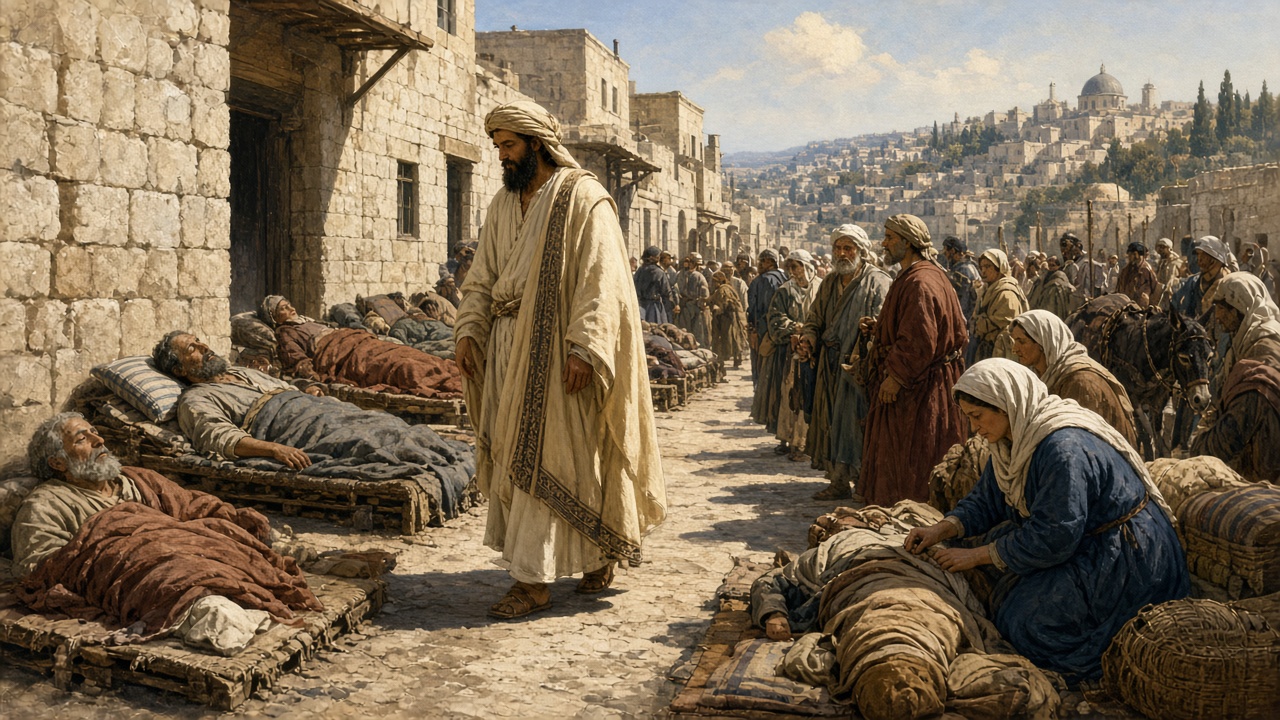
- The believers gathered with one accord in Solomon’s Colonnade, where the apostles performed many signs and wonders. That colonnade probably stood on the eastern side of the temple. It is not mentioned in connection with the first temple, though Josephus refers to a porch of that name in Herod’s temple.Sources: Solomon's Portico · the Bible text itself
- When the high priest and his associates, who belonged to the party of the Sadducees, had the apostles arrested, a Pharisee named Gamaliel stood up in the Sanhedrin. He is described as a teacher of the law honored by all the people, the son of Rabbi Simeon and grandson of the famous Rabbi Hillel, and as an opponent of the Sadducees; he urged the council to leave the men alone. He pointed to Theudas, who had led an insurrection against Roman authority and, as Gamaliel told it, gathered about four hundred men before the rising came to nothing—beyond that, nothing else is known of Theudas—and to Judas the Galilean, who perished in the days of the census.Sources: Gamaliel · Theudas · the Bible text itself
Notes written with AI assistance from open sources (Theographic Bible Metadata, CC BY-SA 4.0; Easton’s Bible Dictionary, public domain) and reviewed before publishing.
Places in this chapter
- Solomon’s Portico · Today: in Jerusalem · 31.777, 35.234 · verse 12
- Jerusalem · 31.777, 35.234 · verses 16, 28
- Galilee · 32.760, 35.527 · verse 37
Only places identified with high confidence are shown (90% or more according to the scholarly sources compiled by OpenBible). Period map: DARE (Digital Atlas of the Roman Empire), CC BY 4.0; modern map: © OpenStreetMap contributors; places: OpenBible.info (CC BY 4.0).
Credits and license for this translation
القبطية البحيرية العهد الجديد
The New Testament in the Boharic (Northern) dialect of the Coptic language of Egypt
Public Domain
Language: ⲘⲉⲧⲢⲉⲙ̀ⲛⲭⲏⲙⲓ (Coptic)
Dialect: Bohairic
Translation by: Horner
Contributor: J. Warren Wells
Coptic: Bohairic NT Bohairica: The Bohairic New Testament in Standardized Form.
Bohairica 1.2 (2006.December.14)
This is an edition of the New Testament in the Bohairic dialect of the
Coptic language. It is based on the edition by Horner. However, like my
Sahidica edition, it has been standardized for easy comparison with
modern Editions of the Koine Greek in the following ways:
o Section and paragraph breaks correspond to the USB and NA texts.
o Punctuation has been aligned with the Sahidica text.
o The nomina sacra forms have been expanded.
Please note the punctuation is closest to that found in my New Testament
According to the Egyptian Greek Texts (NTAEG)
Bohairica is an ongoing work. Please report any errors to the editor,
J. Warren Wells, at www.sahidica.org .
2014-09-16
Source: http://ebible.org/copbhc/ · eBible.org