John 7
Chiga Tevaen'Jema Atesuja 1, Aisheve Caña'cho · Tap a verse to see its cross-references.
Jesús antiandeccu'qque in'jan'fambi
1Tsomba tse'i Jesúsja Galileani jacan. Nane Judea'su israendeccu tisema fi'ttiye in'jan'fasi Judeani jacañe in'jambi. 2Tsa'ma israendeccu tsao'cho'cconi can'jen'cho fiesta napijisi 3tise quinshingendeccu'qque su'fa:
—Shandajama va'ttinga. Tsa'ma Judeani jaja cuintsu tseni canjen'su quema shondosundeccu'qque que tson'choma atte'faye. 4¿Ma'caen tsu a'ija a'tutsse tsincoña poiyi'cconga tisu tson'choma attiañe in'jan'da? Ca'tsa que tsa'caen tsincon'da pa'o a'i a'ttatsse tsa'caen tsonjan.
5Ni tise quinshingendeccuyi'qque in'jan'fambi tise've.
6Tsonsi Jesúsja su:
—Toya tsu ña jaya'cho napimbi. Tsa'ma que'inejan maqui a'ta ja'ngae jaye tsu ñotssi. 7Aindeccuja que'ima chi'gaye osha'fambi. Tsa'ma ñajan tise'pa egae tsincon'choma afa'susi tsu ñamajan chi'ga'fa. 8Que'iyi jaja'faja fiestanga. Ñajan ja'ño fiestanga jaya'bi gi. Toya tsu ña jaya'cho napimbi.
9Tsa'caen supa toe Galileani shanda.
Jesús tsao'cho'cco fiestani ja'cho
10Tise quinshingendeccu ja'fasi Jesús'qque omboe fiestanga ja. Pa'onga atteyembe'yi a'tutsse jacan. 11Israendeccuja fiestanga tise've tta'ttapa su'fa:
—¿Mani tsu tsa a'ija can'jen?
12Aindeccuja tisene afaccopa majanjan su'fa: “Tsaja ño'a a'i tsu.” Tsa'ma cca'ija su'fa: “Me'i, ño'ambi tsu –aqquia a'ima afopoen'su tsu.”
13Tsa'ma majañi'qque pa'ñatsse tisene afa'fambi, israe nasundeccuma dyojopa.
14Tsonsi fiesta enttingeve pasajisi Jesúsja Chiga ettinga ca'nimba atesiañe ashaen. 15Israe nasundeccuja can'boemba su'fa:
—¿Ma'caen tsu va a'ija osha'choma atesucho, ingi Chiga Aya'fa escoeranga ca'nimbe'ta?
16Tsonsi Jesúsja su:
—Ña atesian'choja ñambembi tsu. Tsa'ma ñama moen'sumbe tsu. 17Majan Chiga in'jan'qquia'caen tsoñe in'jan'da ña Chigane atesian'choma tsu atesu'faya. Nane tisune atesian'choecan'da tsu tsama'qque atesu'faye'can. 18Majan tisuyi afa'chota patsuye in'jan'cho tsu. Tsa'ma majan tisema moen'sune ñotsse afaye in'jan'chota tsu afopoembe tansintsse afa'su.
19¿Ñoa'me ti Moisésja que'inga Chiga manda'chove conda? Tsa'ma que'ija majañi'qque pañamba tsa'caen tson'fambi. ¿Jongoesie qui ñama fi'ttiye in'jan'fa?
20A'ija su'fa:
—Cocoya ca'ni'cho qui. ¿Majan tsu quema fi'ttiye in'jan?
21Jesúsja tise'panga su:
—Sema'ma'qquia a'ta a'ima ccushaensi qui can'boen'fa. 22Tsa'ma Moisésja ttonoma chhiyitevaeña'chove conda –nane Moisésmbi– tsa'ma tayopi'su coenzandeccu me'ttia'ye tsa'caen conda'fa. Condasi que'ija sema'ma'qquia a'ta'qque du'shu ttonoma chhiyitevaen'fa. 23Nane sema'ma'qquia a'ta Moisés manda'choma pañamba du'shu ttonoma chhiyitevaeñe ñotssianjan ¿jongoesie qui ñama iyicca'ye'fa ña'qque sema'ma'qquia a'ta a'imbe ai'voma ccushaen'nija? 24Aqquia injanga camba ñama afase'fajama. Tsa'ma ñotsse camba atesupa tsu afa'faya'cho.
Jesús tise mane ji'choma conda'cho
25Majan Jerusaléndeccuja iñajampañacco'fa:
—¿Vambi ti fi'ttiye ttatta'je'fa'cho'ta? 26Nane va'tti pa'o a'i caña'jen'ni tise afa'jesi majañi'qque tisema se'pi'fambi. ¿Ñoa'me ti nasundeccuja va a'ija Cristo qquen in'jan'fa? 27Nane ingija atesu'fa gi mane va a'i ji'choma. Tsa'ma Cristo ji'nijan majañi'qque atesu'faya'bi tise mane ji'choma.
28Jesúsja Chiga ettini atesian'jemba a'i condase'je'choma pañamba quia'me afapa su:
—Que'ija ñama atesupa ña mane ji'chove'qque atesu'fa qquen qui in'jan'fa. Tsa'ma tisuyi'ta jimbi gi. Ñama moen'suta tsu ñoa'me tansintsse afa'su. Tsama qui atesu'fambi. 29Tsa'ma tise ñama moensi tsene jipa gi tisema atesucho.
30Jesús qquen susi indiye in'jan'fa. Tsa'ma majañi'qque indi'fambi, toya indiya'cho napimbisi. 31Nane tsain'bio a'i tise've in'jamba su'fa:
—¿Cristo ji'ta ti va a'ima ti'tsse'tsse canjaeña?
Fariseondeccu Jesúsma indiye manda'fa'cho
32Fariseondeccuja aindeccu Jesúsne condasecco'fa'choma paña'fa. Pañamba tsendeccuja Chigama afa'su nasundeccui'ccu Chiga etti'su sundarondeccuma manda'fa cuintsu Jesúsma indi'faye. 33Tsa'caen tsonsi Jesúsja su:
—Re'riccone gi que'i'ccuja can'jeña. Tsomba gi jaya ñama moen'suni. 34Que'ija ñama tta'tta'ma atte'faya'bi qui. Nane jaye osha'faya'bi qui ña can'jeñani.
35Tsonsi israendeccuja tisupapora iñajansepoencco'fa:
—¿Mani jasi gi atteye'ja osha'faya'bi ingija? ¿Cca'i israendeccu griengonga attufaccopa can'jeni ti jaya, griegondeccuma atesian'suve? 36¿Jongoesu qquen tsu suye in'jan tise qquen su'chota: “Que'ija ñama tta'tta'ma atte'faya'bi qui. Nane jiye osha'faya'bi qui ña can'jeñani.”?
Cansiaña'cho tsa'ccu sombo'cho
37Fiesta pasaya'cho a'ta tsu ñoa'me ti'tsse'tssia fiesta a'ta. Tsequi a'ta Jesúsja jangi ccutsupa quia'me afa:
—Majan tsaqquie'su'ta ñani jipa cu'ija. 38Nane Chiga Tevaen'jen suqquia'caen: “ñame in'jan'chondeccumbe injama'cho'ye na'en oshaqquia'caen cansiaña'cho tsa'ccu tsu sombo'jeya.”
39Jesúsja Chiga Qquendya'pane tsu tsa'caen afa jai'ngae tise've in'jan'chondeccu isuya'chone. Nane Jesús toya Chiga sefacconi ansundembisi Chiga Qquendya'paja toya a'ima injaen'jembi.
A'i Jesúsve fae'ngae in'jan'fambi
40Vama pañamba majan aindeccuja su'fa:
—Ñoa'me tsu va a'ija Chiga Aya'fama afa'su jiya'cho.
41Cca'ija su'fa:
—Vata tsu Cristo.
Tsa'ma cca'ija su'fa:
—¿Ma'caen tsu galilea'suja Cristo? 42Chiga Tevaen'jen'da tsu su Cristoja David dutssi'yeya. Tisemajan Belén, David canqquenga, isuya'cho.
43Qquen tsu a'i fae'ngae in'jan'fambi Jesúsve. 44Nane majandeccuja indipa angaye in'jan'ma majañi'qque indi'fambi.
Nasundeccu Jesúsve in'jan'fambi
45Chiga etti'su sundarondeccu toequi shandapa fariseondeccunga, Chigama afa'su nasundeccunga, jaja'fa. Tsonsi sundarondeccuma iñajampaña'fa:
—¿Minga'osi qui i'fambi?
46Sundarondeccuja su'fa:
—Minga'ni'qque tsu majañi'qque tsa a'i afaqquia'caen afa'fambi.
47Tsonsi fariseondeccuja su'fa:
—¿Que'i'qque ti qui tsa'caeñi afopoenge'fa? 48Ni fae'ccoyi'qque ingi nasundeccu ni fariseondeccu va a'iveja in'jan'fambi. 49Tsa'ma va Chiga manda'choma atesumbindeqquiaja Chiganga catiye'fa'chondeccu tsu.
50Tsonsi fa'e fariseo, tsa Nicodemo, Jesúsma cose can'ga'su, qquen su:
51—Ingi Chiga manda'cho suqquia'caen osha'fambi gi a'i injama'choma somboeñe tise su'choma pañambi'ta ni tise tson'choma atesumbi'ta.
52Tsonsi su'fa:
—¿Que'qque ti qui galilea'su? Chiga Tevaen'jema ñotsse canjan: Atteve'se qui Galileane Chiga Aya'fama afa'su ji'chove.
Pushesu egae tsinconsi Jesúsnga i'cho
53Tsomba tse'i poiyi'cco tise'pa tsaoni ja'fa.
Did you know?
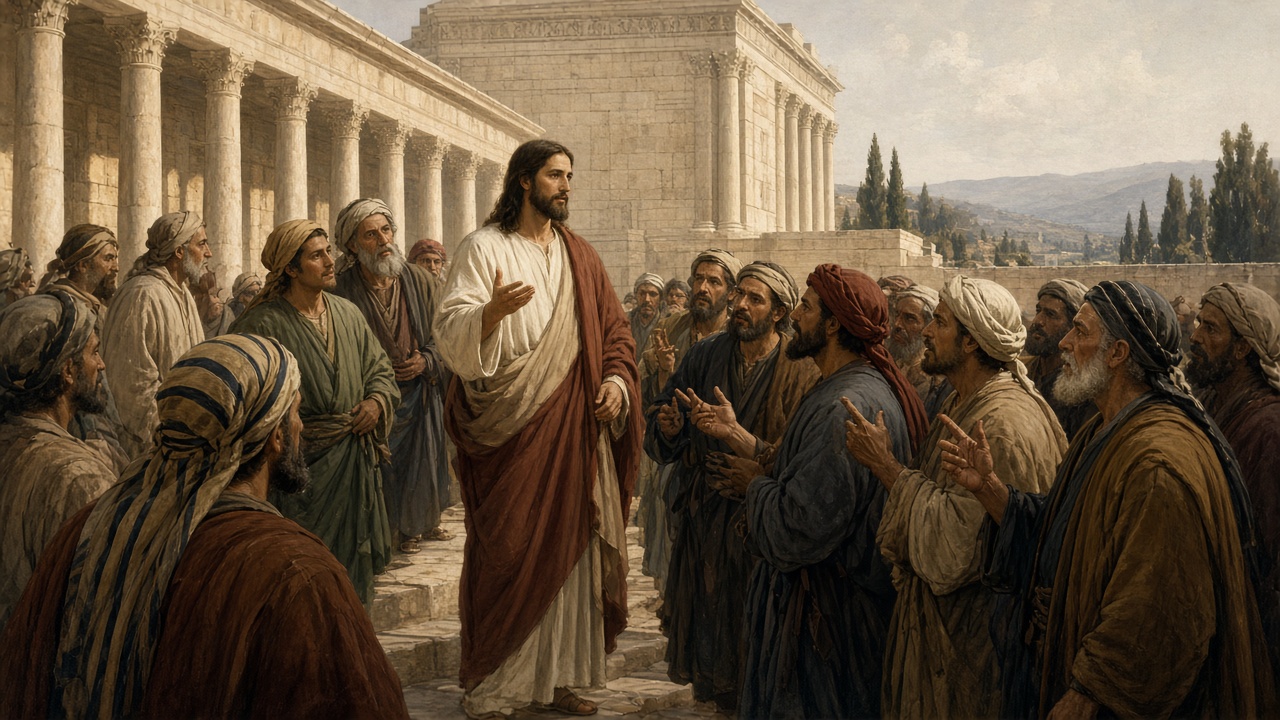
Jesus at the Feast of Tabernacles
- As the Jewish Feast of Tabernacles, a seven-day feast, drew near, Jesus stayed in Galilee and avoided Judea, where people were trying to kill him. In his time Judea was the southernmost of the three Roman divisions of Palestine, distinct from Galilee and Samaria; he later went up to the feast in secret and taught in the temple courts.Sources: the Bible text itself · Feast of Tabernacles · Judea
- The crowds were divided over where the Christ would come from. Some said that Scripture places him in David's line and in Bethlehem, the village where David, the eighth and youngest son of Jesse, lived; others objected that he could not come from Galilee, a region long called Galilee of the Gentiles, and the Pharisees insisted that no prophet comes from there.Sources: the Bible text itself · David · Galilee
- Nicodemus, a Pharisee and a member of the Sanhedrin, had earlier come to Jesus at night. When the officers sent to arrest Jesus returned without him, Nicodemus protested and asked whether their law condemned a man before hearing him and finding out what he had done.Sources: the Bible text itself · Nicodemus
Notes written with AI assistance from open sources (Theographic Bible Metadata, CC BY-SA 4.0; Easton’s Bible Dictionary, public domain) and reviewed before publishing.
Places in this chapter
- Galilee · 32.760, 35.527 · verses 1, 3, 9, 41, 52
- Judea · Today: Judea 1 · 31.777, 35.234 · verses 1, 3
- Jerusalem · 31.777, 35.234 · verse 25
- Bethlehem · 31.704, 35.208 · verse 42
Only places identified with high confidence are shown (90% or more according to the scholarly sources compiled by OpenBible). Period map: DARE (Digital Atlas of the Roman Empire), CC BY 4.0; modern map: © OpenStreetMap contributors; places: OpenBible.info (CC BY 4.0).
Credits and license for this translation
Chiga Tevaen'Jema Atesuja 1, Aisheve Caña'cho
New Testament and Genesis in Cofán (EC:con:Cofán)
copyright © 2012 Wycliffe Bible Translators, Inc.
Language: Cofán
Translation by: Wycliffe Bible Translators, Inc.
Cofán
con
Ecuador
Copyright Information
©Wycliffe Bible Translators, Inc. All rights reserved.
This translation text is made available to you under the
terms of the Creative Commons License: Attribution-Noncommercial-No Derivative Works.
( http://creativecommons.org/licenses/by-nc-nd/3.0/ )
In addition, you have permission to port the text to different file formats, as long as you
do not change any of the text or punctuation of the Bible.
You may share, copy, distribute, transmit, and extract portions
or quotations from this work, provided that you include the above copyright
information:
You must give Attribution to the work.
You do not sell this work for a profit.
You do not make any derivative works that change any of the actual words or punctuation of the Scriptures.
Permissions beyond the scope of this license may be
available if you contact
us with your request.
The New Testament
in Cofán
©Wycliffe Bible Translators, Inc. All rights reserved.
This translation is made available to you under the terms of the
Creative Commons Attribution-Noncommercial-No Derivatives license 4.0.
You may share and redistribute this Bible translation or extracts from it in any format, provided that:
You include the above copyright and source information.
You do not sell this work for a profit.
You do not change any of the words or punctuation of the Scriptures.
Pictures included with Scriptures and other documents on this site are licensed just for use with those Scriptures and documents.
For other uses, please contact the respective copyright owners.
2014-04-22
Source: http://ebible.org/conNTpo/ · eBible.org