Luke 7
Irineane tasorentsi oquenquetsatacotaqueri Avincatsarite Jesoquirishito · Tap a verse to see its cross-references.
Yoavisacotiri Jesoshi inampire capitano.
1Impoiji ipianaja Jesoshi anta Caperenaoqui. 2Itimi anta nampitsiqui aparo capitano. Oromasati ini, caari ini jorio. Ijoquiitaca inampire, irotaintsi incame. Inintasanotiri capitano inampire. 3Iquemacotaqueri Jesoshi, itasoncantaque, irosati itiancantacariri jivatacaajeitiriri joriopee:
—Pincamantaiteri Jesoshi impocanaqueta iroavisacotenari nonampire.
4Ari yareejeitapaacari, icantasanojeitapaaqueri:
—Pijatashiteri. Icameetsatasanoti yora capitanonta, oshequi inintajeitaquee arori. Yovetsicacantaqueenero pancotsi apatojeitantari. Cameetsa poavisacoteneri inampire.
6Ari yoijajeitanaqueri. Quempeji inapaaque, ineajeitavaqueri pashini ishanincapee capitano, itianquiri. Icamantapaaqueri:
—Jero oca icantaqueri noyapitanote: “Nopincatsatasanotaqueri Jesoshi, iro caari notonquiotantavacari. Notseencaja narosati, irootaque caari nocoanta impoque novancoquica. Niotaque incoaquerica iroavisacoteri nonampire, ari iravisacotaje. 8Timatsi cantanari paitarica nanteri, aisati timatsi soraro notiancapinitiri. Noncanteririca: ‘Pijate’, ari irijataque. Noncanteririca: ‘Pimpoque’, ari impocanaque. Aisati noquempetiri nonampire iriori, ariorica noncanteri: ‘Jero oca panteri’, ari irantaquero”.
9Iquemavaitiiri Jesoshi, yoanaque cavaco. Ari ipitsocashijeitacari oijajeitiriri, icantajeitiri:
—¿Piquemaquerompa oca icantiri oromasati? Oshequi ishiretaquena, te inquempejeiteariji ashanincapee arori.
10Ari impoiji ipiajeitanaja ishanincapee capitano. Ineapaaqueri inampire, avisacotaji.
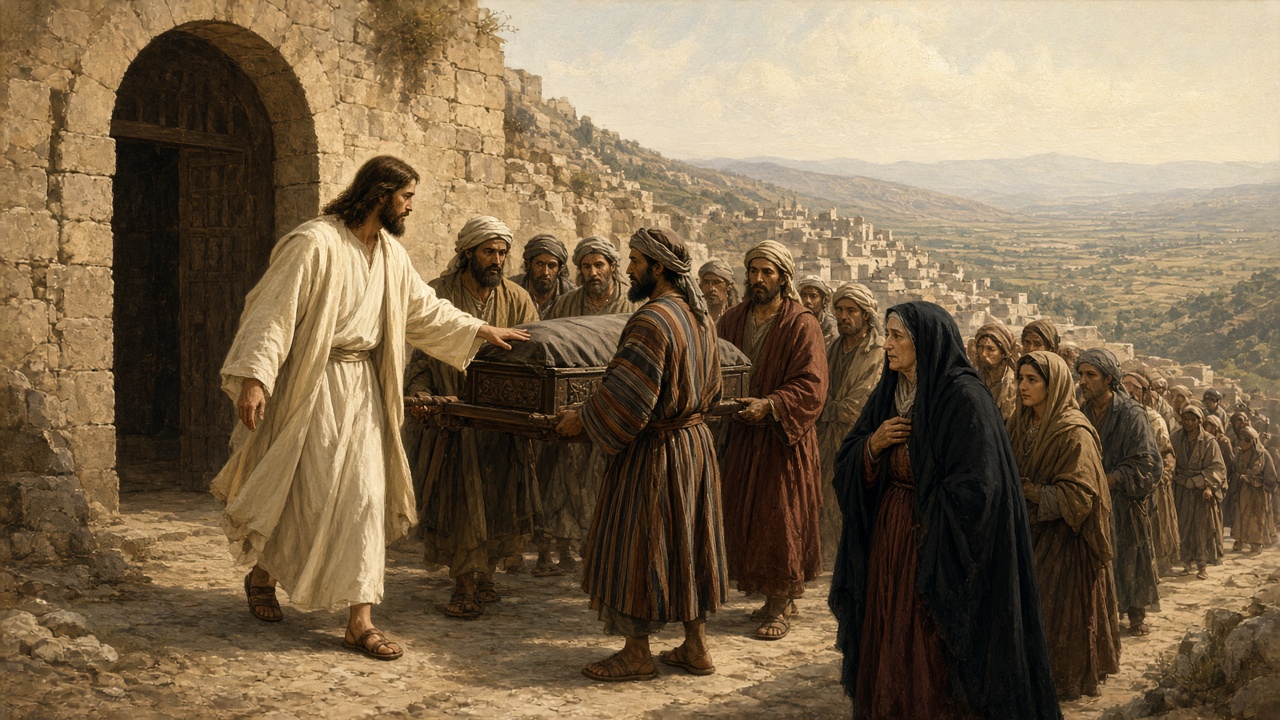
Yoitinaajiri Jesoshi camaintsiri anta Naiqui.
11Pashini quitaiteri ijatanaque Jesoshi anta Naiqui, icarajeitaqueri inampirepee aisati oshequi pashini oijajeitiriri. 12Iquempejijeitapaacaro nampitsi, ineavaitiiri icompitacotapaaqueri camatsiri, intijerime. Iro iriniro camaintsiri camajimentaaro, aisati te intimeji pashini otomi. Oijatacoventiri otomini, ocarajeitiri oshequi oshaninca. 13Ineantavacarori Avincatsarite, oshequi icavintsairo, icantaquero:
—Eiro piraacotiritsi pitomi.
14Ari ijatashitaquero cajo yoantacariri, ipamitaquero. Icatiacaapaacari compitacotiriri. Icantiri Jesoshi camaintsiri:
—Evancari, pintinaaje.
15Irosati itinaantanaja, isavicaji; ineanatanaji. Impoiji icantiro Jesoshi:
—Jerica pitomi, aneanaji.
16Yoajeitanaque cavaco catsini neajeitaqueriri, icantajeiti:
—Tempa icameetsati Tasorentsi. Itiancaqueeri oamejeiteerori irineane. Queario, itasoncaventaquee Tasorentsi, icavintsaajeitiri quemisantajeitiriri.
17Irosati iquemacojeitantacariri maaroni joreasati, aisati otsoteanaca neantsi pashinipeequi nampitsi.
Yora Joa Vaotisatantatsiri itianquiri iroamere Jesoshiqui.
18Ari iquemacotaqueri Jesoshi iroamerepee Joa, yora vaotisatantatsiri. Ijatashijeitaqueri, icamantapaaqueri yantayetaqueri Jesoshi. Yora Joa, icajemiri iroamere apite, 19itiancaqueri Avincatsaritequi, icantavaqueri:
—Pijajeite Jesoshiqui, pisampitapeeri: “¿Avirompa Quirishito namenaajeivetari? ¿Pashinimpa naamaajeitea?”
20Ari yareejeitapaacari, icantapaaqueri:
—Itiancaquena Joa, icantana: “Pisampitaiteri Jesoshi: ‘¿Avirompa Quirishito naamaajeivetari? ¿Pashinimpa naamaajeitea?’ ”
21Tecatsi incantea Jesoshi iranqueri, irointita yanti yoavisacoyetiri oshequi mantsiayetatsiri, aisati yoavisacoyetiri oshequi yatajeaoncayetiri camaari. Aisati yamenacaayetajiri oshequi caari amenayetatsi. 22Impoiji icantiri:
—Meeca pijajeitaje, pincamantapeeri Joa aitaquenea pineacojeitaquenari aisati piquemacojeitaquenari. Pincamantapaajeri amenanaji yora caari amenaveitachani, aniitanaji yora caari aniiveitachani, avisacojeitanaji patsaayeveitachaniri, iquemayetanaji yora caari quemaveitachani, itinaayetanaja camayevetainchari. Aisati nocamantajeitiri ashinoncaajeivetachari jaoca incanteari irijate inquitequi. 23Iquimoshireventajeitaquena maaroni quemisantasanotanari.
Icanti Jesoshi: “Icameetsatasanotaque Joa”.
24Ari ipiajeitanaja itiancane Joa, impoiji iquenquetsatacaajeitiri Jesoshi apatotimentariri. Iquenquetsatacotiri Joa, icantiri:
—¿Paita pijatashijeitantariri Joa anta caaraiteriqui? ¿Pijitimpa itsataashita Joa, iquenquetsatashita? Te inquenquetsatashiteaji. ¿Pijivetarimpa icomitapinita, te irioteji paitarica iquenqueshiretiri? Tempa ioti. 25¿Paita pijatashitasanotantariri? ¿Irompa pijijeitaqueri ashitaarantincari ini, quitsaatarori cameetsamaori? Caari ini. Pamene, yora quitsaatarori cameetsamaori ishanincatacari pincatsari, aisati iquempetaca: iveshireimentaro irovaararo timatsiri ivancoqui pincatsari. Te inquempeteariji irinti Joa. 26Jentsite, pincamantena: ¿paita pijatashitiri? ¿Irimpa pijitiri quenquetsatirori irineane Tasorentsi pijatashitantariri? Tempa queario, iquenquetsatiro, iro cantaincha yanaacojeitiri itsipapee quenquetsatacantantatsiri. 27Tempa piojeitiro sanquenarentsi cantatsiri: “Notiomi, nontianqueri jivatempineri, inquenquetsatacotempi. Incamantajeiteri atiri incameetsashirejeitanaque, inquemisantajeitempi”. Queario, oca sanquenarentsi oquenquetsatacotiri Joa Vaotisatantatsiri. 28Yanaacojeitaqueri maaroni itsipapee quenquetsatacantantatsiri: imataquero maaroni icoacaaqueriri Tasorentsi, irootaque ineacameetsatantariri. Iro cantaincha ineacameetsatasanotiri catsini Tasorentsi maaroni ipincatsariventasanojeitiri.
Yora saserotepee itseencajeitiri Joa, aisati Jesoshi.
29Ari iquemajeitaqueri oshequi atiri icantaqueriri Jesoshi. Iquemantacariri, icantajeiti:
—Queario, icameetsataque Tasorentsi.
Aisati icarajeitaqueri quemajeitaqueriri yora ivaotisayetiri Joa, aisati apatoyetiniriri oromasati quirequi. 30Irintiquea yora variseo aisati yora oametantirori sanquenarentsi te irinintajeiteji iranteneri Tasorentsi icoacaavetariri, aisati te irijatashiteriji Joa irivaotisateri. Te iriveshireimentearo irinti icantiri Jesoshi. 31Icanti Jesoshi aisati:
—¿Paitaquea? ¿Jaoca icantari yocapee? ¿Paitaniquea caari iquemisantantana yoca? Te inquenqueshiretimateaji. ¿Paita noshiacanteri? 32Irio noshiacanteri jananequi, isavicajeiti nampitsiqui nianqui, icanti aparo: “Apaniro nosoncavetaca, iro cantaincha te poijatacotenaji, te pimaninqueteji. Noashiretacovetari camaintsiniri, iro cantaincha te poashireteaji avirori”. 33Pamene, yora Joa ititapinita, te iririmateroji cachojari, jero picantajeiti: “Irio camaari pincacairiri, caari yoasanotanta, aisati caari irantaro cachojari”. 34Iro cantaincha noponeaca nainti inquitequi, natiritapaaque: noapinita aisati nirapiniti. Aiquero picantajeiti: “Jerinta oashenti, shinquinarinti. Ishanincatacari apatotapinitiniriri oromasati quirequi, icarajeitapinitiri caari cameetsajeitatsi”. 35Ontimimotaquempiricame piotantari, piotaqueme te ontampaticateji picantajeitiri.
Yoavisacotiro Jesoshi tsinane antapinivetarori caari cameetsatatsi.
36Ari aparoni variseo icantiri Jesoshi:
—Caate novancoqui, avajeitea.
Yacanaqueri:
—Jaa, ari.
Ari ijajeitanaque, yoajeitaca. 37Otimi anta nampitsiqui tsinane antapinivetarori caari cameetsatatsi. Oquemacotaqueri Jesoshi, yoa anta ivancoquinta variseo, ojatashitiri oneeri. Aacotanaqueneri casancajari. Iro aacotantanacanariri mapi quitamarori imoqueetiri. 38Ocatiapaaca itapiiqui Jesoshi, quempeji. Iraasanotapaaca, ovitejantacari ojaqui iitiqui, iro oshetantajanariri oishi. Impoiji onintiri iitiqui, aisati osaitantacari iitiqui casancajari. 39Ineantavacarori yora variseo, iquenqueshiretanaca: “Iriome itiancane Tasorentsi, iriotavaquerome oca tsinane. Oshequi antapinitiro caari cameetsatatsi, eirome ishinetarome antiterime iiti”. Ipajita variseo Shimo. 40Iotaqueri Jesoshi iquenqueshiretiri, icantiri:
—Shimo, timatsi noncamantempiri.
Yacanaqueri:
—¿Paita pincamantenari oametanari?
41—Noshiacantempiro. Itimi shirampari irevitiriri 5,000 soles, itimi pashini irevitiriri 500 soles. 42Iro cantaincha te irimateroji yora apitetatsiri iroimpiajeneri iirequite, irootaque icantantariri: “Aitanaji, eiro pipinatanatsi. Nopashitimpiri”. Tempa icavintsairi apite. Aparo irevivetacari capichaji, irinti itsipa irevitasanovetacari. Pincamantena: ¿janica neacameetsatasanoterineri?
43Yacanaqueri:
—Naamaaca yora irevitasanovetariri, tempa iriotaque icavintsaasanotiri catsini.
Icantiri:
—Queario picantaque.
44Impoiji yamenaquero Jesoshi tsinane, icantiri Shimo:
—Pamene, incaranqui noqueapaaque aca pivancoquica, iro cantaincha te paacameetsatavaquenaji: te pimpavaquenaji nija nonquivantapeemparomeri noiti. Pineaquero irointi oca tsinaneca. Oquivantapaaquenaro ojaqui noiti, aisati oshetantaquenaro oishi. 45Te pinintavorotenaji, irointi oca, onintapinitaquero noiti. 46Te pisaitantenaro noitoqui quejitsi, irointi oca, osaitantaquenaro noiti casancajari. 47Pamene, ainiro antayevetari oshequi, iro cantaincha nocavintsaaquero, eiro noquenqueshireacotajirotsi antayetiri: tempa oshequi onintasanotaquena. Ariorica noncavintsayeri antayevetarori capichaji, capichaji irinintavaquena iriori.
48(v 48, 50) Ari icantiro tsinane:
—Ainiro onaveta pantayevetari, iro cantaincha eiro noquishimentimpirotsi, eiro noquenqueshireacotimpirotsi aisati. Pishiretaquena, irootaque pavisacotantajari. Cameetsaya pijataje, piveshireasanotanaquea.
49Ainiro inaveta oacojeitacariri, isampinatavacaaca:
—¿Paitampa ijita yoca, icavintsantarori antirori caari cameetsatatsi? 50(-)
Did you know?
Faith, compassion, and a prophet's question
- Easton's Bible Dictionary (1897) describes Capernaum as a Galilean town not mentioned in the Old Testament, which became the city Jesus treated as his own after he was expelled from Nazareth and the scene of many episodes in his life. In this chapter he arrives there to find a centurion's highly valued servant near death, and Jewish elders plead that the officer loves their nation and has built their synagogue.Sources: Capernaum · the Bible text itself
- Easton's Bible Dictionary (1897) links the name Nain to a Hebrew word meaning green pastures or lovely, and identifies the town with the village of Nein on the northwestern slope of Jebel ed-Duhy, also called the hill Moreh or Little Hermon, about four miles from Tabor and twenty-five miles southwest of Capernaum, above the plain of Esdraelon. At the town gate Jesus met the funeral of a widow's only son, and awe spread through the crowd.Sources: Nain · the Bible text itself
- John the Baptist is described as the forerunner of the Lord and as a man of priestly descent: his father Zacharias was a priest of the course of Abia, and his mother Elisabeth was one of the daughters of Aaron. His mission is described as the subject of prophecy, and in this chapter Jesus tells the crowds that John is more than a prophet, the messenger sent ahead to prepare the way, while John's disciples ask whether Jesus is the one who was to come.Sources: John the Baptist · the Bible text itself
Notes written with AI assistance from open sources (Theographic Bible Metadata, CC BY-SA 4.0; Easton’s Bible Dictionary, public domain) and reviewed before publishing.
Places in this chapter
Only places identified with high confidence are shown (90% or more according to the scholarly sources compiled by OpenBible). Period map: DARE (Digital Atlas of the Roman Empire), CC BY 4.0; modern map: © OpenStreetMap contributors; places: OpenBible.info (CC BY 4.0).
Credits and license for this translation
Irineane tasorentsi oquenquetsatacotaqueri Avincatsarite Jesoquirishito
New Testament in Asháninka (PE:cni:Asháninka)
copyright © 2008 Wycliffe Bible Translators, Inc.
Language: Asháninka
Translation by: Wycliffe Bible Translators, Inc.
Asháninka [cni], Peru
Copyright Information
© 2008, Wycliffe Bible Translators, Inc. All rights reserved.
This translation text is made available to you under the
terms of the Creative Commons License: Attribution-Noncommercial-No Derivative Works.
( http://creativecommons.org/licenses/by-nc-nd/3.0/ )
In addition, you have permission to port the text to different file formats, as long as you
do not change any of the text or punctuation of the Bible.
You may share, copy, distribute, transmit, and extract portions
or quotations from this work, provided that you include the above copyright
information:
You must give Attribution to the work.
You do not sell this work for a profit.
You do not make any derivative works that change any of the actual words or punctuation of the Scriptures.
Permissions beyond the scope of this license may be
available if you contact
us with your request.
The New Testament
in Asháninka
© 2008, Wycliffe Bible Translators, Inc. All rights reserved.
This translation is made available to you under the terms of the
Creative Commons Attribution-Noncommercial-No Derivatives license 4.0.
You may share and redistribute this Bible translation or extracts from it in any format, provided that:
You include the above copyright and source information.
You do not sell this work for a profit.
You do not change any of the words or punctuation of the Scriptures.
Pictures included with Scriptures and other documents on this site are licensed just for use with those Scriptures and documents.
For other uses, please contact the respective copyright owners.
2014-04-21
Source: http://ebible.org/cniNT/ · eBible.org