Hebrews 2
Irineane tasorentsi oquenquetsatacotaqueri Avincatsarite Jesoquirishito · Tap a verse to see its cross-references.
Ocameetsati anquemisantasanojeiteri Itomi Tasorentsi.
1Icoacaasanojeitaquee Tasorentsi anquenqueshiretasanotero maaroni icantajeitaqueeri Itomi: tempa oqueariotasanotaque, te oncameetsateji ampeacotearo icantaqueeri. 2Tempa oqueariotasanotaque maaroni icantajeitiriri inampirepee, aisati yoasanquetaajeitaqueri Tasorentsi maaroni caari quemisantajeitavaqueri: ineacarove. 3Meeca oshequi ipomerentsiventajeitaquee Itomi yoavisacojeitantajeeri. Ariorica antseencajeiteri, ¿pijitimpa eiro yoasanquetaajeiteetsi iriri? Ijivataque Avincatsarite iriori yoamejeitaqueri iroamerepee jaoca ancantajeiteari avavisacotantajeitajeari; impoijiquea yovaajeitaqueero arori yora quemajeitaqueriri. 4Janicarica icoacaapiniyetiri Tasorentsi itasoncantayeti, imatacaaqueri; aisati omatacaajeitiri Ishire paitapeerica, caari amati arori. Ari aneajeitaqueri, ayojeitantacari queariotaque icantiri Tasorentsi.
Coajica impincatsajeiteri maaroni atiri Jesoshi.
5Ari meeca nonquenquetsatacotero pashini quipatsi onta inquitequiniri: ora asavicajeitantapaajeari coajica. Eiro anta ipincatsariventajeitajeetsi inampirepee Tasorentsi, 6eiro catsini. Tempa peerani icantirini Iravirini Tasorentsi: “Te nonquempetempiji avinti, te nontasorentsiteji narori. ¿Paita piquenqueshiretantanari? Tecatsi pinquenqueshireimentenari. Aisati, ¿janicampa yora poneachaneri inquitequi, yora atiritapaatsineri? ¿Paita pineacameetsatantariri iriori? 7Ariorica impocapaaque quipatsiqui, eiro imoncaratapaajaritsi pinampire ipincatsariti. Iro cantaincha eiro osamanitasanotitsi iranaacotajeri aisati, impincatsaritasanotaje. Pisavicacaajeri cameetsa, pimpeajeri pincatsarisanori. 8Pincanteri: ‘Pincantacantajeitero maaroni. Ari impincatsajeitempi maaroni timajeitajantsineri’ ”. Irootaque isanquenatiniri Iravirini. Pineaquero, icantiri: “Pincantacantajeitajero maaroni, impincatsajeitempi maaroni timajeitajantsineri”. Tequera omoncarateaji maaroni, iro cantaincha 9ayojeitaque peerani iponeanaca Jesoshi inquitequi, ipocaque quipatsiqui. Te impincatsaritasanotapeeji, te irimoncaratapaajeariji inampire Tasorentsi ipincatsariti. Oshequi yoashinonqueevetacari, icamimentajeitaquee, irootaque caari ajajeitantea Sharincaveniqui. Irio tiancaqueriri Tasorentsi ayojeitantacari oshequi ineshinoncajeitaquee. Meeca cameetsa isavicapaaji inquitequi, ipincatsaritasanotapaaji aisati.
Icamantaquee paita icamantacari Jesoshi.
10Ari yovetsicajeitaquee maaroni, irootaque meeca ampincatsajeitanteariri maaroni; tempa itasoncaquee atimajeitantacari meeca. Oshequi iquematsicatimentajeitaquee, irootaque ocameetsatantari ampincatsajeiteri, avavisacojeitantajeari; tempa aitaque icoaque intomintajeitajee Tasorentsi maaroni, icoaque iraajeitajee inquitequi. 11Ari yoameetsajeitaquee Jesoshi, meeca acantajeitiri Iriri iriori: “Apa”. Irootaque caari ipashiventacantee Jesoshi icantajeitee: “Iye”, aisati: “Tsio”. 12Tempa ocanti Sanquenarentsi: “Icantiri Quirishito Iriri: ‘Noncamantajeiteri iyepee aisati tsiopee jaoca picanta; noncarajeiteri nompampoyaventajeitempi’ ”. 13Ocanti pashini Sanquenarentsi: “Noncarajeiteri iyepee aisati tsiopee nonquemisantajeiteri Tasorentsi”. Iro pashini ocanti: “Apa, pineaquena aca, nocarajeitiri aisati pitomipee, aisati pishintopee. Irootaque pitimacantacariri noshanincajeitajeari”. 14Arojeitaque atiri itomipee Tasorentsi, irishintopee; caamaneri anajeitaque. Ari iquempejeitapaaquee Jesoshi, icamimentajeitapaaquee. Intsoncajeiteri camaari, coavetachari iroajeiteeme aisati iraajeitanaqueeme Sharincaveniqui. 15Peerani atsaroacaajeiveitaroni ancamajeiteme, acantatiani; meeca te antsaroajeitanajeji, irointi aveshireajeitanaja. 16Te irio irintacotapeempa Jesoshi inampirepee Tasorentsi, aintiquea intacojeitapaaca aroripee: maaroni joriopee. 17Ari yatiritapaaque, irirentijeitapaaquee; iquempejeitapaaquee arori, irootaque iotantacari ineshinoncajeitaquee aisati icantaqueri Tasorentsi irineshinoncajeitee iriori. Aisati imajeitaquero maaroni icoacaajeitaqueriri Tasorentsi, icamaque yoameetsajeitantacariri maaroni antirori caari cameetsatatsi, meeca yaacameetsajeitaquee Tasorentsi. 18Oshequi iquematsicatacaro iriori; aisati ineantavetacari camaari, irantacayerime caari cameetsatatsi. Meeca aroripee, ariorica anquematsicayetearo paitapeerica, aisati ariorica irineantavetaquee camaari, ioti irinti Jesoshi aitaque ocantari. Irootaque iotantacarori intacojeitaquee.
Did you know?
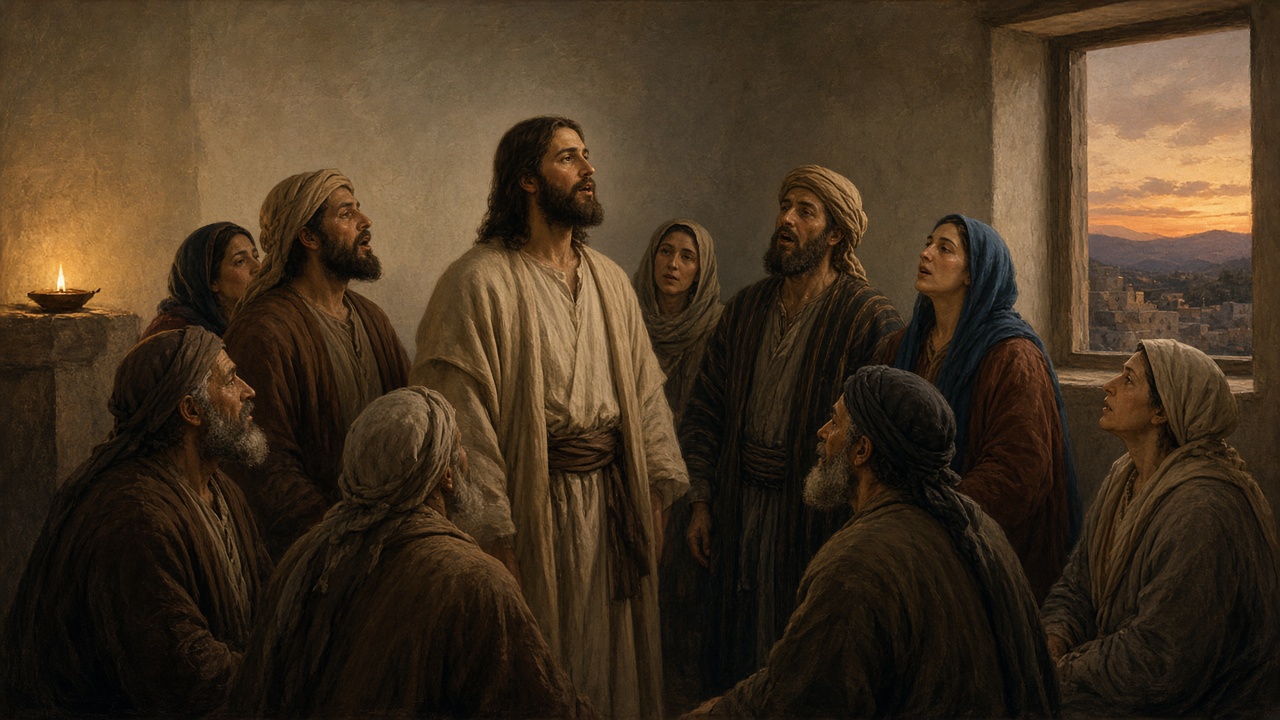
Sharing humanity, crowned through suffering
- Hebrews 2 recalls that the message spoken by angels was binding, and that every transgression and disobedience received its just punishment, then asks how anyone can escape who neglects so great a salvation. That salvation was first announced by the Lord, confirmed to us by those who heard him, and affirmed by God through signs, wonders, various miracles, and gifts of the Holy Spirit distributed according to his will.Sources: the Bible text itself
- The chapter quotes a testimony that man was made a little lower than the angels, crowned with glory and honor, with everything placed under his feet. When God subjected all things to him, he left nothing outside his control, yet at present we do not see everything subject to him. Jesus, made a little lower than the angels, is now crowned with glory and honor because he suffered death, so that by the grace of God he might taste death for everyone.Sources: the Bible text itself
- Hebrews 2 says Jesus helps not angels but the descendants of Abraham, and that he had to be made like his brothers in every way so that he might become a merciful and faithful high priest in service to God, to make atonement for the sins of the people. Abraham, son of Terah, is called father of a multitude and described as the heir of the promises.Sources: the Bible text itself · Abraham
Notes written with AI assistance from open sources (Theographic Bible Metadata, CC BY-SA 4.0; Easton’s Bible Dictionary, public domain) and reviewed before publishing.
Credits and license for this translation
Irineane tasorentsi oquenquetsatacotaqueri Avincatsarite Jesoquirishito
New Testament in Asháninka (PE:cni:Asháninka)
copyright © 2008 Wycliffe Bible Translators, Inc.
Language: Asháninka
Translation by: Wycliffe Bible Translators, Inc.
Asháninka [cni], Peru
Copyright Information
© 2008, Wycliffe Bible Translators, Inc. All rights reserved.
This translation text is made available to you under the
terms of the Creative Commons License: Attribution-Noncommercial-No Derivative Works.
( http://creativecommons.org/licenses/by-nc-nd/3.0/ )
In addition, you have permission to port the text to different file formats, as long as you
do not change any of the text or punctuation of the Bible.
You may share, copy, distribute, transmit, and extract portions
or quotations from this work, provided that you include the above copyright
information:
You must give Attribution to the work.
You do not sell this work for a profit.
You do not make any derivative works that change any of the actual words or punctuation of the Scriptures.
Permissions beyond the scope of this license may be
available if you contact
us with your request.
The New Testament
in Asháninka
© 2008, Wycliffe Bible Translators, Inc. All rights reserved.
This translation is made available to you under the terms of the
Creative Commons Attribution-Noncommercial-No Derivatives license 4.0.
You may share and redistribute this Bible translation or extracts from it in any format, provided that:
You include the above copyright and source information.
You do not sell this work for a profit.
You do not change any of the words or punctuation of the Scriptures.
Pictures included with Scriptures and other documents on this site are licensed just for use with those Scriptures and documents.
For other uses, please contact the respective copyright owners.
2014-04-21
Source: http://ebible.org/cniNT/ · eBible.org