Acts 5
Irineane tasorentsi oquenquetsatacotaqueri Avincatsarite Jesoquirishito · Tap a verse to see its cross-references.
1Iro cantaincha itimi pashini shirampari pajitachari Ananiashi, iro ijina Sajira. Ipimantiro iipatsite, 2yaarantavaji ovinaro nianqui. Irointi cashetani aisati yaanaque, ipapaaqueri iroamereni Jesoshi. Icantapairi:
—Jeri yoca quirequi, iriotaque maaroni ovinaro noipatsiteni nopimantaqueri.
Iotaque aisati ijina iroori iramataviterime. 3Iro cantaincha icantavaqueri Petero:
—Ananiashi, tempa paarantavaji ovinaro piipatsite. Yoametaquempi Satanashi, picoantavetacari pamataviterome Ishire Tasorentsi. 4Tempa iro piipatsiteni onaveitani, tempa iriotaque pashi ovinaro. Ocameetsati pinquempoyeri ovinaro. ¿Paita picantanirotantari: “Jeri yoca maaroni ovinaro noipatsiteni”? Pamatavivetaquena narori, iro cantaincha tecatsi pincanteri pamataviteri irinti Tasorentsi.
5Iquemantavacariri Ananiashi, irosati itaantanaca, poron. Icamanaque, toren. Itsaroasanojeitanaque catsini maaroni neajeitaqueriri. 6Impoiji yovetsicajeitaqueri evancaripee intijeri; yaanaqueri, itijiri. 7Osamanitapainti capichaji, ari oqueapaaque ijinani iroori. Te ioteji camaque ojimeni. 8Icantavaquero Petero:
—¿Pipaquenarimpa maaroni quirequi, ora ovinaro piipatsiteni pipimantaqueri?
Ari acanaqueri:
—Je, nopaquempiri maaroni.
9Irosati icantantacaro iroori:
—¿Paita piquempetantariri pijimeni, pamataviterome Ishire Avincatsarite? Jeritapaaji tijaitiriri pijimeni: irisati aanaquempine avirori.
10Irosati oteimotantanacari, ocamanaque. Iqueapaaji yora evancari, ineapaaquero, camaque. Ari yaanaquero, itijaitiro iroori, itsipatajantiro ojimeni. 11Ari itsaroajeitanaque maaroni yora quemisantajeitatsiri, aisati itsaroajeitanaque maaroni quemacojeitaqueriri.
Yora oametavacainchari, iquishimatiri iroamereni Jesoshi.
12Oshequi itasoncaventanti yora iroamereni Jesoshi. Oshequi imayetaqueneri atiri, irosati yoantajeitanacari cavaco. Ari yapatojeitaca anta pancotsiqui yovetsicacantiniri Saromoni. 13Oshequi ipincatsajeitaqueri atiripee, irootaque itsaroacantajeitacariri intsipajeitajearime. Iro cantaincha icantajeiti atiripee:
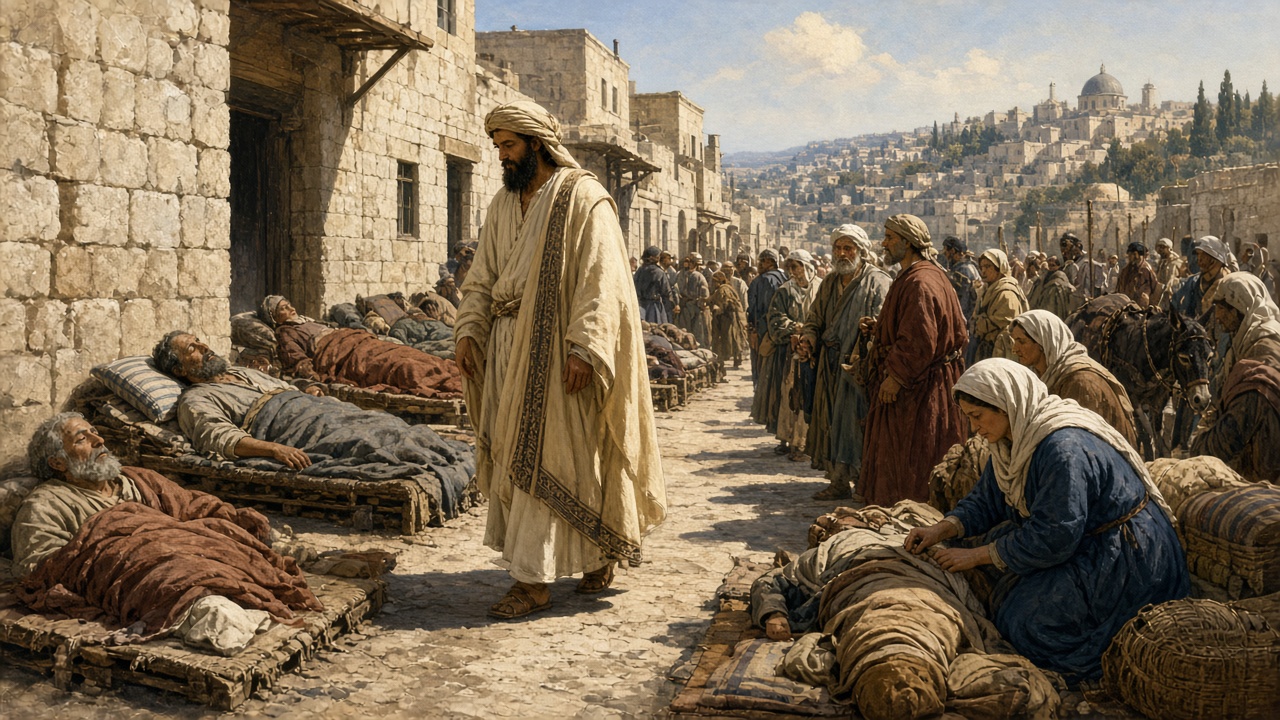
—Icameetsatasanojeiti quemisantajeitiriri Jesoshi.
14Aiquero ijatatii yoshequiasanotanaque quemisantiriri Avincatsarite. Oshequi icarajeiti shirampari, jero tsinane. 15Yoapiniyetaqueri atiri mantsiaripee anta avotsiqui: yoiponaayetiri shitashintsiqui, oncanteata ariorica iravisanaque Petero, intsimancayetanaqueri iravisacotantajeari. 16Aisati yapatotashitaca oshequi atiri, poneayetachari nampitsipeequi anta otsapiyetapaa Jerosare. Yamayetaqueneri mantsiaripee, jeri aisati neiriri camaari. Yoavisacojeitajiri maaroni.
17Ari ocantimoneentanacari ivincatsarite saserote, jeri itsipapee: iriojeitaque saroseotatsiri. 18Ari yaacantaqueri yora iroamereni Jesoshi, yoiminqueacantavetacari caravosoqui. 19Iro cantaincha yananincaque inampire Avincatsarite, yashitareapaajiniri ashitacorontsi, yaanajiri saiteriqui. Icantiri:
20—Pijataje anta ivancoqui Tasorentsi, pincatiapaaje. Pincamantasanojeiteri atiri jaoca incantajeari intimantajeari inquitequi, incantaitatiyempani.
21Yacanaqueri:
—Je, ari noncamantajeitaqueri.
Ari iroaquera oquitaitetamani ijatanaque ivancoqui Tasorentsi, yoametantapaaji.
Jeri ivincatsarite saserote, itsipajeitacari ishanincapee anta pashiniqui pancotsi. Yapatojeitiri oametavacainchari: yora ivincatsaritepee jorio. Ari icantiri variria:
—Pijajeite anta poiminqueaquerinta oshaiteji quemisantiriri Jesoshi, pamajeitenari.
22Ari ijatashivetari, te irineapaajeriji. Irosati ipiantaja, icantapaaqueri:
23—Te aneajeriji. Noneapaaquero pancotsi, ashitasanovetaca ashitacorontsi, oyavivetaca. Ainiro icatiavetaca shentavetarori omoropee. Iro cantaincha nashitareavetapaacaro omoro, noquea vetapaaca; tecatsi noneapaaje tsompoina.
24Iquemantavacariri, icantavacaanaca:
—¿Jaocaquea meeca iquenanajiri?
—Jaocateemi.
—¿Jaocaqueame ancanteriri?
25Irosati yareetantapaacari aparo camantapaaqueriri, icantapairi:
—Yora shirampari poiminqueacantavetacari, catiajeitapaaja anta ivancoqui Tasorentsi. Yoamejeitapaajiri atiri.
26Irosati ijatashitantajariri capitano, yaajeitanaqueri variriapee, iro cantaincha itsaroacaacari ashanincapee; icanti:
—Iquisacoventaricari atiripee quemisantatsiri, ipitseecari.
Irootaque cameetsa yaantanacariri, te inquisanatanaqueriji. 27Ari yaanaqueri, yoatiapaaqueri anta itiminta oametavacainchari. Icantavaqueri ivincatsarite saserote:
28—¿Paita piquenquetsatacantajariri aisati atiri? Tempa nocantasanovetimpi: “Eiro picamantacotajiritsi Jesoshi”. Meeca aiquero poamejeitatiiri maaroni jerosaresati. Jero oca picantacotaquena: “Irio saserotepee oacantaqueriri Jesoshi”. Te oncameetsateji picantajeitaqueri. Pimajerejeite, eiro picamantantajitsi aisati.
29Yacanaqueri Petero:
—Eiro noquemisantiritsi atiri, irintiquea nonquemisantasanoteri Tasorentsi. 30Queario avirojeitaque oacantaqueriri Jesoshi. Pipajacotacantaqueri coroshiqui. Irinti oitinaajiriri Tasorentsi, yora iquemisantiniri ashanincani peerani. 31Yoancajiri anta iracosanoriqui. Ipeajiri Jivatacaajeitaqueeri, aisati Oavisacojeitaqueeri. Icoacaajeitaqueri ajorioririnte inquenqueshirejeitanaquea, impoiji incavintsaajeiteri, eiro iquenqueshiretajirotsi aisati caari cameetsatatsi yantajeitaqueri. 32Aitaque noneasanotaquero yantayetaqueri Jesoshi, aisati niotaque quiso oajeitiri Ishire Tasorentsi maaroni quemisantajeitiriri. Irootaque noquenquetsatacaapinitiriri atiri. Tecatsi noncantea nomajerete.
Impoiji icantajeiti itsipapee iroamereni Jesoshi:
—Queario oca icantiri Petero.
33Ari iquemantajeitavacariri, iquisajeitanaqueri, icoajeivetanaca iroyerime. 34Ari icatianaca ishaninca pajitachari Camariyeri. Variseo ini, irisati oametantirori sanquenarentsi. Maaroni ineacameetsajeitiri atiri. Icanti:
—Noshaninca, nocoaque irisoquijajeitanaque quemisantiriri Jesoshi, eiro iquemantaro noncantempiri. Impoijiquea impiaje aisati.
Ari itiancajeitaqueri saiteriqui.
35Impoiji icantiri:
—Noshaninca. Quearioya, pantiricari quemisantiriri Jesoshi. 36Jeri itimaveitani peerani yora Teorashi, oshequi ishemetaqueni. Ari yapatotashivetacari oshequi iratiritepee, naamaaca icarajeiti 400. Yoyeetaqueri, impoiji inijantareavacaajeitanaca oijajeivetariri. Ipeashijeitanaca, tecatsi anquemacotajeri aisati. 37Impoitiri aisati Jorashi, yora carireasati. Anta isanquenatacojeitanta, aisati ijivatanaqueri aparopee atiri. Aisati iriori, yoyeetaqueri. Yovaraanaca oijajeivetariri, tecatsi aisati anquemacotajeri. 38Ari meeca noncamantempi, eiro pineashirenquiritsi yocapee, incanteata. Iriorica tianquiriri atiri iquenquetsati, tempa aisati impeajeitanajea iriori. 39Iriorica tianquiriri Tasorentsi, tecatsi pincanteri poimajerenteri. Piquishimatiricari Tasorentsi.
40Ari onimojeitanaqueri iriori. Icajemajiri aisati, ipasanatacaantaqueri. Impoiji icantasanovetari:
—Eiro aisati piquenquetsatacotajiritsi Jesoshi.
Irosati itiancantajariri. 41Ari ijajeitanaque, Iquimoshirejeitanaque, icantajeiti:
—Ineacameetsajeitee Jesoshi, irootaque ishinetantaqueeri aneacatsitimentajeitacari.
42Maaroni quitaiteri yoametantapiniti anta ivancoqui Tasorentsi, aisati pancotsipeequi. Icantani: yoametantapiniti, icamantantapiniti. Icantapinitiri ishaninca:
—Iriotaque Jesoshi yora Quirishitotatsiri aamaajeitaniri peerani.
Did you know?
Deceit, wonders, and the Sanhedrin
- Ananias, a member of the Jerusalem church, and his wife Sapphira, whose name means beautiful, sold a piece of land and, with her knowledge, kept back part of the price while bringing the rest to the apostles. He could have kept the property; Peter reminded him that it remained at his disposal both before and after the sale. The wrong was the lie: he professed to give it all, Sapphira confirmed the false price, and both died, she sharing his guilt and his punishment.Sources: Ananias (Husband of Sapphira) · Sapphira · the Bible text itself
- The believers gathered with one accord in Solomon’s Colonnade, where the apostles performed many signs and wonders. That colonnade probably stood on the eastern side of the temple. It is not mentioned in connection with the first temple, though Josephus refers to a porch of that name in Herod’s temple.Sources: Solomon's Portico · the Bible text itself
- When the high priest and his associates, who belonged to the party of the Sadducees, had the apostles arrested, a Pharisee named Gamaliel stood up in the Sanhedrin. He is described as a teacher of the law honored by all the people, the son of Rabbi Simeon and grandson of the famous Rabbi Hillel, and as an opponent of the Sadducees; he urged the council to leave the men alone. He pointed to Theudas, who had led an insurrection against Roman authority and, as Gamaliel told it, gathered about four hundred men before the rising came to nothing—beyond that, nothing else is known of Theudas—and to Judas the Galilean, who perished in the days of the census.Sources: Gamaliel · Theudas · the Bible text itself
Notes written with AI assistance from open sources (Theographic Bible Metadata, CC BY-SA 4.0; Easton’s Bible Dictionary, public domain) and reviewed before publishing.
Places in this chapter
- Solomon’s Portico · Today: in Jerusalem · 31.777, 35.234 · verse 12
- Jerusalem · 31.777, 35.234 · verses 16, 28
- Galilee · 32.760, 35.527 · verse 37
Only places identified with high confidence are shown (90% or more according to the scholarly sources compiled by OpenBible). Period map: DARE (Digital Atlas of the Roman Empire), CC BY 4.0; modern map: © OpenStreetMap contributors; places: OpenBible.info (CC BY 4.0).
Credits and license for this translation
Irineane tasorentsi oquenquetsatacotaqueri Avincatsarite Jesoquirishito
New Testament in Asháninka (PE:cni:Asháninka)
copyright © 2008 Wycliffe Bible Translators, Inc.
Language: Asháninka
Translation by: Wycliffe Bible Translators, Inc.
Asháninka [cni], Peru
Copyright Information
© 2008, Wycliffe Bible Translators, Inc. All rights reserved.
This translation text is made available to you under the
terms of the Creative Commons License: Attribution-Noncommercial-No Derivative Works.
( http://creativecommons.org/licenses/by-nc-nd/3.0/ )
In addition, you have permission to port the text to different file formats, as long as you
do not change any of the text or punctuation of the Bible.
You may share, copy, distribute, transmit, and extract portions
or quotations from this work, provided that you include the above copyright
information:
You must give Attribution to the work.
You do not sell this work for a profit.
You do not make any derivative works that change any of the actual words or punctuation of the Scriptures.
Permissions beyond the scope of this license may be
available if you contact
us with your request.
The New Testament
in Asháninka
© 2008, Wycliffe Bible Translators, Inc. All rights reserved.
This translation is made available to you under the terms of the
Creative Commons Attribution-Noncommercial-No Derivatives license 4.0.
You may share and redistribute this Bible translation or extracts from it in any format, provided that:
You include the above copyright and source information.
You do not sell this work for a profit.
You do not change any of the words or punctuation of the Scriptures.
Pictures included with Scriptures and other documents on this site are licensed just for use with those Scriptures and documents.
For other uses, please contact the respective copyright owners.
2014-04-21
Source: http://ebible.org/cniNT/ · eBible.org