Psalms 42
世界中文圣经 · Tap a verse to see its cross-references.
卷二
交给首席乐师。可拉子孙的默想诗。
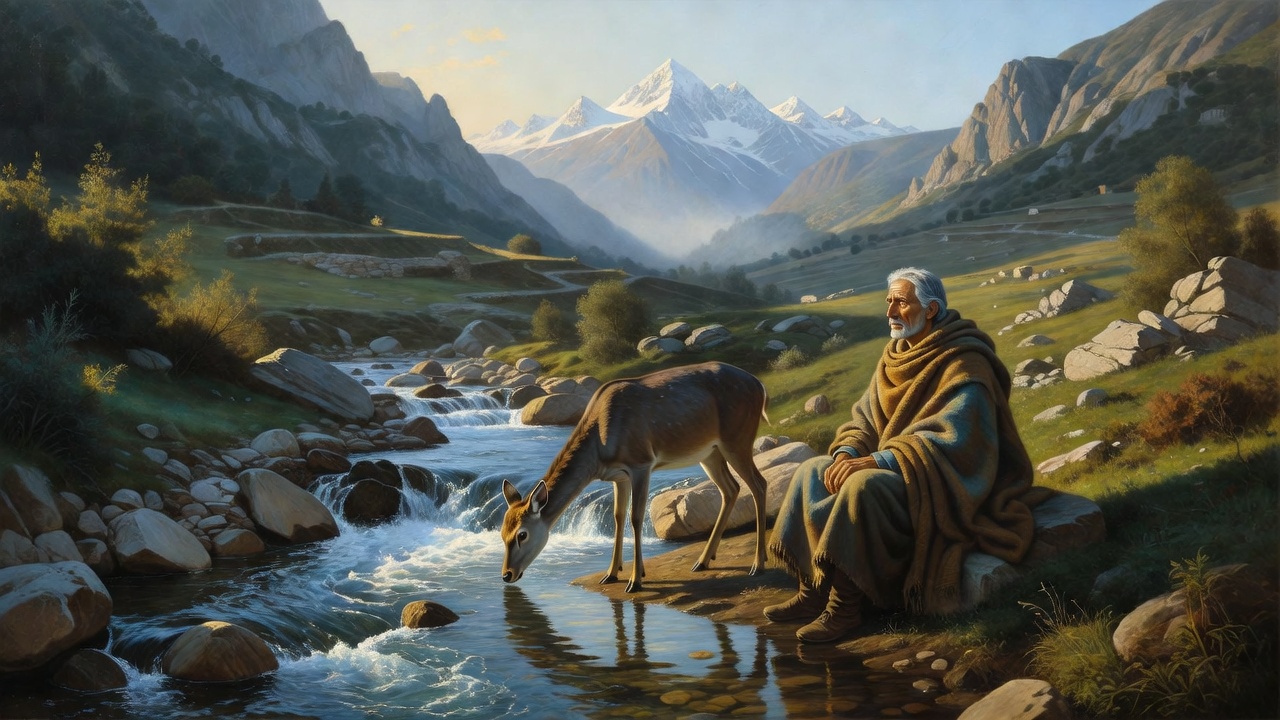
1鹿怎样渴慕溪水,
我的灵魂也照样渴慕你,上帝。
2我的灵魂渴想上帝,就是永生上帝。
我什么时候才能来到上帝面前朝见祂呢?
3我的眼泪昼夜成了我的食物,
人不断问我:“你的上帝在哪里?”
4我记起这些事,就在自己里面倾吐我的灵魂:
我从前怎样与人群同行,带领他们到上帝的殿,
在欢喜和赞美的声音中,与守节的众人同去。
5我的灵魂啊,你为什么绝望?
为什么在我里面烦躁不安?
要仰望上帝!
因为我还要赞美祂;祂的同在是我的拯救。
6我的上帝啊,我的灵魂在我里面绝望。
因此,我从约旦地,
从黑门诸峰,从米萨山记念你。
7深渊在你瀑布的轰响中向深渊呼唤。
你的波浪和洪涛都漫过我身。
8耶和华白昼必命令祂的慈爱临到。
夜间,祂的歌必与我同在:
就是向我生命的上帝所献的祷告。
9我要对上帝、我的磐石说:“你为什么忘记我?
我为什么因仇敌的欺压而悲哀度日呢?”
10仿佛有刀刺入我的骨头,我的敌对者辱骂我,
他们不断问我:“你的上帝在哪里?”
11我的灵魂啊,你为什么绝望?
为什么在我里面烦躁不安?
要仰望上帝!因为我还要赞美祂,
祂是使我重新抬起脸来的拯救,也是我的上帝。
Did you know?
Thirsting for God Far from Home
- The psalm is introduced as a song of the sons of Korah, a Levitical family descended from the Levite Korah who took part in temple music and worship.Sources: the Bible text itself · Korah (Levite)
- The speaker longs for God from the northern borderlands, mentioning the Jordan, Mount Hermon, and Mount Mizar. Hermon is a towering range with multiple peaks reaching over 9,000 feet, while Mizar (meaning 'smallness') represents a lesser neighboring summit.Sources: the Bible text itself · Hermon · Hill Mizar
- The poem uses vivid water metaphors, moving from a thirsty deer longing for mountain streams to roaring waterfalls and crashing waves that symbolize overwhelming emotional distress.Sources: the Bible text itself
Notes written with AI assistance from open sources (Theographic Bible Metadata, CC BY-SA 4.0; Easton’s Bible Dictionary, public domain) and reviewed before publishing.
Places in this chapter
Only places identified with high confidence are shown (90% or more according to the scholarly sources compiled by OpenBible). Period map: DARE (Digital Atlas of the Roman Empire), CC BY 4.0; modern map: © OpenStreetMap contributors; places: OpenBible.info (CC BY 4.0).
Credits and license for this translation
世界中文圣经
World Chinese Bible
Public Domain
Language: 中国语文 (Chinese, Mandarin)
Dialect: Mandarin
《世界中文圣经》为译本草稿。如果您发现任何需要改进之处,请发送电子邮件至 [email protected]。
2026-09-07
Source: http://ebible.org/cmnswcb/ · eBible.org