Psalms 79
新標點和合本 · Tap a verse to see its cross-references.
求主解救國家
亞薩的詩。
1上帝啊,外邦人進入你的產業,
污穢你的聖殿,使 耶路撒冷變成荒堆,
2把你僕人的屍首交與天空的飛鳥為食,
把你聖民的肉交與地上的野獸,
3在 耶路撒冷周圍流他們的血如水,
無人葬埋。
4我們成為鄰國的羞辱,
成為我們四圍人的嗤笑譏刺。
5耶和華啊,這到幾時呢?
你要動怒到永遠嗎?
你的憤恨要如火焚燒嗎?
6願你將你的忿怒倒在那不認識你的外邦
和那不求告你名的國度。
7因為他們吞了 雅各,
把他的住處變為荒場。
8求你不要記念我們先祖的罪孽,向我們追討;
願你的慈悲快迎着我們,
因為我們落到極卑微的地步。
9拯救我們的上帝啊,求你因你名的榮耀幫助我們!
為你名的緣故搭救我們,赦免我們的罪。
10為何容外邦人說「他們的上帝在哪裏」呢?
願你使外邦人知道你在我們眼前
伸你僕人流血的冤。
11願被囚之人的歎息達到你面前;
願你按你的大能力存留那些將要死的人。
12主啊,願你將我們鄰邦所羞辱你的羞辱
加七倍歸到他們身上。
13這樣,你的民,你草場的羊,
要稱謝你,直到永遠;
要述說讚美你的話,直到萬代。
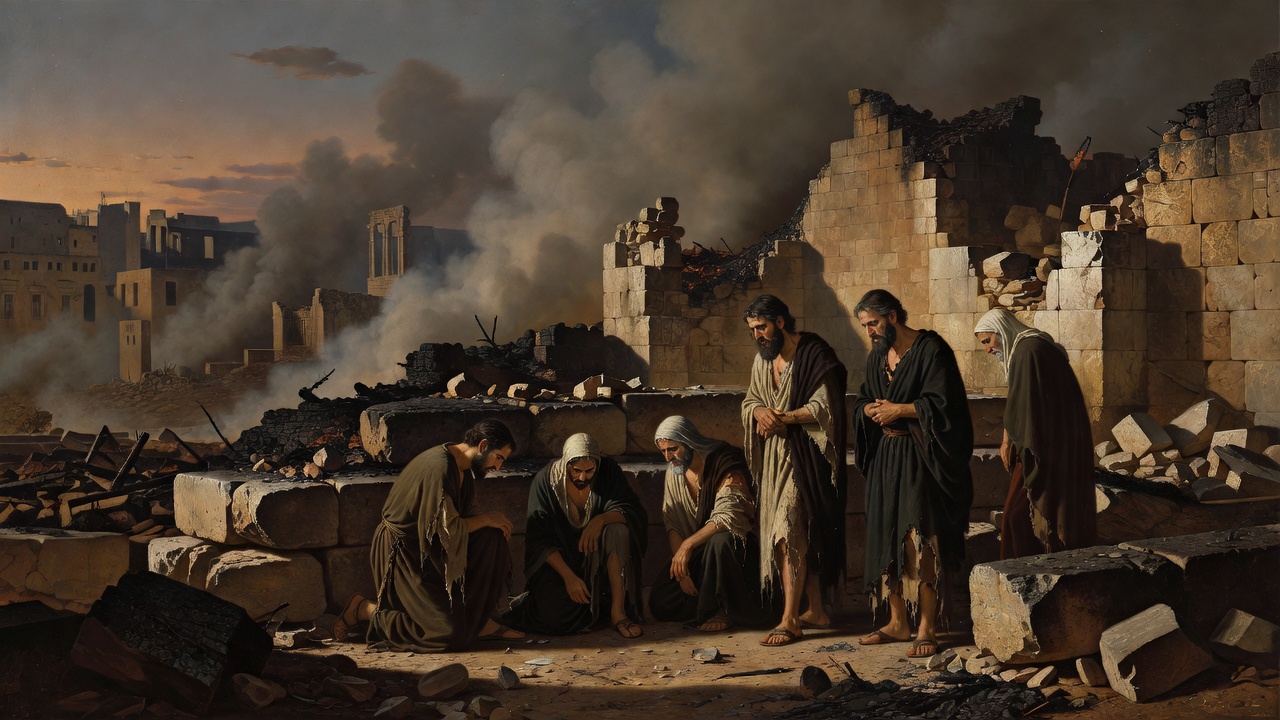
Did you know?
A Lament over the Destruction of Jerusalem
- Psalm 79 is titled a psalm of Asaph, placing it among a collection of psalms (Psalms 50 and 73–83) associated with the Levite musician and seer Asaph. In the biblical record, the title may also refer to the sons of Asaph, a recognized guild of temple singers and poets.Sources: Asaph (Levite) · the Bible text itself
- The psalm laments the defilement of the holy temple, the destruction of Jerusalem into rubble, and the unburied bodies left throughout the city. Jerusalem, known as the holy city and a mountain fastness, is portrayed here as having suffered devastating invasion by surrounding nations.Sources: Jerusalem · the Bible text itself
- The poem calls upon God for help because foreign nations have devoured Jacob and devastated his homeland. In biblical tradition, the name of the patriarch Jacob is frequently used as a poetic collective term for his descendants and their shared homeland.Sources: Jacob (Israel) · the Bible text itself
Notes written with AI assistance from open sources (Theographic Bible Metadata, CC BY-SA 4.0; Easton’s Bible Dictionary, public domain) and reviewed before publishing.
Places in this chapter
Only places identified with high confidence are shown (90% or more according to the scholarly sources compiled by OpenBible). Period map: DARE (Digital Atlas of the Roman Empire), CC BY 4.0; modern map: © OpenStreetMap contributors; places: OpenBible.info (CC BY 4.0).
Credits and license for this translation
新標點和合本
Chinese Union Version (traditional)
Public Domain
Language: 中國語文 (Chinese)
Dialect: Mandarin, traditional script
2024-12-30
Source: http://ebible.org/cmn-cu89t/ · eBible.org