Psalms 42
新標點和合本 · Tap a verse to see its cross-references.
詩 篇 卷 二
流亡異鄉者的禱告﹙一﹚
可拉後裔的訓誨詩,交與伶長。
1上帝啊,我的心切慕你,
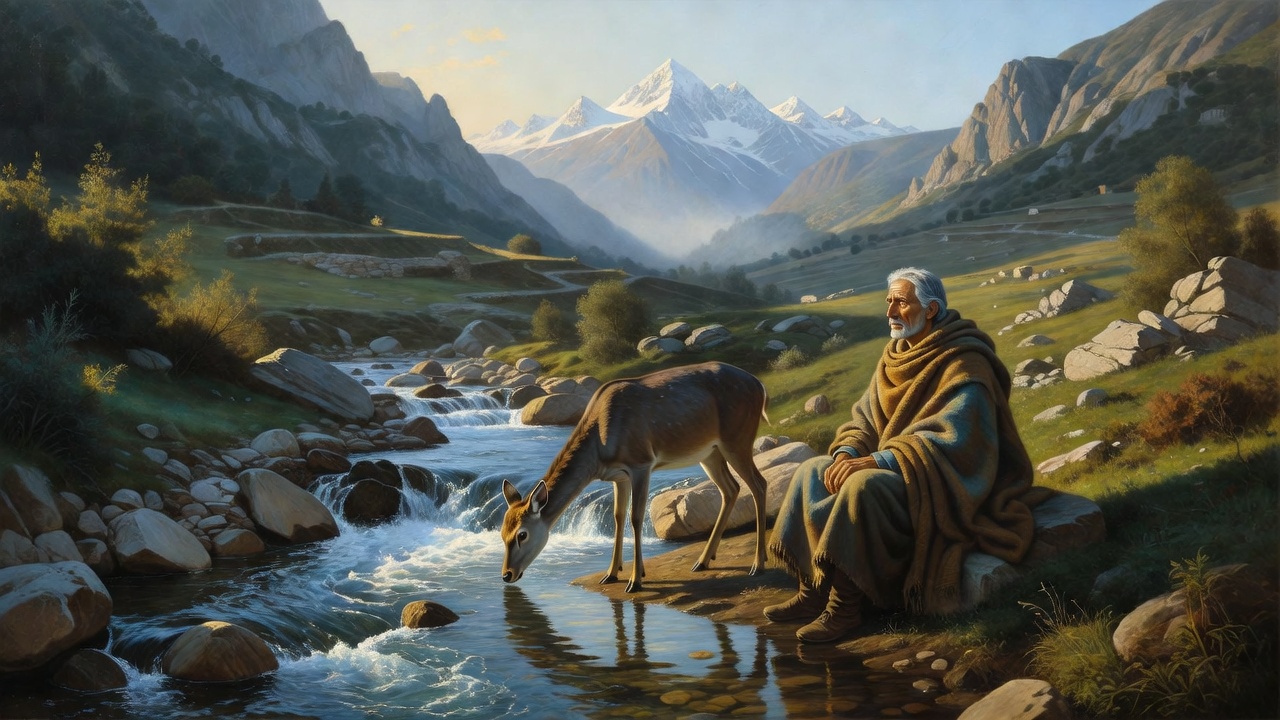
如鹿切慕溪水。
2我的心渴想上帝,就是永生上帝;
我幾時得朝見上帝呢?
3我晝夜以眼淚當飲食;
人不住地對我說:你的上帝在哪裏呢?
4我從前與眾人同往,
用歡呼稱讚的聲音
領他們到上帝的殿裏,大家守節。
我追想這些事,
我的心極其悲傷。
5我的心哪,你為何憂悶?
為何在我裏面煩躁?
應當仰望上帝,因他笑臉幫助我;
我還要稱讚他。
6我的上帝啊,我的心在我裏面憂悶,
所以我從 約旦地,
從 黑門嶺,從 米薩山記念你。
7你的瀑布發聲,深淵就與深淵響應;
你的波浪洪濤漫過我身。
8白晝,耶和華必向我施慈愛;
黑夜,我要歌頌禱告賜我生命的上帝。
9我要對上帝-我的磐石說:
你為何忘記我呢?
我為何因仇敵的欺壓時常哀痛呢?
10我的敵人辱罵我,
好像打碎我的骨頭,
不住地對我說:
你的上帝在哪裏呢?
11我的心哪,你為何憂悶?
為何在我裏面煩躁?
應當仰望上帝,因我還要稱讚他。
他是我臉上的光榮,是我的上帝。
Did you know?
Thirsting for God Far from Home
- The psalm is introduced as a song of the sons of Korah, a Levitical family descended from the Levite Korah who took part in temple music and worship.Sources: the Bible text itself · Korah (Levite)
- The speaker longs for God from the northern borderlands, mentioning the Jordan, Mount Hermon, and Mount Mizar. Hermon is a towering range with multiple peaks reaching over 9,000 feet, while Mizar (meaning 'smallness') represents a lesser neighboring summit.Sources: the Bible text itself · Hermon · Hill Mizar
- The poem uses vivid water metaphors, moving from a thirsty deer longing for mountain streams to roaring waterfalls and crashing waves that symbolize overwhelming emotional distress.Sources: the Bible text itself
Notes written with AI assistance from open sources (Theographic Bible Metadata, CC BY-SA 4.0; Easton’s Bible Dictionary, public domain) and reviewed before publishing.
Places in this chapter
Only places identified with high confidence are shown (90% or more according to the scholarly sources compiled by OpenBible). Period map: DARE (Digital Atlas of the Roman Empire), CC BY 4.0; modern map: © OpenStreetMap contributors; places: OpenBible.info (CC BY 4.0).
Credits and license for this translation
新標點和合本
Chinese Union Version (traditional)
Public Domain
Language: 中國語文 (Chinese)
Dialect: Mandarin, traditional script
2024-12-30
Source: http://ebible.org/cmn-cu89t/ · eBible.org