Psalms 32
新標點和合本 · Tap a verse to see its cross-references.
認罪與蒙赦
大衛的訓誨詩。
1得赦免其過、遮蓋其罪的,
這人是有福的!
2凡心裏沒有詭詐、耶和華不算為有罪的,
這人是有福的!
3我閉口不認罪的時候,
因終日唉哼而骨頭枯乾。
4黑夜白日,你的手在我身上沉重;
我的精液耗盡,如同夏天的乾旱。 (細拉)
5我向你陳明我的罪,
不隱瞞我的惡。
我說:我要向耶和華承認我的過犯,
你就赦免我的罪惡。 (細拉)
6為此,凡虔誠人都當趁你可尋找的時候禱告你;
大水泛溢的時候,必不能到他那裏。
7你是我藏身之處;
你必保佑我脫離苦難,
以得救的樂歌四面環繞我。 (細拉)
8我要教導你,指示你當行的路;
我要定睛在你身上勸戒你。
9你不可像那無知的騾馬,
必用嚼環轡頭勒住牠;
不然,就不能馴服。
10惡人必多受苦楚;
惟獨倚靠耶和華的必有慈愛四面環繞他。
11你們義人應當靠耶和華歡喜快樂;
你們心裏正直的人都當歡呼。
Did you know?
The Joy of Forgiveness and Guidance
- The psalm opens with the title designating it as a Maskil of David, a term traditionally associated with an instructional or contemplative song, reflecting on the contrast between the distress of hidden sin and the blessing of forgiveness.Sources: the Bible text itself
- The Hebrew term Selah appears three times in this psalm (verses 4, 5, and 7), commonly interpreted as a musical pause or a moment for reflection during the recitation of the text.Sources: the Bible text itself
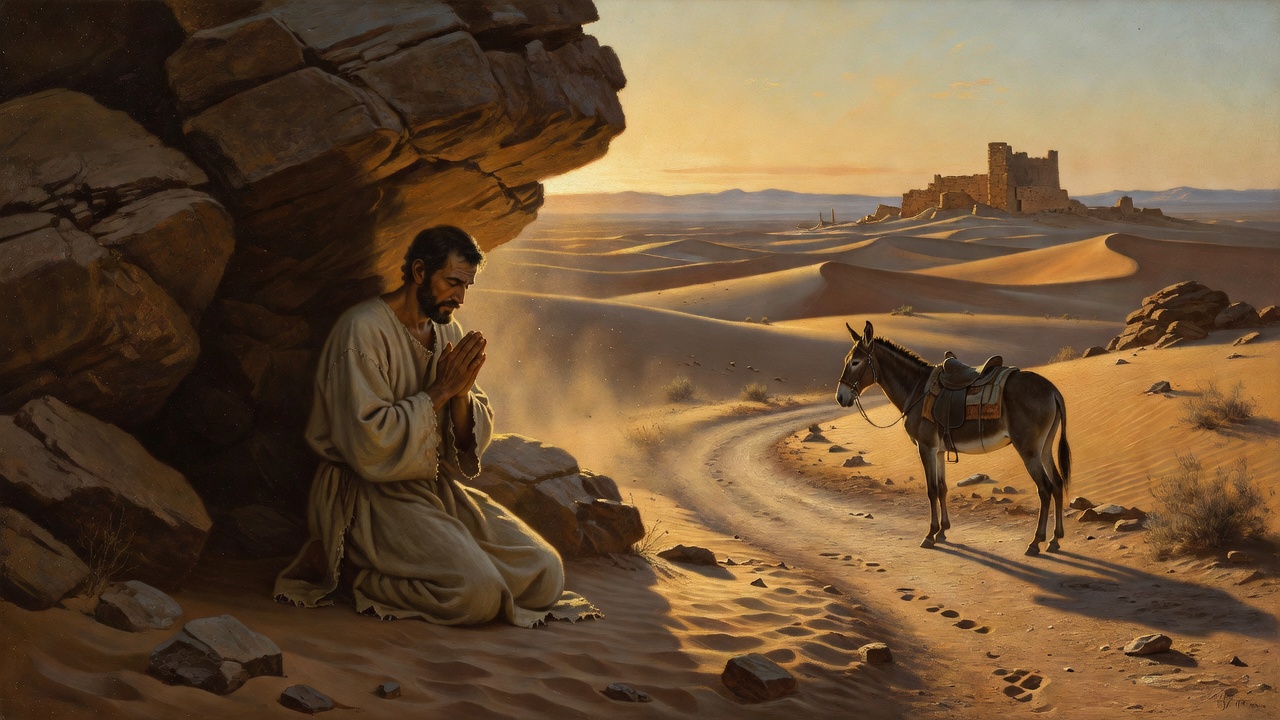
- The psalm uses the imagery of working animals, contrasting the willing follower of divine counsel with stubborn horses and mules that require a bit and bridle to be guided.Sources: the Bible text itself
Notes written with AI assistance from open sources (Theographic Bible Metadata, CC BY-SA 4.0; Easton’s Bible Dictionary, public domain) and reviewed before publishing.
Credits and license for this translation
新標點和合本
Chinese Union Version (traditional)
Public Domain
Language: 中國語文 (Chinese)
Dialect: Mandarin, traditional script
2024-12-30
Source: http://ebible.org/cmn-cu89t/ · eBible.org