Proverbs 17
新標點和合本 · Tap a verse to see its cross-references.
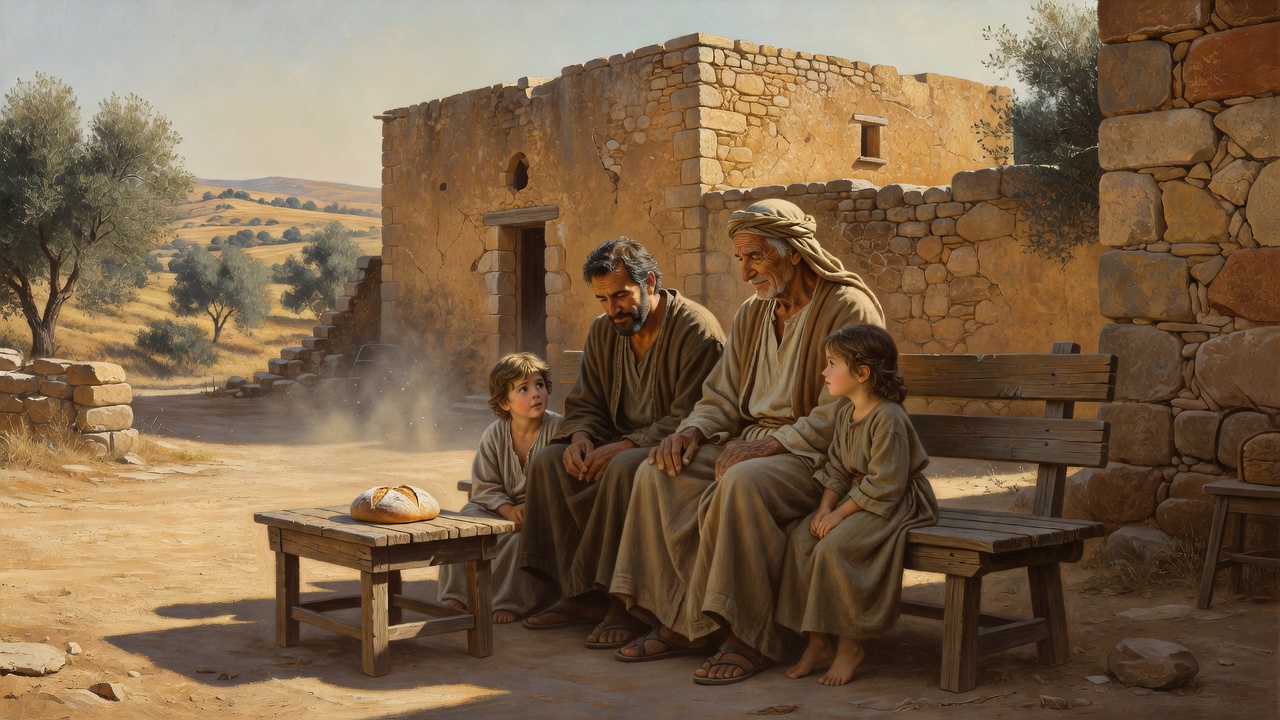
1設筵滿屋,大家相爭,
不如有塊乾餅,大家相安。
2僕人辦事聰明,必管轄貽羞之子,
又在眾子中同分產業。
3鼎為煉銀,爐為煉金;
惟有耶和華熬煉人心。
4行惡的,留心聽奸詐之言;
說謊的,側耳聽邪惡之語。
5戲笑窮人的,是辱沒造他的主;
幸災樂禍的,必不免受罰。
6子孫為老人的冠冕;
父親是兒女的榮耀。
7愚頑人說美言本不相宜,
何況君王說謊話呢?
8賄賂在餽送的人眼中看為寶玉,
隨處運動都得順利。
9遮掩人過的,尋求人愛;
屢次挑錯的,離間密友。
10一句責備話深入聰明人的心,
強如責打愚昧人一百下。
11惡人只尋背叛,
所以必有嚴厲的使者奉差攻擊他。
12寧可遇見丟崽子的母熊,
不可遇見正行愚妄的愚昧人。
13以惡報善的,
禍患必不離他的家。
14紛爭的起頭 如水放開,
所以,在爭鬧之先必當止息爭競。
15定惡人為義的,定義人為惡的,
這都為耶和華所憎惡。
16愚昧人既無聰明,
為何手拿價銀買智慧呢?
17朋友乃時常親愛,
弟兄為患難而生。
18在鄰舍面前擊掌作保
乃是無知的人。
19喜愛爭競的,是喜愛過犯;
高立家門的,乃自取敗壞。
20心存邪僻的,尋不着好處;
舌弄是非的,陷在禍患中。
21生愚昧子的,必自愁苦;
愚頑人的父毫無喜樂。
22喜樂的心乃是良藥;
憂傷的靈使骨枯乾。
23惡人暗中受賄賂,
為要顛倒判斷。
24明哲人眼前有智慧;
愚昧人眼望地極。
25愚昧子使父親愁煩,
使母親憂苦。
26刑罰義人為不善;
責打君子為不義。
27寡少言語的,有知識;
性情溫良的,有聰明。
28愚昧人若靜默不言也可算為智慧;
閉口不說也可算為聰明。
Did you know?
Wisdom for Relationships, Speech, and the Heart
- Ancient metallurgical techniques used clay crucibles for silver and high-heat furnaces for gold to separate precious metal from dross. The proverb draws on this refining process to illustrate how the Lord examines and tests the deepest motives of the human heart.Sources: the Bible text itself
- The imagery of starting a quarrel as releasing a flood reflects ancient water management and irrigation dykes. A small crack in an earthen dam quickly widens into an uncontrollable rush of water, illustrating why disputes should be stopped before they break out.Sources: the Bible text itself
- In biblical wisdom literature, restraint in speech and maintaining a calm spirit are primary marks of understanding. Proverbs notes that silence is so strongly associated with prudence that even a fool who holds his tongue can be considered discerning.Sources: the Bible text itself
Notes written with AI assistance from open sources (Theographic Bible Metadata, CC BY-SA 4.0; Easton’s Bible Dictionary, public domain) and reviewed before publishing.
Credits and license for this translation
新標點和合本
Chinese Union Version (traditional)
Public Domain
Language: 中國語文 (Chinese)
Dialect: Mandarin, traditional script
2024-12-30
Source: http://ebible.org/cmn-cu89t/ · eBible.org