Numbers 1
新標點和合本 · Tap a verse to see its cross-references.
About this book
About Numbers
- Numbers is the fourth book of the Pentateuch. In Hebrew it is called be-midbar, “in the wilderness”; the Greek Septuagint called it Numbers, the name still usual, because it records a census in the wilderness of Sinai and a later census on the plain of Moab.Sources: Easton: Numbers, Book of
- Easton's Bible Dictionary (1897) presents Numbers, like the other books of the Pentateuch, as written by Moses. The history it contains runs from the second month of the second year after the Exodus to the beginning of the eleventh month of the fortieth year, about thirty-eight years and ten months.Sources: Easton: Numbers, Book of
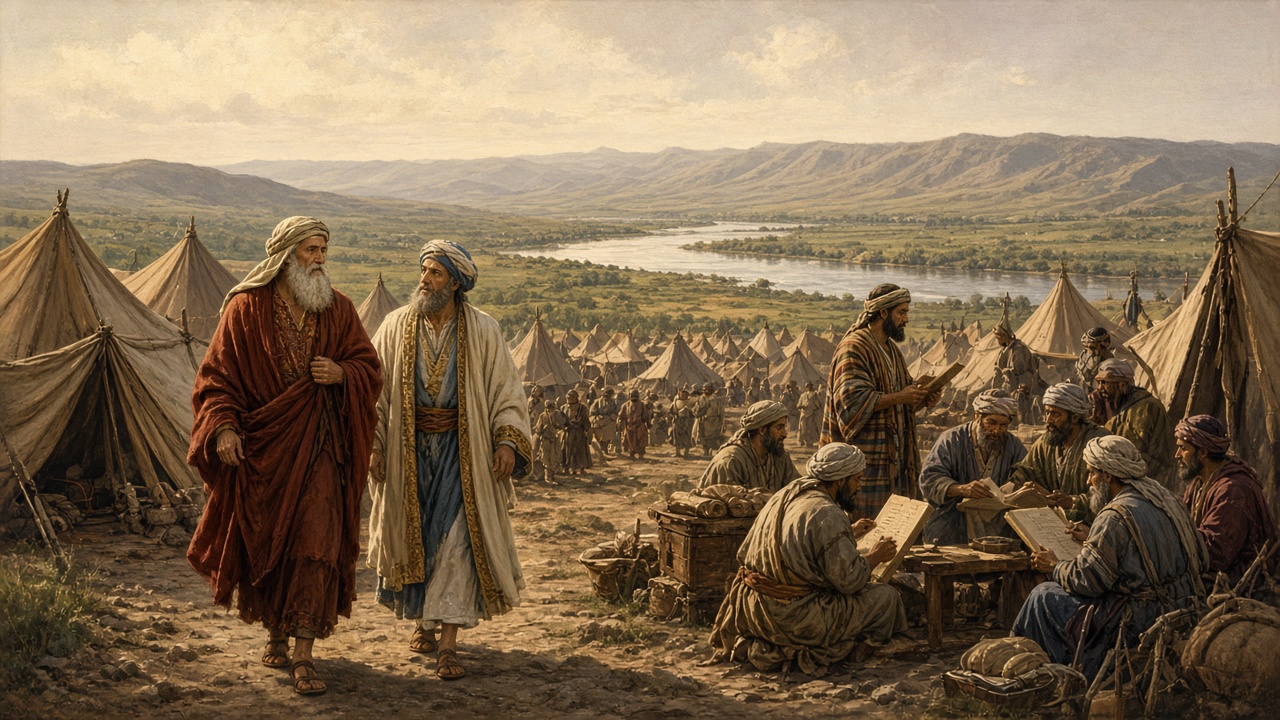
- The narrative begins at Sinai, the mountain district Israel reached in the third month after the Exodus and where they camped for about a year, and follows their route and encampments through the wilderness. It ends on the plains of Moab, east of the Jordan and the Dead Sea, opposite Jericho, their last camp before entering Canaan, the country west of the Jordan. Easton describes those years as a time of wandering in which that generation died in the wilderness, and notes that the people were fewer then than when they left Egypt.Sources: Easton: Numbers, Book of · Sinai · Moab · Canaan
- Easton divides the book into three parts: the census at Sinai and preparations to resume the march, including the Nazirite vow (1–10:10); the journey from Sinai to Moab, the sending of the spies and the report they brought back, and the people’s murmurings, eight times, at the hardships of the way (10:11–21:20); and the events on the plain of Moab before the crossing of the Jordan (21:21–36).Sources: Easton: Numbers, Book of
- While Israel was camped on the plains of Moab, Balak, son of Zippor and king of Moab, fearing them, sent to Pethor in Mesopotamia for Balaam, son of Beor, to curse them; the narrative says Balaam was unable to do so. Numbers 21:14 also cites “the book of the wars of the Lord,” a work that Easton says is uncertain, perhaps a lost writing of Israel or an Amorite record of the victories of their king Sihon.Sources: Easton: Numbers, Book of · Balaam · Balak
Notes written with AI assistance from open sources (Theographic Bible Metadata, CC BY-SA 4.0; Easton’s Bible Dictionary, public domain) and reviewed before publishing.
以色列的第一次人口普查
1以色列人出 埃及地後,第二年二月初一日,耶和華在 西奈的曠野、會幕中曉諭 摩西說: 2「你要按 以色列全會眾的家室、宗族、人名的數目計算所有的男丁。 3凡 以色列中,從二十歲以外,能出去打仗的,你和 亞倫要照他們的軍隊數點。 4每支派中必有一人作本支派的族長,幫助你們。 5他們的名字:屬 呂便的,有 示丟珥的兒子 以利蓿; 6屬 西緬的,有 蘇利沙代的兒子 示路蔑; 7屬 猶大的,有 亞米拿達的兒子 拿順; 8屬 以薩迦的,有 蘇押的兒子 拿坦業; 9屬 西布倫的,有 希倫的兒子 以利押; 10約瑟子孫、屬 以法蓮的,有 亞米忽的兒子 以利沙瑪;屬 瑪拿西的,有 比大蓿的兒子 迦瑪列; 11屬 便雅憫的,有 基多尼的兒子 亞比但; 12屬 但的,有 亞米沙代的兒子 亞希以謝; 13屬 亞設的,有 俄蘭的兒子 帕結; 14屬 迦得的,有 丟珥的兒子 以利雅薩; 15屬 拿弗他利的,有 以南的兒子 亞希拉。 16這都是從會中選召的,各作本支派的首領,都是 以色列軍中的統領。」
17於是, 摩西、 亞倫帶着這些按名指定的人, 18當二月初一日招聚全會眾。會眾就照他們的家室、宗族、人名的數目,從二十歲以外的,都述說自己的家譜。 19耶和華怎樣吩咐 摩西,他就怎樣在 西奈的曠野數點他們。
20以色列的長子, 呂便子孫的後代,照着家室、宗族、人名的數目,從二十歲以外,凡能出去打仗、被數的男丁,共有四萬六千五百名。
22西緬子孫的後代,照着家室、宗族、人名的數目,從二十歲以外,凡能出去打仗、被數的男丁,共有五萬九千三百名。
24迦得子孫的後代,照着家室、宗族、人名的數目,從二十歲以外,凡能出去打仗、被數的,共有四萬五千六百五十名。
26猶大子孫的後代,照着家室、宗族、人名的數目,從二十歲以外,凡能出去打仗、被數的,共有七萬四千六百名。
28以薩迦子孫的後代,照着家室、宗族、人名的數目,從二十歲以外,凡能出去打仗、被數的,共有五萬四千四百名。
30西布倫子孫的後代,照着家室、宗族、人名的數目,從二十歲以外,凡能出去打仗、被數的,共有五萬七千四百名。
32約瑟子孫屬 以法蓮子孫的後代,照着家室、宗族、人名的數目,從二十歲以外,凡能出去打仗、被數的,共有四萬零五百名。
34瑪拿西子孫的後代,照着家室、宗族、人名的數目,從二十歲以外,凡能出去打仗、被數的,共有三萬二千二百名。
36便雅憫子孫的後代,照着家室、宗族、人名的數目,從二十歲以外,凡能出去打仗、被數的,共有三萬五千四百名。
38但子孫的後代,照着家室、宗族、人名的數目,從二十歲以外,凡能出去打仗、被數的,共有六萬二千七百名。
40亞設子孫的後代,照着家室、宗族、人名的數目,從二十歲以外,凡能出去打仗、被數的,共有四萬一千五百名。
42拿弗他利子孫的後代,照着家室、宗族、人名的數目,從二十歲以外,凡能出去打仗、被數的,共有五萬三千四百名。
44這些就是被數點的,是 摩西、 亞倫,和 以色列中十二個首領所數點的;這十二個人各作各宗族的代表。 45這樣,凡 以色列人中被數的,照着宗族,從二十歲以外,能出去打仗、被數的,共有六十萬零三千五百五十名。
47利未人卻沒有按着支派數在其中, 48因為耶和華曉諭 摩西說: 49「惟獨 利未支派你不可數點,也不可在 以色列人中計算他們的總數。 50只要派 利未人管法 櫃的帳幕和其中的器具,並屬乎帳幕的;他們要抬帳幕和其中的器具,並要辦理帳幕的事,在帳幕的四圍安營。 51帳幕將往前行的時候, 利未人要拆卸;將支搭的時候, 利未人要豎起。近前來的外人必被治死。 52以色列人支搭帳棚,要照他們的軍隊,各歸本營,各歸本纛。 53但 利未人要在法 櫃帳幕的四圍安營,免得忿怒臨到 以色列會眾; 利未人並要謹守法 櫃的帳幕。」 54以色列人就這樣行。凡耶和華所吩咐 摩西的,他們就照樣行了。
Did you know?
The Census in the Wilderness of Sinai
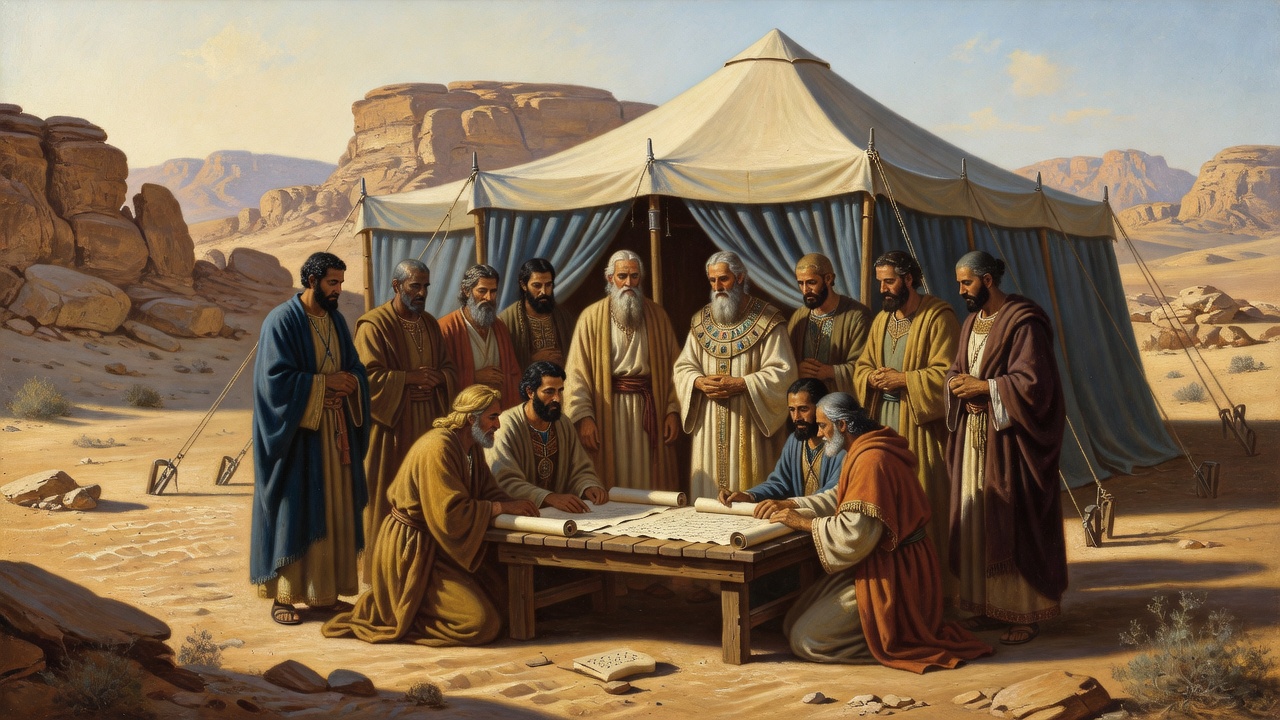
- The census was ordered in the Wilderness of Sinai on the first day of the second month in the second year after the Israelites departed Egypt. It counted every male aged twenty or older who was able to serve in the army, arriving at a total of 603,550 fighting men.Sources: the Bible text itself · Sinai
- Moses and Aaron conducted the registration alongside twelve appointed tribal leaders. Joseph was represented as two distinct tribal divisions named after his sons, Ephraim and Manasseh.Sources: the Bible text itself · Ephraim · Manasseh (son of Joseph)
- The tribe of Levi was entirely exempted from the military count. Instead, the Levites were assigned exclusively to care for, transport, assemble, and guard the tabernacle of the Testimony and its furnishings.Sources: the Bible text itself
Notes written with AI assistance from open sources (Theographic Bible Metadata, CC BY-SA 4.0; Easton’s Bible Dictionary, public domain) and reviewed before publishing.
Places in this chapter
- Egypt · 30.129, 31.308 · verse 1
- Wilderness of Sinai · Today: about 50 km around Jebel Musa · 28.540, 33.973 · verses 1, 19
Only places identified with high confidence are shown (90% or more according to the scholarly sources compiled by OpenBible). Period map: DARE (Digital Atlas of the Roman Empire), CC BY 4.0; modern map: © OpenStreetMap contributors; places: OpenBible.info (CC BY 4.0).
Credits and license for this translation
新標點和合本
Chinese Union Version (traditional)
Public Domain
Language: 中國語文 (Chinese)
Dialect: Mandarin, traditional script
2024-12-30
Source: http://ebible.org/cmn-cu89t/ · eBible.org