Leviticus 21
新標點和合本 · Tap a verse to see its cross-references.
祭司聖潔的條例
1耶和華對 摩西說:「你告訴 亞倫子孫作祭司的說:祭司不可為民中的死人沾染自己, 2除非為他骨肉之親的父母、兒女、弟兄, 3和未曾出嫁、作處女的姊妹,才可以沾染自己。 4祭司既在民中為首,就不可從俗沾染自己。 5不可使頭光禿;不可剃除鬍鬚的周圍,也不可用刀劃身。 6要歸上帝為聖,不可褻瀆上帝的名;因為耶和華的火祭,就是上帝的食物,是他們獻的,所以他們要成為聖。 7不可娶妓女或被污的女人為妻,也不可娶被休的婦人為妻,因為祭司是歸上帝為聖。 8所以你要使他成聖,因為他奉獻你上帝的食物;你要以他為聖,因為我-使你們成聖的耶和華-是聖的。 9祭司的女兒若行淫辱沒自己,就辱沒了父親,必用火將她焚燒。
10「在弟兄中作大祭司、頭上倒了膏油、又承接聖職、穿了 聖衣的,不可蓬頭散髮,也不可撕裂衣服。 11不可挨近死屍,也不可為父母沾染自己。 12不可出聖所,也不可褻瀆上帝的聖所,因為上帝膏油的冠冕在他頭上。我是耶和華。 13他要娶處女為妻。 14寡婦或是被休的婦人,或是被污為妓的女人,都不可娶;只可娶本民中的處女為妻。 15不可在民中辱沒他的兒女,因為我是叫他成聖的耶和華。」
16耶和華對 摩西說: 17「你告訴 亞倫說:你世世代代的後裔,凡有殘疾的,都不可近前來獻他上帝的食物。 18因為凡有殘疾的,無論是瞎眼的、瘸腿的、塌鼻子的、肢體有餘的、 19折腳折手的、 20駝背的、矮矬的、眼睛有毛病的、長癬的、長疥的,或是損壞腎子的,都不可近前來。 21祭司 亞倫的後裔,凡有殘疾的,都不可近前來,將火祭獻給耶和華。他有殘疾,不可近前來獻上帝的食物。 22上帝的食物,無論是聖的,至聖的,他都可以吃。 23但不可進到幔子前,也不可就近壇前;因為他有殘疾,免得褻瀆我的聖所。我是叫他成聖的耶和華。」
24於是, 摩西曉諭 亞倫和 亞倫的子孫,並 以色列眾人。
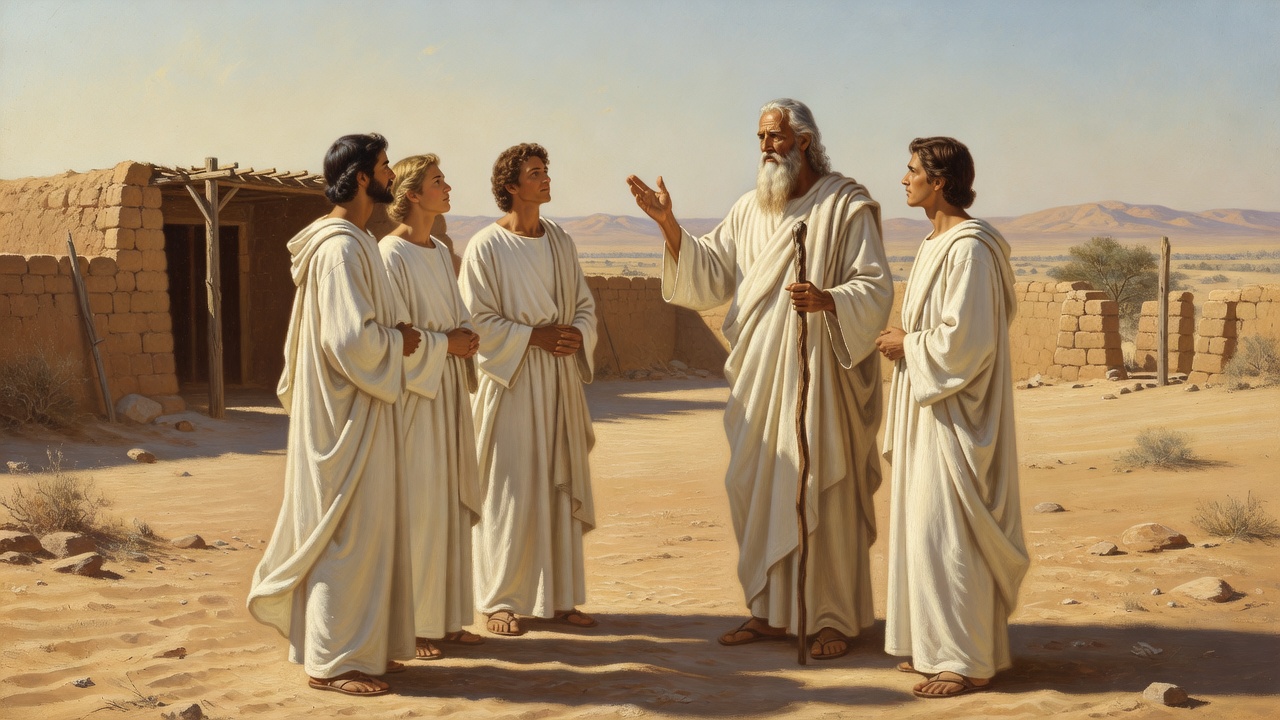
Did you know?
Holiness and Requirements for the Priesthood
- Ordinary priests were permitted to mourn only for immediate blood relatives—parents, children, and unmarried siblings—whereas the high priest was strictly forbidden from defiling himself for any corpse, including his own parents, and could not tear his vestments in grief.Sources: the Bible text itself
- While regular priests were forbidden from marrying divorced women or prostitutes, the high priest faced an even stricter standard: he was permitted to marry only a virgin from his own people.Sources: the Bible text itself
- Descendants of Aaron with physical blemishes or injuries were disqualified from presenting fire offerings at the altar, but they were still fully permitted to share in and eat the holy and most holy food portions.Sources: the Bible text itself
Notes written with AI assistance from open sources (Theographic Bible Metadata, CC BY-SA 4.0; Easton’s Bible Dictionary, public domain) and reviewed before publishing.
Credits and license for this translation
新標點和合本
Chinese Union Version (traditional)
Public Domain
Language: 中國語文 (Chinese)
Dialect: Mandarin, traditional script
2024-12-30
Source: http://ebible.org/cmn-cu89t/ · eBible.org