Isaiah 46
新標點和合本 · Tap a verse to see its cross-references.
1彼勒屈身, 尼波彎腰;
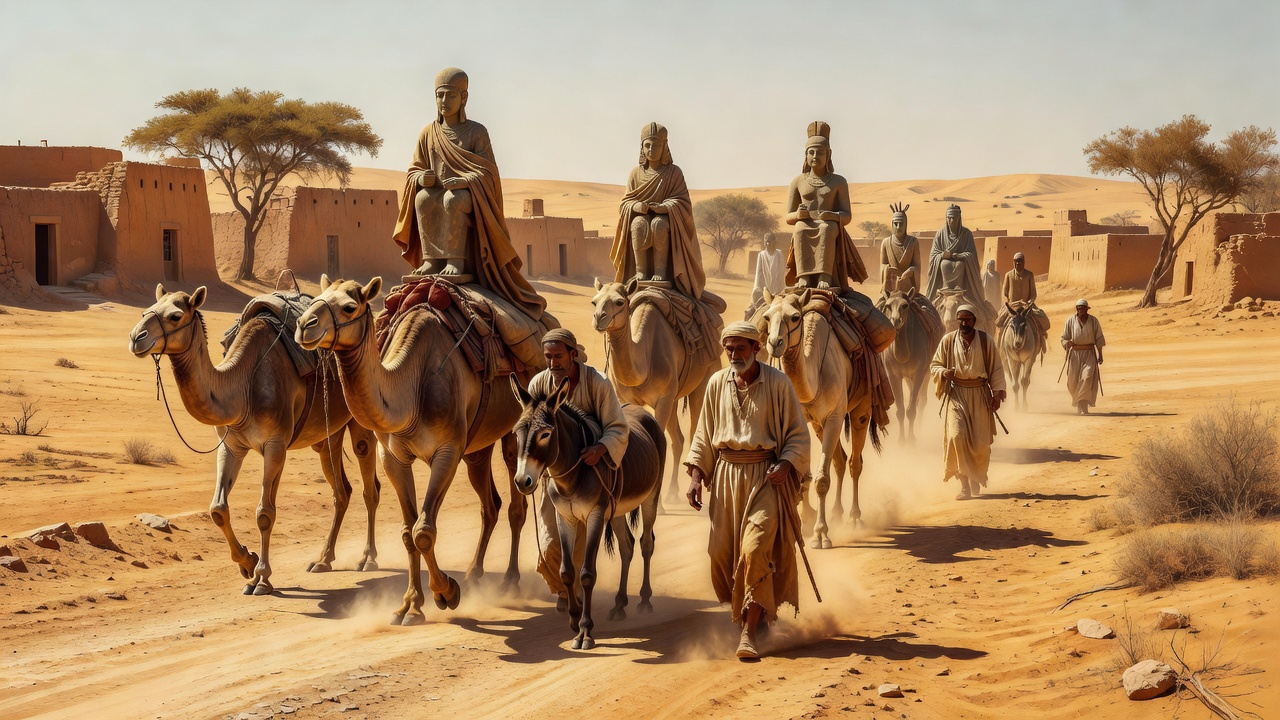
巴比倫的偶像馱在獸和牲畜上。
他們所抬的如今成了重馱,
使 牲畜疲乏,
2都一同彎腰屈身,
不能保全重馱,
自己倒被擄去。
3雅各家, 以色列家一切餘剩的要聽我言:
你們自從生下,就蒙 我保抱,
自從出胎,便蒙 我懷搋。
4直到你們年老,我仍這樣;
直到你們髮白,我仍懷搋。
我已造作,也必保抱;
我必懷抱,也必拯救。
5你們將誰與我相比,與我同等,
可以與我比較,使我們相同呢?
6那從囊中抓金子,
用天平平銀子的人,
雇銀匠製造神像,
他們又俯伏,又叩拜。
7他們將神像抬起,扛在肩上,
安置在定處,它就站立,
不離本位;
人呼求它,它不能答應,
也不能救人脫離患難。
8你們當想念這事,自己作大丈夫。
悖逆的人哪,要心裏思想。
9你們要追念上古的事。
因為我是上帝,並無別神;
我是上帝,再沒有能比我的。
10我從起初指明末後的事,
從古時言明未成的事,
說:我的籌算必立定;
凡我所喜悅的,我必成就。
11我召鷙鳥從東方來,
召那成就我籌算的人從遠方來。
我已說出,也必成就;
我已謀定,也必做成。
12你們這些心中頑梗、
遠離公義的,當聽我言。
13我使我的公義臨近,必不遠離。
我的救恩必不遲延;
我要為 以色列-我的榮耀,
在 錫安施行救恩。
Did you know?
The God Who Carries His People
- Isaiah 46 contrasts the Babylonian gods Bel and Nebo with the God of Israel. While manufactured idols are described as dead weight that must be loaded onto weary animals and carried into captivity, God declares that He has carried and sustained the house of Jacob from birth and will continue to do so into old age.Sources: the Bible text itself
- The chapter illustrates the helplessness of idols by highlighting their human origin: people pour out gold and weigh silver to hire a goldsmith to shape a god. Once carried on human shoulders and set in place, the statue remains stationary, unable to move, answer cries, or rescue anyone from distress.Sources: the Bible text itself
- The prophecy closes with God promising to grant salvation to Zion. Zion was the south-eastern hill of Jerusalem that David captured and made into the City of David, often cited in prophetic texts as a focal point for Israel.Sources: the Bible text itself · Zion
Notes written with AI assistance from open sources (Theographic Bible Metadata, CC BY-SA 4.0; Easton’s Bible Dictionary, public domain) and reviewed before publishing.
Places in this chapter
Only places identified with high confidence are shown (90% or more according to the scholarly sources compiled by OpenBible). Period map: DARE (Digital Atlas of the Roman Empire), CC BY 4.0; modern map: © OpenStreetMap contributors; places: OpenBible.info (CC BY 4.0).
Credits and license for this translation
新標點和合本
Chinese Union Version (traditional)
Public Domain
Language: 中國語文 (Chinese)
Dialect: Mandarin, traditional script
2024-12-30
Source: http://ebible.org/cmn-cu89t/ · eBible.org