Psalms 87
新标点和合本 · Tap a verse to see its cross-references.
锡安颂
可拉后裔的诗歌。
1耶和华所立的根基在圣山上。 2他爱 锡安的门,
胜于爱 雅各一切的住处。
3神的城啊,
有荣耀的事乃指着你说的。 (细拉)
4我要提起 拉哈伯和 巴比伦人,
是在认识我之中的;
看哪, 非利士和 泰尔并 古实人,
个个生在那里。
5论到 锡安,必说:
这一个、那一个都生在其中,
而且至高者必亲自坚立这城。
6当耶和华记录万民的时候,
他要点出这一个生在那里。 (细拉)
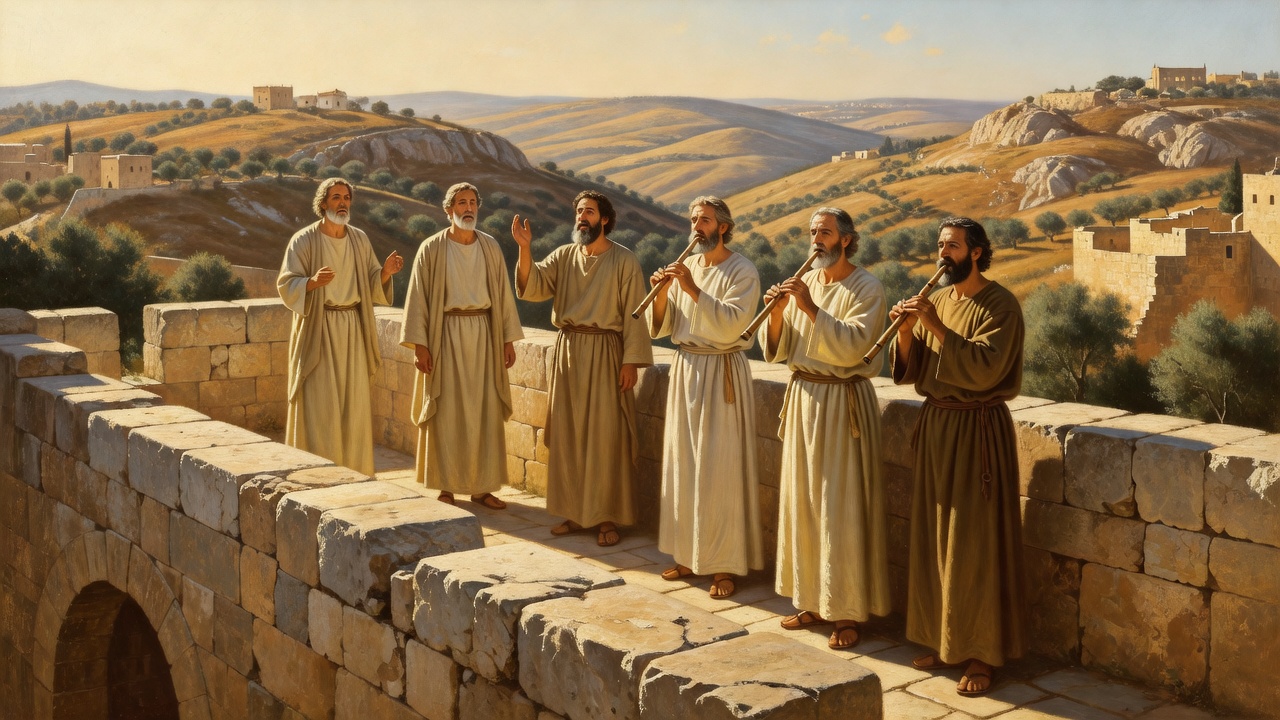
7歌唱的,跳舞的,都 要说:
我的泉源都在你里面。
Did you know?
Zion and the Nations
- In Psalm 87, foreign and historically rival regions—including Babylon, Philistia, Tyre, and Cush—are depicted as being registered as native citizens born in Zion, the city of God.Sources: the Bible text itself · Zion · Tyre · Babylon
- The name 'Rahab' in verse 4 is a poetic Hebrew term meaning insolence or pride, used in biblical poetry as a symbolic designation for Egypt.Sources: Rahab · the Bible text itself
- The psalm is attributed to the 'sons of Korah,' a Levitical group that provided musical leadership in Jerusalem centuries after their ancestor Korah led a rebellion in the wilderness.Sources: Korah (Levite) · the Bible text itself
Notes written with AI assistance from open sources (Theographic Bible Metadata, CC BY-SA 4.0; Easton’s Bible Dictionary, public domain) and reviewed before publishing.
Places in this chapter
- Zion · Today: Jerusalem · 31.777, 35.234 · verses 2, 5
- Babylon · 32.543, 44.422 · verse 4
- Cush · Today: Cush 1 · 16.935, 33.751 · verse 4
- Egypt · 30.129, 31.308 · verse 4
- Jerusalem · 31.777, 35.234 · verses 4, 6, 7
- Philistia · 31.664, 34.546 · verse 4
- Tyre · 33.271, 35.196 · verse 4
Only places identified with high confidence are shown (90% or more according to the scholarly sources compiled by OpenBible). Period map: DARE (Digital Atlas of the Roman Empire), CC BY 4.0; modern map: © OpenStreetMap contributors; places: OpenBible.info (CC BY 4.0).
Credits and license for this translation
新标点和合本
Chinese Union Version (simplified)
Public Domain
Language: 中国语文 (Chinese)
Dialect: Mandarin, simplified script
2021-10-15
Source: http://ebible.org/cmn-cu89s/ · eBible.org