Ecclesiastes 3
新标点和合本 · Tap a verse to see its cross-references.
万事均有定时
1凡事都有定期,
天下万务都有定时。
2生有时,死有时;
栽种有时,拔出所栽种的也有时;
3杀戮有时,医治有时;
拆毁有时,建造有时;
4哭有时,笑有时;
哀恸有时,跳舞有时;
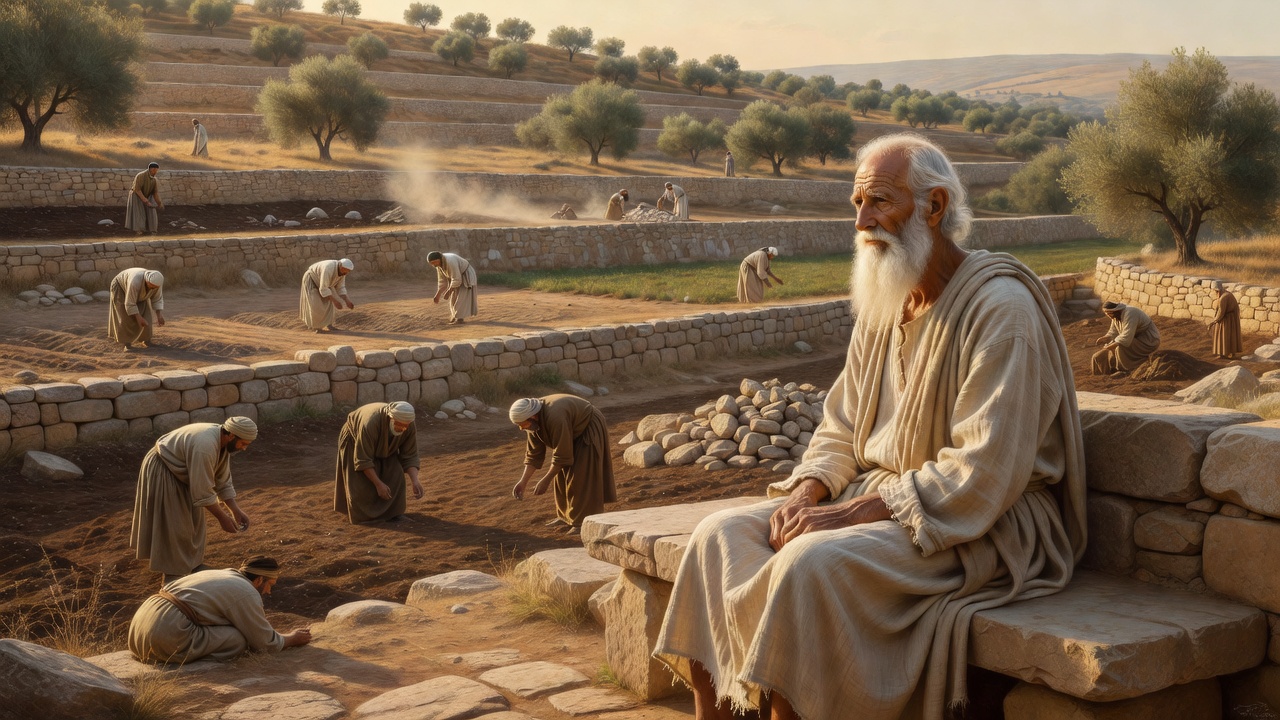
5抛掷石头有时,堆聚石头有时;
怀抱有时,不怀抱有时;
6寻找有时,失落有时;
保守有时,舍弃有时;
7撕裂有时,缝补有时;
静默有时,言语有时;
8喜爱有时,恨恶有时;
争战有时,和好有时。
9这样看来,做事的人在他的劳碌上有什么益处呢? 10我见 神叫世人劳苦,使他们在其中受经练。 11神造万物,各按其时成为美好,又将永生安置在世人心里。然而 神从始至终的作为,人不能参透。 12我知道世人,莫强如终身喜乐行善; 13并且人人吃喝,在他一切劳碌中享福,这也是 神的恩赐。
14我知道 神一切所做的都必永存;无所增添,无所减少。 神这样行,是要人在他面前存敬畏的心。 15现今的事早先就有了,将来的事早已也有了,并且 神使已过的事重新再来。
世上的不公平
16我又见日光之下,在审判之处有奸恶,在公义之处也有奸恶。 17我心里说, 神必审判义人和恶人;因为在那里,各样事务,一切工作,都有定时。 18我心里说, 这乃为世人的缘故,是 神要试验他们,使他们觉得自己 不过像兽一样。 19因为世人遭遇的,兽也遭遇,所遭遇的都是一样:这个怎样死,那个也怎样死,气息都是一样。人不能强于兽,都是虚空。 20都归一处,都是出于尘土,也都归于尘土。 21谁知道人的灵是往上升,兽的魂是下入地呢? 22故此,我见人莫强如在他经营的事上喜乐,因为这是他的分。他身后的事谁能使他回来得见呢?
Did you know?
A Time for Every Season
- The chapter opens with a famous poem of fourteen pairs of contrasting opposites, spanning birth and death, planting and uprooting, mourning and dancing, and war and peace. This literary structure illustrates the complete spectrum of human experience appointed under heaven.Sources: the Bible text itself
- The author observes that God has placed eternity in the human heart, yet mortals remain unable to fully comprehend what God does from beginning to end.Sources: the Bible text itself
- Reflecting on mortality, the text notes that both humans and beasts return to the dust. In light of this shared physical fate, the Teacher concludes that enjoying one's daily labor, food, and drink is a gift from God.Sources: the Bible text itself
Notes written with AI assistance from open sources (Theographic Bible Metadata, CC BY-SA 4.0; Easton’s Bible Dictionary, public domain) and reviewed before publishing.
Credits and license for this translation
新标点和合本
Chinese Union Version (simplified)
Public Domain
Language: 中国语文 (Chinese)
Dialect: Mandarin, simplified script
2021-10-15
Source: http://ebible.org/cmn-cu89s/ · eBible.org