Romans 16
Diiloŋ-nelma Tobisĩfɛlɛnni · Tap a verse to see its cross-references.
Jaalupãlle
1Mi ka dii i tũɔ‑i Febe‑i na naŋ-na, u ce Diiloŋ-maacemma‑i u kãyã Diiloŋ-dũŋ-baamba maŋ Sãŋkire‑i-na. 2Duɔ kã, na ne Itieŋo‑i aa na bel-o fafamma ŋaa maŋ saaya ma ce dumaa Diiloŋ-dũŋ-baaŋ miɛ i hɔlma-na. Kumaŋ maama‑i da ma waa-yuɔ, na kãyã-yuɔ baa ku bĩŋkũŋgu‑i. U kãayã nuɔmba bɔi, halle mɛi fɛrɛ maŋ daami‑i.
3Mi jaalaa Pirsika‑i baa Akilasi‑i, ba yaa mi namaacenciraamba Yesu-Kirsa suoŋgu-na. 4Ba hĩɛrã kuliiŋgu‑i da ba gbãa hũu muɔŋo‑i kuɔ. Mi jaal-ba. Aa mɛi da-mi-diei sĩ yoŋ. Diiloŋ-dũŋ-baamba maŋ *niɛraaŋ-nilɛiŋa-na hiere, ba jaalaa-ba.
5Mi jaalaa Diiloŋ-dũŋ-baamba maŋ tigiiŋ ba cãrã Diiloŋo‑i Akilasi ba dumɛlle-na.
Mi jaalaa mi jĩɛŋo‑i Epayinɛti‑i. U yaa hũyãa *Kirsa maama‑i igɛ̃na *Asi‑i-na.
6Mi jaalaa Maari‑i, u vaa u fɛrɛ baa na maama‑i.
7Mi jaalaa Ãndorkusi‑i baa Yuniya‑i. Bafamba‑i mɛi nelleŋ-tobimba. I waa kaso‑i-na baa i-naa. Yesu *pɔpuɔrbiemba namba'i bafamba‑i, ba kũŋgu dɔlnu nuɔmba‑i. Bafamba daa yuŋ-bĩncɔsĩnni muɔ-na Kirsa horre-na.
8Mi jaalaa Ãmpilatusi‑i, u maama dii kpelle mi huɔŋga-na Itieŋo horre-na.
9Mi jaalaa Urbɛ̃‑i, u yaa i namaacenceroŋo Kirsa suoŋgu-na. Aa bi jaal Sitakisi‑i; fuɔ maama bi dii kpelle mi huɔŋga-na.
10Mi jaalaa Apelɛsi‑i, u pigãaŋ wuɔ u nyaarãa Kirsa‑i-na.
Mi jaalaa Aritobul dumɛlleŋ-baamba‑i.
11Mi jaalaa mi nelleŋ-tobiŋo‑i Erodiyɔ̃‑i. Aa jaal Narsisi dumɛlleŋ-baamba maŋ hũyãa Itieŋo maama‑i.
12Mi jaalaa Tirfɛni‑i baa Tirfosi‑i. Caaŋ daaba‑i ba hãi‑i-na, ba vaa ba fɛrɛ baa Itieŋo maacemma‑i. Aa bi jaal Pɛrside‑i, fuɔ maama bi dii kpelle mi huɔŋga-na, aa u bi vaa u fɛrɛ baa Itieŋo maama‑i.
13Mi jaalaa Urufusi‑i, Itieŋo yufelleŋ-nolŋo‑i. Aa bi jaal u nyu‑i, uu dii ŋaa mɛi fɛrɛ‑i mi bi nyu.
14Mi bi jaalaa Asɛ̃ŋkiri‑i, baa Filegɔ̃‑i, baa Ɛrmɛsi‑i, baa Paturobasi‑i, baa Ɛrmasi‑i baa tobimba maŋ dii baa-ba hiere.
15Mi jaalaa Filologi‑i baa Yulusi‑i, aa jaal Nerieŋo‑i baa tɔ̃nciɛŋo‑i, aa bi jaal Olɛ̃mpasi‑i baa Diiloŋ-dũŋ-baamba maŋ dii baa-ba hiere.
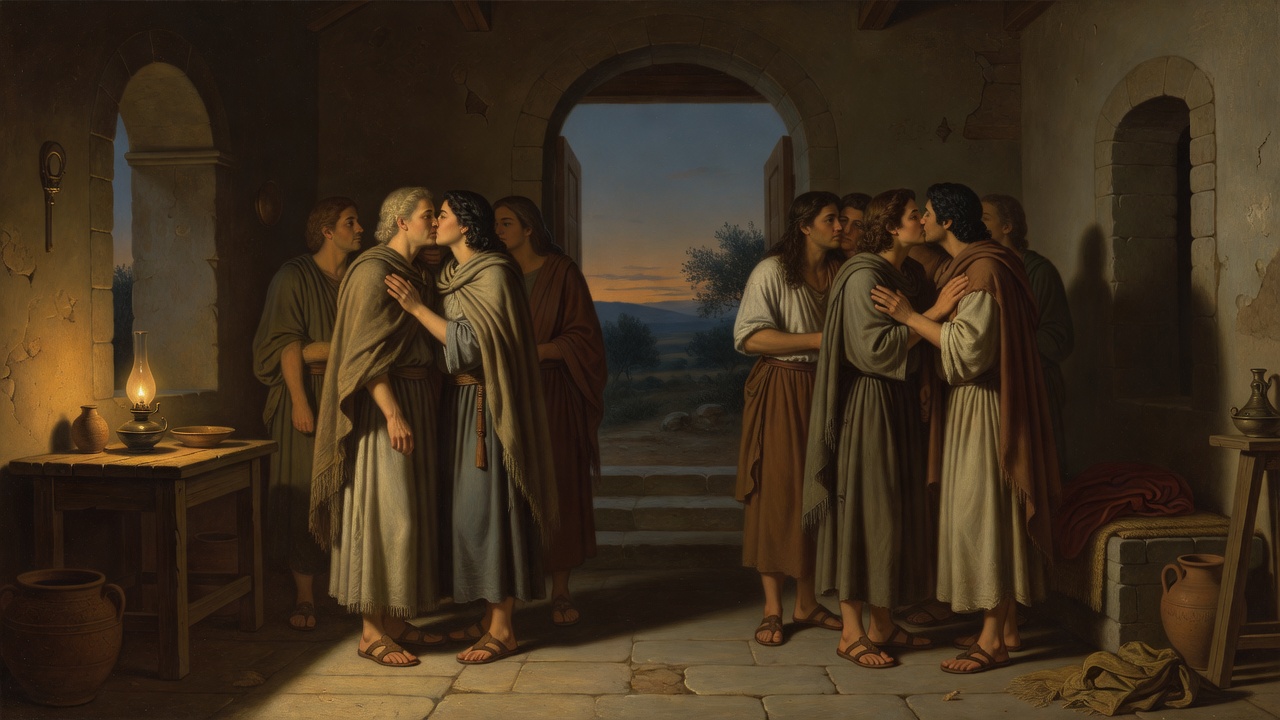
16Taa na jaal na-naa fafamma ŋaa cɛduɔŋ-bieŋ namaa.
Bamaŋ dii Kirsa horre-na hiere ba pãa-na jaaluŋgu.
17Tobiŋ namaa, jande mi cãrã-nɛi, Diiloŋ-hũmelle maŋ maama‑i waaŋ baa-na, bamaŋ miɛlãa-ma, bilaaŋ na fɛrɛ kutaamba-na; ba jo baa bɔrɔmma, aa ba pira nuɔmba‑i Diiloŋ-hũmelle-na. Baa na ta na piɛ kutaamba‑i. 18Ba sa cãa Itieŋo‑i *Kirsa‑i, ŋga ba cãa ba kusũnni. Ba tãal bamaŋ sa suyaaŋ ku yaaŋga‑i baa ba nudɔdɔlle‑i. 19Namaaŋo‑i, nuɔmba‑i hiere ba suyaa wuɔ na nu Itieŋo nuŋgu‑i. Terieŋgu faŋgu-na, ku dɔlnu-miɛ baa-na. Ŋga mi taara na ta na suɔ ãnfafamma‑i na ce-ma aa na baa yaŋ ãmbabalma ji kpatalla-nɛi. 20Diiloŋo‑i Hɔfɛ̃llentieŋo‑i, a saa baa cɛllɛ, u ka mal *Sitãni‑i hã na ce na bãaŋgu‑i yuɔ.
Itieŋo‑i Yesu u kãyã-nɛi.
21Mi nabentieŋo‑i Timote jaalaa-na, a naara mi nelleŋ-tobimba‑i Lusiwusi‑i baa Yasɔ̃‑i baa Sosipatɛr hiere.
22Muɔ Tɛrtusi, mi bi jaalaa-na. Ii dii baa i-naa Itieŋo horre-na. Muɔmɛi nyɛgãaŋ Pol sɛbɛ daayo‑i hã-yo.
23Gawusi bi pãa na jaaluŋgu. Muɔ Pol, mi haraa u yaa nuɔ‑i. Diiloŋ-dũŋ-baamba‑i hiere ba tigiiŋ fuɔ terieŋ-nu'i ba jaal Diiloŋo‑i. Nelle gbeitieratieŋo‑i Erati jaalaa-na baa i natobiŋo‑i Kartusi‑i.
[ 24Itieŋo‑i Yesu-Kirsa u kãyã-nɛi hiere. Ma ce dumaa.]
Jaaluperieŋgu
25Yaaŋ i tiɛ jaal Diiloŋo‑i! Miŋ waŋ *Neldɔdɔlma maŋ baa-na Yesu-Kirsa maama-na, u yaa gbãa ce na yiɛra doŋ u hũmelle-na a saa baa nelma famma‑i. Diiloŋo kusũŋgu maŋ naa fuo dii ku domma-na, ku puuriiye fiɛfiɛ‑i-na Neldɔdɔl daama yaa nuɔ‑i. 26Diiloŋo maŋ si dii duɔ ji kã terieŋgu, u ciɛ u *pɔpuɔrbiemba waŋ u kusũŋgu‑i ba sɛbɛbaa-ba-na nuɔmba‑i hiere nilɛiŋa-na ba da ba suɔ-ma aa hũu-ma aa ce-ma.
27Diiloŋo yaa u diei yoŋ nelnurãŋo‑i. Yaaŋ i tiɛ jaal-o hɔnniŋ joŋ Yesu-Kirsa barguɔ‑i-na! Ma ciɛ!
Did you know?
Greetings to the church in Rome
- Paul commends Phoebe, a servant of the church in Cenchrea, and asks the recipients in Rome to welcome her and help her with whatever she needs, because she has been a great help to many people, including him. Cenchrea was the eastern harbor of Corinth, about nine miles east of the city and the outlet for its trade with the Asiatic shores of the Mediterranean; Easton's Bible Dictionary (1897) says she was probably the bearer of this letter.Sources: the Bible text itself · Phebe · Cenchreae
- Paul greets Prisca and Aquila, his fellow workers in Christ Jesus, who risked their lives for him, and also the church that meets in their house; he says that not only he but all the churches of the Gentiles are grateful to them. Easton's Bible Dictionary (1897) calls her Priscilla and describes Aquila as a tent-maker from Pontus who, with his wife, left Rome because of a decree of Claudius in A.D. 50 commanding all Jews to leave the city; her name sometimes comes before his, as it does here.Sources: the Bible text itself · Priscilla · Aquila
- Near the close, Tertius, who wrote the letter down, adds his own greeting. Gaius, who has hosted Paul and all the church, also sends greetings, as do Erastus, the city treasurer, and Quartus.Sources: the Bible text itself
Notes written with AI assistance from open sources (Theographic Bible Metadata, CC BY-SA 4.0; Easton’s Bible Dictionary, public domain) and reviewed before publishing.
Places in this chapter
Only places identified with high confidence are shown (90% or more according to the scholarly sources compiled by OpenBible). Period map: DARE (Digital Atlas of the Roman Empire), CC BY 4.0; modern map: © OpenStreetMap contributors; places: OpenBible.info (CC BY 4.0).
Credits and license for this translation
Diiloŋ-nelma Tobisĩfɛlɛnni
New Testament in Cerma (UV:cme:Cerma)
copyright © 2011 Wycliffe Bible Translators, Inc.
Language: (Cerma)
Translation by: Wycliffe Bible Translators, Inc.
Copyright Information
© 2011, Wycliffe Bible Translators, Inc. All rights reserved.
This translation text is made available to you under the
terms of the Creative Commons License: Attribution-Noncommercial-No Derivative Works.
( http://creativecommons.org/licenses/by-nc-nd/3.0/ )
In addition, you have permission to port the text to different file formats, as long as you
do not change any of the text or punctuation of the Bible.
You may share, copy, distribute, transmit, and extract portions
or quotations from this work, provided that you include the above copyright
information:
You must give Attribution to the work.
You do not sell this work for a profit.
You do not make any derivative works that change any of the actual words or punctuation of the Scriptures.
Permissions beyond the scope of this license may be
available if you contact
us with your request.
The New Testament
in Cerma
© 2011, Wycliffe Bible Translators, Inc. All rights reserved.
This translation is made available to you under the terms of the
Creative Commons Attribution-Noncommercial-No Derivatives license 4.0.
You may share and redistribute this Bible translation or extracts from it in any format, provided that:
You include the above copyright and source information.
You do not sell this work for a profit.
You do not change any of the words or punctuation of the Scriptures.
Pictures included with Scriptures and other documents on this site are licensed just for use with those Scriptures and documents.
For other uses, please contact the respective copyright owners.
2014-04-23
Source: http://ebible.org/cmeNT/ · eBible.org