Revelation 21
Diiloŋ-nelma Tobisĩfɛlɛnni · Tap a verse to see its cross-references.
Dɔrfɛlɛŋo baa hĩɛfɛlɛmma
1Ku huoŋgu-na, mi da dɔrfɛlɛŋo baa hĩɛfɛlɛmma. Nimaŋ waa dĩɛlũɔ‑i-na ni gbuyaa. Dãmmaŋ-nuoraaŋgu saa waa. 2Aa da Diiloŋo nelle hilaa dɔrɔ‑i-na ta di hiire di jo. Yerusalɛmufɛlɛŋo yaa juɔŋ dumaaŋo-na. U maama saa fa baa fafaaŋgu‑i. U gbuu migãaŋ u fɛrɛ ŋaa sĩnjãrãŋ uŋ diiyaŋ u fɛrɛ dumaa duɔ ka puona baa u dɔrŋo‑i. 3Miɛ nu molo piiye da gbagaga fɔ̃ŋgɔ̃taaŋ-teterre-na wuɔ: «Diiloŋ-muntĩɛnammu dii nelbiliemba hɔlma-na fiɛfiɛ‑i-na! U ka tĩɛna baa-ba, ba ka ce u baamba. Fuɔ fɛrɛ yaa ka waa baa-ba, u'i ka waa ba Diiloŋo‑i. 4U ka hur ba nyinyɔlma‑i hiere. Kuliiŋgu siɛ tiraa waa, balaaŋgu siɛ tiraa waa, kaaluŋgu siɛ tiraa waa, mulĩɛma siɛ tiraa waa. Ãncɔlɔmma gbuyaa hiere.»
5Kufaŋgu huoŋgu-na, umaŋ tĩɛnaana fɔ̃ŋgɔ̃taaŋ-teterre-na u cira: «Fiɛfiɛ‑i-na, mi bir bĩmbĩnni‑i hiere niifɛlɛnni.» Aa gbɛ̃-mi wuɔ: «Nel daama‑i hiere ninsoŋo, nyɛgɛ̃ŋ-ma ŋ jĩna. Huhurma si dii-mɛi.»
6Aa tiraa cira: «Fiɛfiɛ‑i-na, mi ciɛ mi maacemma‑i tĩ! Muɔmɛi yaaŋga‑i, muɔmɛi huoŋgu‑i; muɔmɛi mundommu‑i, muɔmɛi mumbãlmu‑i. Hũŋkuɔsĩŋ da ni bel umaŋ, mi ka hã-yo cicɛ̃lmaŋ-hũnfoeleŋ-hũmma‑i gbãŋgbãŋ u nyɔŋ. 7Da ku saa yar umaŋ, mi ka pã-yo pãŋ daama yaa‑i. Mi ka waa u Diiloŋ muɔ aa u waa mi bɛpolŋo. 8Aa kortaamba‑i baa bamaŋ naana mi hũmelle‑i, baa pɔpɔraamba‑i, baa nelkuraamba‑i, baa bamaŋ ciɛŋ bĩŋwosĩnni‑i, baa isuɔtaamba‑i, baa cufɛ̃buoltaamba‑i ka hel baa coikartaamba‑i ba ka dii bafamba‑i dãŋgbɔguɔŋgu naŋ temma-na, ku maama saa fa baa hũlãaŋgu‑i. Hãalĩŋ-kuliiŋgu yaa ka waa kufaŋgu‑i.»
Yerusalɛmufɛlɛŋo
9*Dɔrpɔpuɔrbiemba niehãi-baamba maŋ naa bella cimmu niehãi-muumu‑i baa ãmbalperiema‑i mu hɔmmu-na, unaŋo jo ji gbɛ̃-mi wuɔ: «Jo mi ji pigãaŋ-ni sĩnjãrãŋo‑i, jo ŋ ji da *Tũmbiloŋo dɔrŋo‑i.»
10*Diiloŋ-Yal diɛ sire-miɛ. Mi da dɔrpɔpuɔrbiloŋo kãa baa-mi tãnujaataama naŋo dɔrɔ‑i-na ka pigãaŋ-mi Diiloŋo nelle‑i, ka pigãaŋ-mi Yerusalɛmu maŋ hilaa dɔrɔ‑i-na tuɔ hiire u jo. 11Diiloŋo naa ce u tuɔ caa da kpoikpoi ŋaa fuɔ uŋ caa dumaa. U taa u caa ŋaa jape-tãmpɛ̃lle, da muimui ŋaa kamoeyilanni. 12Kokojaataama naŋo naa dii-yo huɔŋga, baa dumiɛŋa cĩncieluo a hãi, baa dɔrpɔpuɔrbiemba cĩncieluo ba bi hãi ba ta ba niya dumiɛŋ daaya‑i. Baa naa nyɛgɛ̃ŋ *Isirahɛl dũnni cĩncieluo ni hãi niini yirɛiŋa‑i dumiɛŋa yammu-na, dũŋgu dũŋgu baa ku dumɛlle. 13Dumiɛŋa sa-a-siɛi waa koko yammu naa‑i-na hiere: a siɛi bãpagũŋgu-na, a siɛi bãsuuruŋgu-na, a siɛi dɔryaŋga-na, a bi siɛi cicaaryaŋga-na. 14Baa naa jĩna koko daayo tuole‑i baa tãmpĩɛŋ cĩncieluo a hãi. Baa naa bi nyɛgɛ̃ŋ Tũmbiloŋo *pɔpuɔrbieŋ cĩncieluo ba hãi baamba yirɛiŋa‑i tãmpĩɛŋ daaya-na.
15Kuufiŋgu waa baa dɔrpɔpuɔrbiloŋo maŋ taa u piiye baa-mi. Ku waa sɛ̃nɛ-gboruoŋgu. Uu naa saaya u fi nelle‑i baa di dumiɛŋ-yammu‑i baa koko fuɔ fɛrɛ‑i hiere. 16Nelle naa waa pɔgɔnni naa, di pɔpɔrma taa ma saa baa di kpokpomumma‑i. Dɔrpɔpuɔrbiloŋ wuɔ fi-de hiere baa u gboruoŋgu‑i a da yiɛŋgu diei yuu sitadibaa neifieŋ-niediei; ku saa baa kilobaa neifelle nuɔsũɔ. Di pɔpɔrma‑i baa di kpokpomumma waa kuuduɔŋgu, halle baa di jajaatamma‑i hiere. 17Wuɔ fi koko jajaatamma‑i a da u yuu nelbilieŋ miɛ nakɔrni komuɔŋ-niehãi baa ni naa; ku saa baa mɛtiribaa komuɔŋa siɛi baa ba ndii temma. 18Koko daayo naa ma baa jape-tãmpɛ̃lle, aa nelle fande fɛrɛ‑i di ma baa sɛ̃nɛ kerre. Sɛ̃nɛ daayo taa u ne u tãnu ŋaa kamoele. 19Tãmpɛ̃fɛfɛiŋa‑i a sĩnni-na hiere a yaa naa ce tuɔlnu koko tuole‑i:
Dĩɛlã-diele‑i jape-tãmpɛ̃lle,
hãalĩŋ-diele‑i safir-tãmpɛ̃lle,
siɛliŋ-diele‑i agate-tãmpɛ̃lle,
naaliŋ-diele‑i emerodi-tãmpɛ̃lle,
20diiluŋ-diele‑i onike-tãmpɛ̃lle,
niediei-diele‑i sarduɔni-tãmpɛ̃lle,
niehãi-diele‑i kirsoliti-tãmpɛ̃lle,
niisiɛi-diele‑i beril-tãmpɛ̃lle,
nennaa-diele‑i topasi-tãmpɛ̃lle,
cĩnciel-diele‑i kirsopasi-tãmpɛ̃lle,
cĩncieluo baa dĩɛlã-diele‑i turkuɔsi-tãmpɛ̃lle
aa cĩncieluo baa hãalĩŋ-diele‑i ametisi-tãmpɛ̃lle.
21Baa naa sisĩŋ dumiɛŋa cĩncieluo baa a hãi-waaŋ daaya dũnfenni‑i baa niibilenniŋ-tãmpĩɛŋa. Dũnfieŋgu diei tãmpɛ̃fifille diei. Baa naa ce sɛ̃nɛ-kerre a haa ponsanatigerre-na hiere. U taa u ne u tãnu ŋaa kamoele.
22Diiloŋ-dũŋgu saa waa nel daade-na. Itieŋo‑i Diiloŋo‑i Wɛimantieŋo‑i, baa *Tũmbiloŋo‑i, baŋ yeŋ ba fɛrɛ, yuŋgu si dii Diiloŋ-dũŋgu waama-na. 23Diiloŋ uŋ ciɛ di ta di caa kpoikpoi dumaaŋo-na, bãaŋ-maama saa waa bɛi, cɛiŋ-maama saa bi waa bɛi. Tũmbiloŋo yaa waa ba fitĩnuɔ‑i. 24Nuɔmba‑i nilɛiŋa-na hiere, ba ka ta ba ce ba bãaŋgu‑i nel daade cecerma-na. Jãmatigibaa-ba‑i hĩɛma-na hiere, ba ka jo baa ba nagãŋ-niini‑i kusuɔŋ-nu'i. 25Ba sa suɔ isuɔŋgu nel daade-na, a ce dumaaŋo-na di dumiɛŋa yammu sa bĩŋ da. 26Ba ka jo baa nilɛiŋa‑i hiere a bĩmbĩfafanni‑i baa a daluɔ‑i kusuɔŋ-nu'i. 27Ŋga bĩŋkũbabalaaŋgu siɛ gbãa suur-diɛ, pɔpɔraamba siɛ gbãa suur, coikartaamba siɛ bi gbãa suur. Baŋ nyɛgãaŋ bamaŋ yirɛiŋa‑i Tũmbiloŋo cicɛ̃lmaŋ-sɛbɛ‑i-na, ba yaa ka suur yoŋ.
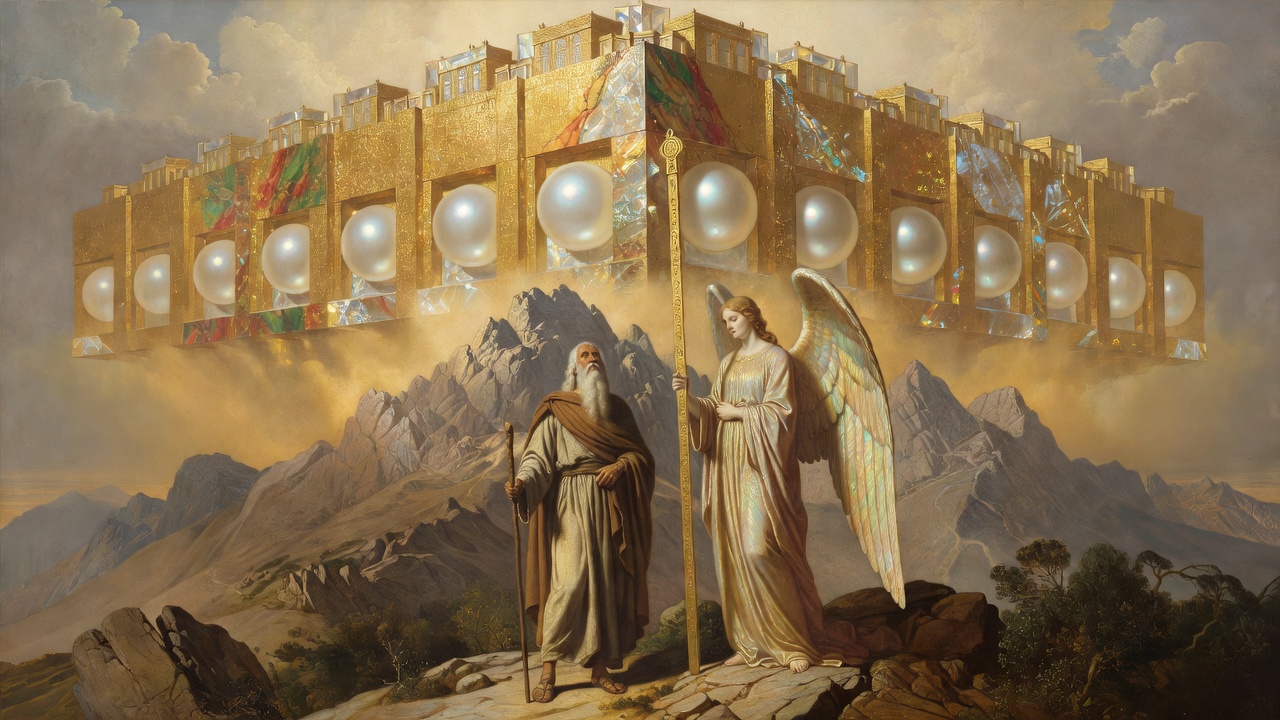
Did you know?
The New Jerusalem
- In this vision the city coming down from heaven is called the holy city, the new Jerusalem. Jerusalem was also known as the holy city and the city of God, and in Arabic it is el-Khuds, meaning the holy. Its name is in a dual form and means possession of peace or foundation of peace.Sources: the Bible text itself · Jerusalem
- The seer is carried in the Spirit to a great and high mountain and shown that holy city descending. Jerusalem is described as a mountain city enthroned on a mountain stronghold, and the dual form of the name probably refers to the two mountains on which it was built, Zion and Moriah, or, as some suppose, to the upper and lower city.Sources: the Bible text itself · Jerusalem
- The city wall has twelve gates, three on each side, inscribed with the names of the twelve tribes of Israel. Israel is another name for Jacob, explained as one who follows on another's heels, or as a supplanter.Sources: the Bible text itself · Jacob (Israel)
Notes written with AI assistance from open sources (Theographic Bible Metadata, CC BY-SA 4.0; Easton’s Bible Dictionary, public domain) and reviewed before publishing.
Places in this chapter
Only places identified with high confidence are shown (90% or more according to the scholarly sources compiled by OpenBible). Period map: DARE (Digital Atlas of the Roman Empire), CC BY 4.0; modern map: © OpenStreetMap contributors; places: OpenBible.info (CC BY 4.0).
Credits and license for this translation
Diiloŋ-nelma Tobisĩfɛlɛnni
New Testament in Cerma (UV:cme:Cerma)
copyright © 2011 Wycliffe Bible Translators, Inc.
Language: (Cerma)
Translation by: Wycliffe Bible Translators, Inc.
Copyright Information
© 2011, Wycliffe Bible Translators, Inc. All rights reserved.
This translation text is made available to you under the
terms of the Creative Commons License: Attribution-Noncommercial-No Derivative Works.
( http://creativecommons.org/licenses/by-nc-nd/3.0/ )
In addition, you have permission to port the text to different file formats, as long as you
do not change any of the text or punctuation of the Bible.
You may share, copy, distribute, transmit, and extract portions
or quotations from this work, provided that you include the above copyright
information:
You must give Attribution to the work.
You do not sell this work for a profit.
You do not make any derivative works that change any of the actual words or punctuation of the Scriptures.
Permissions beyond the scope of this license may be
available if you contact
us with your request.
The New Testament
in Cerma
© 2011, Wycliffe Bible Translators, Inc. All rights reserved.
This translation is made available to you under the terms of the
Creative Commons Attribution-Noncommercial-No Derivatives license 4.0.
You may share and redistribute this Bible translation or extracts from it in any format, provided that:
You include the above copyright and source information.
You do not sell this work for a profit.
You do not change any of the words or punctuation of the Scriptures.
Pictures included with Scriptures and other documents on this site are licensed just for use with those Scriptures and documents.
For other uses, please contact the respective copyright owners.
2014-04-23
Source: http://ebible.org/cmeNT/ · eBible.org