Matthew 2
Diiloŋ-nelma Tobisĩfɛlɛnni · Tap a verse to see its cross-references.
Hiriemba namba taara Yesu terieŋgu‑i
1Yesu huɔŋ Betelɛmu, dii *Yude mara nuɔ. Huɔŋgu faŋgu-na, *Erɔdi yaa waa *Yude yuŋgu-na. Uŋ huɔŋ, hiriemba namba waa bãpagũŋgu-na; baa sire a jo *Yerusalɛmu‑i-na 2a ji ta ba yuure u kũŋgu‑i wuɔ: «*Yuifu ba nellentieŋo maŋ huɔŋ fɛlɛmma‑i uu dii hie? I daa u mɔɛle‑i bãpagũŋgu-na ku'i ciɛ i sire tiɛ jo diɛ ji jaal-o.»
3Erɔdiŋ nuɔ nel daama‑i, u huɔŋ kaa pãŋ cu ka hel baa Yerusalɛmutaamba‑i hiere. 4Wuɔ bĩ *Diilojigãntaamba yuntaamba maŋ waa nelle-na hiere baa *ãnjĩnamma pigãataamba‑i a ji yuu-ba wuɔ: «Diiloŋ uŋ pãa nuŋgu‑i wuɔ u ka saaŋ *Koŋkortieŋo maŋ, u saaya u hoŋ terieŋ haku‑i nuɔ‑i?» 5Baa cira: «U saaya u hoŋ Betelɛmu dii Yude mara nuɔ. *Diilopɔpuɔrbiloŋo nyɛgãaŋ ma yaa‑i wuɔ:
6‹Betelɛmutaaŋ namaa,
baa na ta na ne wuɔ sĩ Yude nilɛiŋa-na hiere
namaa nelle yaa huoŋ-nu dɛ!
Umaŋ ka waa *Isirahɛl-baamba yuŋ-nu,
umaŋ ka ta mi baamba yaaŋ-na tuɔ ne-ba,
u ka hoŋ namaa nelle yaa nuɔ‑i.› »
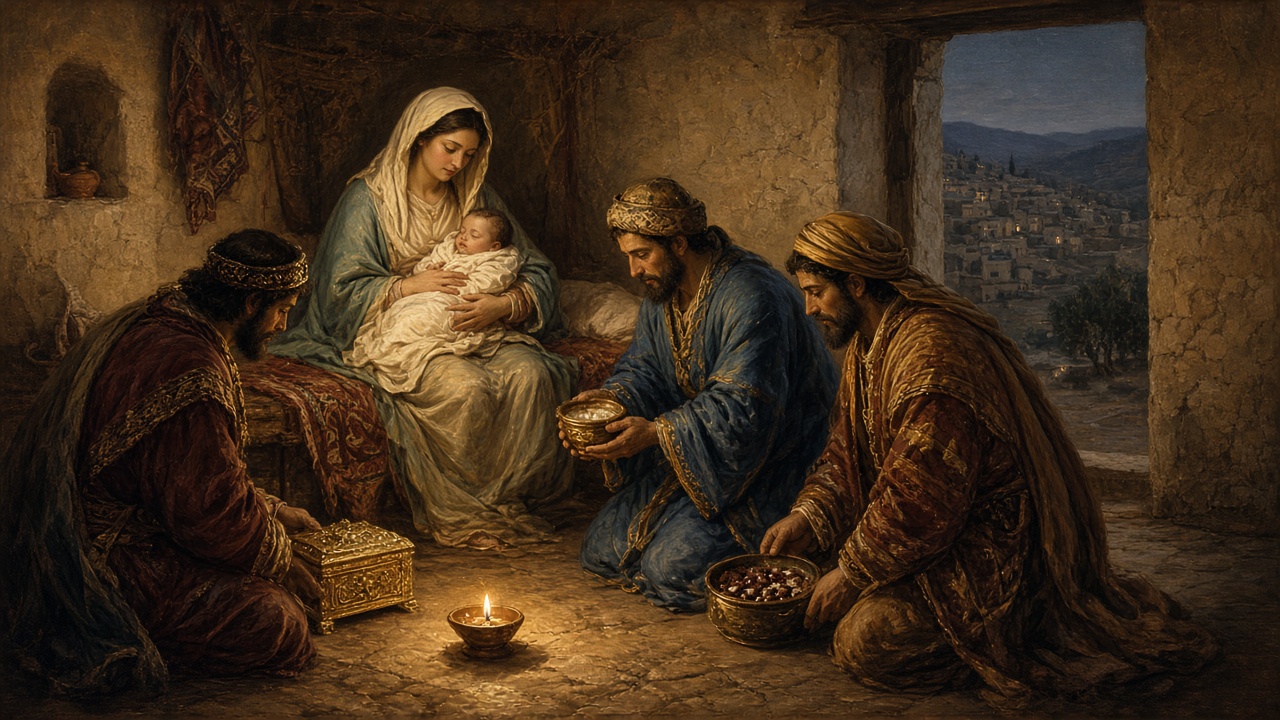
7Erɔdiŋ juɔ suɔ *Kirsa muŋhommuŋ-terieŋgu‑i, wuɔ cuo bĩ hirieŋ daaba‑i a ji yuu-ba suɔ mɔɛl daadeŋ duɔŋ ta di hel huɔŋgu maŋ nuɔ‑i. 8Uŋ juɔ yuu ba piiye tũnu-yuɔ, wuɔ cira: «Kãaŋ Betelɛmu‑i-na na ka yuure u kũŋgu‑i jeje na ne; da na ka da-yo, na jo na ji tũnu muɔŋo‑i mi bi kã ka jaal-o.»
9Erɔdiŋ piiye baa-ba tĩ, baa sire ta ta ba kã Betelɛmu‑i-na. Ba'a ba ne, tiraa da mɔɛl daade‑i ba yaaŋga-na di wuɔ di kã. Baa ta ba nyaanu-diɛ. Diŋ kaa hi biloŋ uŋ waa terieŋgu maŋ nuɔ‑i, diɛ yiɛra ku yudɔrɔ‑i-na. 10Ba hɔŋ muɔ gbuu pãŋ fɛ̃. 11Baa har suur ka da biloŋo‑i baa u nyu‑i. Baa dũuna jaal-o aa naa fir ba coŋgorni‑i hiel sɛ̃nɛ hã-yo baa wusũnaŋo a naara *miir-namma.
12Baŋ juɔ'a ba bir, Diiloŋ wuɔ piiye baa-ba dãnsãaŋ-nu wuɔ ba baa kã Erɔdi terieŋgu-na ka tũnu-yuɔ. Baa pãŋ biɛ ba deŋ hũmelle.
Yosɛfubaa-ba gbaraa kã Esipi
13Hirieŋ baŋ taa, Itieŋo *dɔrpɔpuɔrbiloŋ wuɔ carra Yosɛfu‑i dãnsãaŋ-nu a waŋ baa-yo wuɔ: «Yosɛfu, *Erɔdi ka sire wuɔ u taara naacombiloŋo‑i ko-yo. Sire ŋ gbar baa-yo baa nyuŋo‑i hiere na ka tĩɛna Esipi. Da mi saa ji cira na jo, molo baa jo.» 14Yosɛfu wuɔ bi sire isuɔŋgu faŋgu-na a biɛ naacombiloŋo‑i baa u nyu‑i hũu ŋ hã-mi! Esipi. 15U kãa ka tĩɛna kusuɔŋ-nu'i Erɔdi ji tuɔ ku. Itieŋ uŋ ciɛ u *pɔpuɔrbiloŋo waŋ nelma maŋ, ma'i sa juɔŋ daama‑i wɛi? Pɔpuɔrbiloŋo waaŋ-ma wuɔ:
«Mi ciɛ mi biɛŋo hel Esipi‑i-na.»
Erɔdiŋ ciɛ karaaŋgu maŋ baa Betelɛmutaamba‑i
16*Erɔdiŋ juɔ niya naa, wuɔ suɔ wuɔ hirieŋ daaba tãalãa-yo aa cor ba deŋ. U huɔŋ kaa gbuu pãŋ du. Wuɔ cira ba wuɔra ko naacombiemba maŋ saa cor bieŋa hãi yogo Betelɛmu‑i-na hiere baa nilɛiŋa maŋ u kɔtɔnni-na. Hiriemba naa pigãaŋ-yo huɔŋgu faŋgu yaa‑i wuɔ mɔɛle duɔŋ ta di hel. 17*Diiloŋ uŋ puɔraa *Seremi waŋ mamaŋ, ma'i saa ce daama‑i wɛi? Seremi waaŋ-ma wuɔ:
18«I nu molo kaal Arama‑i-na;
kutieŋo kaal kuliiŋ-kaaluŋgu.
Arasɛl yaa kaalaaŋ wuɔ ba kuɔ u bisãlmba.
U sa nu gbɛ̃nyɛmma.
U bisãlmba taa aa yaŋ-yo.»
Yosɛfubaa-ba siire ka tĩɛna Nasarɛti
19*Erɔdiŋ juɔ ku, Itieŋo *dɔrpɔpuɔrbiloŋo naŋ wuɔ carra Yosɛfu‑i dãnsãaŋ-nu dii Esipi‑i-na 20a waŋ baa-yo wuɔ: «Bamaŋ taa ba taara ba ko naacombiloŋo‑i ba kuu. Sire ŋ biɛ-yo baa nyuŋo‑i na bir na kã *Isirahɛl-na.» 21Yosɛfu wuɔ bi sire a biɛ naacombiloŋo‑i baa u nyu‑i ba bir kã Isirahɛl-na. 22Erɔdi biɛŋo naŋo waa, ba taa ba bĩ-yo Arkelɔsi. Yosɛfuŋ kãa, wuɔ nu-ma wuɔ tuoŋ uŋ kuu, u yaa ciɛ nellentieŋo‑i *Yude‑i-na. Kor maa ta ma da Yosɛfu‑i u saa siɛ duɔ kã ka tĩɛna terieŋgu-na. Diiloŋ wuɔ piiye baa-yo dãnsãaŋ-nu wuɔ u kã u ka tĩɛna *Galile mara nuɔ. 23Wuɔ kã ka tĩɛna Galile nelle nande-na ba bĩ-de Nasarɛti. *Diilopɔpuɔrbiemba waaŋ-ma wuɔ: «Ba ka ta ba bĩ *Koŋkortieŋo‑i Nasarɛtiyiɛŋo», ma bi ciɛ.
Did you know?
Magi, Herod, and Nazareth
- The King Herod of this chapter is Herod the Great. His son Archelaus, by Malthace, a Samaritan woman, inherited a third of the kingdom: Idumea, Judea, and Samaria. Until a few days before Herod's death another son, Antipas, had been named successor, but in his last moments Herod named Archelaus; for fear of him, Joseph turned aside from Judea and withdrew to Galilee.Sources: Archelaus · the Bible text itself
- Matthew links the deaths of the boys in Bethlehem to words spoken through the prophet Jeremiah: a voice in Ramah, Rachel weeping for her children. Rachel, one of Jacob's wives, died giving birth to Benjamin and was buried by the wayside on the road to Ephrath, that is Bethlehem, directly north of the town. Her sepulchre is regarded with great veneration by the Jews.Sources: the Bible text itself · Rachel · Bethlehem
- Bethlehem, in the hill country of Judah, was earlier called Ephrath and was also known as the city of David; under the Romans it lay in Judea, the southernmost of the three divisions of Palestine. Joseph and Mary went instead to Nazareth in Galilee, their home, a town not mentioned in the Old Testament. The name Nazareth is generally supposed to come from the Hebrew netser, a shoot or sprout, though some connect it with a word for guarding or watching.Sources: Bethlehem · Judea · Nazareth · the Bible text itself
Notes written with AI assistance from open sources (Theographic Bible Metadata, CC BY-SA 4.0; Easton’s Bible Dictionary, public domain) and reviewed before publishing.
Places in this chapter
- Bethlehem · 31.704, 35.208 · verses 1, 5, 6, 8, 9, 16
- East · Today: region around Amman · 31.955, 35.934 · verses 1, 2, 9
- Jerusalem · 31.777, 35.234 · verses 1, 3
- Judea · Today: Judea 1 · 31.777, 35.234 · verses 1, 5, 22
- Egypt · 30.129, 31.308 · verses 13, 14, 15, 19
- Galilee · 32.760, 35.527 · verse 22
- Nazareth · 32.702, 35.298 · verse 23
Only places identified with high confidence are shown (90% or more according to the scholarly sources compiled by OpenBible). Period map: DARE (Digital Atlas of the Roman Empire), CC BY 4.0; modern map: © OpenStreetMap contributors; places: OpenBible.info (CC BY 4.0).
Credits and license for this translation
Diiloŋ-nelma Tobisĩfɛlɛnni
New Testament in Cerma (UV:cme:Cerma)
copyright © 2011 Wycliffe Bible Translators, Inc.
Language: (Cerma)
Translation by: Wycliffe Bible Translators, Inc.
Copyright Information
© 2011, Wycliffe Bible Translators, Inc. All rights reserved.
This translation text is made available to you under the
terms of the Creative Commons License: Attribution-Noncommercial-No Derivative Works.
( http://creativecommons.org/licenses/by-nc-nd/3.0/ )
In addition, you have permission to port the text to different file formats, as long as you
do not change any of the text or punctuation of the Bible.
You may share, copy, distribute, transmit, and extract portions
or quotations from this work, provided that you include the above copyright
information:
You must give Attribution to the work.
You do not sell this work for a profit.
You do not make any derivative works that change any of the actual words or punctuation of the Scriptures.
Permissions beyond the scope of this license may be
available if you contact
us with your request.
The New Testament
in Cerma
© 2011, Wycliffe Bible Translators, Inc. All rights reserved.
This translation is made available to you under the terms of the
Creative Commons Attribution-Noncommercial-No Derivatives license 4.0.
You may share and redistribute this Bible translation or extracts from it in any format, provided that:
You include the above copyright and source information.
You do not sell this work for a profit.
You do not change any of the words or punctuation of the Scriptures.
Pictures included with Scriptures and other documents on this site are licensed just for use with those Scriptures and documents.
For other uses, please contact the respective copyright owners.
2014-04-23
Source: http://ebible.org/cmeNT/ · eBible.org