Matthew 13
Diiloŋ-nelma Tobisĩfɛlɛnni · Tap a verse to see its cross-references.
Fũmanarãŋo naŋ maama
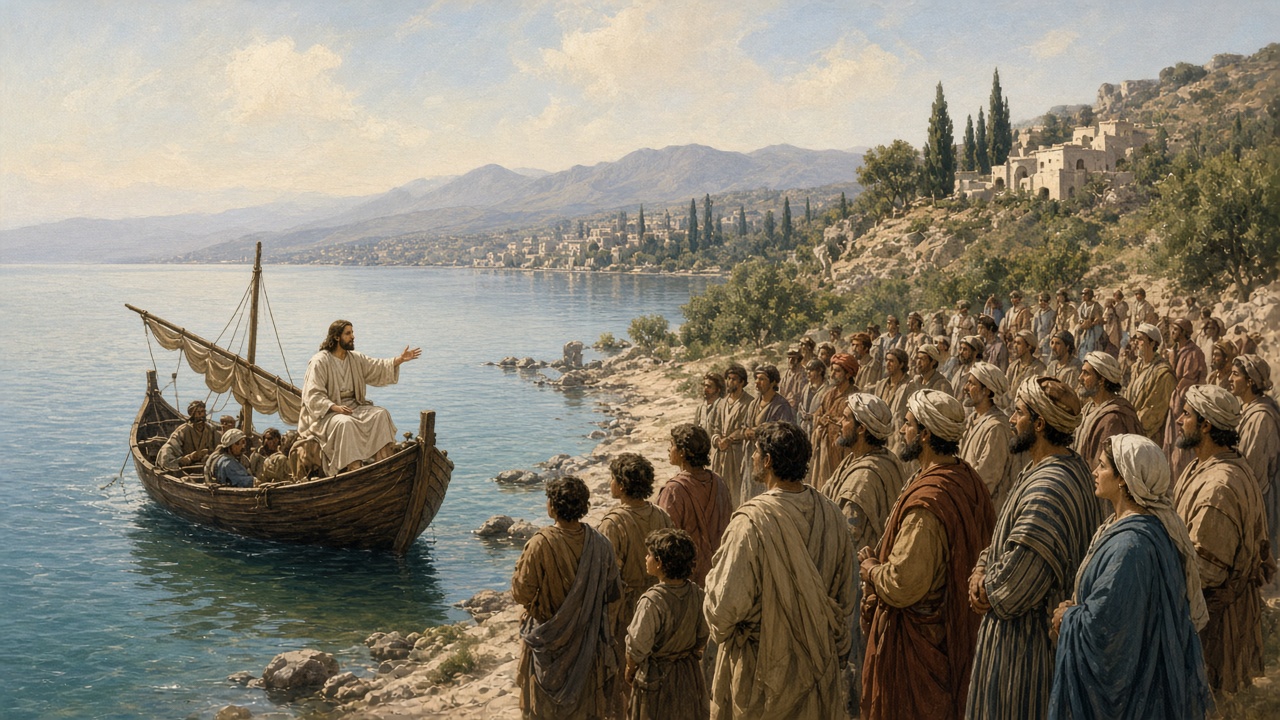
1Yinduɔŋgu faŋgu-na, Yesu wuɔ sire hel kã ka tĩɛna dalaŋga nuŋgu-na. 2Nuɔmba jo ji yu-yuɔ. Wuɔ bel nyugũŋ beŋo naŋo-na tĩɛna aa nuɔmba waa bomborma-na. 3Uŋ tĩɛnaana, wuɔ biɛ gbãnɛini tuɔ naŋ baa-ba wuɔ: «Naacolŋo naŋo kãa ka naŋ fũma u suoŋgu-na. 4Fũma naŋo kã ka diire hũmelleŋ-huɔŋ-na, huriimba jo ji wuo ufaŋo‑i. 5Unaŋo kã ka diire tãmpɛ̃lleŋ-terieŋ-nu. Hĩɛma saa waa bɔi terieŋgu-na; a ce u pa yaŋ unaŋo‑i. 6Uŋ paa, u kaasĩnni saa gbãa suur kã yaaŋ-na. Bãaŋguŋ juɔ doŋ ta ku jo, wuɔ kuol hiere kpɛ̃mmu! 7Unaŋo kã ka diire hĩɛŋ-nu. Hĩɛŋgu tu suuye-yuɔ. 8Umaŋ diiriiye suoŋ-huɔŋga-na munterfafammu-na, u sire gbuu kpatalla: unaŋo bieŋa komuɔŋa da-a-ndii, unaŋo bieŋa komuɔŋa sa-a-siɛi, unaŋo komuɔŋa baa cĩncielbaa.»
9Yesuŋ waaŋ mafamma‑i wuɔ cira: «Umaŋ duɔ u ka nu, u nu!»
Kumaŋ ciɛ Yesu tuɔ naŋ gbãnɛini‑i
10Yesuŋ juɔ naŋ tĩ, u *hãalãbiemba piɛ u caaŋ-nu ka cira: «Itie, bige‑i ciɛ ŋ ta ŋ naŋ gbãnɛini baa nuɔmba‑i?»
11Yesu wuɔ cira: «Diiloŋo ciɛ baa namaaŋo‑i. U *nellentesĩnni maama maŋ fuyaa, u pigãaŋ namaaŋo‑i baa-ma, a ne da banamba sa suɔ kunaŋgu mɛi. 12Umaŋ duɔ tuɔ suɔ yiɛŋgu, kunaŋgu ka ta ku naara u sɔsuɔmuŋgu‑i; ŋga umaŋ duɔ u sa suɔ bĩŋkũŋgu, cɛllɛ-kũŋgu maŋ uŋ suɔ-kuŋ, ku ka kor-yuɔ. 13Na saa da, kumaŋ ciɛ mi ta mi naŋ gbãnɛini‑i baa-ba, yufieŋa dii baa-ba, ŋga ba sa da baa-ya. Tũnni dii baa-ba, ŋga ba sa nu baa-ni. Ba sa suɔ nelmaŋ kãŋ yaŋga maŋ nuɔ‑i. 14Diiloŋ uŋ puɔraa *Isayi waŋ mamaŋ, ma'i sĩ daama‑i wɛi? Isayi waaŋ-ma wuɔ: ‹Diiloŋo ciɛra wuɔ:
«Na ka ta na nu nelma‑i,
ŋga na siɛ ta na suɔ ma yaaŋga‑i.
Na ka ta na ne colcol, ŋga na siɛ ta na da bĩŋkũŋgu.
15Hama‑i nuɔ‑i?
Bande ku nuɔmba nyaayã ba fɛrɛ cor;
ba suunu ba tũnni‑i
aa suuye ba yufieŋa‑i.
Ba sa taara ba da bĩŋkũŋgu.
Ba sa taara ba nu wɛima.
Ba sa bi taara ba suɔnu kunaŋgu aa jo mi wulaa mi ji kor-ba.»› »
16Yesu wuɔ cira: «Namaa fuɔ, na yunni dɔlaa; na da baa na yufieŋa‑i aa ta na nu baa na tũnni‑i. 17Mi waŋ ninsoŋo‑i baa-na: *Diilopɔpuɔrbiemba bɔi baa nelviimba bɔi taa ba taara ba da naŋ daŋ kumaŋ, aa nu naŋ nuŋ mamaŋ, ŋga ba saa da ma diei, ba saa bi nu ma diei.»
Yesu firiinu fũmanarãŋo gbãnalãaŋgu‑i
18Yesuŋ waaŋ mafamma‑i, wuɔ cira: «Karaaŋ na tũnni‑i na nu fũmanarãŋo gbãnalãaŋgu yuŋgu‑i: 19Nuɔmba naŋ hɔmmu dii ŋaa hũmelleŋ-huɔŋga; da ba nu *Diiloŋ-bãaŋgu maama‑i ba sa bel-ma nammu hãi, ba yaŋ *Bigãarãŋo jo ji hiel-ma aa yaŋ-ba. 20Banaŋ hɔmmu dii ŋaa tãmpɛ̃lleŋ-terieŋgu; da ba nu Diiloŋ-nelma‑i ma pãŋ dɔlnu-bɛi ba hũu-ma. 21Ŋga ma siɛ gbãa naŋ kaasĩnni. A ce dumaaŋo-na wɛiŋ da ma da kutaamba‑i, sisɔ da ba ta ba huol ba yammu‑i ma maama-na, ba har jĩna. 22Banaŋ hɔmmu dii ŋaa hĩɛŋ-terieŋgu; da ba nu Diiloŋ-nelma‑i ba yaŋ ãnjɔguɔma‑i baa gbeiŋ-maama jo ji suuye-mɛi; a ce ma sa da belle ba wulaa. 23A ne da banaŋ hɔmmu dii ŋaa hĩɛfafamma; da ba nu Diiloŋ-nelma‑i ba suɔ ma yuŋgu‑i aa wuɔ ma hũmelle‑i diŋ saaya di wuɔ dumaa. Kufaŋgu taamba yaa dii ŋaa fũma maŋ gbuu sire kpatalla; unaŋo bieŋa komuɔŋa da-a-ndii, unaŋo bieŋa komuɔŋa sa-a-siɛi, unaŋo komuɔŋa baa cĩncielbaa.»
Suontieŋo naŋo baa u bigãarãŋo
24Yesu wuɔ tiraa naŋ gbãnalãaŋgu naŋgu baa-ba wuɔ: «*Diiloŋ-nellentesĩnni dii ŋaa moloŋo maŋ siire ka duu dĩmma u suoŋgu-na aa jo ji tĩɛna. 25Isuɔŋgu naŋgu-na, u bigãarãŋo naŋo yaŋ nuɔmba duɔfũŋ aa sire ka naŋ hɛ̃bieŋa dĩmma hɔlma-na. 26Dĩmmaŋ juɔ ta ma hoŋ huɔŋgu-na, suontieŋo maacembiemba da hĩɛŋ daaku‑i. 27Ba jo ji ta ba yuu suontieŋo‑i wuɔ: ‹Yuntie, ma sĩ ŋ duu dĩmma'i ma kula suoŋgu-na kɛ, hĩɛŋgu maama niɛ?›
28«Suontieŋo gbɛ̃-ba wuɔ: ‹Unaŋo sĩ, mi bigãarãŋo naŋo'i ciɛ mafamma‑i.›
«Maacembiemba cira: ‹I kã ka for-ku nanna wɛi?›
29«Suontieŋo gbɛ̃-ba wuɔ: ‹Yaaŋ-kuŋ, baa na for-ku; da na'a na for-ku, na ka for baa dĩmma namma. 30Yaaŋ ni vãa hiere. Dĩŋ da ma ji hi karma, mi ka ce ba for ku yaa igɛ̃na a tigiiŋ-ku caa-ku aa suɔ kar mi dĩmma‑i dii-ma inɔŋgɔ̃-na hã-mi.›»
Diiloŋ-nellentesĩnni dii ŋaa mutardi-belle
31Ku huoŋgu-na, Yesu wuɔ tiraa naŋ gbãnalãaŋgu naŋgu baa-ba wuɔ: «*Diiloŋ-nellentesĩnni dii ŋaa mutardi-belle maŋ baŋ duu-de. 32Mutardi-belle yaa yuraanu yaŋ hiere, ŋga da di pa, di sire maar niifiɛlu‑i hiere a ce tibiiŋgu huriimba ta ba jo ba sɛ kamma kuɔ.»
Diiloŋ-nellentesĩnni dii ŋaa konsiini
33Aa naa tiraa cira: «*Diiloŋ-nellentesĩnni dii ŋaa konsiini. Da ba par-ni ba nakoluoŋ-nu a du burjũmmu‑i kolloyufieŋa siɛi baa-ni, ni sire-muɔ hiere.»
Kumaŋ ciɛ Yesu tuɔ naŋ gbãnɛini‑i?
34Yesu waaŋ nel daama‑i hiere baa nuɔmba‑i gbãnɛiniŋ; duɔ puur duɔ piiye gbãnalãaŋgu, a puur duɔ piiye gbãnalãaŋgu. 35*Diilopɔpuɔrbiloŋ uŋ waaŋ mamaŋ ma'i sĩ daama‑i wɛi? Diilopɔpuɔrbiloŋo waaŋ-ma wuɔ: «Diiloŋo ciɛra wuɔ:
‹Mi ji ta mi piiye baa-ba gbãnɛiniŋ.
Mamaŋ naa fuo dii miwaaŋo domma-na,
mi ka waŋ-ma baa-ba.›»
Yesu firnu suontieŋo‑i baa u bigãarãŋo‑i ba gbãnalãaŋgu‑i
36Yesuŋ juɔ piiye tĩ, wuɔ yaŋ nuɔmba‑i aa naa ta kũŋ. U *hãalãbiemba kã u wulaa ka cira: «Niŋ naaŋ gbãnalãaŋgu maŋ wuɔ suontieŋo naŋo duu dĩmma aa u bigãarãŋo kã ka naŋ hɛ̃bieŋa dĩmma hɔlma-na, ŋ sa firnu-kuɔ baa-ye i suɔ ku yuŋgu‑i wɛi?»
37Yesu wuɔ cira: «*Moloŋ-Biɛŋo yaa suontieŋo‑i; u yaa duu dĩmma‑i. 38U suoŋgu yaa miwaaŋo‑i. Dĩmma yaa bamaŋ cuu Diiloŋo huoŋ-nu aa hɛ̃bieŋa yaa bamaŋ cuu *Bigãarãŋo huoŋ-nu. 39Suontieŋo bigãarãŋo yaa *Sitãni‑i. U yaa kãa ka naŋ hɛ̃bieŋa‑i dĩmma hɔlma-na. Dĩkara-huɔŋgu yaa miwaaŋo tĩmmaŋ-huɔŋgu‑i aa dĩkartaamba yaa *dɔrpɔpuɔrbiemba‑i. 40Baŋ kaal hĩɛŋgu‑i ba caa-ku dumaa, miwaaŋo tĩmma-na, ku ka waa dumɛi. 41Yiiŋgu faŋgu-na, Moloŋ-Biɛŋo ka ce u dɔrpɔpuɔrbiemba jo ji bel bamaŋ guɔlaaŋ nuɔmba gbeini‑i baa bamaŋ ciɛŋ ãmbabalma‑i hiere a hiel-ba u nelle-na 42ka caa-ba dãŋgbɔguɔŋgu-na. Kaaluŋgu siɛ ji waa dɛi. 43Ŋga bamaŋ wuɔyaaŋ Diiloŋ-hũmelle‑i, ba ka waa huɔŋgu faŋgu-na ba To nelle-na ta ba gbu ba caa ŋaa bãansɛ̃niɛŋgu. Umaŋ duɔ u ka nu, u nu!»
Diiloŋ-nellentesĩnni dii ŋaa sɛ̃nɛ
44«*Diiloŋ-nellentesĩnni dii ŋaa sɛ̃nɛ maŋ fuyaa suoŋgu naŋgu-na, naacolŋo naŋo kã ka paya-yuɔ. U huɔŋga gbuu fɛ̃, u migãaŋ fuo-yo aa kã ka suor u nagãŋ-niini‑i hiere a jo ji sãa suoŋgu faŋgu‑i.»
Diiloŋ-nellentesĩnni dii ŋaa niibilieŋgu
45«*Diiloŋ-nellentesĩnni tiraa ni ye ŋaa torgoceroŋo maŋ taaraayaŋ niibilefafanni duɔ sãa. 46U juɔ da sukpekpelluŋ-kũŋgu naŋgu‑i, u kã ka suor u nagãŋ-niini‑i hiere a sãa-ku.»
Diiloŋ-nellentesĩnni dii ŋaa juɔŋo
47«*Diiloŋ-nellentesĩnni tiraa ni ye ŋaa tetebeljuɔŋo. Da ba naŋ juɔŋo‑i, duɔ hi teterieŋo teterieŋo, u bel. 48Da ba fa-ba hel baa-ba hũmma-na, ba kã ka tĩɛna fiɛl baafafaamba‑i aa nanna baababalaamba‑i. 49Miwaaŋo tĩmma ka waa dumɛi: *Dɔrpɔpuɔrbiemba ka jo ji fiɛl nelbabalaamba‑i hiel-ba nelfafaamba-na 50ka dii-ba dãŋgbɔguɔŋgu-na. Kaaluŋgu siɛ ji waa dɛi.»
51Yesuŋ waaŋ mafamma‑i, wuɔ yuu u *hãalãbiemba‑i wuɔ: «Miŋ waaŋ mamaŋ, na nuɔ-ma hiere wɛi?»
Baa cira: «Ũu, i nuɔ-ma.»
52Yesu wuɔ cira: «*Ãnjĩnamma pigãatieŋo maŋ duɔ hũu-ma hãalã Diiloŋ-nellentesĩnni kũŋgu‑i, uu dii ŋaa dumɛllentieŋo maŋ hielaaŋ bĩmbĩfɛlɛnni‑i baa niicɔlɔnni‑i u muntierammu-na u hã nuɔmba‑i.»
Nasarɛtitaamba cĩinaana Yesu‑i
53Yesuŋ juɔ naŋ gbãnɛini‑i tĩ, wuɔ ta terieŋgu faŋgu-na 54a kã ba nelle-na. Uŋ kãa, wuɔ kã ba *Diilonelhãalãdũŋgu-na ka tuɔ waŋ Diiloŋ-nelma‑i baa-ba. Kuɔ cu ba hɔmmu‑i. Baa ta ba piiye wuɔ: «Fuɔ kaa hel baa nelnul daade‑i hie? U ciɛ niɛ tuɔ gbã u ce hiŋ daama temma‑i? 55Ma sĩ fãnaŋo biɛŋo yaa kɛ? Maari biɛŋo'i sĩ wɛi? Fuɔ hãaŋo naŋo yaa baŋ bĩŋ-yoŋ Sake‑i, unaŋo‑i Yosɛfu, unaŋo‑i Simɔ aa unaŋo‑i *Yuda. 56U tũɔbaa-ba dii baa-ye tĩɛnamma-na. Fuɔ kaa hel baa hiŋ daama‑i hie?»
57Kuŋ ciɛ dumaaŋo-na, ba saa gbãa hũu Yesu nelma‑i. Yesu wuɔ gbɛ̃-ba wuɔ: «Ba kãŋ *Diilopɔpuɔrbiloŋo‑i terni-na hiere; ŋga u nelleŋ-baamba‑i baa u dũŋ-baamba sa kãŋ-yo.» 58Baŋ'a ba saa hũu u nelma‑i dumaaŋo-na, u saa ce gbɛrɛ-wɛima bɔi terieŋgu-na.
Did you know?
Parables of the Kingdom of Heaven
- On the day this chapter describes, Jesus left the house and sat by the sea. The crowd grew so large that he got into a boat and taught from there, while the people stood on the shore, and he told them nothing except in parables. One timeline dates these seaside parables to AD 28.Sources: the Bible text itself · Seaside Parables and Miracle
- When the disciples asked why he spoke to the people in parables, Jesus answered that the knowledge of the mysteries of the kingdom of heaven had been given to them, but not to the crowds. He said Isaiah’s prophecy was fulfilled in the crowds: they would keep hearing and seeing, yet never understand or perceive, because their heart had grown callous. Easton’s Bible Dictionary (1897) describes Isaiah as the son of Amoz, who prophesied during the reigns of Uzziah, Jotham, Ahaz, and Hezekiah.Sources: the Bible text itself · Isaiah
- Jesus later came to his hometown, taught in the synagogue, and the people took offense at him. They asked whether he was the carpenter’s son, named his mother Mary and his brothers James, Joseph, Simon, and Judas, and noted that his sisters were living among them; because of their unbelief he did not do many miracles there. Mary is identified as the wife of Joseph and the mother of Jesus, Simon as one of the Lord’s brothers, and one timeline dates this second rejection at Nazareth to AD 29.Sources: the Bible text itself · Mary (Mother of Jesus) · Simon · 2nd Rejection at Nazareth
Notes written with AI assistance from open sources (Theographic Bible Metadata, CC BY-SA 4.0; Easton’s Bible Dictionary, public domain) and reviewed before publishing.
Places in this chapter
- Nazareth · 32.702, 35.298 · verse 54
Only places identified with high confidence are shown (90% or more according to the scholarly sources compiled by OpenBible). Period map: DARE (Digital Atlas of the Roman Empire), CC BY 4.0; modern map: © OpenStreetMap contributors; places: OpenBible.info (CC BY 4.0).
Credits and license for this translation
Diiloŋ-nelma Tobisĩfɛlɛnni
New Testament in Cerma (UV:cme:Cerma)
copyright © 2011 Wycliffe Bible Translators, Inc.
Language: (Cerma)
Translation by: Wycliffe Bible Translators, Inc.
Copyright Information
© 2011, Wycliffe Bible Translators, Inc. All rights reserved.
This translation text is made available to you under the
terms of the Creative Commons License: Attribution-Noncommercial-No Derivative Works.
( http://creativecommons.org/licenses/by-nc-nd/3.0/ )
In addition, you have permission to port the text to different file formats, as long as you
do not change any of the text or punctuation of the Bible.
You may share, copy, distribute, transmit, and extract portions
or quotations from this work, provided that you include the above copyright
information:
You must give Attribution to the work.
You do not sell this work for a profit.
You do not make any derivative works that change any of the actual words or punctuation of the Scriptures.
Permissions beyond the scope of this license may be
available if you contact
us with your request.
The New Testament
in Cerma
© 2011, Wycliffe Bible Translators, Inc. All rights reserved.
This translation is made available to you under the terms of the
Creative Commons Attribution-Noncommercial-No Derivatives license 4.0.
You may share and redistribute this Bible translation or extracts from it in any format, provided that:
You include the above copyright and source information.
You do not sell this work for a profit.
You do not change any of the words or punctuation of the Scriptures.
Pictures included with Scriptures and other documents on this site are licensed just for use with those Scriptures and documents.
For other uses, please contact the respective copyright owners.
2014-04-23
Source: http://ebible.org/cmeNT/ · eBible.org