Matthew 10
Diiloŋ-nelma Tobisĩfɛlɛnni · Tap a verse to see its cross-references.
Yesu hãa u hãalãbiemba‑i himma
1Uŋ waaŋ mafamma‑i, wuɔ bĩ u *hãalãbieŋ cĩncieluo ba hãi baamba‑i a hã-ba himma ba da ba gbãa ta ba donya *jĩnabaa-ba‑i aa ta ba sire jaamba‑i ba sĩnni-na hiere. 2U hãalãbiemba famba yaa u *pɔpuɔrbiemba‑i. Ba yirɛiŋa yaa daaya: Dĩɛlã-wuoŋo yaa Simɔ, baa u hãaŋo‑i Ãndere. Simɔ yerre nande yaa Piɛr. A naara Sebede bɛmba‑i ba hãi‑i-na: Sake baa Nsãa‑i. 3A naara Filipu baa Batelemi. Toma baa Matie. Matie waa *nampohũutieŋo. A naara Sake maŋ Alfe biɛŋo‑i, baa Tade. 4A naara Simɔ maŋ taa u kuye u nelle maama‑i, baa *Yuda‑Isikaro. U yaa juɔ hel Yesu huoŋgu-na.
Yesu puɔraa u pɔpuɔrbiemba‑i
5Yesuŋ hãa u *pɔpuɔrbiemba‑i himma‑i, wuɔ puɔr-ba aa naa waŋ baa-ba wuɔ: «Mi saa cira na kã *niɛraaŋ wulaa, mi saa bi cira na kã *Samari. 6Kãaŋ *Isirahɛl-baamba yaa wulaa‑i. Ba baala ŋaa tũlmba. 7Da na hi terieŋgu terieŋgu, na waŋ baa nuɔmba‑i wuɔ *Diiloŋ-bãaŋgu piyaa tĩ. 8Taa na sire jaamba‑i baa bikuomba‑i baa *wontuɔrmba‑i. Taa na donya *jĩnabaa-ba‑i nuɔmba-na. Na daa ku fɔ̃ŋgũɔ‑i gbãŋgbãŋ, taa na bi ce na hã nuɔmba‑i gbãŋgbãŋ. 9Da na'a na ta, molo baa biɛ gbeiŋa, 10molo baa biɛ buɔra, molo baa biɛ joŋgoruo naŋo a naara uŋ diyaa umaŋ, molo baa biɛ naatɛnni, molo baa bi biɛ bũɔle. Maacembiloŋo saaya baa u yerreŋ kalaaŋgu.
11«Da na suur nelle maŋ nuɔ‑i, na taara hartiefɛfɛiŋo baa na fɛrɛ igɛ̃na. Da na da hartieŋo, na tĩɛna baa u yaa‑i a ji hi na tamma‑i nelle fande-na. 12Da na suur dumɛlle maŋ nuɔ‑i, na cira: ‹Tĩyãaŋ dɛi!› 13Da ba siɛ na har dumɛlle fande-na, Diilo yaŋ na jaaluŋgu kãyã di taamba‑i; ŋga da ba saa siɛ na har-bɛi, Diilo yaŋ ba tĩɛ ba temma‑i. 14Da na kã terieŋgu maŋ nuɔ‑i aa ba'a ba sa taara ba da na yufelle, na pir na nallu‑i na ta aa naa yaŋ-ba. 15Mi waŋ ninsoŋo‑i baa-na: Bamaŋ da ba ce mafamma‑i, Diiloŋ duɔ ji tuɔ yuu nuɔmba‑i yiiŋgu maŋ nuɔ‑i, uŋ ka haa kumaŋ kutaamba-na, ku ka balaŋ yaŋ Sodɔmutaamba kũŋgu‑i baa Gomɔrtaamba kũŋgu‑i.»
Mulĩɛma maŋ dii Diiloŋ-maacemma-na
16«Na saa da, miŋ puɔraa-na dumandɛ‑i, kuu dii ŋaa mi ciɛŋ tũlmba ka dii-ba maamunaamba-na. Terieŋgu faŋgu-na, taa na suɔ na fɛrɛŋ belma, aa na baa yaŋ ba da cãlmuɔ haa-nɛi. 17Yaaŋ mi gboya-nɛi jĩna: Ba ka bĩ-na fãamaambaa-ba wulaa ka gɛr-na. Ba ka muo-na *Diilonelhãalãdũnni-na. 18Ba ka kã baa-na fɔ̃ŋgɔ̃taamba wulaa, baa nellentaamba wulaa mɛi maama-na. Na ka hi-ba kusuɔŋ-nu'i baa *niɛraamba‑i hiere a piiye naŋ suɔnuŋ kumaŋ mɛi kũŋgu-na. 19Da ba ji bel-na da ba ka yuu-na, baa na tie holle wuɔ na siɛ ka suɔ naŋ ka waŋ mamaŋ; yaaŋ mafamma‑i na hã Diiloŋo, u kaa pigãaŋ-na baa-ma terduɔŋgu faŋgu-na. 20Ku saa ce ŋaa nelma famma‑i namaa kusũnniŋ-maama'i kaa waa dɛ! Na To yaa kaa ce u *Yalle dii-ma na hɔmmu-na na waŋ-ma.
21«Banamba ka bel ba fɛrɛŋ hãmba hã-ba wuɔ ba ko-ba, banamba ba fɛrɛŋ mɔlbaa, banamba ba bisãlmba, banamba bi sire pu baa ba bĩncuɔmba‑i aa ce ba bel-ba ko-ba. 22Nuɔmba‑i hiere ba ka bigãaŋ-na mɛi maama-na. Ŋga umaŋ duɔ nyaar ka hi ku bãlma‑i, kutieŋo ka kor. 23Da ba donya-nɛi nel daade-na, na gbar na kã daade-na. Mi waŋ ninsoŋo‑i baa-na: *Moloŋ-Biɛŋo ka bir jo ji da na saa hi *Isirahɛl nilɛiŋa‑i hiere.
24«Na saa da, *hãalãbiloŋo sa maar u hãalãtieŋo‑i, aa maacembiloŋo sa bi maar u yuntieŋo‑i. 25Hãalãbiloŋo jɔguɔŋ u ce u hãalãtieŋo temma aa maacembiloŋo jɔguɔŋ u ce u yuntieŋo temma. Da ba gbɛ̃ dumɛllentieŋo‑i wuɔ *Bɛlsebul ba ka tuora u dumɛlleŋ-baamba‑i ka hi hie?»
Umaŋ saaya kãalãmma
26Yesuŋ waaŋ mafamma‑i wuɔ cira: «Terieŋgu faŋgu-na, baa na ta na kãalã nuɔmba‑i. Mamaŋ fuyaa hiere, ma ka hel. 27Da mi fuo waŋ mamaŋ baa-na, hilaaŋ na muonu-mɛi na gbuo terni‑i hiere. 28Baa na ta na kãalã bamaŋ gbãa ko-na aa ba siɛ gbãa ce bĩŋkũŋgu na yalɛiŋa-na. Umaŋ dii kãalãmma, u yaa ŋaa Diiloŋo‑i; u yaa gbãa caa-na baa na yalɛiŋa‑i hiere. 29Tigãlãamba hãi sullu saa cor warbelle diei; a ne da na To duɔ saa hũu-ma, u diei siɛ gbãa par diire. 30Halle na yukuɔsĩnni maŋ daani‑i, Diiloŋo kãaŋ-ni hiere. 31Terieŋgu faŋgu-na, baa na ta na tie holle; na bɔyaa tigãlãamba-na titirre.
32«Umaŋ duɔ yiɛra-mɛi nuɔmba yaaŋga-na wuɔ mɛi wuoŋo, muɔmi ka bi yiɛra-mɛi mi To maŋ dɔrɔ‑i-na u yaaŋga-na wuɔ kutieŋo‑i mɛi bi wuoŋo. 33Ŋga umaŋ duɔ cĩina-miɛ nuɔmba yaaŋga-na, muɔmi ka bi cĩina kutieŋo‑i mi To maŋ dɔrɔ‑i-na u yaaŋga-na.»
Yesu saa jo baa yaafɛ̃lle
34«Baa na ta na ne wuɔ sĩ mi juɔ baa yaafɛ̃lle hĩɛma-na; mi saa jo baa yaafɛ̃lle, mi juɔ baa bɛrru. 35Mi juɔ da mi ji gbo bɛpuɔmba‑i baa ba tobaa-ba‑i, aa gbo biemba‑i baa ba nyubaa-ba‑i, aa bi gbo caamba‑i baa ba hũɔbaa-ba‑i. 36Naŋ fɛrɛŋ dũŋ-baamba ka bigãaŋ-ni.
37«Umaŋ duɔ dɔl u bĩncuɔmba‑i yaŋ muɔŋo‑i, kutieŋo siɛ gbãa cu mi huoŋ-nu. Umaŋ duɔ bi dɔl u bisãlmba‑i yaŋ muɔŋo‑i, kutieŋo siɛ gbãa cu mi huoŋ-nu. 38Aa umaŋ duɔ u sa siɛ mulĩɛma‑i baa kuliiŋgu‑i, u siɛ gbãa cu mi huoŋ-nu. 39Umaŋ duɔ tuɔ kaal baa u yuŋgu yoŋ, kutieŋo ka kɔsuɔŋ u fɛrɛ. Ŋga umaŋ duɔ tuɔ kɔsuɔŋ u fɛrɛ mɛi maama-na, u ka da cicɛ̃lma maŋ sa tĩɛŋ dede‑i.»
Ãnfafamma pã ma tieŋo‑i
40«Umaŋ duɔ suɔ na belma, kutieŋo suyaa mɛi belma yaa‑i. A ne da umaŋ duɔ suɔ muɔmi belma, u suyaa mi pɔpuɔrtieŋo belma yaa‑i. 41Umaŋ duɔ ne *Diilopɔpuɔrbiloŋo maacemma‑i aa bel-o fafamma, Diiloŋ uŋ ka pã u pɔpuɔrbiloŋo‑i dumaa, u ka bi pã kutieŋo‑i dumɛi. Umaŋ duɔ bel nelviiŋo‑i fafamma wuɔ nelviiŋo, Diiloŋo ka pã kutieŋo‑i a saa baa nelviiŋo‑i. 42Umaŋ duɔ ne mi *hãalãbiloŋo‑i baa u yornumma‑i aa hã-yo hũŋkolŋo‑i yoŋ u nyɔŋ, mi waŋ ninsoŋo‑i baa-na, u siɛ naa u daluɔ‑i Diiloŋo wulaa.»
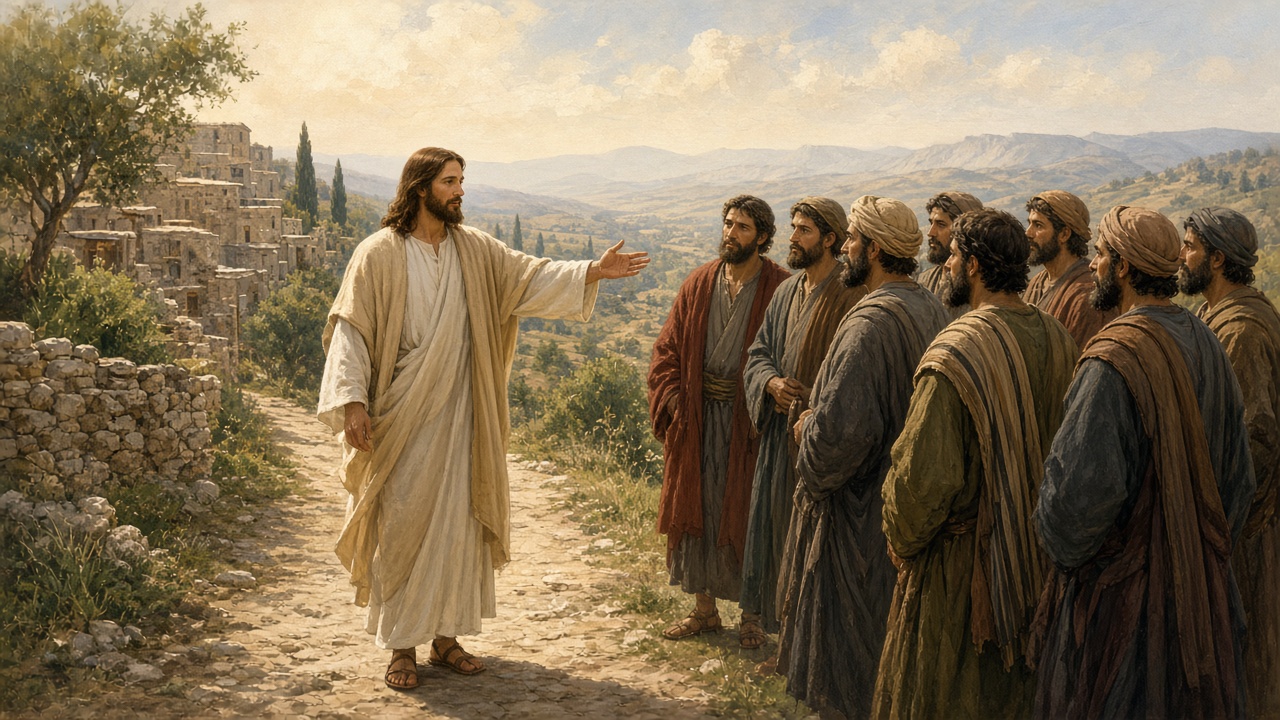
Did you know?
The Twelve Sent on Mission
- Simon, called Peter, and his brother Andrew—the first pair named among the twelve—were fishermen from Bethsaida, on the western coast of the Sea of Galilee. James and John, listed next, were sons of Zebedee, a Galilean fisherman who had his own boats and hired servants.Sources: the Bible text itself · Simon Peter · Andrew · Zebedee
- Matthew, identified in the list as the tax collector, was the son of Alphaeus and had formerly been known as Levi; he collected taxes at Capernaum, and the name Matthew means “gift of God.” Thomas, named beside him, was also called Didymus, the Greek equivalent of the Hebrew name, meaning “twin.” Bartholomew means “son of Tolmai” and is generally supposed to have been the same person as Nathanael.Sources: the Bible text itself · Matthew · Thomas · Bartholomew
- Jesus warns that the day of judgment will be more bearable for Sodom and Gomorrah than for a town that refuses the twelve apostles. Easton's Bible Dictionary (1897) describes those cities of the plain of Siddim as destroyed by fire and proverbial for wickedness, and places them, probably close together, near the northern end of what is now the Dead Sea.Sources: the Bible text itself · Sodom · Gomorrah
Notes written with AI assistance from open sources (Theographic Bible Metadata, CC BY-SA 4.0; Easton’s Bible Dictionary, public domain) and reviewed before publishing.
Credits and license for this translation
Diiloŋ-nelma Tobisĩfɛlɛnni
New Testament in Cerma (UV:cme:Cerma)
copyright © 2011 Wycliffe Bible Translators, Inc.
Language: (Cerma)
Translation by: Wycliffe Bible Translators, Inc.
Copyright Information
© 2011, Wycliffe Bible Translators, Inc. All rights reserved.
This translation text is made available to you under the
terms of the Creative Commons License: Attribution-Noncommercial-No Derivative Works.
( http://creativecommons.org/licenses/by-nc-nd/3.0/ )
In addition, you have permission to port the text to different file formats, as long as you
do not change any of the text or punctuation of the Bible.
You may share, copy, distribute, transmit, and extract portions
or quotations from this work, provided that you include the above copyright
information:
You must give Attribution to the work.
You do not sell this work for a profit.
You do not make any derivative works that change any of the actual words or punctuation of the Scriptures.
Permissions beyond the scope of this license may be
available if you contact
us with your request.
The New Testament
in Cerma
© 2011, Wycliffe Bible Translators, Inc. All rights reserved.
This translation is made available to you under the terms of the
Creative Commons Attribution-Noncommercial-No Derivatives license 4.0.
You may share and redistribute this Bible translation or extracts from it in any format, provided that:
You include the above copyright and source information.
You do not sell this work for a profit.
You do not change any of the words or punctuation of the Scriptures.
Pictures included with Scriptures and other documents on this site are licensed just for use with those Scriptures and documents.
For other uses, please contact the respective copyright owners.
2014-04-23
Source: http://ebible.org/cmeNT/ · eBible.org