Luke 15
Diiloŋ-nelma Tobisĩfɛlɛnni · Tap a verse to see its cross-references.
Bige‑i fĩɛŋ Diiloŋo huɔŋga‑i?
1*Nampohũutaamba‑i baa ãmbabalmanciraamba taa ba kã Yesu wulaa ba kã ba nu u nelma‑i. 2*Farisĩɛbaa-ba‑i baa *ãnjĩnamma pigãataamba ta ba waana wuɔ u ciɛ niɛ yaŋ nelbabalaamba ta ba piɛ-yo aa tiraa tuɔ siɛ u wuo niiwuoni‑i baa-ba?
3Yesu wuɔ naŋ gbãnalãaŋ daaku‑i baa-ba wuɔ: 4«Namaaŋo-na, tũlmba komuɔŋa ndii da ba waa baa umaŋ, aa u diei balla-bɛi, kutieŋo siɛ yaŋ komuɔŋa naa baa cĩncieluo nennaa baamba ta ba wuora aa kã ka taara umaŋ baala wɛi? 5Duɔ ka da-yo, u huɔŋga ka gbuu fɛ̃ u tũu-yo kũŋ baa-yo 6ka bĩ u jɛ̃naamba‑i baa u caantaamba‑i a waŋ baa-ba wuɔ: ‹Mi daa mi tũmaaŋo‑i, yaaŋ na hɔmmu fɛ̃ mɛi kaaŋga temma‑i.›»
7Yesuŋ waaŋ mafamma‑i, wuɔ cira: «Yaaŋ mi tũnu-nɛi, ãmbabalmanceroŋo diei duɔ nanna u cilɔbabalaŋo‑i, kuŋ fɛ̃ŋ Diiloŋo huɔŋga‑i dumaa dɔrɔ‑i-na, nuɔmba komuɔŋa naa baa cĩncieluo nennaa maŋ saa nanna ba cilɔbabalaŋo‑i wuɔ sĩ bafamba vii, ba siɛ gbãa fɛ̃-ka dumaaŋo-na.»
8Aa naa tiraa cira: «Neifieŋ-cĩncieluo duɔ waa baa ciɛŋo maŋ, aa neifelle balla dũŋ-huɔŋga-na u wulaa, u siɛ celieŋ fitĩnuɔ aa pir dũŋgu‑i hiere a taara-diɛ wɛi? 9Duɔ da-de, u huɔŋga ka gbuu fɛ̃ u bĩ u jɛ̃naamba‑i baa u caantaamba‑i a waŋ baa-ba wuɔ: ‹Mi daa mi warbelle‑i, yaaŋ na hɔmmu fɛ̃ mɛi kaaŋga temma‑i.› 10Yaaŋ mi tũnu-nɛi, ãmbabalmanceroŋo diei duɔ nanna u cilɔbabalaŋo‑i, *dɔrpɔpuɔrbiemba waa hɔfɛ̃lle fande temma yaa nuɔ‑i dɔrɔ‑i-na.»
Naacolŋo naŋo biɛŋo gbaraa aa ka bir jo
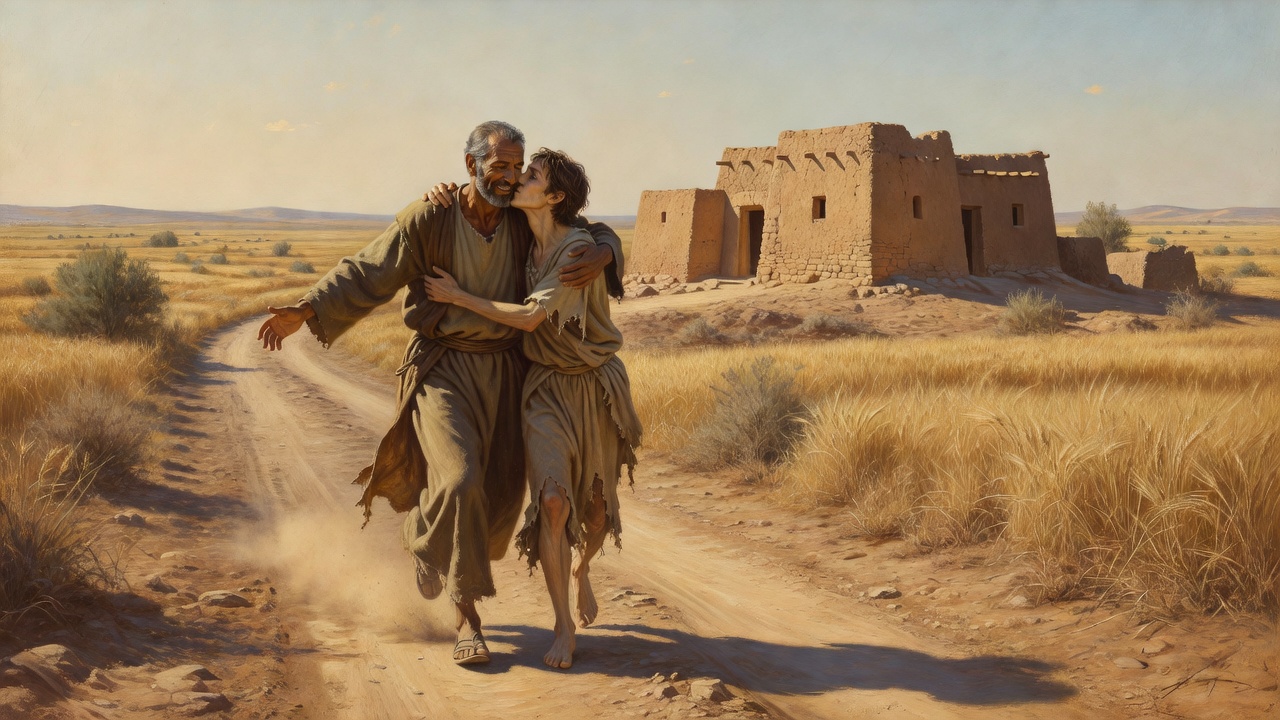
11Yesu wuɔ tiraa cira: «Naacolŋo naŋo waa baa bɛpuɔmba hãi. 12Yiiŋgu naŋgu-na, bisãlãaŋo gbɛ̃ tuoŋo‑i wuɔ: ‹Baba, miɛ iŋ saaya i da kumaŋ ŋ nagãŋ-niini-na, hã muɔ baa mi kũŋgu‑i fiɛfiɛ.› Tuoŋo cal u nagãŋ-niini‑i hã-ba. 13Yinni saa da, hãaŋo suor fuɔ niini‑i aa biɛ gbeiŋa faŋa‑i kã hĩɛŋ-nu baa-ya, kã ka bĩɛna-yɛi hiere kakarkuoŋ-na. 14U gbeiŋaŋ kaa tĩ huɔŋgu maŋ nuɔ‑i, nyulmu naŋ temma suur nelle fande-na a ce u sa da niiwuoni u wuo. 15A ne da naacolŋo naŋo waa nelle fande-na tuɔ heŋ pɛrmba, naacombiloŋo kã u wulaa wuɔ u ka taara maacemma. Naacolŋo biɛ-yo u tuɔ ceŋ u pɛrmba‑i. 16Nyulmuŋ gbu mu ko-yo dumaaŋo-na, u tuɔ nenu pɛrmba niiwuoni‑i. Ŋga hai ka hã fuɔ baa-ni? 17U gbuu ji tĩɛna jɔguɔŋ da suu, aa cira: ‹Maacembiemba maŋ dii baa mi to‑i hiere, niiwuoni sa tĩ-bɛi, aa muɔmɛi daami ta mi ku nyulmu-na. 18Mi ka sire bir kã mi to wulaa ka waŋ baa-yo wuɔ mi cãlãa Diiloŋo‑i aa tiraa cãl fuɔ fɛrɛ‑i. 19U baa tiraa u tuɔ kãŋ-mi u biɛŋ muɔ, u yaŋ aa u bel-mi ŋaa u maacembiloŋ muɔ.› 20Aa sire ta.
«Uŋ kaa tuɔ piɛ cĩiŋgu‑i, tuoŋo fara da-yo, u hujarre gbuu bel-o, u gbar jãrã-yuɔ kã ka gbuu pũrã-yuɔ u fɛrɛŋ nuɔ. 21Bɛpolŋo gbɛ̃-yo wuɔ: ‹Baba, mi cãlãa Diiloŋo‑i aa tiraa cãl naŋ fɛrɛ‑i, baa tiraa ŋ ta ŋ bĩ-mi ŋ biɛŋ muɔ.› 22Tuoŋo fara bĩ u maacembiemba‑i a waŋ baa-ba wuɔ: ‹Gbaraaŋ na ka biɛ joŋgoruo maŋ faa yaŋ dũŋgu-na, baa naafontarre, baa naatɛnni na ji dii na hã-yo. 23Aa iŋ muyaa balyuŋgu maŋ, na kã na ka bel-ku na ji ko-ku i ce ponsaaŋgu. 24Mi taa mi kãŋ mi biɛŋ daayo‑i baa bikuomba, ŋga mi daa-yo nyuŋgo‑i cicɛ̃lma; uu naa balla, mi daa-yo.› Ponsaaŋgu yaa bi duɔŋ dumaaŋo-na.
25«A ne da huɔŋgu faŋgu-na, bɛpomɔlŋo waa dii suoŋ-nu. Uŋ juɔ tuɔ jo ji piɛ cĩiŋgu‑i, u nu niimarni du, baa kaasĩŋgu. 26U bĩ maacembiloŋo diei a yuu-yo wuɔ: ‹Bige‑i ciɛ cĩiŋgu-na?›
27«Maacembiloŋo cira: ‹Ŋ hãaŋo yaa birii jo. Uŋ juɔ hĩnni ŋ to ji da-yo, u huɔŋga gbuu fɛ̃. U ce i bel balyuŋgu maŋ iŋ muyaa-ku ko-ku hã-yo.› 28Mɔlŋo huɔŋga pãŋ du. U cĩina wuɔ u siɛ suur cĩiŋgu-na.
«Ba kã ka tũnu tuoŋo‑i. U hel jo ji tuɔ cãrã-yuɔ. 29Naacombiloŋo gbɛ̃-yo wuɔ: ‹Baba, mɛi dii ŋ caaŋgu-na ta mi cãa-ni ku daa bieŋa bɔi. Mi saa yagar ŋ nuŋ-ãndaaŋgu‑i dede. Ŋga yinduɔŋgu ŋ saa ji bel-ku a cira yoloŋo wuɔ: «Hũu ŋ ka ko ŋ wuo baa ŋ jɛ̃naamba‑i.» 30Aa ŋ biɛŋo maŋ daayo‑i, fuɔ maŋ kãa ka bĩɛna ŋ nagãŋ-niini‑i baa saasorbaa aa bir jo, ŋ ce ba bel balyuŋgu ko hã-yo.›
31«Tuoŋo gbɛ̃-yo wuɔ: ‹Nuɔ ŋ dii baa muɔŋo‑i bãaŋgu‑i baa isuɔŋgu‑i, mɛi nagãŋ-niini‑i hai niini‑i? Naŋ niini sĩ wɛi? 32Ŋ hãaŋo‑i, mi taa mi kãŋ-yo baa bikuomba, ŋga mi daa-yo nyuŋgo‑i cicɛ̃lma; uu naa balla, mi daa-yo. Yaŋ aa ŋ kũnna ŋ huɔŋga‑i aa i ce ponsaaŋgu‑i.›»
Did you know?
Lost and Found
- Tax collectors and sinners were gathering around to listen to Jesus, and the Pharisees and scribes began to grumble that he welcomes sinners and eats with them. Jesus then told them parables about a lost sheep, a lost silver coin, and a lost son.Sources: the Bible text itself
- Teaching and healing in Perea to Jerusalem is recorded as starting in AD 30 with a duration of one day.Sources: Teaching and Healing in Perea to Jerusalem
Notes written with AI assistance from open sources (Theographic Bible Metadata, CC BY-SA 4.0; Easton’s Bible Dictionary, public domain) and reviewed before publishing.
Credits and license for this translation
Diiloŋ-nelma Tobisĩfɛlɛnni
New Testament in Cerma (UV:cme:Cerma)
copyright © 2011 Wycliffe Bible Translators, Inc.
Language: (Cerma)
Translation by: Wycliffe Bible Translators, Inc.
Copyright Information
© 2011, Wycliffe Bible Translators, Inc. All rights reserved.
This translation text is made available to you under the
terms of the Creative Commons License: Attribution-Noncommercial-No Derivative Works.
( http://creativecommons.org/licenses/by-nc-nd/3.0/ )
In addition, you have permission to port the text to different file formats, as long as you
do not change any of the text or punctuation of the Bible.
You may share, copy, distribute, transmit, and extract portions
or quotations from this work, provided that you include the above copyright
information:
You must give Attribution to the work.
You do not sell this work for a profit.
You do not make any derivative works that change any of the actual words or punctuation of the Scriptures.
Permissions beyond the scope of this license may be
available if you contact
us with your request.
The New Testament
in Cerma
© 2011, Wycliffe Bible Translators, Inc. All rights reserved.
This translation is made available to you under the terms of the
Creative Commons Attribution-Noncommercial-No Derivatives license 4.0.
You may share and redistribute this Bible translation or extracts from it in any format, provided that:
You include the above copyright and source information.
You do not sell this work for a profit.
You do not change any of the words or punctuation of the Scriptures.
Pictures included with Scriptures and other documents on this site are licensed just for use with those Scriptures and documents.
For other uses, please contact the respective copyright owners.
2014-04-23
Source: http://ebible.org/cmeNT/ · eBible.org