Luke 11
Diiloŋ-nelma Tobisĩfɛlɛnni · Tap a verse to see its cross-references.
Yesu pigãaŋ u hãalãbiemba‑i baŋ cãrãŋ Diiloŋo‑i dumaa
1Yiiŋgu naŋgu-na, Yesu waa terieŋgu naŋgu-na tuɔ cãrã Diiloŋo‑i. Uŋ juɔ cãrã tĩ, u *hãalãbiloŋo naŋo waŋ baa-yo wuɔ: «Itie, hãalã-yiɛ i tiɛ cãrã Diiloŋo‑i ŋaa Nsãa uŋ hãalãayã u hãalãbiemba‑i dumaa.»
2Yesu wuɔ cira: «Da na'a na cãrã Diiloŋo‑i, ciɛraŋ:
‹I To nuɔ,
yaŋ nuɔmba‑i hiere ba suɔ wuɔ nuɔnɛi Diiloŋ nuɔŋo‑i.
Pa ŋ bãaŋgu‑i yiɛ.
3Ta ŋ hã-ye niiwuoni‑i yinni maŋ joŋ.
4Umaŋ duɔ cãl miɛŋo‑i i ce-yo jande.
Diɛ bi cãl-ni ŋ ce-ye jande;
ŋ baa gãŋ baa-ye.
Baa yaŋ wɛima gbãa tãal-e dii-ye kuubabalaaŋgu cemma-na.›»
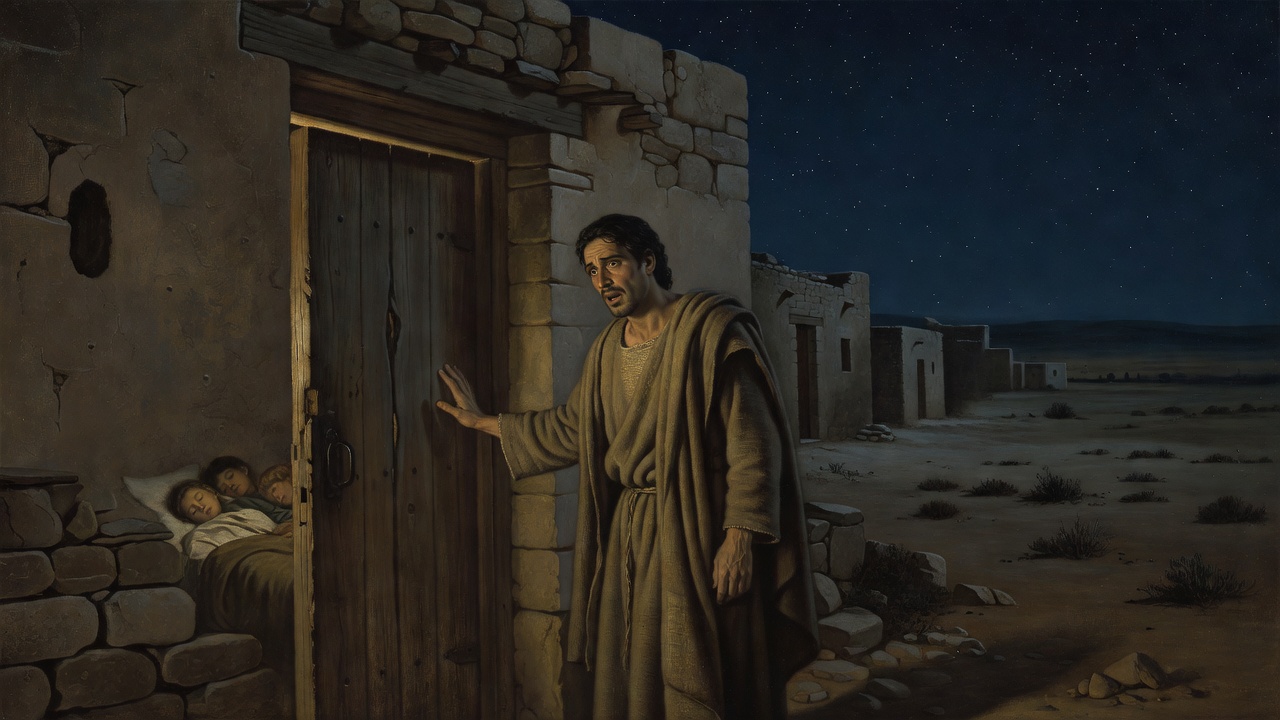
5Uŋ waaŋ mafamma‑i, u tiraa cira: «Namaaŋo-na, umaŋ duɔ sire kã u jĩɛŋo naŋ wulaa isuɔholleŋ ka tuɔ muo dũŋgu‑i yuɔ, wuɔ u sire hã-yo niiwuoni, 6kɛrɛ u jĩɛŋo naŋo haraa-yuɔ, u saa da kuuwuoŋgu duɔ hã-yo. 7U jĩɛŋo tĩɛ dii dũŋgu-na aa cira: ‹Baa mulĩɛŋ-muɔ; mi gaala tĩ baa mi bisãlmba‑i aa dũŋgu tiraa gbonu, mi siɛ gbãa sire da mi biɛ niiwuoni hã-ni.› 8Yaaŋ mi tũnu-nɛi, naacolŋ duɔ cor tuɔ muo dũŋgu‑i, u jĩɛŋ duɔ fiɛ'a u saa ne ba jĩɛsĩnni‑i aa sire, uŋ muo u huol u yaaŋ-na u ka sire hã-yo uŋ taaraŋ nimaŋ hiere.
9«Yaaŋ mi tũnu-nɛi: Cãarãŋ! Ba ka hã-na. Taaraayaŋ! Na ka da. Bĩɛŋ! Ba ka siɛ-na. 10Umaŋ cãarãŋ ba hã u yaa‑i, umaŋ taaraayaŋ u yaa daaŋ, aa umaŋ bĩɛŋ ba siɛ u yaa‑i.
11«Namaaŋo-na, hai moloŋ biɛŋo‑i duɔ cãrã teterieŋo u wulaa, u yaŋ-yo aa bel jĩɛŋo hã-yo? 12Sisɔ duɔ cãrã cumɛlle, u yaŋ-yo aa bel namiɛŋo hã-yo? 13Namaa namaŋ balaaŋ, da na ta na suɔ-ma na hã na bisãlmba‑i bĩmbĩfafanni, ku ce niɛ aa na To‑i dɔrɔ‑i-na, bamaŋ cãarãŋ u *Yalle‑i u siɛ hã-ba baa-de?»
Yesu hilaa baa u himma‑i hie?
14Yiiŋgu naŋgu-na, Yesu waa tuɔ donya *jĩna naŋo‑i naacolŋo naŋo-na. Jĩna wuɔ ciɛ naacolŋo‑i bobo. Uŋ juɔ hel, naacolŋo doŋ tuɔ piiye, kuɔ cu nuɔmba hɔmmu‑i. 15Banamba ta ba piiye wuɔ: «Jĩna ba yuntieŋo‑i *Bɛlsebul yaa hãa-yo himma‑i u tuɔ donya jĩnabaa-ba‑i.» 16Banamba ta ba taara ba cure-yuɔ, baa cira wuɔ da kuɔ Diiloŋo puɔraa u yaa‑i, u ce bĩŋkũŋgu pigãaŋ-ba ba ne. 17Yesu wuɔ suɔ ba huɔya-maama‑i, wuɔ gbɛ̃-ba wuɔ: «Da ŋ da neduɔleŋ-baaŋ namaaŋo‑i na sa gbo, yiiŋgu dii baa yiiŋgu, na nelle ka muonu. 18Namaa naŋ ciɛra wuɔ Bɛlsebul hãa-mi himma‑i mi ta mi donya jĩnabaa-ba‑i hãa, *Sitãni duɔ tuɔ gãŋ baa fuɔ fɛrɛŋ baamba‑i, u fɔ̃ŋgũɔ ce niɛ aa cɔ u wulaa? 19Sitãni duɔ hã-muɔ himma‑i mi ta mi donya jĩnabaa-ba‑i, namaa baamba fuɔ, hai moloŋo‑i hãa bafamba‑i ba ta ba donya-bɛi? Na saa da, namaa fɛrɛŋ baamba yaa ka karnu ciiruo‑i. 20Muɔ fuɔ, Wɛimantieŋo yaa hãa-mi himma‑i mi ta mi donya jĩnabaa-ba‑i. Ku yaa pigãaŋ wuɔ *Diiloŋ-bãaŋgu paa-nɛi tĩ.
21«Fɔ̃ŋgɔ̃tieŋo maŋ jĩɛna kuumuoŋgu u caaŋ-nu tuɔ niya u dumɛlle‑i, cuoyuo sa siɛ suur-yuɔ. 22Ŋga umaŋ fɔ̃ŋgũɔ‑i jĩɛnya fuɔ wuoŋo‑i duɔ jo, uŋ haa u naŋga u kuumuoŋgu maŋ nuɔ‑i, u hũu-ku aa biɛra u bĩmbĩnni‑i hiere calnu-niɛ hã nuɔmba.
23«Umaŋ duɔ uu si dii baa-mi, kutieŋo bigãaŋ-mi, aa umaŋ duɔ u sa tigiiŋ baa-mi, u pisãllã.»
24«*Jĩna duɔ hel moloŋo-na, u kã ka tuɔ wuɔra u bĩŋ hĩɛŋ-nu duɔ taara muntĩɛnammu. Duɔ saa ka da, u cira: ‹Mi ka bir kã mi muntercɔlɔmmu-na.› 25Aa bi bir. Duɔ kã ka da kutieŋo gbuu migãaŋ u huɔŋga‑i da welewele aa tigiiŋ-ka, 26u bir ka bĩ u najĩnabaa niehãi, bamaŋ balaaŋ yaŋ ufaŋo‑i, ba jo ji suur tĩɛna-kɛi. Da ba jo ji waa dumaaŋo-na, ku migãaŋ balaŋ kutieŋo-na a yaŋ dĩɛlã-kũŋgu‑i.»
27Yesuŋ taa u waŋ mafamma‑i, ciɛŋo naŋo piiye da gbagaga nuɔmba-na wuɔ: «Ciɛŋo maŋ huɔŋ-ni aa fiɛ-ni u yuŋgu dɔlaa!» 28Yesu wuɔ yaŋ aa gbɛ̃-yo wuɔ: «Cira, bamaŋ nuɔŋ Diiloŋ-nelma‑i aa wuɔ ma hũmelle‑i ba yunni dɔlaa.»
Nuɔmba ciɛra Yesu ce bĩŋkũŋgu ba ne
29Nuɔmbaŋ gbuu ji ta ba ciinu huɔŋgu maŋ nuɔ‑i Yesu caaŋgu-na, wuɔ cira: «Fiɛfiɛ ku nuɔŋ namaaŋo‑i na saa fa; na ciɛra mi ce bĩŋkũŋgu hã na ne. Ŋga bĩŋkũŋgu sa ce dii hã-na, mamaŋ daa *Yonasi‑i ma ka saanu baa-na. 30Yonasiŋ waa kumaŋ Ninivetaamba wulaa, *Moloŋ-Biɛŋo ka waa kufaŋgu temma yaa‑i namaa na wulaa. 31Gɛ̃ŋgɛryiiŋgu-na, Seba nellentieŋo ka da nuŋgu fiɛfiɛ ku nuɔŋ namaaŋo-na. Fuɔ siire termaaŋ daaku-na a karnu nilɛiŋa‑i hiere duɔ ji nu *Salomɔ nelma‑i, a ne da namaa hɔlma-na bande‑i-na, moloŋo dii umaŋ maaraa Salomɔ‑i aa na yagar na sa nu u nuŋgu‑i. 32Ninivetaamba nuɔ Yonasi nuŋgu‑i aa nanna ba cilɔbabalaŋo‑i, a ne da namaa hɔlma-na bande‑i-na, moloŋo dii umaŋ maaraa Yonasi‑i, aa na yagar wuɔ na siɛ nu u nuŋgu‑i. Terieŋgu faŋgu-na, Diiloŋ duɔ ji tuɔ yuu nuɔmba‑i, Ninivetaamba ka cira na cãlãa cemma.»
Fitĩŋ-gbãnalãaŋgu
33«Molo sa celieŋ fitĩnuɔ‑i aa fuo-yo, sisɔ aa ce bĩŋkũŋgu cure-yuɔ. Da ŋ celieŋ-yo, ŋ haa-yo dɔrɔ dũŋ-huɔŋga ce cerre hiere. 34Nɛliɛŋ nuɔ ŋ yufieŋa yaa naŋ fɛrɛŋ kerre fitĩnuɔ‑i. Ŋ yufieŋ da a fa, ŋ waa cecerma-na; ŋga ŋ yufieŋ da a saa fa, ŋ waa kukulma-na. 35Terieŋgu faŋgu-na, gbãŋ fitĩnuɔ maŋ dii baa-ni u baa ji dĩŋ aa yaŋ-ni. 36Da ŋ waa hiere cecerma-na, ŋ bĩŋkũŋgu diei si dii kukulma-na, ŋ ka waa ŋaa ŋ suurii fitĩŋ-dũŋ-nu.»
Yesu haa cãlmuɔ Farisĩɛbaa-ba-na
37Yesuŋ juɔ piiye tĩ, *Farisĩɛyiɛŋo naŋo bĩ-yo wuɔ ba ka wuo niiwuoni u cĩiŋgu-na. Yesu wuɔ kã ba ka ta ba wuo. 38Uŋ ŋa u saa saara u nammu‑i aa suɔ duɔ wuo niiwuoni‑i, kuɔ ce Farisĩɛyiɛŋ daayo‑i gbɛrɛ. 39Yesu wuɔ gbɛ̃-yo wuɔ: «Farisĩɛbaa namaaŋo‑i, naa dii ŋaa nɛliɛŋo maŋ saaraa kalni honni‑i aa yaŋ ni hɔmmu yu baa duganni. Da na ce na migãaŋ na kũɔma yaa da welewele aa na hɔmmu yu baa cuosĩnni baa balaaŋgu. 40Mimiɛl namaa temma‑i daana‑i, umaŋ ciɛ huoŋgu‑i u'i saa ce huɔŋga‑i wɛi? 41Firiinuŋ na hɔmmu‑i baa sũntaamba‑i ŋ ka da na birii nuɔfafaaŋ namaa.
42«Farisĩɛbaa namaaŋo‑i, sũlma haraa-nɛi; da na ce na dii Diiloŋo *yufelle‑i ka cor baa niifiɛlu‑i du sĩnni-na hiere aa na siɛ bi ce kumaŋ vii, na siɛ bi tiraa dɔl Diiloŋo‑i. A ne da, naa naa saaya na ta na ce ma yaa‑i igɛ̃na aa suɔ haa manamma‑i ma dɔrɔ.
43«Farisĩɛbaa namaaŋo‑i, sũlma haraa-nɛi; da na suur *Diilonelhãalãdũŋgu-na, na taara na tĩɛna yaaŋ-na. Na taara da na waa nuɔmba-na, ba ta ba piɛ ba jaal-na. 44Sũlma haraa-nɛi; naa dii ŋaa cĩncuɔŋa maŋ gbuyaanu, nuɔmba saa suɔ wuɔ munterbabalammu, ba ta ba wuɔ ba cor a dɔrɔ.»
45*Ãnjĩnamma pigãatieŋo naŋo gbɛ̃-yo wuɔ: «Hãalãtie, da ŋ ta ŋ piiye dɛ‑i-na, ma sĩ ŋ bi tuora miɛ fɛrɛ‑i kɛ?»
46Yesu wuɔ cira: «Ãnjĩnamma pigãataaŋ namaaŋo‑i, sũlma bi haraa-nɛi; da na ce na biɛ coŋgorni maŋ nɛliɛ siɛ gbãa tũu-ni a hã nuɔmba‑i wuɔ ba tũu, aa na siɛ bi bel ba tũu. 47Sũlma haraa-nɛi; na bĩncuɔmbaŋ kuɔ *Diilopɔpuɔrbiemba maŋ, na siire ta na ma ba cĩncuɔŋa‑i. 48Naŋ ciɛ mafamma‑i, kuu dii ŋaa na pigãaŋ wuɔ na bĩncuɔmbaŋ ciɛ kumaŋ ku faa. Bafamba kuɔ Diilopɔpuɔrbiemba‑i aa namaa ta na ma ba cĩncuɔŋa‑i. 49Ku'i ciɛ Diiloŋ uŋ suɔ wɛima‑i hiere, u waŋ-ma gbar-ma wuɔ: ‹Mi ka saaŋ mi pɔpuɔrbiemba namba hã-ba. Ba ka ko banamba bɛi, aa ce banamba kpãncɔ̃lgũɔ.› 50Diilopɔpuɔrbiemba maŋ baŋ kuɔ-ba a doŋ dii miwaaŋo domma-na, Diiloŋo kaa yuu fiɛfiɛ ku nuɔŋ namaaŋo‑i kumaŋ ciɛ na ko-ba. 51Yaaŋ mi tũnu-nɛi, baŋ kuɔ Abɛl aa ko bamaŋ cu-yo hiere a ji hi Sakari maŋ baŋ kuɔ-yo mumbuolmuŋ-terieŋgu hɔlma-na baa *Diilodubuɔ‑i, ba kaa yuu-na kumaŋ ciɛ na ko-ba.
52«Ãnjĩnamma pigãataaŋ namaaŋo‑i, sũlma haraa-nɛi! Naŋ fuyaa mamaŋ gbãa ce nuɔmba suɔ Diiloŋo‑i; naa dii ŋaa nɛliɛŋo maŋ gbuɔnu dũŋgu aa fuo diele‑i. Fuɔ siɛ suur aa bamaŋ taaraayaŋ ba suur u siɛ bi yaŋ ba da suur.»
53Yesuŋ juɔ hel juwuoterieŋgu-na, ãnjĩnamma pigãataamba‑i baa Farisĩɛbaa-ba jo ji yu-yuɔ ta ba waana baa-yo aa ta ba yuu-yo baa nelma bɔi 54wuɔ sĩ u ka piiye cãl ba da ãntãalãmma haa-yuɔ.
Did you know?
Prayer, Signs, and Woes
- Jesus speaks of the blood of all the prophets, from the blood of Abel to the blood of Zechariah, who was killed between the altar and the sanctuary. Abel was the second son of Adam and Eve and was killed by his brother Cain. Easton's Bible Dictionary (1897) identifies this Zechariah as the son or grandson of the high priest Jehoiada, stoned at the king's command in the court of the house of the Lord after he condemned the king and the people, and notes that Jesus alludes to that murder in this chapter.Sources: the Bible text itself · Abel · Zacharias
- Jesus says this generation will be given no sign except the sign of Jonah: as Jonah was a sign to the Ninevites, so the Son of Man will be a sign to this generation, and the men of Nineveh, who repented at his preaching, will condemn it at the judgment, because someone greater than Jonah is here. Easton's Bible Dictionary (1897) describes Jonah, son of Amittai of Gath-hepher, as a prophet of Israel and a missionary to Nineveh, and calls him a type of the Son of Man. It describes Nineveh as a great and populous city, the flourishing capital of the Assyrian empire.Sources: the Bible text itself · Jonah · Nineveh
- After Jesus drives out a demon that was mute, some say he does it by Beelzebul, the prince of the demons. Easton's Bible Dictionary (1897) explains the name Satan as adversary or accuser, says the New Testament uses it interchangeably with the devil, and lists Beelzebub among his titles. Jesus answers that every kingdom divided against itself will be laid waste, and asks how Satan's kingdom can stand if Satan is divided against himself.Sources: the Bible text itself · Satan
Notes written with AI assistance from open sources (Theographic Bible Metadata, CC BY-SA 4.0; Easton’s Bible Dictionary, public domain) and reviewed before publishing.
Places in this chapter
Only places identified with high confidence are shown (90% or more according to the scholarly sources compiled by OpenBible). Period map: DARE (Digital Atlas of the Roman Empire), CC BY 4.0; modern map: © OpenStreetMap contributors; places: OpenBible.info (CC BY 4.0).
Credits and license for this translation
Diiloŋ-nelma Tobisĩfɛlɛnni
New Testament in Cerma (UV:cme:Cerma)
copyright © 2011 Wycliffe Bible Translators, Inc.
Language: (Cerma)
Translation by: Wycliffe Bible Translators, Inc.
Copyright Information
© 2011, Wycliffe Bible Translators, Inc. All rights reserved.
This translation text is made available to you under the
terms of the Creative Commons License: Attribution-Noncommercial-No Derivative Works.
( http://creativecommons.org/licenses/by-nc-nd/3.0/ )
In addition, you have permission to port the text to different file formats, as long as you
do not change any of the text or punctuation of the Bible.
You may share, copy, distribute, transmit, and extract portions
or quotations from this work, provided that you include the above copyright
information:
You must give Attribution to the work.
You do not sell this work for a profit.
You do not make any derivative works that change any of the actual words or punctuation of the Scriptures.
Permissions beyond the scope of this license may be
available if you contact
us with your request.
The New Testament
in Cerma
© 2011, Wycliffe Bible Translators, Inc. All rights reserved.
This translation is made available to you under the terms of the
Creative Commons Attribution-Noncommercial-No Derivatives license 4.0.
You may share and redistribute this Bible translation or extracts from it in any format, provided that:
You include the above copyright and source information.
You do not sell this work for a profit.
You do not change any of the words or punctuation of the Scriptures.
Pictures included with Scriptures and other documents on this site are licensed just for use with those Scriptures and documents.
For other uses, please contact the respective copyright owners.
2014-04-23
Source: http://ebible.org/cmeNT/ · eBible.org