John 8
Diiloŋ-nelma Tobisĩfɛlɛnni · Tap a verse to see its cross-references.
Ba bilaa ciɛŋo naŋo‑i baa bibiɛŋo jo baa-yo Yesu wulaa
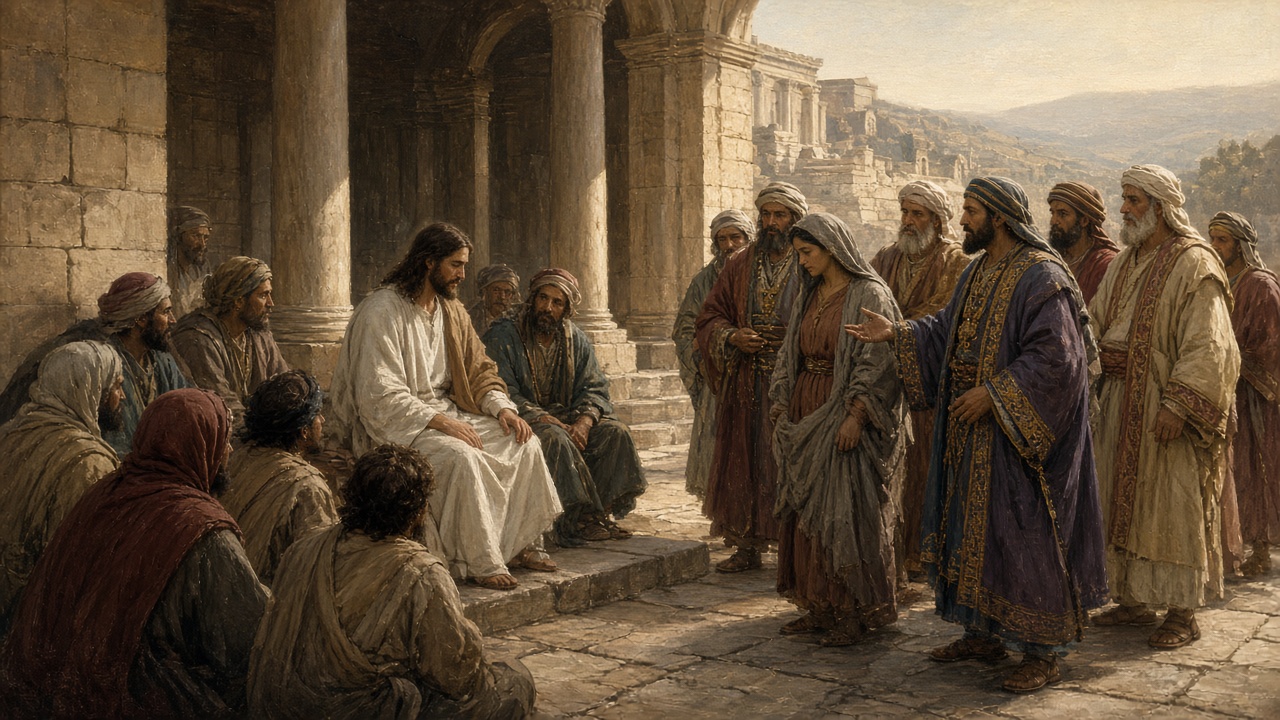
1Nuɔmbaŋ buɔra, Yesu wuɔ ta kã *Olivi-tibinni-tãnuŋgu-na. 2Ku cuo kaala‑i-na, wuɔ naar jo *Diilodubuɔ‑i-na. Nuɔmba‑i hiere baa kũɔl ba-naa jo u wulaa. Wuɔ tĩɛna tuɔ waŋ Diiloŋ-nelma‑i baa-ba. 3U juɔ'a u ne da *ãnjĩnamma pigãataamba‑i baa *Farisĩɛbaa-ba juɔ ji jĩna moloŋ ciɛŋo naŋo‑i ba yaaŋga-na, wuɔ ba bilaa-yo baa bibiɛŋo. 4Baŋ jĩɛna-yuɔ, baa gbɛ̃ Yesu‑i wuɔ: «Hãalãtie, i bilaa ciɛŋ daayo‑i baa bibiɛŋo. 5A ne da ãnjĩnamma‑na, *Moisi ciɛra wuɔ i tiɛ naŋ caamba famba temma‑i baa tãmpɛ̃lɛ̃iŋa i ko-ba. Nuɔ fuɔ, naŋ'a niɛ?»
6Ba yuu-yo dumaaŋo-na da ba ne sĩ u ka piiye cãl ba bel-o. Yesu wuɔ yaŋ-ba aa naa ture u yuŋgu‑i tuɔ nyɛgɛ̃ŋ hĩɛma-na baa u niele. 7Baa cor ta ba yuu-yo. Baŋ yuu-yoŋ ba titirre dumaaŋo-na, wuɔ ciir u yuŋgu‑i aa naa cira: «Namaaŋo-na, umaŋ duɔ saa ce kuubabalaaŋgu dede, kutieŋo doŋ u naŋ-yo mi ne.» 8Aa naa tiraa ture u yuŋgu‑i tuɔ nyɛgɛ̃ŋ hĩɛma-na. 9Uŋ piiye baa-ba dumaaŋo-na, baa doŋ ta ba ta ba da-ba-diei. Ba bĩncɔiŋo yaa taa igɛ̃na aa banamba cu. Ba taa dumɛi hiere aa ji yaŋ Yesu yaa yoŋ baa ciɛŋ daayo‑i. 10Yesu wuɔ ciir u yuŋgu‑i aa naa cira: «Ciɛŋ nuɔ, ba curaa hie? Molo saa naŋ-ni wɛi?»
11Ciɛŋ wuɔ cira: «Hãalãtie, molo saa naŋ-mi.»
Yesu wuɔ cira: «Ãhãa! Kã, muɔmi siɛ bi gãŋ baa-ni. Ŋga baa tiraa ŋ ce kuubabalaaŋgu.»]
Yesu yaa fitĩnuɔ‑i nelbiliemba hɔlma-na
12Ku huoŋgu-na, Yesu wuɔ ji tiraa tuɔ piiye baa nuɔmba‑i wuɔ: «Muɔmɛi fitĩnuɔ‑i nelbiliemba hɔlma-na. Umaŋ duɔ cu mi huoŋ-nu, u siɛ waa kukulma-na, u ka da gbagbaama maŋ kãaŋ baa-yo Diiloŋ-nelle‑na.»
13*Farisĩɛbaa baa gbɛ̃-yo wuɔ: «Nuɔ da ŋ ji ta ŋ waŋ naŋ fɛrɛŋ maama‑i, yuŋgu ce niɛ waa naŋ nelma-na?»
14Yesu wuɔ cira: «Muɔ mi suyaa mi muŋhelmu‑i aa tiraa suɔ mi muŋkãmmu‑i, a ce dumaaŋo-na, da mi fiɛ ta mi waŋ mamaŋ mi kũŋgu-na, mi sa kar coima. A ne da namaaŋo‑i, na sa suɔ mi muŋhelmu, na sa suɔ mi muŋkãmmu. 15Namaa ne nelma‑i nelbilieŋ nemma aa ta na cãl nuɔmba‑i, a ne da mɛi sa cãl nɛliɛŋo. 16Aa da mi fiɛ cãl umaŋ, da ŋ ne-ma, ŋ da-ma ninsoŋo. Hama‑i nuɔ‑i? Mi sa ce wɛima‑i mi diei; umaŋ puɔraa-mi, uu dii baa-mi. 17Ma sĩ ma nyɛgãaŋ na *ãnjĩnamma-na wuɔ: ‹Siɛrtaaŋ da ba yu ba hãi nelma maŋ nuɔ‑i, ninsoŋo.› 18Terieŋgu faŋgu-na, muɔ baa mi To‑i miɛmɛi siɛrtaaŋ miɛ mɛi maama-na; u yaa puɔraa-mi.»
19Farisĩɛbaa-ba yuu-yo wuɔ: «Ŋ to dii hie?»
Yesu wuɔ cira: «Na sa suɔ muɔŋo‑i na ka ce niɛ gbãa suɔ mi To‑i. Kuɔ na taa na suɔ muɔŋo‑i, naa naa gbãa suɔ mi To‑i.»
20Yesu waa *Diilodubuɔ-na tuɔ waŋ Diiloŋ-nelma‑i aa tuɔ piiye nel daama‑i. U waa baŋ dii gbeiŋa‑i kusuɔŋ-nu ba hã Diiloŋo‑i. U belmaŋ-huɔŋguŋ ŋa naa ku saa hi dumaaŋo-na, molo saa haa u naŋga yuɔ.
Yesu pigãaŋ u sĩnni‑i
21Yesu wuɔ suonu u ãndaaŋgu‑i baa-ba wuɔ: «Mi ka ta. Aa mi suyaa miɛ na ka taara-miɛ. Na siɛ bi gbãa kã miŋ kãŋ kusuɔŋ-nu; a ce dumaaŋo-na, na ka ku baa na ãmbabalma‑i.»
22*Yuifubaa baa ta ba yuu ba-naa wuɔ: «Bige‑i ciɛ wuɔ i siɛ gbãa kã uŋ kãŋ kusuɔŋ-nu? U taara duɔ ko u fɛrɛ wɛi?»
23Yesu wuɔ cira: «Namaa hilaa hĩɛmaŋ bande aa mɛi hel dɔrɔ. Hĩɛmaŋ-baamba'i namaaŋo‑i aa muɔŋo‑i hĩɛmaŋ-wuoŋ muɔ sĩ, 24ku'i ciɛ miɛ na ka ku baa na ãmbabalma‑i. Coima saa fa, da na saa hũu-ma wuɔ umaŋ dii gbula u yaa muɔŋo‑i, na ka ku baa na ãmbabalma‑i.»
25Baa yuu-yo wuɔ: «Nuɔŋo‑i hai moloŋ nuɔnɛi?»
Yesu wuɔ cira: «Mi pigãaŋ-na mi sĩnni‑i dii ku domma-na. 26Na nelma bɔi dii mi da mi waŋ-ma baa-na, na yuŋ-maama bɔi bi dii mi da mi fiɛlnu-mɛi. Ŋga umaŋ puɔraa-mi huhurmantieŋo sĩ. Uŋ pigãaŋ-mi mamaŋ, mi waŋ ma yaa‑i baa nuɔmba‑i.»
27Yesuŋ piiye baa-ba, ba saa suɔ wuɔ u gbɛ̃ u To yaa‑i. 28Wuɔ cira: «Da na ji haa *Moloŋ-Biɛŋo‑i dɔrɔ huɔŋgu maŋ nuɔ‑i, na ka suɔ suɔ wuɔ umaŋ dii gbula u yaa muɔŋo‑i. Na ka bi suɔ wuɔ mi sa ce wɛima mi fɛrɛ. Mi Toŋ waaŋ mamaŋ baa-mi, mi waŋ ma yaa‑i. 29Umaŋ puɔraa-mi, mi ce u huɔŋga‑i; a ce dumaaŋo-na uu dii baa-mi; u saa nanna-miɛ mi diei yoŋ.»
30Yesuŋ piiye dumaaŋo-na, nuɔmba bɔi hũu u nelma‑i.
Ninsoŋo sa dɔlnu nelbiliemba‑i
31*Yuifubaa-ba maŋ naa hũyãa Yesu nelma‑i, wuɔ waŋ baa-ba wuɔ: «Da na bel mi nelma‑i nammu hãi, na ka ce mi *hãalãbieŋ namaa kelkel. 32Na ka suɔ ninsoŋo‑i aa ninsoŋo ka ce na waa na fɛrɛŋ nuɔ.»
33Baa cira: «Ŋ waŋ wuɔ niɛ dɛ‑i? Miɛŋo‑i *Abiramu hãayɛ̃lŋ miɛ, ii dii i fɛrɛŋ nuɔ, i saa ce nɛliɛŋ-kɔrsĩnni dede.»
34Yesu wuɔ cira: «Yaaŋ mi waŋ ninsoŋo‑i baa-na: Umaŋ duɔ ce ãmbabalma‑i, kutieŋo ciɛ kɔriɛŋo ãmbabalma wulaa. 35A ne da kɔriɛŋo siɛ gbãa ce dũŋgu baa u yuntieŋo‑i, ŋga u yuntieŋo biɛŋo yaa gbãa ce dũŋgu‑i baa u to‑i. 36Terieŋgu faŋgu-na, Bɛpolŋ duɔ cira nuɔni maŋ dii ŋ fɛrɛŋ nuɔ, nii dii ŋ fɛrɛ nuɔ kelkel. 37Mi suyaa miɛ Abiramu hãayɛ̃lŋ namaa, ŋga na taara na ko-mi wuɔ mi nelma sa dɔlnu-nɛi. 38Muɔ miŋ daa mamaŋ mi To wulaa, mi waŋ ma yaa‑i. Ŋga namaaŋo‑i, na toŋ hãalãayã-nɛi mamaŋ, na ce ma yaa‑i.»
39Baa cira: «Miɛ to yaa Abiramu.»
Yesu wuɔ cira: «Kuɔ naa naa waa Abiramu bisãlŋ namaa kelkel, naa naa ta na ce Abiramu temma‑i. 40Ŋga na bir yaŋ aa ta na taara na ko-mi a ne da miŋ daa ninsoŋo maŋ mi To wulaa, mi waaŋ u yaa baa-na. Naŋ ceŋ mamaŋ mafamma‑i Abiramu maacemma'i wɛi? 41Na biyaa na to u maama.»
Baa cira: «Miɛŋo‑i bũɔrãaŋ miɛ sĩ; i to dii u diei yoŋ, u yaa Diiloŋo‑i.»
42Yesu wuɔ gbɛ̃-ba wuɔ: «Muɔmi hilaa Diiloŋ-terieŋ-nu'i jo, aa mi juɔ fuɔ jomma'i. Kuɔ na to yaa naa waa Diiloŋo‑i ninsoŋo, muɔmi kũŋgu naa ta ku dɔlnu-nɛi. Mi saa jo mi fɛrɛŋ jomma, u yaa puɔraa-mi. 43Naŋ'a na sa nu mi nelma‑i ku'i ciɛ miŋ waŋ mamaŋ baa-na, na sa suɔ ma yuŋgu‑i. 44Na to yaa *Sitãni. Na taara na ce fuɔ kusũŋgu yaa‑i. Dii ku domma-na, u yii baa nelkolle yaa‑i. Uŋ'a u sa waŋ ninsoŋo‑i dumaaŋo-na, u saa siɛ ninsoŋo‑i dede. U yaa coima tieŋo‑i, a ce dumaaŋo-na u nelma‑i hiere coima. 45Ŋga muɔ fuɔ, mɛi waŋ ninsoŋo yaa‑i; ku'i ciɛ ŋ da na saa hũu mi nelma‑i. 46Namaaŋo-na, hai gbãa da cãlmuɔ haa-miɛ? Da kuɔ mi waŋ ninsoŋo, bige‑i ciɛ na ta na cĩina mi nelma‑i? 47Umaŋ duɔ waa Diiloŋ-wuoŋo, ŋ da kutieŋo nu Diiloŋo nelma‑i. Ŋga namaaŋo‑i, Diiloŋ-baaŋ namaa sĩ, ku'i ciɛ na sa nu mi nelma‑i.»
48Baa cira: «Diɛ cira nuɔŋo‑i *Samariyiɛŋ nuɔ, i saa kar coima; aa *jĩna ka sire ŋ yuŋgu‑i dii.»
49Yesu wuɔ cira: «Mi yuŋgu saa sire; mi kãŋ mi To yaa‑i aa namaa na yagar wuɔ na siɛ kãŋ muɔŋo‑i. 50Mɛi sa taara mi jĩna mi fɛrɛ dɔrɔ, moloŋo'i dii tuɔ ce mafamma‑i, aa kufaŋgu tieŋo yaa suyaaŋ nɛliɛŋo nɛliɛŋo kumaŋ gbĩɛ baa-yo. 51Yaaŋ mi waŋ ninsoŋo‑i baa-na: Umaŋ duɔ tuɔ nu mi nuŋgu‑i u sa ji suu baa kuliiŋgu‑i dede.»
52Yesuŋ waaŋ mafamma‑i, Yuifubaa-ba gbɛ̃-yo wuɔ: «Fiɛfiɛ fuɔ, nuharuŋgu si dii, i suyaa wuɔ nii si dii gbãŋgbãŋ. Abiramu‑i baa *Diilopɔpuɔrbiemba‑i ba kuu hiere, aa naŋ ta ŋ piiye wuɔ umaŋ duɔ tuɔ nu naŋ nuŋgu‑i kutieŋo sa ji suu baa kuliiŋgu‑i dede. 53Daa u cɔrnu dɛ! Naŋ daa niɛ sĩ naŋ maaraa i to‑i Abiramu‑i wɛi? Ŋga fuɔ u kuu, Diilopɔpuɔrbiemba tiraa ku.»
54Yesu wuɔ cira: «Kuɔ muɔmɛi taa mi kaal mi fɛrɛ, yuŋgu naa saa waa-kuɔ. Ŋga mi To yaa kaalaaŋ-miŋ. Na gbɛ̃ u yaa‑i wuɔ namaa Diiloŋo 55aa na sa bi suɔ-yo. Muɔ fuɔ, mɛi suɔ-yo. Da mi cira mi sa suɔ-yo, mi ka ce coikartieŋ muɔ namaa temma‑i. Mi suɔ-yo aa tiraa ta mi nu u nuŋgu‑i. 56Abiramu maŋ namaa to, uŋ juɔ suɔ wuɔ u ka hi mi jommaŋ-yiiŋgu‑i, u huɔŋga gbuu pãŋ fɛ̃. Uŋ juɔ da-mi, kuɔ gbuu silaa dɔlnu-yuɔ ŋaa bige‑i?»
57Yuifubaa baa cira: «Naŋ saa bi hi da bieŋ komuɔŋa hãi baa cĩncieluo‑i yogo aa cira naŋ daa Abiramu‑i; ŋ daa-yo daŋ hama‑i temma‑i?»
58Yesu wuɔ cira: «Yaaŋ mi waŋ ninsoŋo‑i baa-na: Aa Abiramu suɔ duɔ hoŋ, muɔmi maŋ dii gbula mii naa waa.»
59Uŋ waaŋ mafamma‑i, baa biɛra tãmpɛ̃lɛ̃iŋa wuɔ ba naŋ-yo. Wuɔ yaŋ-ba aa naa fuo hel *Diilodubuɔ‑i-na ta.
Did you know?
Light, Law, and Abraham
- John 8 opens as Jesus goes to the Mount of Olives and returns early in the morning to the temple courts, where he sits and teaches the people who gather. The Mount of Olives is a ridge east of Jerusalem, separated from the city by the Kidron valley and named for the olive trees that cover its sides.Sources: the Bible text itself · Mount of Olives
- Scribes and Pharisees bring in a woman caught in adultery and ask Jesus what he says about Moses' command in the Law to stone such a woman, seeking to test him and to gain a basis for accusing him. Still in the temple courts, near the treasury, Jesus later says, "I am the light of the world." A dated event list places both episodes in AD 29, each lasting one day.Sources: the Bible text itself · Woman Caught in Adultery · Light of the World/I am discourse
- When Jesus says that the truth will set them free, his hearers answer that they are Abraham's descendants and have never been slaves to anyone. Abraham is called "father of a multitude"; he was the son of Terah and the heir of the promises. After Jesus declares, "before Abraham was born, I am," they pick up stones to throw at him.Sources: the Bible text itself · Abraham
Notes written with AI assistance from open sources (Theographic Bible Metadata, CC BY-SA 4.0; Easton’s Bible Dictionary, public domain) and reviewed before publishing.
Places in this chapter
- Mount of Olives · 31.778, 35.246 · verse 1
Only places identified with high confidence are shown (90% or more according to the scholarly sources compiled by OpenBible). Period map: DARE (Digital Atlas of the Roman Empire), CC BY 4.0; modern map: © OpenStreetMap contributors; places: OpenBible.info (CC BY 4.0).
Credits and license for this translation
Diiloŋ-nelma Tobisĩfɛlɛnni
New Testament in Cerma (UV:cme:Cerma)
copyright © 2011 Wycliffe Bible Translators, Inc.
Language: (Cerma)
Translation by: Wycliffe Bible Translators, Inc.
Copyright Information
© 2011, Wycliffe Bible Translators, Inc. All rights reserved.
This translation text is made available to you under the
terms of the Creative Commons License: Attribution-Noncommercial-No Derivative Works.
( http://creativecommons.org/licenses/by-nc-nd/3.0/ )
In addition, you have permission to port the text to different file formats, as long as you
do not change any of the text or punctuation of the Bible.
You may share, copy, distribute, transmit, and extract portions
or quotations from this work, provided that you include the above copyright
information:
You must give Attribution to the work.
You do not sell this work for a profit.
You do not make any derivative works that change any of the actual words or punctuation of the Scriptures.
Permissions beyond the scope of this license may be
available if you contact
us with your request.
The New Testament
in Cerma
© 2011, Wycliffe Bible Translators, Inc. All rights reserved.
This translation is made available to you under the terms of the
Creative Commons Attribution-Noncommercial-No Derivatives license 4.0.
You may share and redistribute this Bible translation or extracts from it in any format, provided that:
You include the above copyright and source information.
You do not sell this work for a profit.
You do not change any of the words or punctuation of the Scriptures.
Pictures included with Scriptures and other documents on this site are licensed just for use with those Scriptures and documents.
For other uses, please contact the respective copyright owners.
2014-04-23
Source: http://ebible.org/cmeNT/ · eBible.org