John 16
Diiloŋ-nelma Tobisĩfɛlɛnni · Tap a verse to see its cross-references.
Diiloŋ-Yalleŋ ka jo ji ce mamaŋ
1«Mi sa taara ku ji nuɔl-na Diiloŋ-hũmelle-na ku'i ciɛ mi ta mi waŋ daama‑i hiere baa-na. 2Ba ka nyaa-na *Diilonelhãalãdũnni-na. Aa yiiŋgu dii baa yiiŋgu, bamaŋ ji taa ba ko-na, ba ka da niɛ sĩ ba cãa Diiloŋo'i dumaaŋo-na. 3Baŋ'a ba saa suɔ mi To‑i baa mɛi fɛrɛ‑i hiere, ku'i ka dii-ba mafamma cemma-na. 4Kumaŋ ciɛ mi wuɔya ta mi waŋ-ma baa-na, mi taara da ma ji ta ma ce, na suɔ wuɔ mi waaŋ-ma baa-na cor tĩ. Mii naa waa na caaŋ-nu ku'i ciɛ mi saa waŋ-ma baa-na dii ku domma-na. 5Dɛ‑i-na, mi ta da mi kã umaŋ puɔraa-mi u wulaa, aa molo saa da duɔ yuu-mi wuɔ: ‹Ŋ kã hie?› 6Mi suyaa miɛ miŋ waaŋ mamaŋ baa-na daama‑i, ma'i saa dɔlnu-nɛi. 7A ne da mi waaŋ ninsoŋo yaa baa-na. Da mi ta, ku ka kãyã-nɛi. Na saa da, da mi saa ta, kakãyãtieŋo siɛ gbãa jo. Fuɔ mi kã ka hi aa saaŋ-yo hã-na. 8Duɔ jo, u ka pigãaŋ nelbiliemba‑i wuɔ ba piɛra ãmbabalma kũŋgu-na, ba piɛra viisĩnni kũŋgu‑na aa pira Diiloŋ-bɛrru kũŋgu-na. 9Baŋ'a ba saa hũu mɛi nelma‑i, ku'i pigãaŋ ãmbabalma‑i. 10Aa miŋ kãŋ mi To wulaa, na siɛ tiraa da-mi, ku'i pigãaŋ viisĩnni‑i. 11Aa miwaaŋ daayo tieŋo yuŋ-maamaŋ fiɛlaanu tĩ, ku'i pigãaŋ Diiloŋ-bɛrru‑i.
12«Nelma bɔi dii yogo mi da mi waŋ-ma baa-na, ŋga da mi waŋ-ma baa-na fiɛfiɛ‑i-na, ma ka mulĩɛŋ-na. 13*Diiloŋ-Yalle da di ji jo, di yaa ninsoŋo tieŋo‑i, di ka kaala ninsoŋ-belle‑i baa-na. Di sa ji waŋ difande kusũŋ-maama. Diŋ nuɔ mamaŋ, di ji waŋ ma yaa‑i aa bi tũnu-nɛi mamaŋ juɔŋ. 14Di ka da mi kusũŋ-maama‑i ji piiye tũnu-nɛi, a ce dumaaŋo-na di ka ce-mi bɔi. 15Mi To maama‑i hiere mɛi maama, ku'i ciɛ na da mi ciɛra di ka da mi kusũŋ-maama‑i ji piiye tũnu-nɛi.»
Yesu tamma saa dɔlnu u hãalãbiemba‑i
16Kufaŋgu huoŋgu-na, Yesu wuɔ gbɛ̃ u *hãalãbiemba‑i wuɔ: «Cɛllɛ na ka naa-mi, aa cɛllɛ na ka bir da-mi.»
17U hãalãbiemba namba ta ba yuu ba-naa wuɔ: «Nel hama‑i temma'i dumandɛ‑i: ‹Cɛllɛ na ka naa-mi, aa cɛllɛ na ka bir da-mi›? Aa tiraa cira u kã u To wulaa. 18Uŋ gbɛ̃ŋ cɛllɛ maŋ, u yuŋgu yaa wuɔ niɛ? I saa suɔ u nelma yaaŋga‑i.»
19Yesu wuɔ suɔ wuɔ ba taara ba yuu-yo. Wuɔ gbɛ̃-ba wuɔ: «Mi waaŋ-ma baa-na miɛ: ‹Cɛllɛ na ka naa-mi, aa cɛllɛ na ka bir da-mi.› Na yuu na-naa ma yaa nuɔ‑i wɛi? 20Yaaŋ mi waŋ ninsoŋo‑i baa-na: Namaaŋo‑i na kaa haa na nammu‑i na yunniŋ ta na gbu na kaal aa banamba waa ponsaaŋ-nu. Na hɔmmu ka guɔla, ŋga na hɔguɔla ka bir ce hɔfɛ̃lle. 21Ciɛŋo kusũŋ da ku bel-o, yaaŋga sa waa-yuɔ. Ŋga duɔ ji gbãŋ da u yuŋgu‑i, biloŋo fɛ̃ u huɔŋga‑i a ce u mulĩɛma karaanu-yuɔ. 22Ku yaa ŋaa namaa kũŋgu‑i: Na yammu vãa fiɛfiɛ‑i-na, ŋga yiiŋgu dii baa yiiŋgu, mi ka tiraa da-na. Da mi ji'a mi da-na, na hɔmmu ka fɛ̃ aa molo cɛraa u gbãa guɔla-muɔ. 23Ku yiiŋ da ku ji hi, na siɛ yuu-mi baa nelma. Yaaŋ mi waŋ ninsoŋo‑i baa-na: Da na cãrã kumaŋ aa bĩ mi yerre‑i, mi To ka hã-na baa-ku. 24Na saa hi cãrã bĩŋkũŋgu yogo aa bĩ mi yerre‑i. Cãarãŋ, na ka da, aa da na da, na hɔmmu ka fɛ̃ gbarnu.
25«Mi waaŋ nel daama‑i hiere baa-na gbãnɛiniŋ. Ŋga yiiŋgu dii baa yiiŋgu, mi siɛ tiraa ta mi piiye baa-na dumaaŋo-na. Mi To u maamaŋ yeŋ dumaa, mi ka bi waŋ-ma baa-na dumɛi. 26Ku yiiŋgu da ku hi, na ka cãrã Diiloŋo‑i aa bĩ mi yerre‑i. Mi saa cira mi kaa cãrã Diiloŋo‑i hã-na dɛ! Na maama dɔlnu-yuɔ, na gbãa cãrã-yuɔ na fɛrɛ. 27Naŋ dɔlaa muɔŋo‑i aa hũu-ma wuɔ mi hilaa fuɔ terieŋ-nu'i jo, ku'i ciɛ na maama ta ma dɔlnu-yuɔ. 28Mi hilaa mi To yaa wulaa‑i jo hĩɛma-na. Fiɛfiɛ‑i-na, mi ka ta hĩɛma-na bir kã mi To wulaa.»
29Uŋ waaŋ mafamma‑i, u hãalãbieŋ baa cira: «Fiɛfiɛ fuɔ, ŋ yaaŋ gbãnɛini‑i aa ta ŋ kaala ŋ nelma‑i. 30I suyaa yende‑i-na wuɔ ŋ suɔ wɛima‑i hiere. Diɛ tiɛ taara diɛ yuu-ni baa mamaŋ, ŋ wuɔya suɔ-ma. Terieŋgu faŋgu-na, i hũyãa-ma wuɔ ŋ juɔ Diiloŋ-jomma.»
31Yesu wuɔ gbɛ̃-ba wuɔ: «Ma sĩ na'a na hũyãa mi nelma‑i fiɛfiɛ‑i-na kɛ? 32Ŋga mi tũnu-nɛi, huɔŋgu naŋgu ka hi, aa ku hii tĩ yɛrɛ, na ka pisãllã; nɛliɛŋo nɛliɛŋo baa u muŋkãmmu aa yaŋ mi tĩɛ mi diei yoŋ. Ŋga mi siɛ tĩɛ mi diei; mi To dii baa-mi. 33Naŋ cuu mi huoŋ-nu, mi taara na hɔmmu fɛ̃ ku'i ciɛ mi ta mi waŋ mafamma‑i baa-na. Nelbiliemba ka mulĩɛŋ-na miwaaŋ daayo-na, ŋga vaaŋ na fɛrɛ, mi guɔlaaya ba fɔ̃ŋgũɔ‑i.»
Did you know?
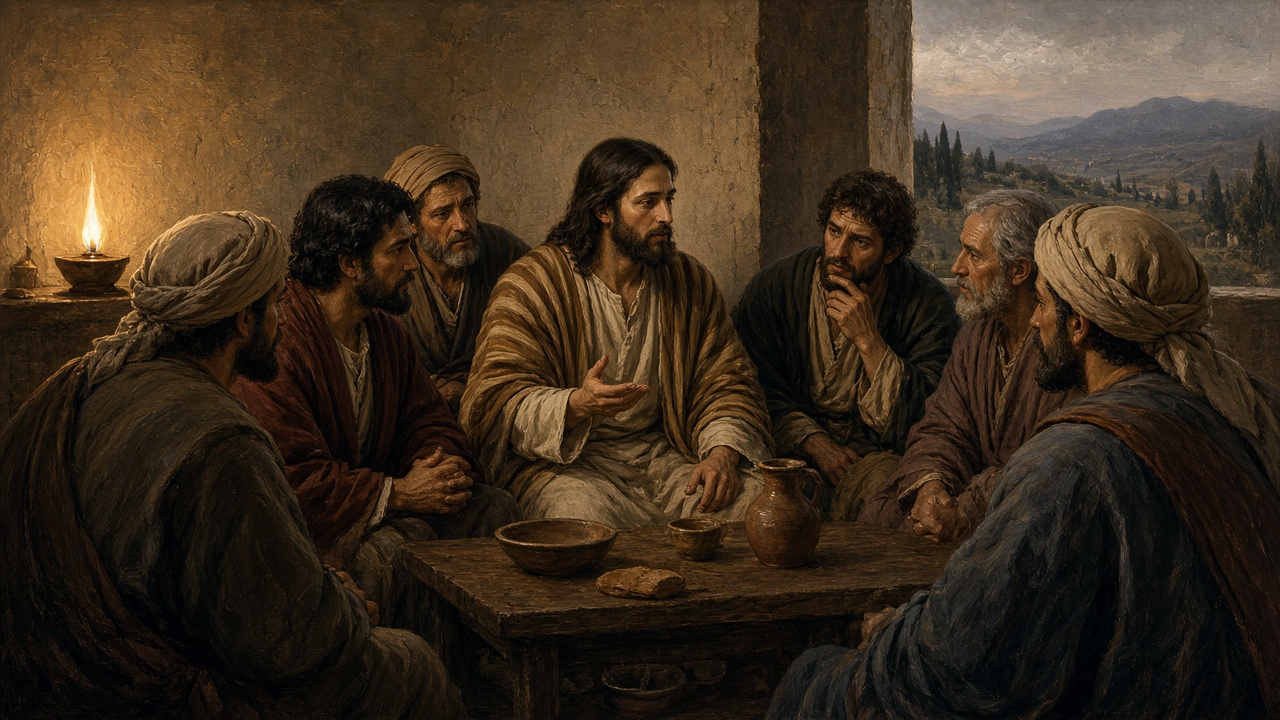
Departure, the Advocate, and joy after grief
- Event notes place this chapter in the Upper Room Discourse, a one-day episode within Holy Week, which those notes list as eight days.Sources: Upper Room Discourse · Holy Week
- Jesus tells the disciples they will be put out of the synagogues. He adds that a time is coming when anyone who kills them will think he is offering a service to God, because they have not known the Father or him.Sources: the Bible text itself
- He says it is for their benefit that he is going away, because unless he goes, the Advocate will not come. When the Spirit of truth comes, he will guide them into all truth, not speaking on his own but saying what he hears and declaring what is to come.Sources: the Bible text itself
Notes written with AI assistance from open sources (Theographic Bible Metadata, CC BY-SA 4.0; Easton’s Bible Dictionary, public domain) and reviewed before publishing.
Credits and license for this translation
Diiloŋ-nelma Tobisĩfɛlɛnni
New Testament in Cerma (UV:cme:Cerma)
copyright © 2011 Wycliffe Bible Translators, Inc.
Language: (Cerma)
Translation by: Wycliffe Bible Translators, Inc.
Copyright Information
© 2011, Wycliffe Bible Translators, Inc. All rights reserved.
This translation text is made available to you under the
terms of the Creative Commons License: Attribution-Noncommercial-No Derivative Works.
( http://creativecommons.org/licenses/by-nc-nd/3.0/ )
In addition, you have permission to port the text to different file formats, as long as you
do not change any of the text or punctuation of the Bible.
You may share, copy, distribute, transmit, and extract portions
or quotations from this work, provided that you include the above copyright
information:
You must give Attribution to the work.
You do not sell this work for a profit.
You do not make any derivative works that change any of the actual words or punctuation of the Scriptures.
Permissions beyond the scope of this license may be
available if you contact
us with your request.
The New Testament
in Cerma
© 2011, Wycliffe Bible Translators, Inc. All rights reserved.
This translation is made available to you under the terms of the
Creative Commons Attribution-Noncommercial-No Derivatives license 4.0.
You may share and redistribute this Bible translation or extracts from it in any format, provided that:
You include the above copyright and source information.
You do not sell this work for a profit.
You do not change any of the words or punctuation of the Scriptures.
Pictures included with Scriptures and other documents on this site are licensed just for use with those Scriptures and documents.
For other uses, please contact the respective copyright owners.
2014-04-23
Source: http://ebible.org/cmeNT/ · eBible.org