Hebrews 3
Diiloŋ-nelma Tobisĩfɛlɛnni · Tap a verse to see its cross-references.
Yesu maaraa Moisi‑i
1Tobiŋ namaa, ku'i ciɛ Diiloŋ uŋ bĩɛ namaa namaŋ hiere ce-na u baaŋ namaa, na saaya na ta na ne Yesu yaa‑i. Diiloŋo puɔraa u yaa‑i. Iŋ waŋ Diiloŋ-hũmelle maŋ maama‑i, u yaa di *jigãntaamba yuntieŋo‑i. 2Diiloŋo yaa hãa-yo baa maacemma famma‑i. U ciɛ u maacemma‑i Diiloŋo yaaŋga-na maŋ saaya ma ce dumaa ŋaa *Moisiŋ ciɛ u maama‑i Diiloŋ-dũŋgu-na dumaa. 3Yesu maaraa Moisi‑i. U maaraa-yo niɛ niɛ? Ba siɛ gbãa gbɛliɛŋ dũŋgu‑i ji cor ku matieŋo‑i. 4Dũnni‑i hiere nuɔmba'i maa-ni ninsoŋo, ŋga na saaya na suɔ wuɔ bĩmbĩnni‑i hiere Diiloŋo'i maa-ni. 5Moisi fuɔ waa maacembiloŋo yoŋ. U ciɛ u maacemma‑i maŋ saaya ma ce dumaa Diiloŋ-dũŋ-baamba hɔlma-na. Diiloŋo naa saaya u ji ce mamaŋ, Moisi naa wuɔya tuɔ suɔr ma yaa‑i. 6Ŋga *Kirsa fuɔ fɛrɛ yaa Bɛpolŋo‑i. U bi ciɛ u maacemma‑i maŋ saaya ma ce dumaa. U yaa Diiloŋ-dũŋ-baamba yuŋgu-na. Iŋ haa i naŋga‑i kumaŋ nuɔ‑i aa tiɛ gbɛliɛŋ i fɛrɛ, ku maama da ma saa hel i hɔmmu-na, miɛmɛi u dũŋ-baaŋ miɛŋo‑i.
Diiloŋo tigiiŋ fiisaaŋ-terieŋgu tuɔ cie u baamba‑i
7*Diiloŋ-Yalle daa ma yaa di cira wuɔ:
«Da na nu Diiloŋo nelma‑i nyuŋgo‑i-na, 8baa na cĩina-mɛi
ŋaa na bĩncuɔmba naŋ puu baa-yo dumaa
yiiŋgu maŋ ba naŋ fiɛŋ-yo dii *hĩɛkuraaŋgu-na.»
9Diiloŋo ciɛra wuɔ:
«Na bĩncuɔmba daa miŋ ciɛ kumaŋ bieŋ komuɔŋa hãi hɔlma-na,
ŋga ba bilaa diiloŋo‑i a feŋ-mi da ba ce-mi ne
10ku'i ciɛ mi cira:
‹Ba sa gbãŋ haarma,
miŋ taaraŋ ba ce kumaŋ ba yaaŋ-ku.›
Mi huɔŋga duu baa-ba cor.
11Kaŋ duu baa-ba dumaaŋo-na mi waasa miɛ:
‹Miŋ tigiiŋ fiisaaŋ-terieŋgu maŋ, ba cɛraa ba da suur-kuɔ.›»
12Tobiŋ namaa, terieŋgu faŋgu-na, bilaaŋ na fɛrɛ, na hɔlma-na unaa baa ji ce ãnyagarmantieŋo a ji tuɔ cĩina Cicɛ̃lmantieŋo‑i. 13Nyuŋgo ku bãaŋ daaku-na, Diiloŋo tiraa u taara u piiye baa-ye. A ce dumaaŋo-na taa na dii sirɛiŋa na-naa nuɔ yinni maŋ joŋ; ku yaa bĩŋkũŋgu siɛ gbãa tãal unaŋ nuɔ dii-ni ãmbabalma cemma-na a ce-ni ãnyagarmantieŋ nuɔ. 14Ii dii *Kirsa kuoyataaŋ miɛ nyuŋgo‑i-na. Ŋga diɛ tiɛ taara i tĩɛ u kuoyataaŋ miɛ, iŋ haa i naŋga‑i kumaŋ nuɔ‑i dii ku domma-na, i saaya i haa i naŋga kuɔ. 15Ma waaŋ wuɔ: «Da na nu Diiloŋo nelma‑i nyuŋgo‑i, baa na cĩina-mɛi ŋaa na bĩncuɔmba naŋ puu baa-yo aa cĩina-mɛi dumaa.»
16A ne da na bĩncuɔŋ haba‑i nuɔ Diiloŋo nelma‑i aa pu baa-yo? *Moisiŋ hielaa bamaŋ hiere Esipi‑i-na ba'i sĩ wɛi? 17Aa Diiloŋo huɔŋga duu baa haba‑i bieŋ komuɔŋa hãi hɔlma-na? Baaduɔŋ daaba'i sĩ wɛi? Ba yaa cãlãa aa kã ka ku dii hĩɛkuraaŋgu-na. 18Diiloŋo waasaaŋ wuɔ haba‑i siɛ da suur u fiisaaŋ-terieŋgu-na? Baaduɔŋ daaba'i sĩ wɛi? Ba yaa naa yagaraa wuɔ ba siɛ nu Diiloŋo nuŋgu‑i. 19Terieŋgu faŋgu-na, kumaŋ ciɛ i bĩncuɔmba saa gbãa suur fiisaaŋ-terieŋgu-na, ku yuŋgu yaa daaku: Ba yagaraa wuɔ ba siɛ haa ba naŋga Diiloŋo-na ku'i ciɛ.
Did you know?
Greater Glory Than Moses
- Hebrews asks its readers to fix their attention on Jesus, the apostle and high priest they confess. He was faithful to the one who appointed him, just as Moses was faithful in all God's house, but Jesus is counted worthy of greater glory than Moses, as the builder of a house has greater honor than the house. Moses was faithful as a servant; Christ is faithful as the Son over God's house.Sources: the Bible text itself
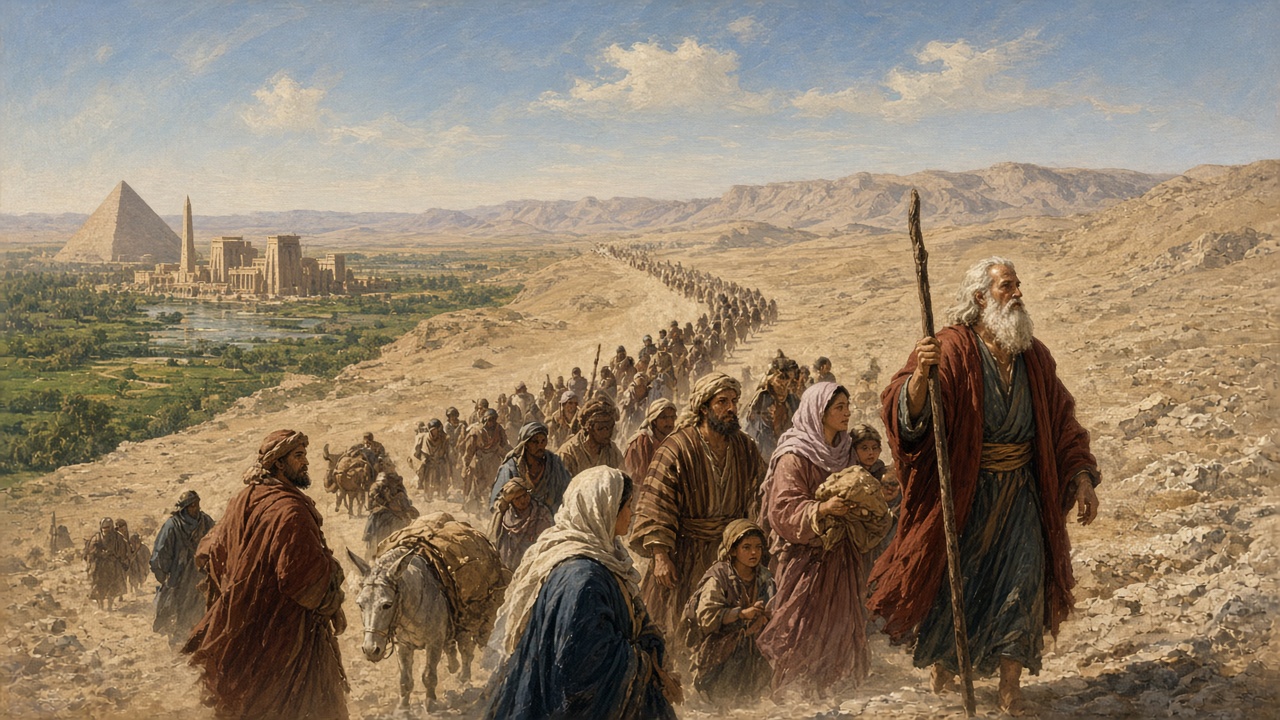
- The warning looks back to the people Moses led out of Egypt. For forty years in the wilderness they tested God, who was angry with that generation and swore they would never enter his rest; their bodies fell in the wilderness. The chapter says that unbelief kept them from entering.Sources: the Bible text itself
- Egypt, the land they left with Moses, is the land of the Nile and the pyramids. Easton's Bible Dictionary (1897) explains the name Moses as Drawn, or links it with the Egyptian word mesu, meaning son.Sources: the Bible text itself · Egypt · Moses
Notes written with AI assistance from open sources (Theographic Bible Metadata, CC BY-SA 4.0; Easton’s Bible Dictionary, public domain) and reviewed before publishing.
Places in this chapter
- Egypt · 30.129, 31.308 · verse 16
Only places identified with high confidence are shown (90% or more according to the scholarly sources compiled by OpenBible). Period map: DARE (Digital Atlas of the Roman Empire), CC BY 4.0; modern map: © OpenStreetMap contributors; places: OpenBible.info (CC BY 4.0).
Credits and license for this translation
Diiloŋ-nelma Tobisĩfɛlɛnni
New Testament in Cerma (UV:cme:Cerma)
copyright © 2011 Wycliffe Bible Translators, Inc.
Language: (Cerma)
Translation by: Wycliffe Bible Translators, Inc.
Copyright Information
© 2011, Wycliffe Bible Translators, Inc. All rights reserved.
This translation text is made available to you under the
terms of the Creative Commons License: Attribution-Noncommercial-No Derivative Works.
( http://creativecommons.org/licenses/by-nc-nd/3.0/ )
In addition, you have permission to port the text to different file formats, as long as you
do not change any of the text or punctuation of the Bible.
You may share, copy, distribute, transmit, and extract portions
or quotations from this work, provided that you include the above copyright
information:
You must give Attribution to the work.
You do not sell this work for a profit.
You do not make any derivative works that change any of the actual words or punctuation of the Scriptures.
Permissions beyond the scope of this license may be
available if you contact
us with your request.
The New Testament
in Cerma
© 2011, Wycliffe Bible Translators, Inc. All rights reserved.
This translation is made available to you under the terms of the
Creative Commons Attribution-Noncommercial-No Derivatives license 4.0.
You may share and redistribute this Bible translation or extracts from it in any format, provided that:
You include the above copyright and source information.
You do not sell this work for a profit.
You do not change any of the words or punctuation of the Scriptures.
Pictures included with Scriptures and other documents on this site are licensed just for use with those Scriptures and documents.
For other uses, please contact the respective copyright owners.
2014-04-23
Source: http://ebible.org/cmeNT/ · eBible.org